Menu
mtDNA Haplogroup • Maternal Lineage

I1A1

mtDNA Haplogroup I1A1

~9,000 years ago
Near East / Anatolia
3 subclades
Scroll to explore
Chapter I

The Story

The journey of mtDNA haplogroup I1A1

Origins and Evolution

mtDNA haplogroup I1A1 is a downstream branch of maternal haplogroup I1A, which itself derives from haplogroup I1 — a West Eurasian lineage that expanded after the Last Glacial Maximum. Based on the phylogenetic position of I1A1 under I1A and the archaeological association of its parent with Anatolian and Near Eastern Neolithic populations, I1A1 most plausibly originated in Anatolia or the Near East during the early Neolithic period (several thousand years after the initial I1/I1A split). Its time depth is consistent with a regional founder or sub-founder event tied to early farming communities.

As with many mtDNA subclades that arise during demographic expansions, I1A1 is defined by a small set of private mutations on top of I1A. These private markers permit its identification in both modern population surveys and ancient DNA assemblies; the haplogroup is recorded in at least 26 ancient samples within curated archaeological databases, supporting a Neolithic-era presence in archaeological contexts.

Subclades

I1A1 itself may contain further downstream diversity (local sublineages restricted to particular regions or communities), but overall it remains a relatively low-frequency lineage with limited deep substructure compared with larger West Eurasian haplogroups (such as H or U). Where denser sampling has been performed, researchers sometimes detect geographically localized branches of I1A1, reflecting founder effects and genetic drift in small early farming communities or later isolated populations.

Geographical Distribution

Today I1A1 is concentrated at low-to-moderate frequencies in the Near East and the Caucasus, with scattered occurrences in southern and eastern Europe (particularly the Balkans and parts of Italy and the Mediterranean), low-frequency traces farther east into Central and South Asia, and sporadic appearances in North Africa. The pattern is consistent with an origin in Anatolia / the Near East followed by spread with Neolithic farmers into adjoining regions and occasional later movement through trade, migration, and diaspora communities (including some Jewish populations where it appears at low frequency).

Geographic patterning commonly shows higher relative frequency and diversity in or near the proposed area of origin (Anatolia, Levant, Caucasus), with declining frequency and fewer distinct sublineages moving away from this core.

Historical and Cultural Significance

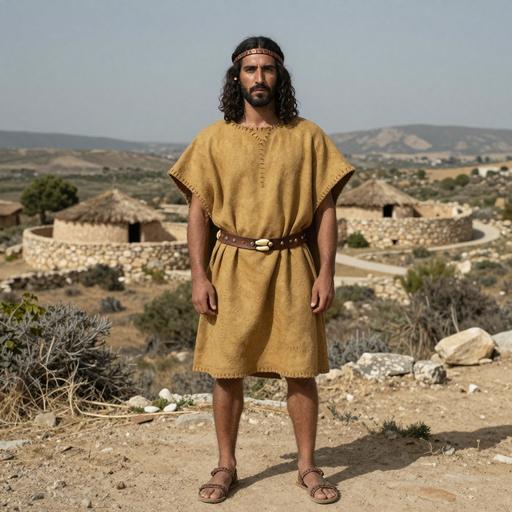
Because of its association with I1A and the broader set of maternal lineages that trace to Anatolian and Near Eastern farmers, I1A1 is informative for studies of the Neolithic transition in West Eurasia. Its detection in Neolithic archaeological contexts supports the model that a suite of maternal lineages accompanied the spread of agriculture from Anatolia into the Balkans, the Caucasus and parts of Southern Europe. In later periods the haplogroup persists at low frequencies and can reflect population continuity, local founder events, or admixture. Its appearance in some Jewish communities likely reflects historical Near Eastern ancestry and subsequent population movements and bottlenecks.

Conclusion

mtDNA I1A1 is a modestly distributed maternal lineage whose phylogeography and ancient DNA occurrences tie it to Anatolian/Near Eastern Neolithic farmer expansions. It is most useful in population-genetic and archaeogenetic contexts for tracing localized Neolithic dispersals, post-Neolithic continuity in the Caucasus and Mediterranean fringe, and low-frequency maternal contributions to diverse modern populations. Continued dense sampling and ancient DNA recovery will clarify its internal substructure and finer-scale migration history.

Key Points

  • Origins and Evolution
  • Subclades
  • Geographical Distribution
  • Historical and Cultural Significance
  • Conclusion

Chapter II

Tree & Relationships

Phylogenetic context and subclades

Evolution Path

This haplogroup's evolutionary journey from its earliest ancestor to the present.

Steps Haplogroup Age Estimate Archaeology Era Time Passed Immediate Descendants Tested Modern Descendants Ancient Connections
1 I1A1 Current ~9,000 years ago 🌾 Neolithic 9,000 years 3 39 0
2 I1A ~12,000 years ago 🌾 Neolithic 12,000 years 1 44 28
3 I1 ~16,000 years ago 🏹 Mesolithic 16,000 years 4 130 6
4 I ~25,000 years ago 🦴 Paleolithic 25,000 years 7 296 66
Chapter III

Where in the World

Geographic distribution and modern presence

Place of Origin

Near East / Anatolia

Modern Distribution

The populations where mtDNA haplogroup I1A1 is found include:

  1. Near Eastern populations (Anatolia, Levant, Iran)
  2. Caucasus populations (Armenia, Georgia, Azerbaijan)
  3. Southern and Eastern European populations (Balkans, Italy, parts of the Mediterranean)
  4. Central and South Asian groups (low frequency, scattered)
  5. North African populations (sporadic, generally low frequency)
  6. Jewish communities (including some Ashkenazi and Sephardic lineages, at low frequency)
  7. Ancient Neolithic farmer contexts (archaeological sites tied to early farming expansions)
CHAPTER IV

When in Time

Your haplogroup in the context of human history

~10k years ago

Neolithic Revolution

Agriculture begins, settled communities form

~9k years ago

Haplogroup I1A1

Your mtDNA haplogroup emerged in Near East / Anatolia

Near East / Anatolia
~5k years ago

Bronze Age

Metalworking, writing, and early civilizations

~3k years ago

Iron Age

Iron tools, expanded trade networks

~2k years ago

Classical Antiquity

Greek and Roman civilizations flourish

Present

Present Day

Modern era

Your Haplogroup
Historical Era
Chapter IV-B

Linked Cultures

Ancient cultures associated with mtDNA haplogroup I1A1

Cultural Heritage

These ancient cultures have been linked to haplogroup I1A1 based on matching ancient DNA samples from archaeological excavations. The presence of this haplogroup in these cultures provides insights into the migrations and population movements of populations carrying this haplogroup.

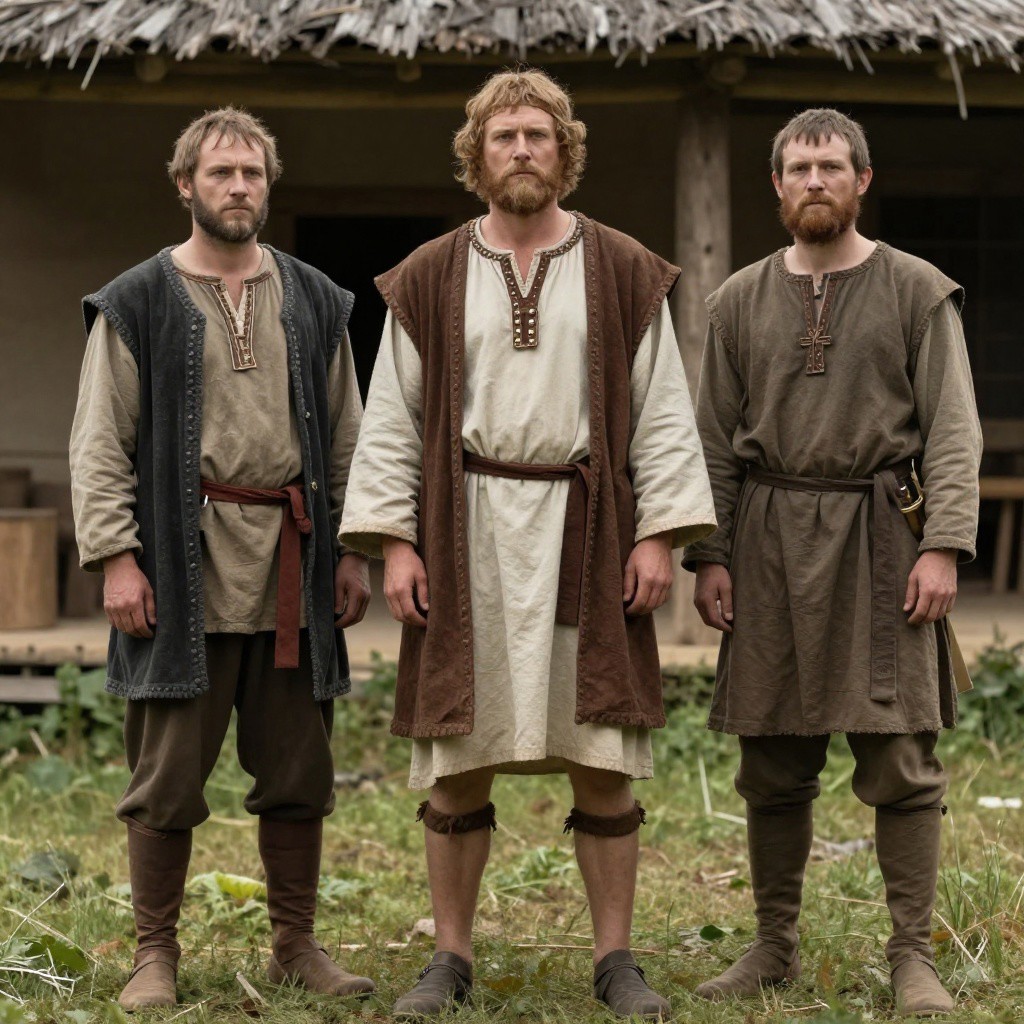
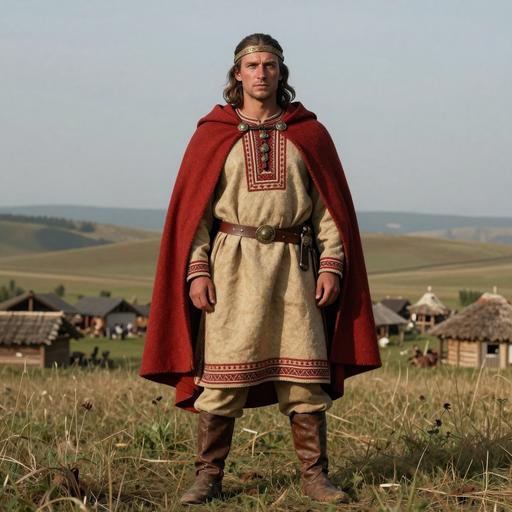
Chlopice-Vesele Culture Croatian Middle Bronze Age Lech Valley Bronze Age Southeast Iberian Bronze Srubnaya Culture Unetice Usatove Viking Viking Denmark
Culture assignments are based on archaeological context of ancient DNA samples and may represent regional associations during specific time periods.
Chapter V

Sample Catalog

21 direct carriers and 20 subclade carriers of haplogroup I1A1

41 / 41 samples
Portrait Sample Country Era Date Culture mtDNA Match
Portrait of ancient individual VK523 from Norway, dated 1 CE - 1000 CE
VK523
Norway Iron Age Norway 1 CE - 1000 CE Norse Iron Age I1a1 Direct
Portrait of ancient individual VK523 from Norway, dated 1 CE - 1000 CE
VK523
Norway Iron Age Nordic Region 1 CE - 1000 CE I1a1 Direct
Portrait of ancient individual I20672 from United Kingdom, dated 400 CE - 600 CE
I20672
United Kingdom Early Medieval Saxon England 400 CE - 600 CE Anglo-Saxon I1a1 Direct
Portrait of ancient individual I18259 from Hungary, dated 420 BCE - 300 BCE
I18259
Hungary The Syrmian Srem Group in Hungary 420 BCE - 300 BCE Srem Culture I1a1 Direct
Portrait of ancient individual lov001 from Sweden, dated 475 CE - 520 CE
lov001
Sweden Vendel Culture 475 CE - 520 CE Vendel I1a1 Direct
Portrait of ancient individual VOR001 from Russia, dated 500 BCE - 100 BCE
VOR001
Russia Iron Age Sargat Culture, Russia 500 BCE - 100 BCE Sargat Culture I1a1 Direct
Portrait of ancient individual RKF224 from Hungary, dated 580 CE - 720 CE
RKF224
Hungary Early Middle Avar Period 580 CE - 720 CE Avar I1a1 Direct
Portrait of ancient individual KZL001 from Kazakhstan, dated 776 BCE - 481 BCE
KZL001
Kazakhstan Early Iron Age Tasmola Culture, Kazakhstan 776 BCE - 481 BCE Tasmola Culture I1a1 Direct
Portrait of ancient individual KZL003 from Kazakhstan, dated 800 BCE - 300 BCE
KZL003
Kazakhstan Early Iron Age Tasmola Culture, Kazakhstan 800 BCE - 300 BCE Tasmola Culture I1a1 Direct
Portrait of ancient individual PUC002 from Spain, dated 1741 BCE - 1566 BCE
PUC002
Spain Bronze Age Southeast Iberia 1741 BCE - 1566 BCE Southeast Iberian Bronze I1a1 Direct
Chapter VI

Carrier Distribution Map

Geographic distribution of 41 ancient DNA samples (direct and subclade carriers of I1A1)

Direct carrier Subclade carrier
Time Period Filter
All Time Periods
Showing all samples
Chapter VII

Temporal Distribution

Distribution of carriers across archaeological periods

Chapter VIII

Geographic Distribution

Distribution by country of origin (direct and subclade carriers shown by default)

Chapter IX

Country × Era Distribution

Cross-tabulation of carrier countries and archaeological periods (direct and subclade carriers shown by default)

Data

Data & Provenance

Source information and data quality

Last Updated 2026-02-16
Confidence Score 50/100
Coverage Low
Data Source

We use the latest phylotree for MTDNA haplogroup classification and data.