The Story
The journey of mtDNA haplogroup I1B
Origins and Evolution
mtDNA haplogroup I1B is a downstream branch of haplogroup I1, which itself derives from mtDNA haplogroup I. The parent clade I1 likely formed in West Eurasia after the Last Glacial Maximum (~16 kya). Based on its phylogenetic position and observed geographic patterning, I1B most plausibly arose in the early Holocene (roughly ~9–11 kya) in the Near East or the adjacent Caucasus region and expanded with early farming and post-glacial resettlement processes.
I1B carries derived mutations that distinguish it from other I1 subclades; these changes allow it to be recognized in modern and ancient mitochondrial datasets. Its time depth places its origin after the initial diversification of haplogroup I but before or during the main westward movement of Neolithic populations into Europe.
Subclades
I1B appears to have modest internal diversity, with a few geographically structured sublineages observed in modern and ancient samples (often labeled in the literature or databases as I1b1, I1b2, etc.). These minor subclades are typically rare and geographically localized, reflecting pulses of local expansion and drift rather than continent-wide replacement. Because sampling of some regions (particularly the Caucasus and parts of the Near East) remains incomplete, further sequencing often reveals additional micro-lineages within I1B.
Geographical Distribution
The distribution of I1B is concentrated in the Near East and Caucasus, with lower-frequency occurrences in southern and eastern Europe and scattered, low-frequency detections in Central/South Asia and North Africa. In Europe, I1B is most commonly encountered in populations with historical or prehistoric ties to Near Eastern gene flow, including some Mediterranean and Balkan communities. It is also observed sporadically in modern and ancient Jewish groups, reflecting complex historical connections across the Near East and Europe.
Historical and Cultural Significance
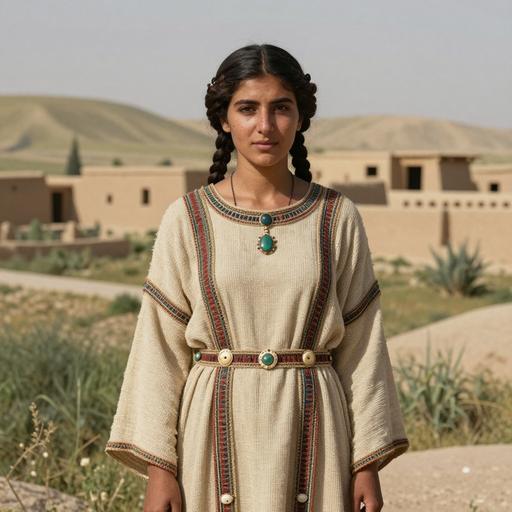
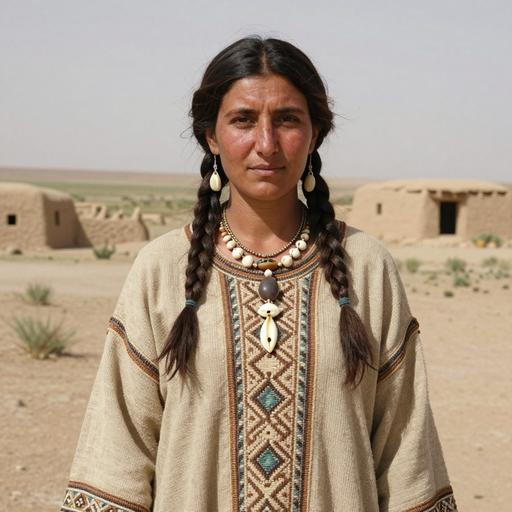
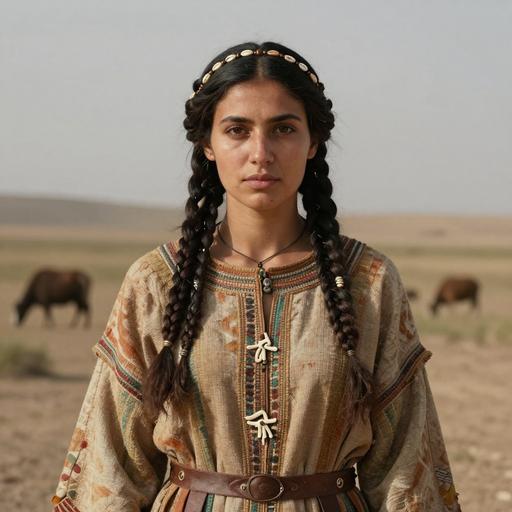
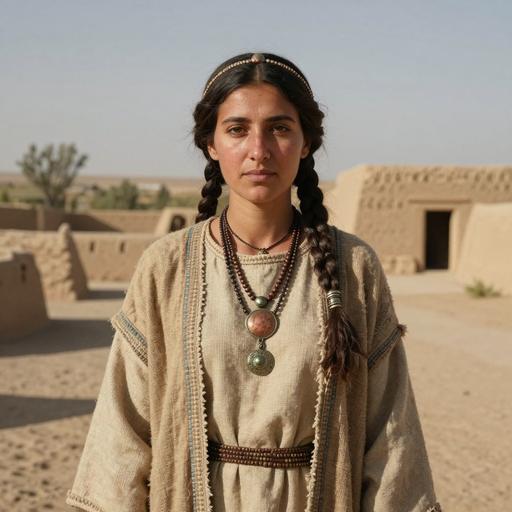
I1B's inferred age and geographic origin link it to the early Holocene demographic shifts that accompanied the spread of agriculture from Anatolia and the Levant. Consequently, it is often found in association with Neolithic farmer contexts (Anatolian Neolithic, early European farming cultures such as LBK) and with later regional cultural complexes that absorbed or transmitted Near Eastern maternal lineages.
While not a hallmark lineage of any single archaeological culture, the presence of I1B in Neolithic and later contexts makes it useful for tracing maternal ancestry lines that participated in the peopling of Europe via Near Eastern and Anatolian routes. Its low-to-moderate frequency and patchy distribution also reflect subsequent population movements, isolation, and genetic drift in mountainous regions such as the Caucasus.
Conclusion
mtDNA haplogroup I1B is a relatively rare but informative maternal lineage derived from I1, with roots in the Near East/Caucasus region in the early Holocene. Its association with Neolithic farmer expansions and its continued presence at low levels across the Near East, Caucasus, parts of Europe, and in some Jewish communities make it a useful marker for reconstructing maternal ancestry and migration routes associated with early agriculture and later regional demographic events. Continued sampling and ancient DNA studies will refine its substructure, time depth, and precise migration history.
Key Points
- Origins and Evolution
- Subclades
- Geographical Distribution
- Historical and Cultural Significance
- Conclusion