The Story
The journey of mtDNA haplogroup K1A
Origins and Evolution
mtDNA haplogroup K1A is a major branch of haplogroup K1, itself derived from haplogroup K (a descendant of U8). Based on the phylogenetic placement of K1A within K1 and the established age estimates for K/K1, K1A most likely diversified in the Near East or Anatolia in the Late Glacial to Early Holocene (approximately ~12 thousand years ago). This timing and geography are consistent with an origin among populations in the Near East that later contributed to the first phases of Neolithic farming expansions into Europe.
K1A shows internal structure with multiple named subclades (commonly reported as K1a1, K1a2, K1a3, etc. in the literature) that expanded at different times. Some of these subclades experienced local founder events and subsequent drift, producing regionally elevated frequencies in particular groups.
Subclades
K1A contains several downstream lineages that are observed at differing frequencies across Eurasia. Common higher-resolution clusters reported in population and ancient DNA studies include K1a1, K1a2 and further subdivisions (for example K1a1b and downstream forms). Specific subclades show contrasting geographic patterns: some are widespread across Europe and the Near East (reflecting Neolithic spread), while others are more restricted and associated with later founder events (for example in Jewish communities and some island/isolated populations).
Geographical Distribution
The modern and ancient distribution of K1A tracks the Near Eastern origin and Neolithic dispersal route into Europe. K1A is found at appreciable levels in Anatolia and the Levant, is present across Southern and Western Europe (including Mediterranean islands such as Sardinia), and appears at lower but detectable frequencies in Northern Europe, the Caucasus, parts of North Africa, and Central Asia where west–east contacts occurred.
Ancient DNA has recovered K1A and its subclades in Anatolian Neolithic contexts, Early Neolithic Central European farmers (e.g., LBK-associated remains), and in various later European archaeological horizons, supporting a scenario of early farmer-mediated expansion followed by regional continuity and later demographic events.
Historical and Cultural Significance
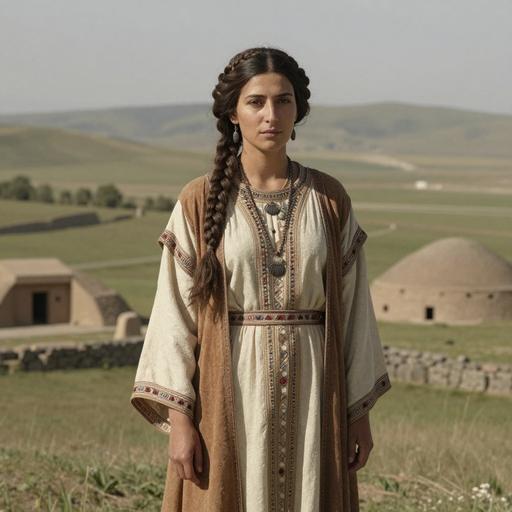
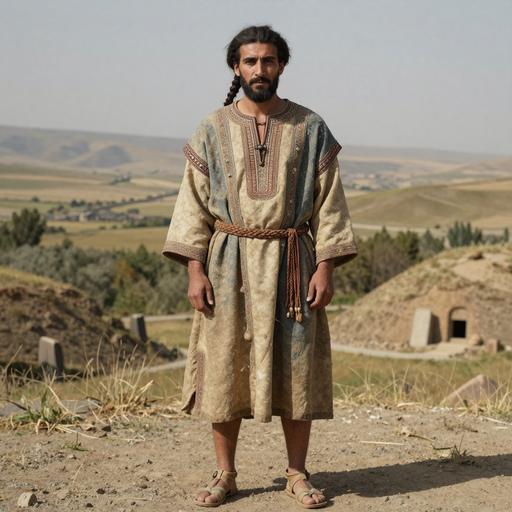
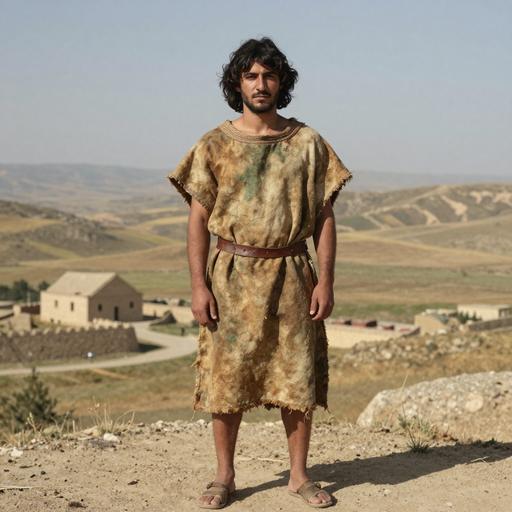
K1A is strongly associated with the demographic processes tied to the spread of agriculture from Anatolia into Europe. It is commonly interpreted as a marker of maternal lineages carried by early Neolithic farming populations (Anatolian and Aegean farmers who contributed ancestry to LBK and Cardial groups). In historic and more recent times, several K1A-derived subclades have high frequencies in Ashkenazi Jewish populations, reflecting clear founder effects and bottlenecks during the formation and growth of these communities.
Because K1A co-occurs with other farmer-associated mtDNA lineages (e.g., certain J and T2 subclades) and with Neolithic-associated paternal lineages (notably Y-DNA G2a), it serves as part of the genetic signature used to identify Neolithic ancestry in ancient and modern samples.
Conclusion
K1A is a Near Eastern–derived maternal lineage that diversified around the transition from the Late Glacial to the Early Holocene and played a notable role in the Neolithic demographic expansion into Europe. Subsequent regional drift, isolation and founder events — most prominently the Ashkenazi Jewish founder effect — have shaped its modern subclade distribution, making K1A both an important marker of early farmer migrations and of later population-specific histories.
Key Points
- Origins and Evolution
- Subclades
- Geographical Distribution
- Historical and Cultural Significance
- Conclusion