Menu
mtDNA Haplogroup • Maternal Lineage

K1B1

mtDNA Haplogroup K1B1

~9,000 years ago
Near East / Anatolia
4 subclades
Scroll to explore
Chapter I

The Story

The journey of mtDNA haplogroup K1B1

Origins and Evolution

mtDNA haplogroup K1B1 is a defined subclade within haplogroup K1B, itself nested under K1 and the broader haplogroup K. Given the phylogenetic position of K1B and the archaeological and genetic evidence linking K lineages to early Holocene Near Eastern populations, K1B1 most likely arose in the Near East or Anatolia shortly after the Last Glacial Maximum, in the early Neolithic window. Its estimated time depth (on the order of ~9 thousand years ago) places its origin broadly within the period when Anatolian and Levantine maternal lineages contributed to the demographic expansion of farming populations into Europe.

Subclades

K1B1 sits beneath K1B in the mitochondrial tree; more fine-grained substructure within K1B1 is reported in population surveys but remains less-studied than some other K subclades. Where high-resolution mitogenomes are available, researchers can resolve intra-clade branches that reflect local founder effects (for example in island or isolated populations) or diaspora-specific bottlenecks (for example in some Jewish communities). Continued mitogenome sequencing and ancient DNA sampling will better resolve internal branching and age estimates for K1B1 sublineages.

Geographical Distribution

K1B1 shows a patchy but geographically coherent distribution consistent with a Near Eastern origin and Neolithic dispersal into Europe. Modern and ancient DNA studies identify K1B1 in Anatolia and the Levant, in early European farmer contexts (e.g., Linearbandkeramik-related populations), and across southern Europe (Italy, Iberia, Greece and Mediterranean islands such as Sardinia). It also appears at low-to-moderate frequencies in western and northern Europe, in the Caucasus, and at low frequency in North Africa and parts of Central Asia likely reflecting later contacts and gene flow. In addition, K1B1 is reported in Ashkenazi Jewish communities, where maternal lineages of Near Eastern and European origin are both represented.

The haplogroup has been observed in multiple ancient DNA samples (10 in the dataset referenced), demonstrating its presence in archaeological contexts and supporting its role in early farmer expansions and subsequent population movements.

Historical and Cultural Significance

Because K1B1 is associated with the broader K1/K haplogroups that track the spread of early Near Eastern farmers, its presence in Europe is often interpreted as part of the mitochondrial signature of Neolithic agriculturalists. This links K1B1 to major cultural and demographic transitions in prehistory, including the spread of Neolithic technologies and lineages from Anatolia into Europe (e.g., Cardial and LBK trajectories). In later millennia, K1B1 persisted in Mediterranean and Near Eastern populations and can reflect subsequent historical processes such as trade, migration, and diaspora events (including those affecting Jewish populations). Local founder effects can amplify K1B1 in insular or endogamous groups, making it useful for regional phylogeographic inference.

Conclusion
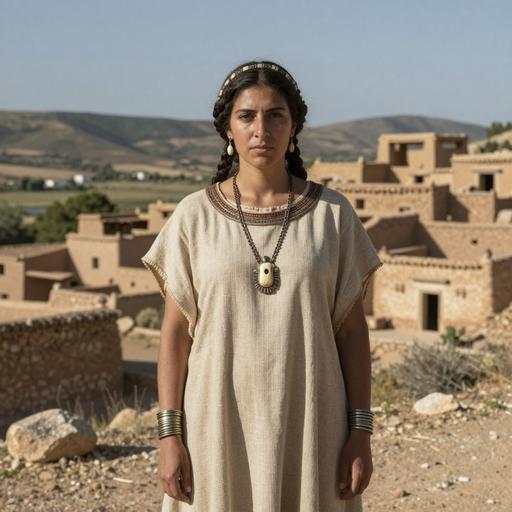
K1B1 is a Neolithic-era maternal lineage derived from a Near Eastern/Anatolian gene pool that contributed to the peopling of Europe with farming communities. It is informative for studies of Neolithic expansion, Mediterranean and Near Eastern population history, and diasporic maternal ancestry. Future high-resolution mitogenome sequencing and expanded ancient DNA sampling will refine its internal structure, precise age estimates, and the details of its spread and local demographic history.

Key Points

  • Origins and Evolution
  • Subclades
  • Geographical Distribution
  • Historical and Cultural Significance
  • Conclusion
Chapter II

Tree & Relationships

Phylogenetic context and subclades

Evolution Path

This haplogroup's evolutionary journey from its earliest ancestor to the present.

Steps Haplogroup Age Estimate Archaeology Era Time Passed Immediate Descendants Tested Modern Descendants Ancient Connections
1 K1B1 Current ~9,000 years ago 🌾 Neolithic 9,000 years 4 38 0
2 K1B ~10,000 years ago 🌾 Neolithic 10,500 years 2 66 9
3 K1 ~13,000 years ago 🏹 Mesolithic 13,000 years 8 1,072 116
4 K ~16,000 years ago 🏹 Mesolithic 16,000 years 7 1,393 55

Siblings (1)

Other branches from the same parent haplogroup

Chapter III

Where in the World

Geographic distribution and modern presence


Place of Origin

Near East / Anatolia

Modern Distribution

The populations where mtDNA haplogroup K1B1 is found include:

  1. Ashkenazi Jewish communities
  2. Anatolian (modern Turkey) populations
  3. European Early Neolithic farmer-descended populations (e.g., LBK descendants in Central Europe)
  4. Southern European populations (Iberia, Italy, Greece)
  5. Western and Northern European populations (British Isles, Scandinavia) at moderate to low frequencies
  6. Caucasus populations (Armenians, Georgians)
  7. North African coastal groups with Near Eastern admixture
  8. Iranian and Levantine populations
  9. Island and isolated Mediterranean populations (e.g., Sardinia and other islands)
  10. Low-frequency occurrences in parts of Central Asia from west–east contacts
CHAPTER IV

When in Time

Your haplogroup in the context of human history

~10k years ago

Neolithic Revolution

Agriculture begins, settled communities form

~9k years ago

Haplogroup K1B1

Your mtDNA haplogroup emerged in Near East / Anatolia

Near East / Anatolia
~5k years ago

Bronze Age

Metalworking, writing, and early civilizations

~3k years ago

Iron Age

Iron tools, expanded trade networks

~2k years ago

Classical Antiquity

Greek and Roman civilizations flourish

Present

Present Day

Modern era

Your Haplogroup
Historical Era
Chapter IV-B

Linked Cultures

Ancient cultures associated with mtDNA haplogroup K1B1

Cultural Heritage

These ancient cultures have been linked to haplogroup K1B1 based on matching ancient DNA samples from archaeological excavations. The presence of this haplogroup in these cultures provides insights into the migrations and population movements of populations carrying this haplogroup.

Cardial Culture Çayönü Culture French Neolithic Hajji Firuz Hallstatt Culture Linear Pottery Culture Middle Neolithic French Pottery Neolithic Sicilian Bronze Age Starčevo Culture Tisza Culture Trypillia Culture
Culture assignments are based on archaeological context of ancient DNA samples and may represent regional associations during specific time periods.
Chapter V

Sample Catalog

5 direct carriers and 95 subclade carriers of haplogroup K1B1

50 / 50 samples
Portrait Sample Country Era Date Culture mtDNA Match
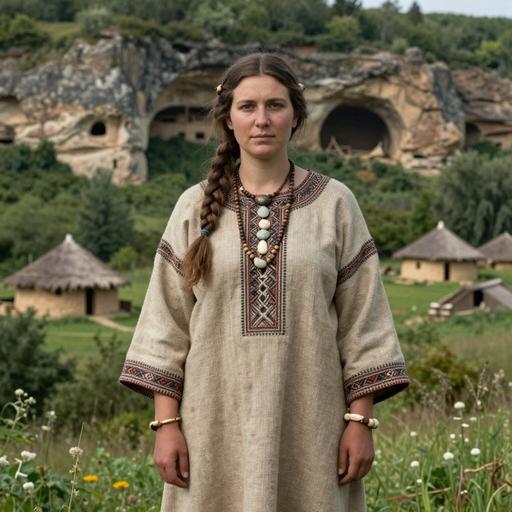
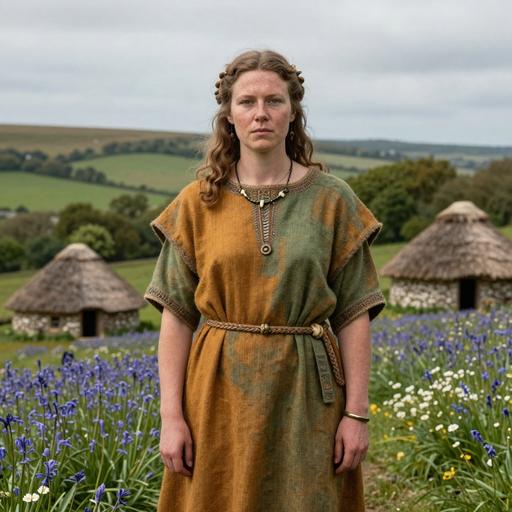
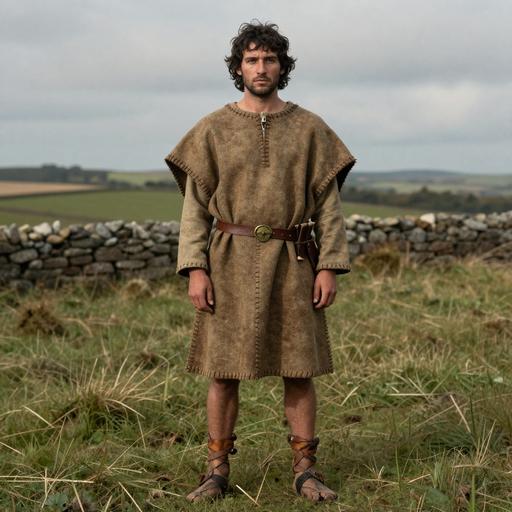
Portrait of ancient individual I5689 from Slovenia, dated 750 BCE - 415 BCE
I5689
Slovenia Early Iron Age Slovenia 750 BCE - 415 BCE Hallstatt Culture K1b1 Direct
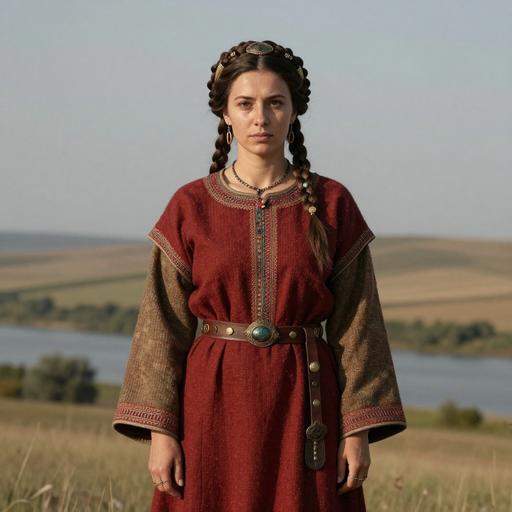
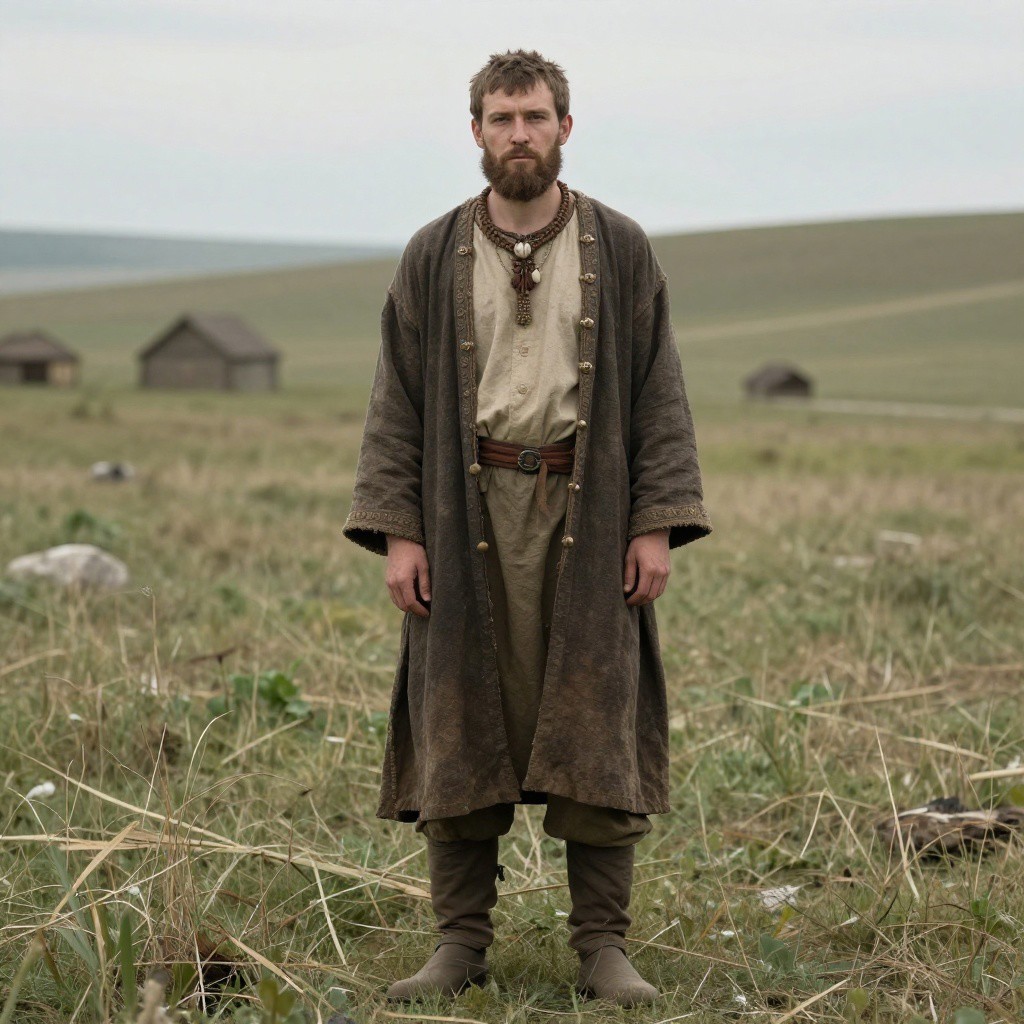
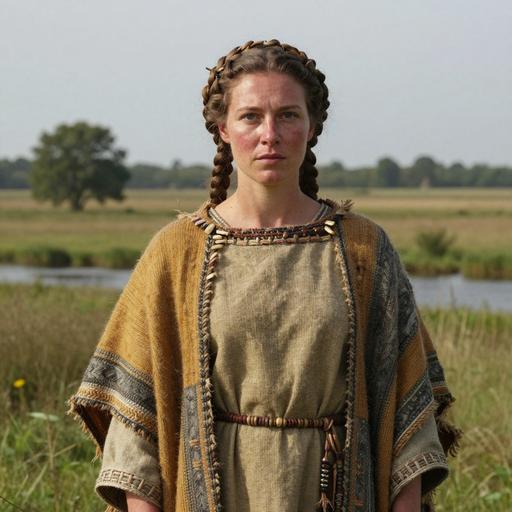
Portrait of ancient individual VERT111 from Ukraine, dated 3800 BCE - 3500 BCE
VERT111
Ukraine Middle to Late Trypillia Culture, Verteba Cave, Ukraine 3800 BCE - 3500 BCE Trypillia Culture K1b1+(16093) Direct
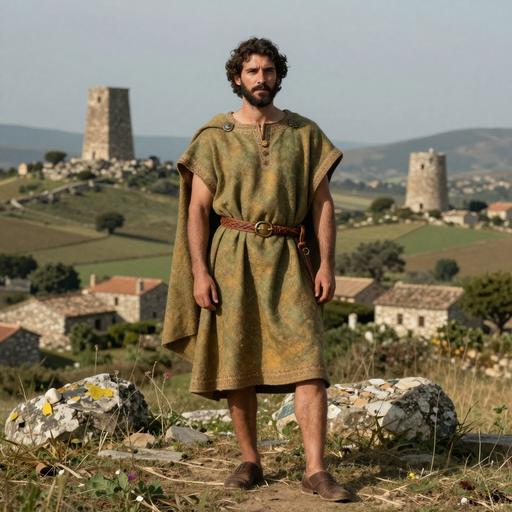
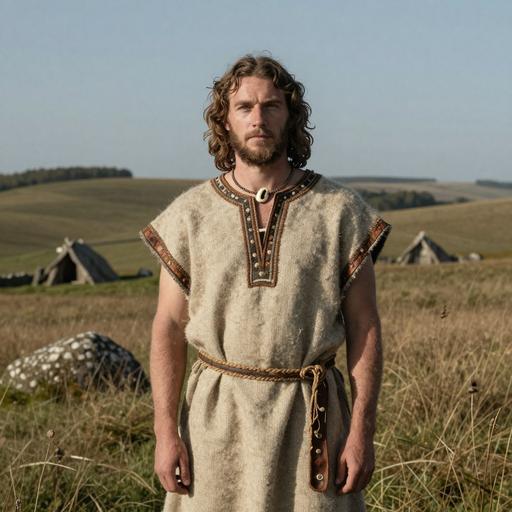
Portrait of ancient individual FLR004 from France, dated 4678 BCE - 4458 BCE
FLR004
France Middle Neolithic France 4678 BCE - 4458 BCE Middle Neolithic French K1b1 Direct
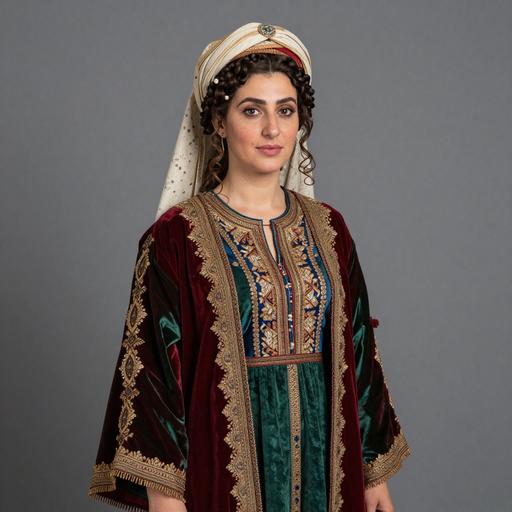
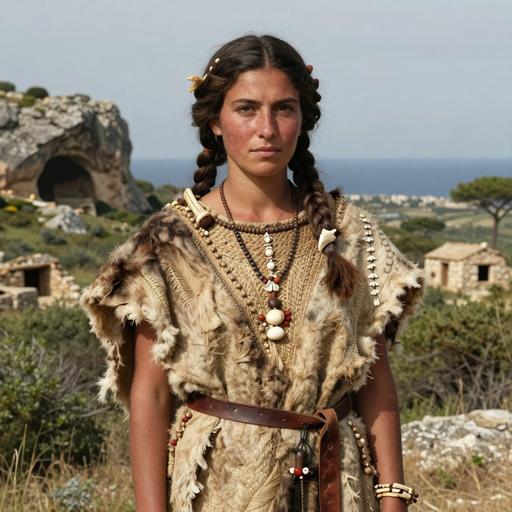
Portrait of ancient individual I2387 from Hungary, dated 5000 BCE - 4500 BCE
I2387
Hungary Late Neolithic Tisza Culture, Hungary 5000 BCE - 4500 BCE Tisza Culture K1b1 Direct
Portrait of ancient individual I24268 from Austria, dated 5300 BCE - 5000 BCE
I24268
Austria Neolithic Linear Pottery Culture, Austria 5300 BCE - 5000 BCE Linear Pottery Culture K1b1 Direct
Portrait of ancient individual R81 from Italy, dated 1 CE - 200 CE
R81
Italy Imperial Rome 1 CE - 200 CE Roman Empire K1b1c Downstream
Portrait of ancient individual I26752 from Croatia, dated 200 CE - 300 CE
I26752
Croatia Late Imperial Roman (Osijek) 200 CE - 300 CE Late Imperial Roman K1b1a1a Downstream
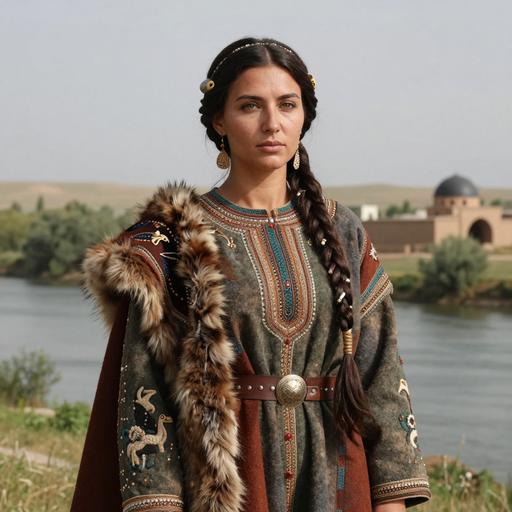
Portrait of ancient individual SGZ001 from Kazakhstan, dated 375 BCE - 201 BCE
SGZ001
Kazakhstan Iron Age Sarmatian, Kazakhstan 375 BCE - 201 BCE Sarmatian Culture K1b1a Downstream
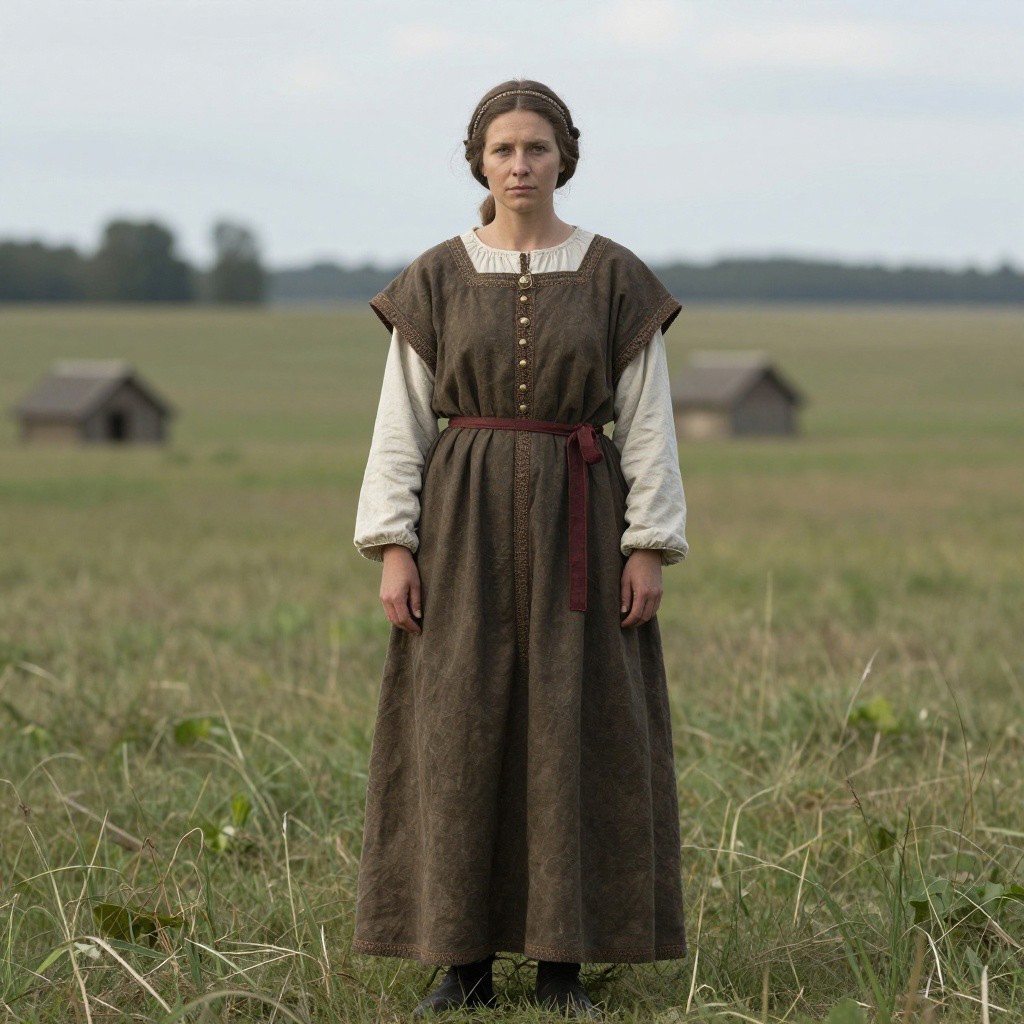
Portrait of ancient individual I22055 from United Kingdom, dated 391 BCE - 201 BCE
I22055
United Kingdom Middle Iron Age East Yorkshire, England 391 BCE - 201 BCE Middle Iron Age K1b1a1c1 Downstream
Portrait of ancient individual I3582 from Spain, dated 400 CE - 600 CE
I3582
Spain Visigothic Period Granada, Spain 400 CE - 600 CE Visigothic Culture K1b1a Downstream
Chapter VI

Carrier Distribution Map

Geographic distribution of 100 ancient DNA samples (direct and subclade carriers of K1B1)

Direct carrier Subclade carrier
Time Period Filter
All Time Periods
Showing all samples
Chapter VII

Temporal Distribution

Distribution of carriers across archaeological periods

Chapter VIII

Geographic Distribution

Distribution by country of origin (direct and subclade carriers shown by default)

Chapter IX

Country × Era Distribution

Cross-tabulation of carrier countries and archaeological periods (direct and subclade carriers shown by default)

Data

Data & Provenance

Source information and data quality

Last Updated 2026-02-16
Confidence Score 50/100
Coverage Low
Data Source

We use the latest phylotree for MTDNA haplogroup classification and data.