mtDNA · Maternal lineage

L3X2A2

mtDNA Haplogroup L3X2A2

A reference profile for one lineage branch. Shared haplogroups do not establish a family relationship or cultural identity.

Reference profile

Branch background

Historical context for mtDNA lineage branch L3X2A2

Origins and Evolution

mtDNA haplogroup L3X2A2 is a downstream branch of the East African clade L3X2A. Based on the parent clade's estimated early Holocene origin (~9 kya) and typical branch-length patterns within L3 lineages, L3X2A2 most likely split from its sibling lineages in the Horn/Nile Valley region during the mid-Holocene (roughly ~7 kya). As a mitochondrial lineage, L3X2A2 records maternal ancestry and regional continuity rather than patrilineal movements, and its phylogenetic placement within L3 makes it part of the broader L3 radiation that shaped much of present-day sub-Saharan and Northeast African maternal diversity.

Subclades (if applicable)

L3X2A2 is itself an intermediate terminal subclade in published and unpublished African mtDNA trees; it may include further very low-frequency downstream variants defined in local sequencing studies, but it is primarily reported as a discrete haplotype cluster in population surveys of the Horn. Where deeper sequencing is available, L3X2A2 lineages can sometimes be resolved into locality-specific branches that reflect isolation and drift in highland or pastoralist communities. Because the clade is rare, documented subclades are limited and often identified only in targeted mitogenome studies.

Geographical Distribution

The geographic distribution of L3X2A2 is concentrated in the Horn of Africa and adjacent Nile Valley populations. Strongest representation is found among Ethiopian highland populations (Amhara, Tigray), Eritrean highland groups, Oromo, Somali groups in the Horn, and certain Sudanese Nile Valley communities (Nubian- and Beja-adjacent groups). Low-frequency occurrences have also been reported in isolated individuals from North African and Middle Eastern coastal populations, which are best interpreted as historical contacts, trade-related movements, or recent gene-flow/backflow rather than primary centers of origin.

Historical and Cultural Significance

L3X2A2 is informative for studies of Holocene population continuity in Northeast Africa. Its presence in both highland agriculturalist groups (e.g., Amhara, Tigray) and pastoralist Cushitic-speaking groups (e.g., Oromo, Afar, Somali) suggests a long-standing maternal substratum that predates some later cultural and linguistic expansions. While not tied to a single archaeological complex as strongly as some Eurasian haplogroups are tied to Bell Beaker or Yamnaya, L3X2A2 fits the pattern of maternal lineages that persist through transitions such as the introduction of food production, the rise of local polities (e.g., Aksum), and Medieval Indian Ocean trade networks, all of which could mediate limited dispersal beyond the Horn.

Conclusion

L3X2A2 is a regional, low-frequency mtDNA lineage that serves as a marker of maternal continuity in the Horn of Africa and adjacent Nile Valley. Its limited wider dispersal and presence across several neighboring ethnolinguistic groups make it useful for reconstructing Holocene demographic processes within Northeast Africa, especially when combined with high-resolution mitogenome data and complementary autosomal and Y-DNA evidence.

Key Points

  • Origins and Evolution
  • Subclades (if applicable)
  • Geographical Distribution
  • Historical and Cultural Significance
  • Conclusion
Reference profile

Tree & Relationships

Phylogenetic context and subclades

Evolution Path

Follow the recorded parent branches toward L3X2A2. Dates are estimates and can change as reference data is revised.

Steps Haplogroup Age Estimate Archaeology Era Time Passed Immediate Descendants Tested Modern Descendants Ancient Connections
1 L3X2A2 Current ~7,000 years ago Neolithic 7,000 years 1 0 0
2 L3X2A ~9,000 years ago Neolithic 9,000 years 1 2 1
3 L3X2 ~30,000 years ago Paleolithic 30,000 years 1 2 0
4 L3X ~45,000 years ago Paleolithic 45,000 years 2 8 1
5 L3E'I'K'X - - - 4 732 0
6 L3 ~70,000 years ago Paleolithic 70,000 years 7 30,162 6
7 L3'4 - - - 2 30,212 0
8 L3'4'6 - - - 2 30,216 0
9 L2'3'4'6 - - - 2 31,333 0
10 L2'3'4'5'6'7 - - - 2 31,349 0
11 L1'2'3'4'5'6'7 - - - 2 31,852 0
12 L ~160,000 years ago Paleolithic 160,000 years 2 32,236 5
Reference profile

Where in the World

Geographic distribution and modern presence

Recorded origin

Horn of Africa / Northeastern Africa

Modern Distribution

The populations where mtDNA haplogroup L3X2A2 is found include:

  1. Amhara (Ethiopia)
  2. Oromo (Ethiopia)
  3. Tigray and Eritrean highland groups
  4. Somali populations (Horn of Africa)
  5. Sudanese Nile Valley groups (including Nubian/Beja-adjacent populations)
  6. Afar and other Cushitic-speaking groups of the Horn
  7. Beta Israel (Ethiopian Jewish community) and other Ethiopian minorities
  8. Small, low-frequency occurrences in North African and Middle Eastern coastal populations (due to historical contact and backflow)
Historical context

A branch through time

Estimated formation in a broad historical timeline. Period markers provide context and do not imply a connection with particular cultures.

  1. ~10k years ago

    Neolithic Revolution

    Agriculture begins, settled communities form

  2. ~7k years ago

    Haplogroup L3X2A2

    Estimated formation of this mtDNA branch; dates and locations are reference estimates.

    This branch
  3. ~5k years ago

    Bronze Age

    Metalworking, writing, and early civilizations

  4. ~3k years ago

    Iron Age

    Iron tools, expanded trade networks

  5. ~2.5k years ago

    Classical Antiquity

    Greek and Roman civilizations flourish

  6. Present

    Present Day

    Modern era

Reference profile

Archaeological context

Recorded archaeological associations for mtDNA branch L3X2A2

Recorded associations

These labels describe archaeological contexts recorded for reference samples linked to L3X2A2. An association does not establish that all carriers belonged to a culture or followed a particular migration route.

Austria_Avar Bungule Corded Ware Jordanow-Michelsberg Culture Khovd Long-Term Pastoral Neolithic Pre-Aksumite Slab Grave Culture St. Helena Colonial Tanzanian Prehistoric
Culture assignments are based on archaeological context of ancient DNA samples and may represent regional associations during specific time periods.
Reference profile

Sample Catalog

2 subclade carriers of haplogroup L3X2A2 (no direct carriers in the current reference selection)

2 shown · 2 matching samples

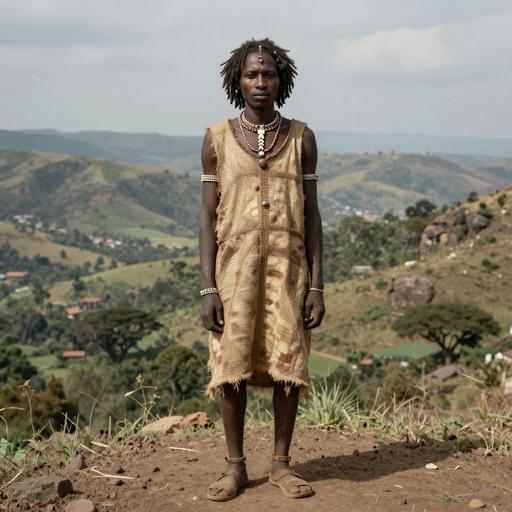
Portraits are AI-generated illustrations. Sample labels and accession IDs identify the reference records.

Portrait Sample Country Era Date Culture mtDNA Match
AI-generated illustrative portrait of Ancient Cushitic individual, Gamo Highlands. Mota Cave, Ethiopia (2,576-2,465 BCE)
Sample ID: I5950
Ethiopia Ethiopia 4500 Years Before Present 2576 BCE - 2465 BCE Pre-Aksumite L3x2a2b* Subclade
AI-generated illustrative portrait of Africa East Hg individual, Gamo Highlands. Mota Cave, Ethiopia (2,576-2,465 BCE)
Sample ID: I5950
Ethiopia Ancient Hunter-Gatherers of East Africa 2576 BCE - 2465 BCE L3x2a2b* Subclade
MATERNAL LINEAGE · ANCIENT DNA

Ancient lineage evidence map

Follow parent clades toward this branch and explore where ancient carriers were found.

Loading ancient observations…

Markers are archaeological find locations. A dashed connector is an uncertain, proposed geographic transition between consecutive branches supported by multiple dated observations; it is not an exact travel route, birthplace or proof of direct descent. Parent-clade samples may belong to other descendant branches. Gaps remain where evidence is insufficient. Sample dates differ from haplogroup formation dates.

Reference profile

Carrier Distribution Map

Geographic distribution of 2 ancient DNA samples (direct and subclade carriers of L3X2A2)

Subclade carrier
Time Period Filter
All Time Periods
Showing all samples
Reference profile

Temporal Distribution

Distribution of carriers across archaeological periods

Reference profile

Geographic Distribution

Counts by recorded sample country. These reflect the available reference selection, not population frequencies.

Reference profile

Country × Era Distribution

Compare recorded sample counts across countries and archaeological periods. Select a populated cell to inspect a sample.

Data

Data & Provenance

Source information and data quality

Last Updated 2026-02-16
Confidence Score 50/100
Coverage Low

Data Source

Classification, estimated dates and geographic context reflect the recorded reference data and may change as evidence is revised. Sample coverage is uneven; recorded locations and archaeological associations do not establish personal origin or cultural identity.

A haplogroup follows one maternal or paternal line. The branch prediction depends on which markers the DNA file contains. How our analysis works