Menu
mtDNA Haplogroup • Maternal Lineage

M65

mtDNA Haplogroup M65

~12,000 years ago
South Asia
1 subclades
Scroll to explore
Chapter I

The Story

The journey of mtDNA haplogroup M65

Origins and Evolution

mtDNA haplogroup M65 is a downstream lineage within the broader South Asian M6 branch of macro-haplogroup M. As a subclade of M6, M65 most likely diversified on the Indian subcontinent after the initial establishment of M6, which has been dated to the Upper Paleolithic in South Asia. The estimated age for M65 (here placed in the Late Pleistocene to early Holocene, ~12 kya) reflects its position as a younger, regionally restricted branch that likely arose during a period of local population structure and post-glacial demographic changes.

Genetic evidence from multiple population surveys indicates that M65 is not widespread at high frequency but represents part of the deep maternal diversity characteristic of South Asia. Like other localized M subclades, M65's distribution and diversity were shaped by prehistoric hunter-gatherer population structure, later Neolithic and Bronze Age demographic processes, and continued regional continuity among some tribal and rural communities.

Subclades (if applicable)

Currently available population sequencing and control-region surveys identify M65 as a relatively small lineage with limited documented downstream structure. Some studies report minor internal variation consistent with one or more very low-frequency sub-branches, but comprehensive whole-mitochondrial sequencing across broader samples is required to robustly define and name internal subclades. Therefore, M65 is best considered an intermediate, regionally restricted clade pending further phylogenetic resolution.

Geographical Distribution

M65 is primarily South Asian in distribution. Reported occurrences concentrate in:

  • Tribal (Adivasi) and some caste groups across peninsular and central India.
  • Low to moderate frequencies in Sri Lankan Tamil and Sinhalese groups.
  • Inland Bangladeshi communities and populations of the eastern Gangetic region.
  • Nepali populations and Himalayan foothill groups where South Asian lineages mix with Himalayan lineages.
  • Eastern India and adjacent areas of Myanmar (Burma) at low frequency.
  • Sporadic, low-frequency reports from Tibetan-border or highland populations reflecting cross-border gene flow.
  • Minor occurrences in South Asian diasporas worldwide.

The overall frequency of M65 is low compared with major South Asian haplogroups, but its presence across multiple ethnolinguistic groups indicates an ancient, persistent maternal lineage rather than a recent founder event.

Historical and Cultural Significance

Because M65 predates many well-known archaeological cultures in South Asia, it is most plausibly associated with Late Pleistocene and Mesolithic hunter-gatherer populations of the subcontinent. As the region transitioned through the Neolithic and Bronze Age, members of M65-bearing populations would have been incorporated into expanding farming and urbanizing communities, including those linked to early farming centers such as Mehrgarh and later the Indus Valley (Harappan) cultural sphere, though M65 does not appear to be a dominant marker of those archaeologically defined migrations.

In modern times M65 is found in both tribal and caste contexts, indicating complex social and demographic histories that include continuity of local maternal lineages, assimilation, and limited mobility. The haplogroup therefore contributes to reconstructing maternal population continuity in South Asia and the varying effects of later cultural and demographic shifts.

Conclusion

mtDNA haplogroup M65 is a modest, regionally restricted maternal lineage derived from M6 that reflects the deep maternal diversity of the Indian subcontinent. Its low-to-moderate frequencies across multiple South Asian populations emphasize its antiquity and local persistence. Further whole-mitochondrial sequencing and denser sampling across understudied groups are needed to refine the internal phylogeny and to clarify historical demographic events that shaped its present-day distribution.

Key Points

  • Origins and Evolution
  • Subclades (if applicable)
  • Geographical Distribution
  • Historical and Cultural Significance
  • Conclusion
Chapter II

Tree & Relationships

Phylogenetic context and subclades

Evolution Path

This haplogroup's evolutionary journey from its earliest ancestor to the present.

Steps Haplogroup Age Estimate Archaeology Era Time Passed Immediate Descendants Tested Modern Descendants Ancient Connections
1 M65 Current ~12,000 years ago 🌾 Neolithic 12,000 years 1 15 0
2 M6 ~30,000 years ago 🦴 Paleolithic 30,000 years 3 24 6
3 M ~60,000 years ago 🦴 Paleolithic 60,000 years 11 1,200 41
4 L3 ~70,000 years ago 🦴 Paleolithic 70,000 years 11 17,621 6
5 L ~160,000 years ago 🦴 Paleolithic 160,000 years 7 18,987 5

Siblings (2)

Other branches from the same parent haplogroup

Chapter III

Where in the World

Geographic distribution and modern presence

Place of Origin

South Asia

Modern Distribution

The populations where mtDNA haplogroup M65 is found include:

  1. Tribal (Adivasi) groups across India
  2. Caste populations across the Indian subcontinent
  3. Sri Lankan populations (Tamil and Sinhalese, low-moderate frequency)
  4. Inland Bangladeshi populations
  5. Nepali and Himalayan foothill populations
  6. Eastern Indian populations and adjacent Myanmar border communities
  7. Low-frequency reports from Tibet-border/highland groups
  8. Minor occurrences in South Asian diasporas
CHAPTER IV

When in Time

Your haplogroup in the context of human history

~12k years ago

Haplogroup M65

Your mtDNA haplogroup emerged in South Asia

South Asia
~10k years ago

Neolithic Revolution

Agriculture begins, settled communities form

~5k years ago

Bronze Age

Metalworking, writing, and early civilizations

~3k years ago

Iron Age

Iron tools, expanded trade networks

~2k years ago

Classical Antiquity

Greek and Roman civilizations flourish

Present

Present Day

Modern era

Your Haplogroup
Historical Era
Chapter IV-B

Linked Cultures

Ancient cultures associated with mtDNA haplogroup M65

Cultural Heritage

These ancient cultures have been linked to haplogroup M65 based on matching ancient DNA samples from archaeological excavations. The presence of this haplogroup in these cultures provides insights into the migrations and population movements of populations carrying this haplogroup.

Aligrama Culture Barikot Culture British Neolithic Goyet Cave Gravettian Loebanr Culture Ostuni Culture Spanish Gravettian Swat Valley Transition Udegram Culture
Culture assignments are based on archaeological context of ancient DNA samples and may represent regional associations during specific time periods.
Chapter V

Sample Catalog

8 subclade carriers of haplogroup M65 (no exact M65 samples sequenced yet)

8 / 8 samples
Portrait Sample Country Era Date Culture mtDNA Match
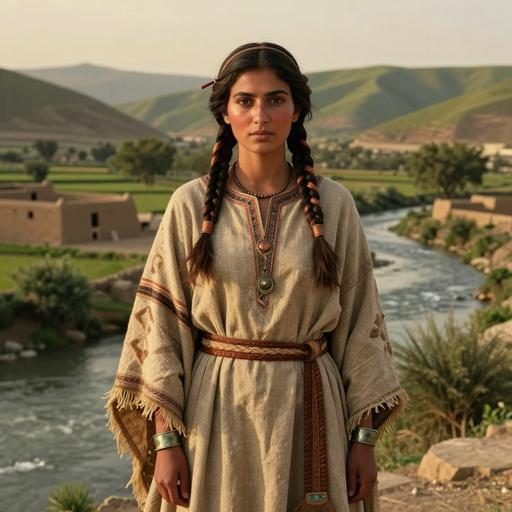
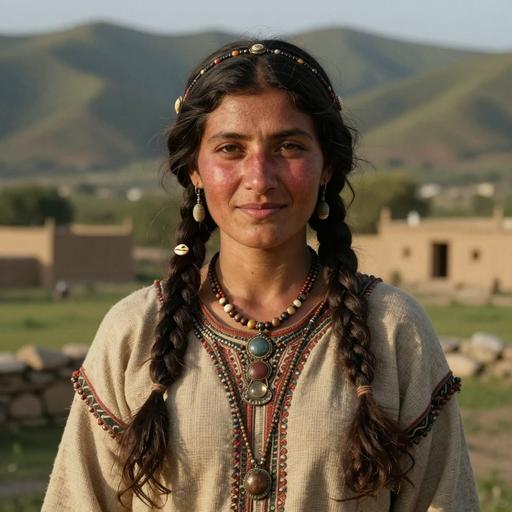
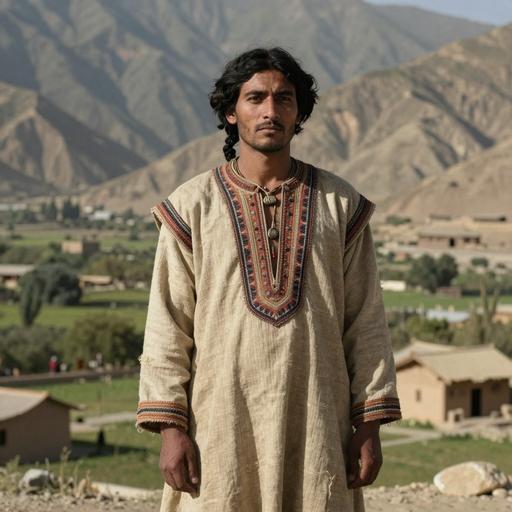
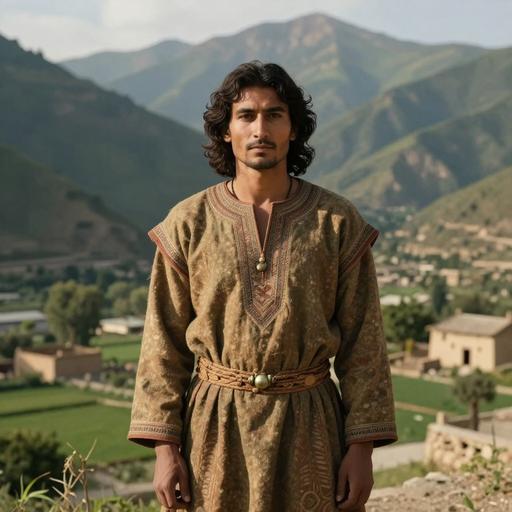
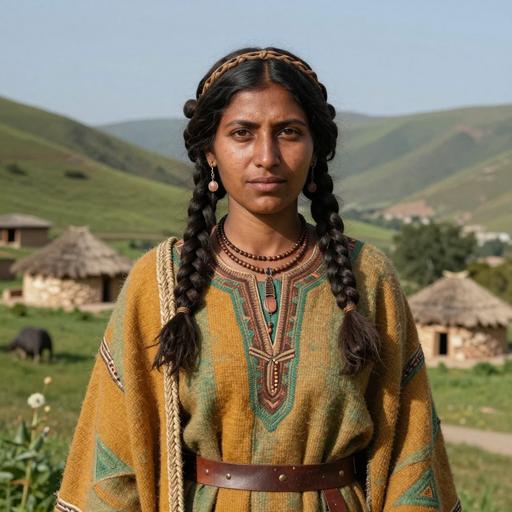
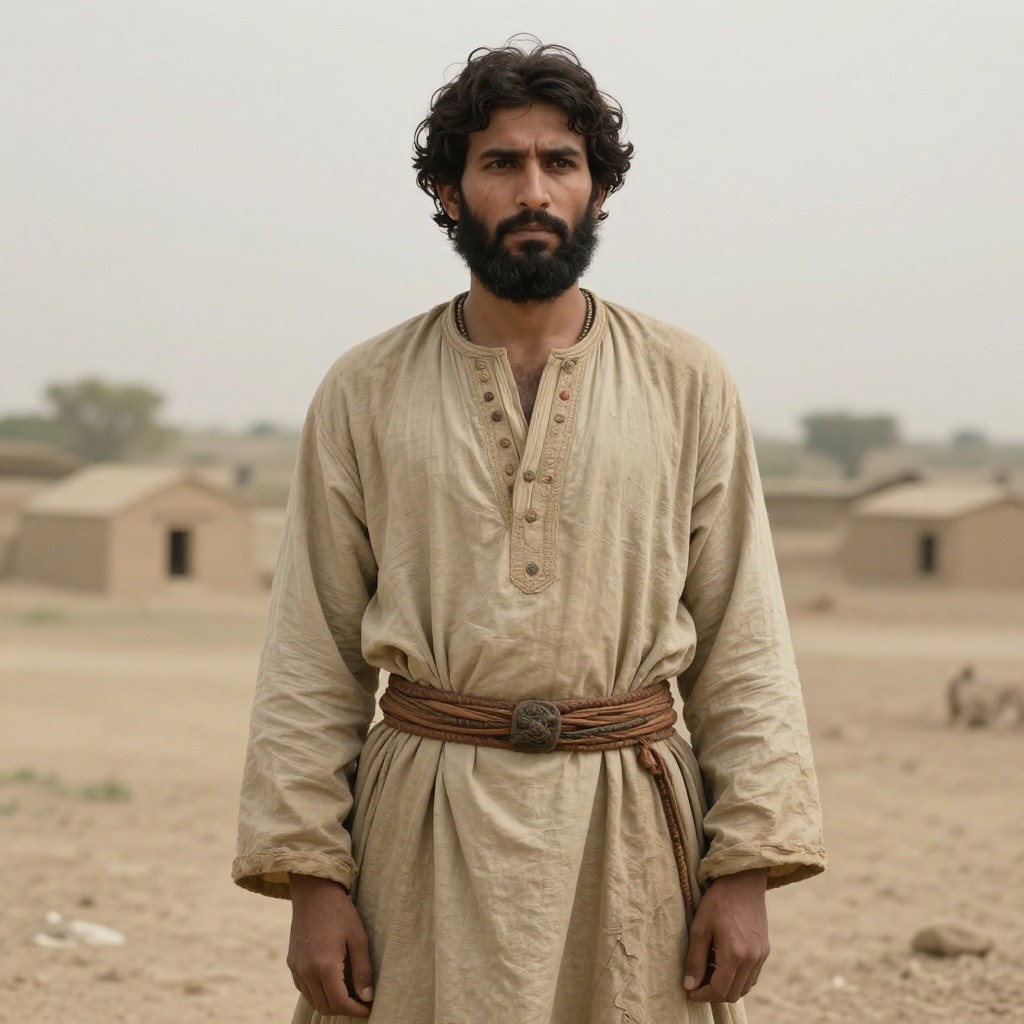
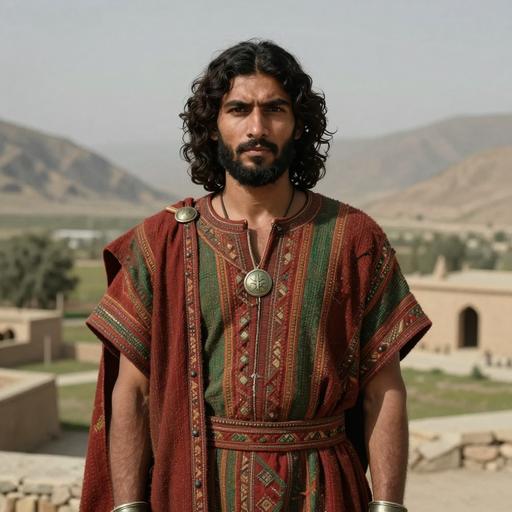
Portrait of ancient individual I6546 from Pakistan, dated 978 BCE - 831 BCE
I6546
Pakistan Barikot Iron Age Settlement in Swat Valley, Pakistan 978 BCE - 831 BCE Barikot Culture M65a-a Downstream
Portrait of ancient individual I8219 from Pakistan, dated 978 BCE - 831 BCE
I8219
Pakistan Iron Age Aligrama 978 BCE - 831 BCE Aligrama Culture M65a-a Downstream
Portrait of ancient individual I8219 from Pakistan, dated 978 BCE - 831 BCE
I8219
Pakistan Iron Age Swat Valley 978 BCE - 831 BCE M65a-a Downstream
Portrait of ancient individual I12459 from Pakistan, dated 1000 BCE - 800 BCE
I12459
Pakistan The Loebanr Iron Age Culture of Pakistan 1000 BCE - 800 BCE Loebanr Culture M65a1 Downstream
Portrait of ancient individual I12472 from Pakistan, dated 1000 BCE - 800 BCE
I12472
Pakistan Transition from Middle to Late Iron Age in Swat Valley, Pakistan 1000 BCE - 800 BCE Swat Valley Transition M65a-a Downstream
Portrait of ancient individual I12983 from Pakistan, dated 1000 BCE - 800 BCE
I12983
Pakistan The Loebanr Iron Age Culture of Pakistan 1000 BCE - 800 BCE Loebanr Culture M65a-a Downstream
Portrait of ancient individual I12983 from Pakistan, dated 1000 BCE - 800 BCE
I12983
Pakistan The SPGT Culture 1000 BCE - 800 BCE M65a-a Downstream
Portrait of ancient individual I6197 from Pakistan, dated 1200 BCE - 800 BCE
I6197
Pakistan Udegram Iron Age Fortified Settlement in Swat Valley, Pakistan 1200 BCE - 800 BCE Udegram Culture M65a Downstream
Chapter VI

Carrier Distribution Map

Geographic distribution of 8 ancient DNA samples (direct and subclade carriers of M65)

Subclade carrier
Time Period Filter
All Time Periods
Showing all samples
Chapter VII

Temporal Distribution

Distribution of carriers across archaeological periods

Chapter VIII

Geographic Distribution

Distribution by country of origin (direct and subclade carriers shown by default)

Chapter IX

Country × Era Distribution

Cross-tabulation of carrier countries and archaeological periods (direct and subclade carriers shown by default)

Data

Data & Provenance

Source information and data quality

Last Updated 2026-02-16
Confidence Score 50/100
Coverage Low
Data Source

We use the latest phylotree for MTDNA haplogroup classification and data.