Menu
mtDNA Haplogroup • Maternal Lineage

V2

mtDNA Haplogroup V2

~12,000 years ago
Western Europe
6 subclades
Scroll to explore
Chapter I

The Story

The journey of mtDNA haplogroup V2

Origins and Evolution

Haplogroup V2 is a defined subclade of mitochondrial haplogroup V, itself a western Eurasian lineage that is often associated with post-Last Glacial Maximum (LGM) recolonization events from southwestern European refugia (notably the Iberian Peninsula). As a derivative clade, V2 likely split from the main V trunk during the Late Glacial to early Holocene period (roughly around 12 kya, though confidence intervals span a few thousand years). Its phylogenetic position indicates it is part of the maternal genetic legacy of hunter-gatherer and early postglacial populations that expanded northward and eastward after the LGM.

Subclades

V2 itself contains internal branches (V2a, V2b, etc., reported in population surveys), each marked by additional private mutations on the V backbone. These sub-lineages often show localized geographic foci, which is typical of mitochondrial subclades that drift and diversify after small founder events or regional isolation. The full internal structure of V2 continues to be refined as more complete mtDNA genomes from diverse regions are sequenced.

Geographical Distribution

V2 occurs at low to moderate frequencies across western and parts of northern Europe, with detectable presence in the Caucasus and pockets in North Africa. In western Europe its presence reflects the broader distribution of haplogroup V, concentrated historically in the Iberian Peninsula and adjacent regions. V2 is also detected, at lower frequency, among northern populations such as the Saami where V lineages in general are notable. The presence of V2 in the Caucasus and North Africa likely reflects a combination of early Holocene movements, later population contacts across the Mediterranean and Near East, and long-term low-level gene flow.

Historical and Cultural Significance

Because V2 derives from a haplogroup associated with postglacial recolonization, it is often interpreted in population-genetic studies as part of the maternal signal of Mesolithic and early Holocene European populations. Unlike some haplogroups that are strongly associated with Neolithic farmer expansions, V2 is more frequently linked to autochthonous hunter-gatherer and postglacial groups, though admixture with Neolithic and later populations mixed its distribution. Archaeogenetic finds (including a small number of ancient DNA samples assigned to V and V subclades) support continuity of V-type maternal lineages in western Europe from the Late Glacial into later prehistory.

Conclusion

Haplogroup V2 is a western Eurasian mtDNA subclade that likely originated in the post-LGM period and reflects maternal lineages involved in the recolonization of northern and central Europe from southwestern refugia. It persists today at low to moderate frequencies across western Europe, with detectable occurrences in northern Europe (notably among Saami groups), the Caucasus, and parts of North Africa. Continued sequencing of complete mitochondrial genomes and more ancient DNA sampling will clarify the finer-scale branching and migration history of V2 and its sub-lineages.

Key Points

  • Origins and Evolution
  • Subclades
  • Geographical Distribution
  • Historical and Cultural Significance
  • Conclusion
Chapter II

Tree & Relationships

Phylogenetic context and subclades

Evolution Path

This haplogroup's evolutionary journey from its earliest ancestor to the present.

Steps Haplogroup Age Estimate Archaeology Era Time Passed Immediate Descendants Tested Modern Descendants Ancient Connections
1 V2 Current ~12,000 years ago 🌾 Neolithic 12,000 years 6 7 0
2 V ~14,000 years ago 🏹 Mesolithic 14,000 years 8 418 118
3 HV ~30,000 years ago 🦴 Paleolithic 30,000 years 10 7,905 228
4 R ~60,000 years ago 🦴 Paleolithic 60,000 years 12 10,987 57
5 N ~60,000 years ago 🦴 Paleolithic 60,000 years 15 15,452 13
6 L3 ~70,000 years ago 🦴 Paleolithic 70,000 years 11 17,621 6
7 L ~160,000 years ago 🦴 Paleolithic 160,000 years 7 18,987 5

Siblings (7)

Other branches from the same parent haplogroup

Chapter III

Where in the World

Geographic distribution and modern presence

Place of Origin

Western Europe

Modern Distribution

The populations where MTDNA haplogroup V2 is found include:

  1. Iberian populations (Spain and Portugal)
  2. Northern European indigenous groups (e.g., Saami of Scandinavia)
  3. Caucasus populations (Armenians, Georgians and neighboring groups)
  4. North African Berber groups
  5. Mediterranean island populations (e.g., Sardinians and other islanders)
CHAPTER IV

When in Time

Your haplogroup in the context of human history

~12k years ago

Haplogroup V2

Your mtDNA haplogroup emerged in Western Europe

Western Europe
~10k years ago

Neolithic Revolution

Agriculture begins, settled communities form

~5k years ago

Bronze Age

Metalworking, writing, and early civilizations

~3k years ago

Iron Age

Iron tools, expanded trade networks

~2k years ago

Classical Antiquity

Greek and Roman civilizations flourish

Present

Present Day

Modern era

Your Haplogroup
Historical Era
Chapter IV-B

Linked Cultures

Ancient cultures associated with mtDNA haplogroup V2

Cultural Heritage

These ancient cultures have been linked to haplogroup V2 based on matching ancient DNA samples from archaeological excavations. The presence of this haplogroup in these cultures provides insights into the migrations and population movements of populations carrying this haplogroup.

Baalberge Culture British Megalithic Cardial Culture Corded Ware French Neolithic Maros Middle Neolithic French Sardinian Neolithic Scottish Mesolithic
Culture assignments are based on archaeological context of ancient DNA samples and may represent regional associations during specific time periods.
Chapter V

Sample Catalog

2 direct carriers and 7 subclade carriers of haplogroup V2

9 / 9 samples
Portrait Sample Country Era Date Culture mtDNA Match
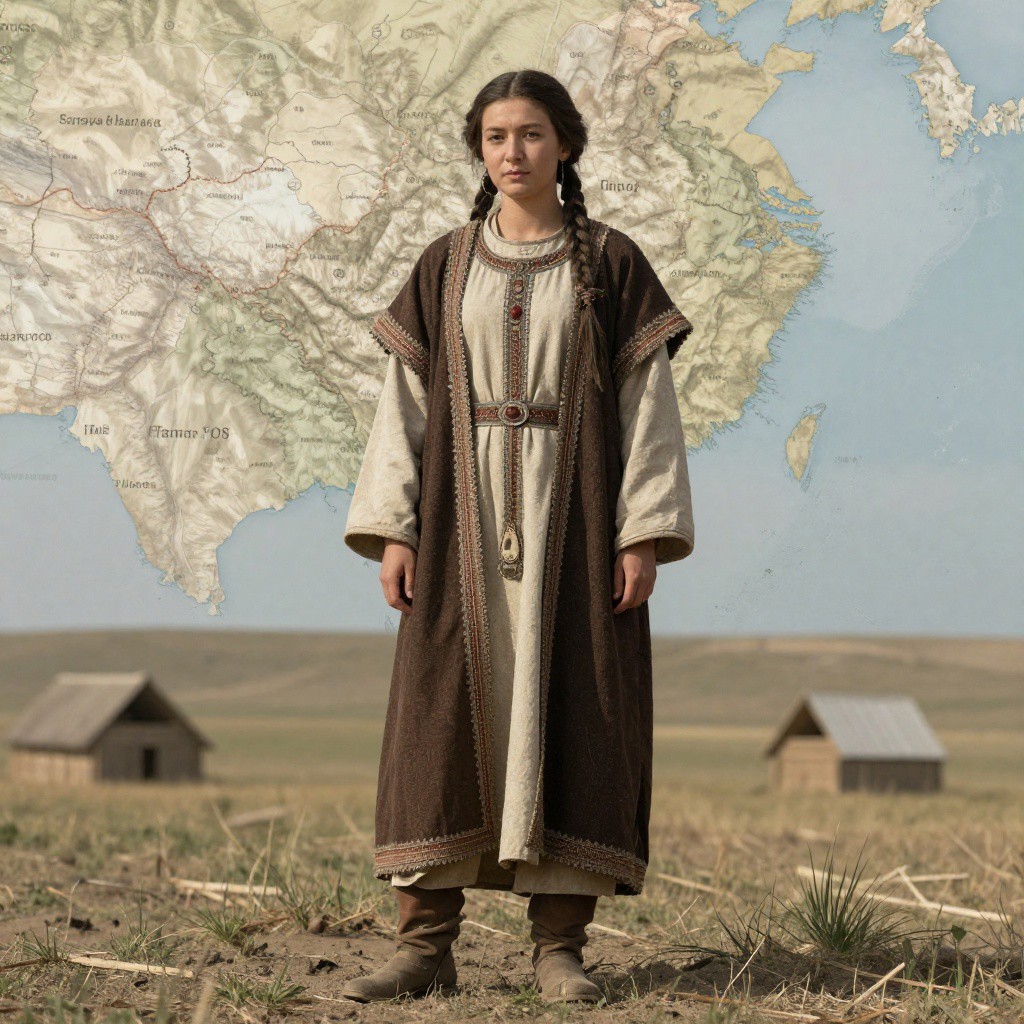
Portrait of ancient individual I17912 from Serbia, dated 2100 BCE - 1800 BCE
I17912
Serbia The Maros Culture in Serbia 2100 BCE - 1800 BCE Maros V2 Direct
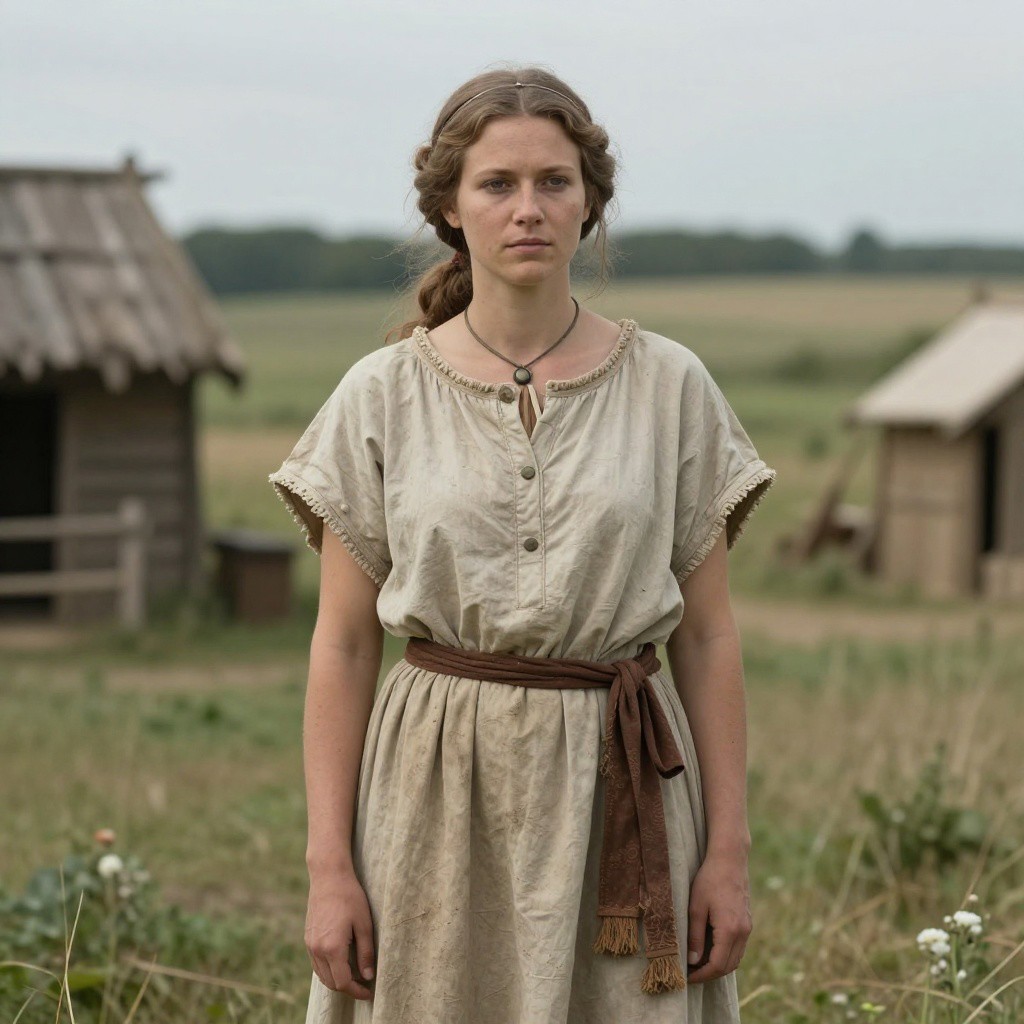
Portrait of ancient individual UNTA121_FK61 from Germany, dated 2906 BCE - 2704 BCE
UNTA121_FK61
Germany Corded Ware Culture, Lech Valley, Germany 2906 BCE - 2704 BCE Corded Ware V2 Direct
Portrait of ancient individual L7999 from Uzbekistan, dated 150 BCE - 50 CE
L7999
Uzbekistan Iron Age Rabat Culture of Surxondaryo 150 BCE - 50 CE Rabat Culture V2a Downstream
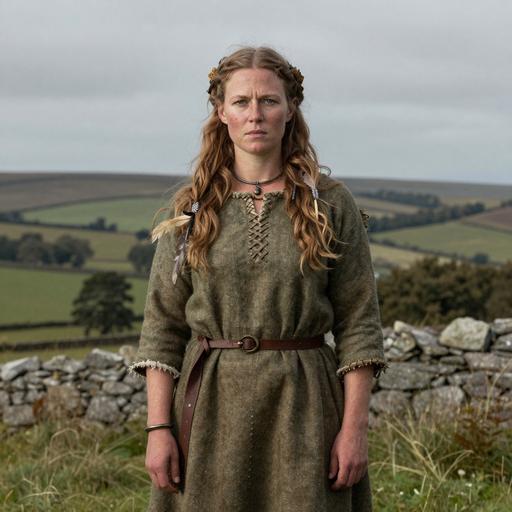
Portrait of ancient individual I20627 from United Kingdom, dated 376 BCE - 203 BCE
I20627
United Kingdom Middle Iron Age England 376 BCE - 203 BCE Middle Iron Age British V2b Downstream
Portrait of ancient individual I14108 from United Kingdom, dated 400 BCE - 50 BCE
I14108
United Kingdom East Yorkshire Iron Age 400 BCE - 50 BCE East Yorkshire V2a Downstream
Portrait of ancient individual I20623 from United Kingdom, dated 400 BCE - 150 BCE
I20623
United Kingdom Middle to Late Iron Age England 400 BCE - 150 BCE Late Iron Age British V2b Downstream
Portrait of ancient individual I20631 from United Kingdom, dated 400 BCE - 50 BCE
I20631
United Kingdom Middle to Late Iron Age England 400 BCE - 50 BCE Late Iron Age British V2b Downstream
Portrait of ancient individual I20632 from United Kingdom, dated 400 BCE - 50 BCE
I20632
United Kingdom Middle to Late Iron Age England 400 BCE - 50 BCE Late Iron Age British V2b Downstream
Portrait of ancient individual PCA0339 from Poland, dated 1000 CE - 1200 CE
PCA0339
Poland Iron Age Ostrów Lednicki Culture 1000 CE - 1200 CE Ostrów Lednicki Culture V2c Downstream
Chapter VI

Carrier Distribution Map

Geographic distribution of 9 ancient DNA samples (direct and subclade carriers of V2)

Direct carrier Subclade carrier
Time Period Filter
All Time Periods
Showing all samples
Chapter VII

Temporal Distribution

Distribution of carriers across archaeological periods

Chapter VIII

Geographic Distribution

Distribution by country of origin (direct and subclade carriers shown by default)

Chapter IX

Country × Era Distribution

Cross-tabulation of carrier countries and archaeological periods (direct and subclade carriers shown by default)

Data

Data & Provenance

Source information and data quality

Last Updated 2026-02-16
Confidence Score 50/100
Coverage Low
Data Source

We use the latest phylotree for MTDNA haplogroup classification and data.