Menu
mtDNA Haplogroup • Maternal Lineage

V3

mtDNA Haplogroup V3

~9,000 years ago
Western Europe (Iberian/Northwestern Europe)
2 subclades
Scroll to explore
Chapter I

The Story

The journey of mtDNA haplogroup V3

Origins and Evolution

mtDNA haplogroup V3 is a derived branch of the broader haplogroup V, which expanded in Europe during the Late Glacial and Early Holocene. While haplogroup V has a coalescence date commonly estimated near ~14 kya associated with postglacial re-expansion from southwestern European refugia (notably the Iberian Peninsula), V3 represents a younger, localized diversification that likely arose during the Early to Mid-Holocene (on the order of ~9 kya in this synthesis). The appearance of V3 is consistent with population processes following ice retreat: localized founder effects, small-scale migrations, and demographic expansions of hunter-gatherer and early farming groups.

Subclades

As a specific subclade beneath haplogroup V, V3 may itself contain private mutations that define regional lineages, but it is less well-sampled than major V subclades (e.g., V1, V2). Published phylogenies for haplogroup V show a handful of downstream branches; V3's internal structure is typically shallow, reflecting a relatively recent origin and limited deep diversification. Continued sampling of modern and ancient mitogenomes can reveal additional substructure within V3 and refine node ages.

Geographical Distribution

V3 is concentrated in Western and Northern Europe with occasional occurrences in adjacent regions. The highest frequencies of parent haplogroup V are in the Iberian Peninsula and parts of Western Europe; V3 appears as a localized lineage within that larger distribution and also in northern pockets such as among Saami and some Scandinavian populations. Low-frequency detections have been reported in the Caucasus and in North African Berber groups, consistent with historical gene flow across the Mediterranean and along coastal corridors.

Historical and Cultural Significance

Haplogroup V lineages more broadly are often connected with postglacial recolonization of northern and western Europe by hunter-gatherer descendants and later incorporation into Neolithic and subsequent cultural assemblages. V3, given its inferred chronology and distribution, most plausibly participated in Mesolithic population dynamics and later became a minority maternal lineage within Neolithic farmer-associated communities and later archaeological cultures. Where present among northern indigenous groups (e.g., Saami), V3 contributes to a pattern of mixed ancestry reflecting ancient northern refugia, later arrivals, and regional continuity.

Conclusion

mtDNA haplogroup V3 should be understood as a regional derivative of haplogroup V that documents part of Europe's postglacial maternal genetic landscape. It is informative for studies of Holocene migrations and local demographic events in Western and Northern Europe, and its relatively recent coalescence makes it a useful marker for finer-scale population history when coupled with archaeological and autosomal data. Ongoing ancient DNA recovery and full mitogenome sequencing are needed to map V3's internal diversity and clarify its precise prehistoric movements.

Key Points

  • Origins and Evolution
  • Subclades
  • Geographical Distribution
  • Historical and Cultural Significance
  • Conclusion
Chapter II

Tree & Relationships

Phylogenetic context and subclades

Evolution Path

This haplogroup's evolutionary journey from its earliest ancestor to the present.

Steps Haplogroup Age Estimate Archaeology Era Time Passed Immediate Descendants Tested Modern Descendants Ancient Connections
1 V3 Current ~9,000 years ago 🌾 Neolithic 9,000 years 2 15 0
2 V ~14,000 years ago 🏹 Mesolithic 14,000 years 8 418 118
3 HV ~30,000 years ago 🦴 Paleolithic 30,000 years 10 7,905 228
4 R ~60,000 years ago 🦴 Paleolithic 60,000 years 12 10,987 57
5 N ~60,000 years ago 🦴 Paleolithic 60,000 years 15 15,452 13
6 L3 ~70,000 years ago 🦴 Paleolithic 70,000 years 11 17,621 6
7 L ~160,000 years ago 🦴 Paleolithic 160,000 years 7 18,987 5

Siblings (7)

Other branches from the same parent haplogroup

Chapter III

Where in the World

Geographic distribution and modern presence

Place of Origin

Western Europe (Iberian/Northwestern Europe)

Modern Distribution

The populations where MTDNA haplogroup V3 is found include:

  1. Western European populations (especially the Iberian Peninsula)
  2. Northern European populations (notably Saami and parts of Scandinavia)
  3. Caucasus populations (sporadic occurrences)
  4. North African Berber groups (low-frequency occurrences)
  5. General European populations (scattered detections across Western and Northern Europe)
CHAPTER IV

When in Time

Your haplogroup in the context of human history

~10k years ago

Neolithic Revolution

Agriculture begins, settled communities form

~9k years ago

Haplogroup V3

Your mtDNA haplogroup emerged in Western Europe (Iberian/Northwestern Europe)

Western Europe (Iberian/Northwestern Europe)
~5k years ago

Bronze Age

Metalworking, writing, and early civilizations

~3k years ago

Iron Age

Iron tools, expanded trade networks

~2k years ago

Classical Antiquity

Greek and Roman civilizations flourish

Present

Present Day

Modern era

Your Haplogroup
Historical Era
Chapter IV-B

Linked Cultures

Ancient cultures associated with mtDNA haplogroup V3

Cultural Heritage

These ancient cultures have been linked to haplogroup V3 based on matching ancient DNA samples from archaeological excavations. The presence of this haplogroup in these cultures provides insights into the migrations and population movements of populations carrying this haplogroup.

Bell Beaker Cardial Culture Early Medieval German French Neolithic Iberian Neolithic Kilteasheen Middle Neolithic French Scottish Mesolithic
Culture assignments are based on archaeological context of ancient DNA samples and may represent regional associations during specific time periods.
Chapter V

Sample Catalog

6 direct carriers and 11 subclade carriers of haplogroup V3

17 / 17 samples
Portrait Sample Country Era Date Culture mtDNA Match
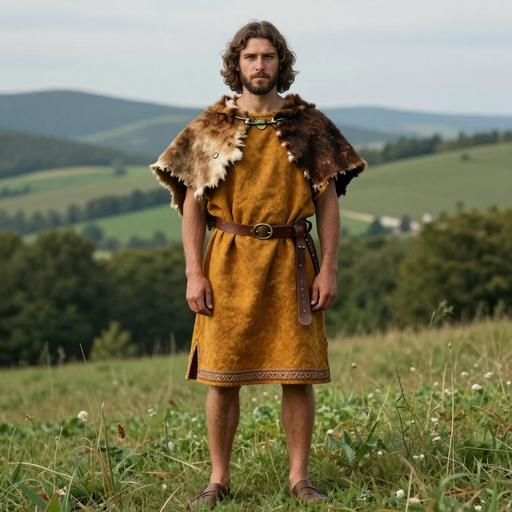
Portrait of ancient individual STR228 from Germany, dated 418 CE - 539 CE
STR228
Germany Early Medieval Germany 418 CE - 539 CE Early Medieval German V3 Direct
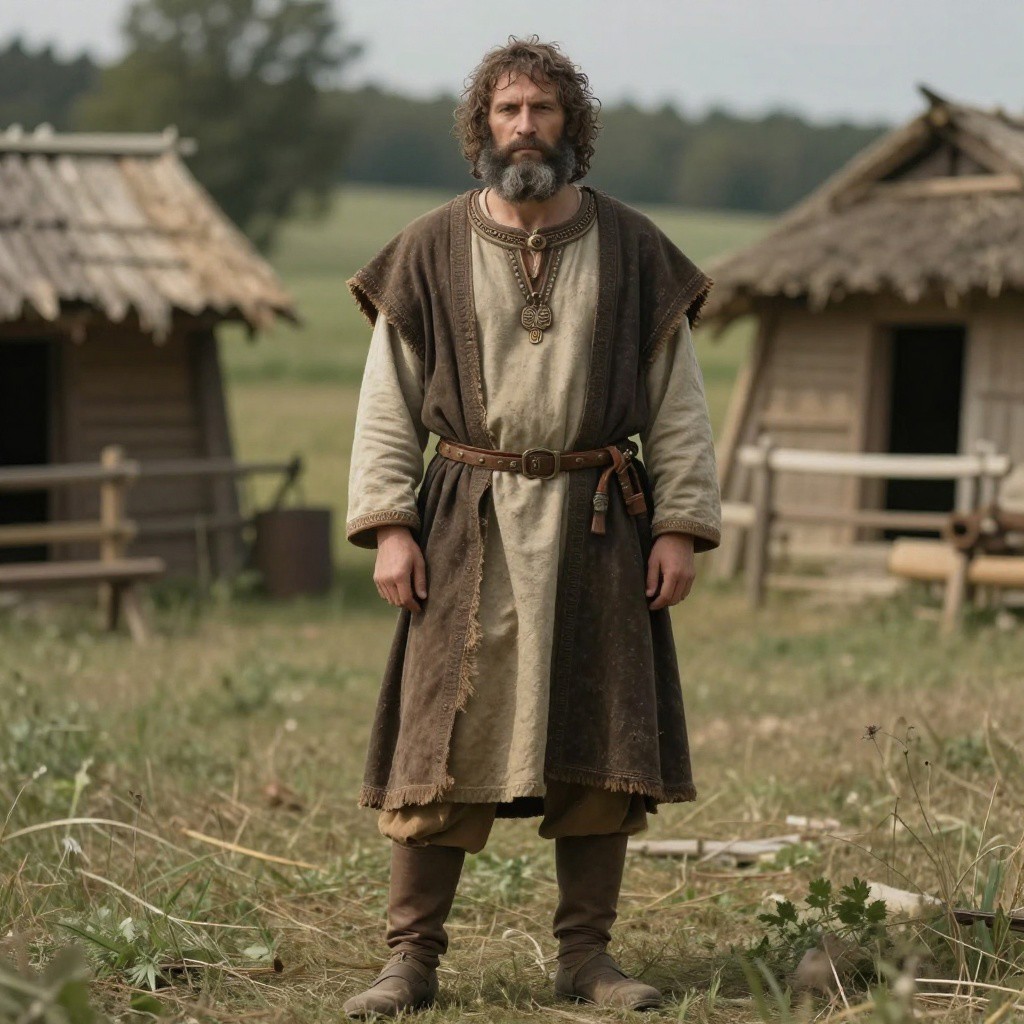
Portrait of ancient individual STR228 from Germany, dated 418 CE - 539 CE
STR228
Germany The Germanic Tribes 418 CE - 539 CE V3 Direct
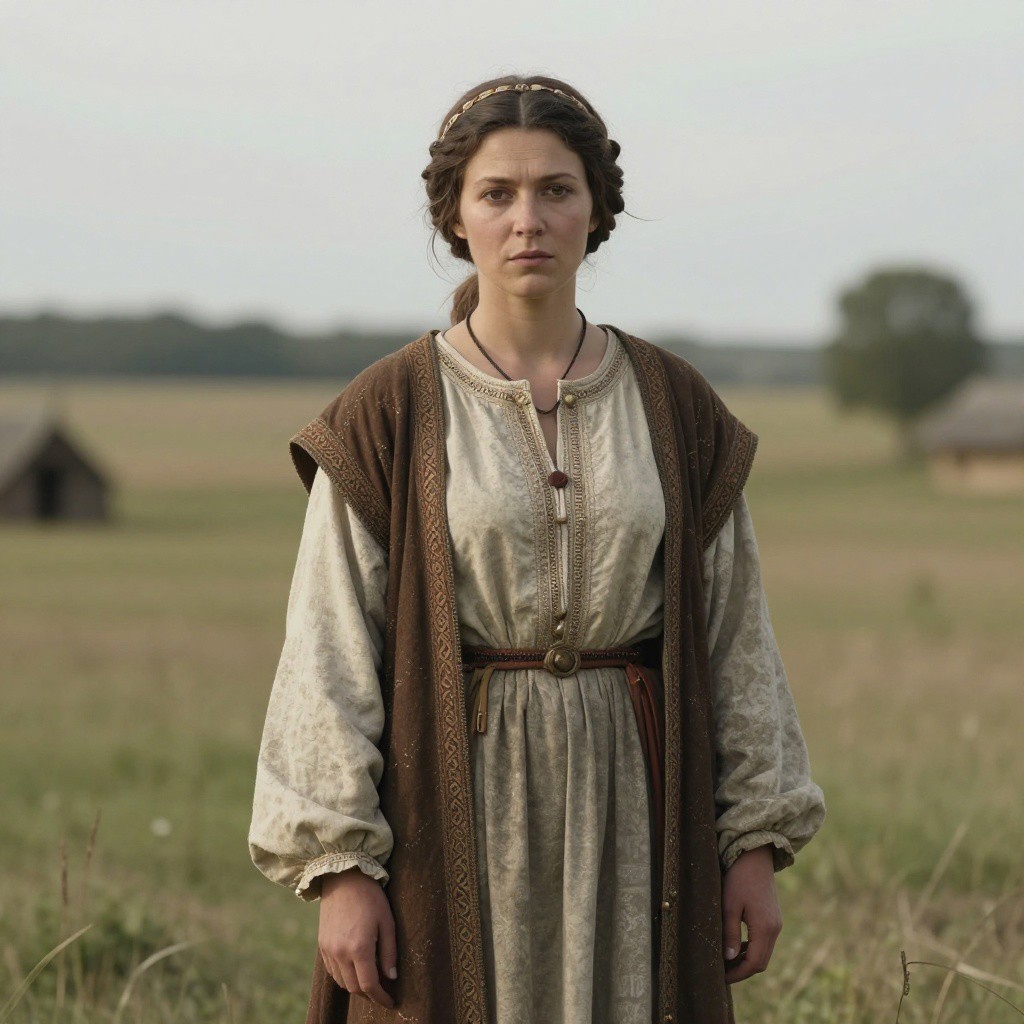
Portrait of ancient individual KIL012 from Ireland, dated 700 CE - 1300 CE
KIL012
Ireland Anglo-Saxon Early Medieval Kilteasheen, Ireland 700 CE - 1300 CE Kilteasheen V3 Direct
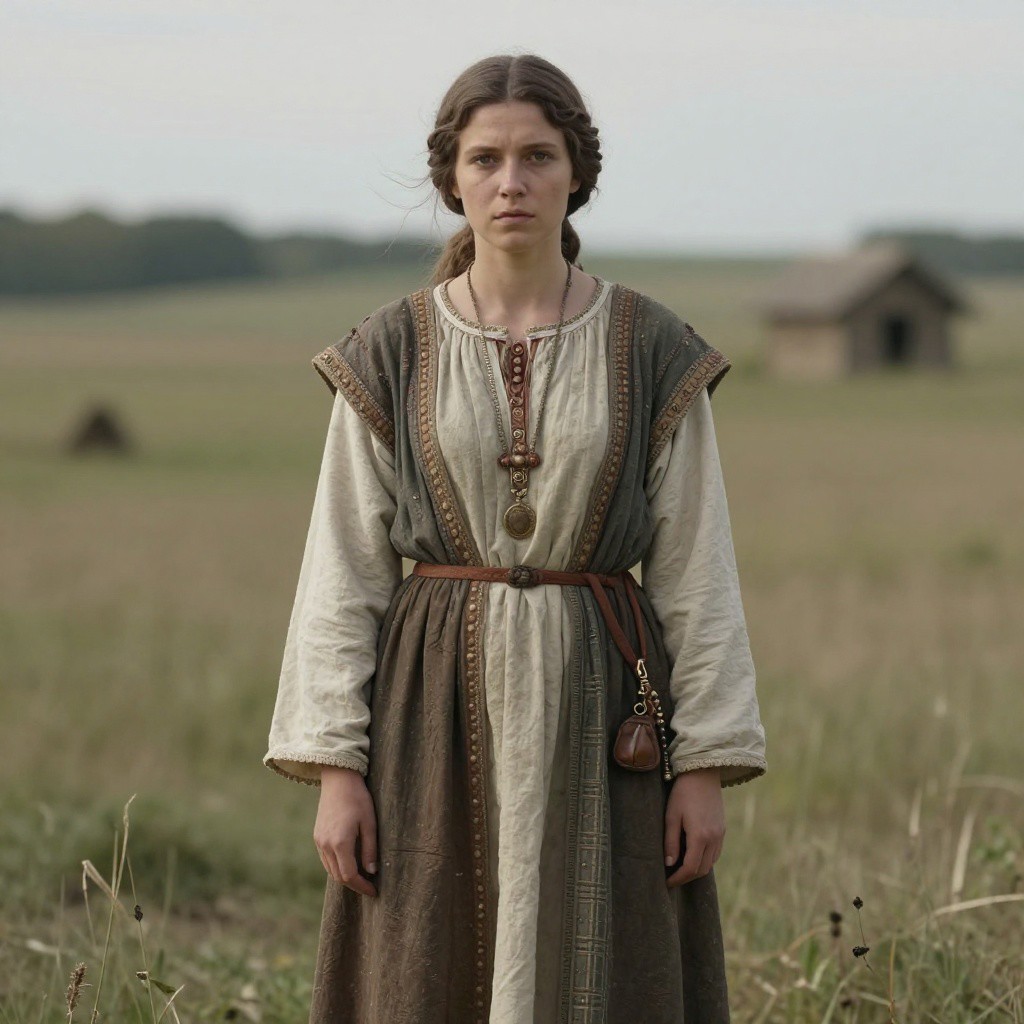
Portrait of ancient individual I2365 from Hungary, dated 2459 BCE - 2209 BCE
I2365
Hungary Early Bronze Age Bell Beaker Culture, Hungary 2459 BCE - 2209 BCE Bell Beaker V3 Direct
Portrait of ancient individual I7290 from Czech Republic, dated 2500 BCE - 2000 BCE
I7290
Czech Republic Bell Beaker Culture, Czech Republic 2500 BCE - 2000 BCE Bell Beaker V3 Direct
Portrait of ancient individual I3214 from Spain, dated 3400 BCE - 3100 BCE
I3214
Spain Middle to Late Neolithic Spain 3400 BCE - 3100 BCE Iberian Neolithic V3 Direct
Portrait of ancient individual PCA0483 from Poland, dated 100 CE - 300 CE
PCA0483
Poland Wielbark Culture 100 CE - 300 CE Wielbark V3c Downstream
Portrait of ancient individual PCA0488 from Poland, dated 100 CE - 300 CE
PCA0488
Poland Wielbark Culture 100 CE - 300 CE Wielbark V3c Downstream
Portrait of ancient individual I19916 from France, dated 400 BCE - 200 BCE
I19916
France Iron Age II Southeast France 400 BCE - 200 BCE Southern French Iron Age V3a Downstream
Portrait of ancient individual IND002 from Germany, dated 400 CE - 800 CE
IND002
Germany Saxon Early Medieval Alt Inden, Germany 400 CE - 800 CE Saxon Culture V3c Downstream
Chapter VI

Carrier Distribution Map

Geographic distribution of 17 ancient DNA samples (direct and subclade carriers of V3)

Direct carrier Subclade carrier
Time Period Filter
All Time Periods
Showing all samples
Chapter VII

Temporal Distribution

Distribution of carriers across archaeological periods

Chapter VIII

Geographic Distribution

Distribution by country of origin (direct and subclade carriers shown by default)

Chapter IX

Country × Era Distribution

Cross-tabulation of carrier countries and archaeological periods (direct and subclade carriers shown by default)

Data

Data & Provenance

Source information and data quality

Last Updated 2026-02-16
Confidence Score 50/100
Coverage Low
Data Source

We use the latest phylotree for MTDNA haplogroup classification and data.