انتقل إلى المحتوى الرئيسي
Y-DNA · سلالة أبوية

G

G (M201)

Y-DNA Haplogroup G

ملف مرجعي لفرع واحد من السلالة. لا تثبت المجموعات الفردانية المشتركة صلة عائلية ولا تحدّد الهوية الثقافية.

الملف المرجعي

خلفية الفرع

السياق التاريخي لفرع G من سلالة Y-DNA

Origins and Evolution

Haplogroup G (M201) is an early West Eurasian Y-chromosome lineage that likely arose in the Near East or Caucasus region during the Upper Paleolithic (roughly ~30 kya by current coalescent estimates). Its highest modern diversity and several deep branching sublineages are concentrated in the Caucasus and adjacent parts of western Asia, which supports an origin and long-term presence in that area. G sits downstream of early branches of haplogroup F-derived lineages and forms a distinct paternal clade that later diversified into geographically and historically important subclades.

Ancient DNA (aDNA) studies have revealed that one of G's major sublineages, G2a, became prominent among Neolithic farmers in Anatolia and Europe. This Neolithic expansion left a clear genetic signature in early farming communities across continental Europe, though many of these G2a lineages declined in frequency with later Bronze Age and Iron Age demographic events.

Subclades

The haplogroup has several well-characterized subclades with differing geographic profiles:

  • G1 — Relatively rare overall but concentrated in Iran, parts of Central Asia and some Caucasus populations. G1 shows affinities with certain Iranian plateau and Central Asian groups.
  • G2 — The dominant branch in most studies; it includes numerous downstream clades. Important subbranches include:
    • G2a (P15 and downstream) — Highly associated with Anatolian and European early farmers (Neolithic); frequently found in ancient Neolithic samples and present at low-to-moderate levels in modern Europeans (notably in Sardinia and some Mediterranean populations).
    • G2b — Less common, found sporadically in the Near East, South Asia, and some European populations.

Each subclade displays different geographic concentrations that reflect both deep Paleolithic structure and more recent Neolithic and post-Neolithic movements.

Geographical Distribution

Modern frequency patterns show highest concentrations in the Caucasus and neighbouring western Asia, with moderate frequencies across the Near East and lower but notable presence in parts of Europe. Specific features include:

  • Caucasus: Several ethnic groups (e.g., some North Caucasus populations and Georgians) carry G at relatively high frequencies and with substantial internal diversity, consistent with a long-term resident population.
  • Anatolia and Near East: G is common in Anatolia and parts of the Near East, matching its role in Neolithic expansions originating from Anatolia.
  • Europe: Present at low-to-moderate frequencies in many European populations; elevated in specific refugial or island populations (e.g., Sardinians) and detected in ancient Neolithic farmer burials across continental Europe.
  • Central/South Asia and North Africa: Low-frequency occurrences reflect historical gene flow and migrations between West Eurasia and neighboring regions.

Historical and Cultural Significance

Haplogroup G is most notable for its association with the Neolithic agricultural expansion from Anatolia into Europe. Ancient DNA demonstrates that many of the earliest European farming communities (e.g., Linearbandkeramik/LBK and Cardial cultures) carried G2a lineages, linking paternal ancestry to Anatolian farmers who dispersed farming practices and domesticates across Europe about 8–7 kya.

G's deeper history in the Caucasus and Near East suggests it was part of pre-agricultural West Eurasian populations as well; later cultural shifts (Bronze Age steppe expansions dominated by R1a/R1b, later migrations) reshaped European Y-chromosome landscapes and reduced the relative frequency of G in many regions.

Conclusion

Haplogroup G is a key lineage for understanding West Eurasian prehistory. Its deep roots in the Caucasus/Near East, and the prominent Neolithic signal carried by G2a, make it critical for reconstructing the spread of agriculture into Europe and the demographic processes that followed. While not a dominant lineage in most modern European populations, G's distribution and subclade structure preserve signals of both Upper Paleolithic settlement in western Asia and the major cultural transition represented by the Neolithic farming expansion.

أبرز النقاط

  • Origins and Evolution
  • Subclades
  • Geographical Distribution
  • Historical and Cultural Significance
  • Conclusion
الملف المرجعي

شجرة السلالة والفروع المرتبطة

موضع الفرع في شجرة السلالة وفروعه الفرعية

مسار تفرّع السلالة

تتبّع الفروع الأصلية المسجّلة وصولًا إلى G. التواريخ تقديرية وقد تتغيّر عند تحديث البيانات المرجعية.

خطوات التفرّع المجموعة الفردانية العمر التقديري الحقبة الأثرية المدة المنقضية الفروع المباشرة العينات الحديثة المختبَرة الارتباطات القديمة
1 G الفرع الحالي ~30,000 years ago Paleolithic 30,000 سنة 3 1,171 7
الملف المرجعي

أماكن وجود الفرع

التوزيع الجغرافي والوجود الحالي

الأصل المسجّل

Near East / Caucasus

التوزيع الحالي

The populations where Y-DNA haplogroup G is found include:

  1. Caucasus populations (e.g., Georgians, some North Caucasus groups)
  2. Anatolian and Near Eastern populations (Turkey, parts of the Levant)
  3. Early European farmer-descended groups and modern Southern/Western Europeans (e.g., Sardinians, some Mediterranean populations)
  4. Iranian and Central Asian groups (notably for G1)
  5. Jewish communities (occurring in some Ashkenazi and Sephardi paternal lines)

الوجود حسب المنطقة

Caucasus High
Western Asia (Near East / Caucasus) High
Western Europe Moderate
Southern Europe Moderate
Central Asia Low
South Asia Low
North Africa Low
السياق التاريخي

تاريخ الفرع

تقدير زمن نشأة الفرع ضمن تسلسل تاريخي عام. توفّر الفترات سياقًا زمنيًا دون إثبات صلة بثقافات بعينها.

  1. ~30k سنة مضت

    المجموعة الفردانية G

    تقدير نشأة فرع Y-DNA. التواريخ والمواقع تقديرات مرجعية.

    هذا الفرع
  2. ~20k سنة مضت

    ذروة العصر الجليدي الأخير

    بلغ التجلّد ذروته وانعزلت مجموعات سكانية

  3. ~10k سنة مضت

    ثورة العصر الحجري الحديث

    ظهور الزراعة وتشكّل المجتمعات المستقرّة

  4. ~5k سنة مضت

    العصر البرونزي

    صناعة المعادن والكتابة والحضارات المبكرة

  5. ~3k سنة مضت

    العصر الحديدي

    أدوات الحديد واتّساع شبكات التجارة

  6. ~2.5k سنة مضت

    العصور الكلاسيكية القديمة

    ازدهار الحضارتين اليونانية والرومانية

  7. Present

    الحاضر

    العصر الحديث

الملف المرجعي

السياق الأثري

الارتباطات الأثرية المسجّلة لفرع G من Y-DNA

الارتباطات المسجّلة

تصف هذه التسميات السياقات الأثرية المسجّلة للعينات المرجعية المرتبطة بـ G. لا يثبت الارتباط انتماء جميع حاملي الفرع إلى ثقافة بعينها أو اتّباعهم مسار هجرة محدّدًا.

Anatolian Neolithic Çayönü Culture French Neolithic Linear Pottery Culture Middle Chalcolithic Pottery Neolithic Romanian Neolithic Turkey_Catalhoyuk_EarlyC_LN Turkey_Catalhoyuk_LN Turkey_Catalhoyuk_MN Turkey_Catalhoyuk_N
يستند تصنيف الثقافات إلى السياق الأثري لعينات الحمض النووي القديم، وقد يعكس ارتباطات إقليمية خلال فترات محدّدة.
الملف المرجعي

فهرس العينات

عينات المجموعة الفردانية G: 4 مطابقة مباشرة و@downstreamCount من الفروع الفرعية

7 معروضة · 7 عينة مطابقة

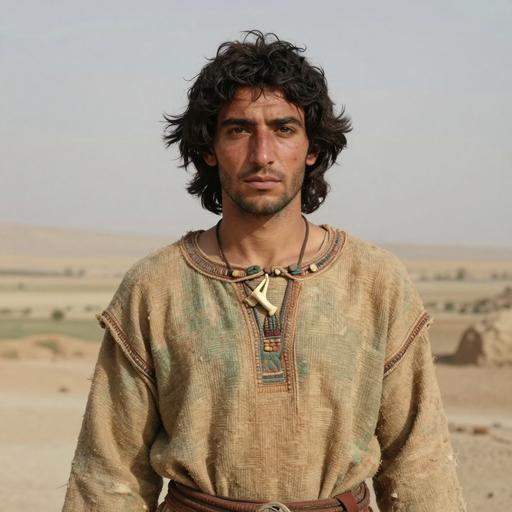
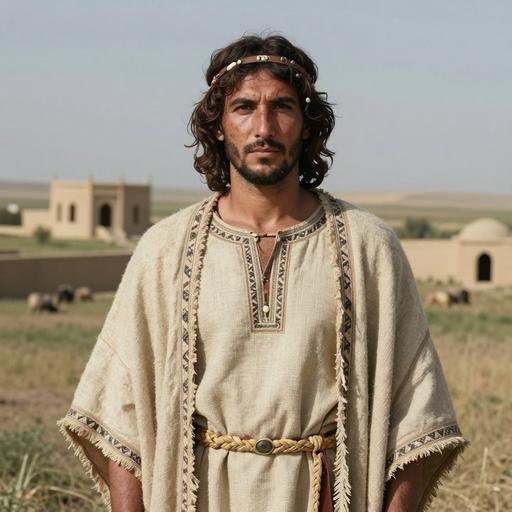
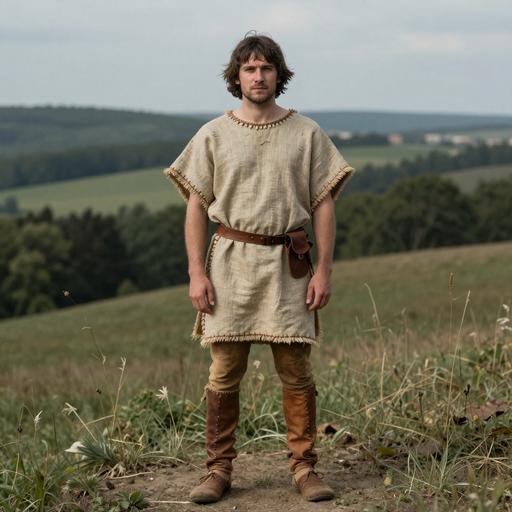
الصور الشخصية رسوم مولّدة بالذكاء الاصطناعي. تحدّد أسماء العينات ومعرّفات الإيداع السجلات المرجعية.

الصورة الشخصية العينة البلد الحقبة التاريخ الثقافة Y-DNA نوع التطابق
صورة توضيحية مولّدة بالذكاء الاصطناعي للعينة IA Wielbark individual, Kowalewko (Greater Poland Province, Oborniki), Poland (45-77 CE)
معرّف العينة: PCA0057
Poland Wielbark Culture 45-77 calCE Wielbark G تطابق مباشر
صورة توضيحية مولّدة بالذكاء الاصطناعي للعينة Yonne N individual, Gurgy Les Noisats (Bourgogne-Franche-Comté Region, Yonne Department, Auxerre arrondissement), France (5,300-3,900 BCE)
معرّف العينة: GLN270B
France France N 4800-4550 BCE French Neolithic G تطابق مباشر
صورة توضيحية مولّدة بالذكاء الاصطناعي للعينة N LBK individual, Nitra-Horné-Krškany (Nitra Region, Nitra District, Nitra), Slovakia (5,400-4,900 BCE)
معرّف العينة: I11866
Slovakia Slovakia N LBK 5400-4900 BCE Linear Pottery Culture G تطابق مباشر
صورة توضيحية مولّدة بالذكاء الاصطناعي للعينة PPN individual, Boncuklu (Diyarbakır, Ergani), Turkey (6,475-6,269 BCE)
معرّف العينة: cay011
Turkey Çayönü Pre-Pottery Neolithic Culture 6475-6269 calBCE (7562±38 BP) Çayönü Culture G تطابق مباشر
صورة توضيحية مولّدة بالذكاء الاصطناعي للعينة Alkhantepe Late C individual, Jalilabad district. Uchtepe village. Alkhantepe, Azerbaijan (3,776-3,651 BCE)
معرّف العينة: ALX002
Azerbaijan Late Chalcolithic Azerbaijan 3776-3651 calBCE (4950±23 BP, MAMS-40330) Late Chalcolithic Azerbaijani G1 فرع فرعي
صورة توضيحية مولّدة بالذكاء الاصطناعي للعينة Halberstadt Sonntagsfeld EN individual, Saxony-Anhalt. Halberstadt, Germany (5,250-4,800 BCE)
معرّف العينة: HBS005
Germany Early Neolithic Linear Pottery Culture, Germany 5250-4800 BCE Linear Pottery Culture G2 فرع فرعي
صورة توضيحية مولّدة بالذكاء الاصطناعي للعينة EMN individual, Lepenski Vir, Serbia (6,223-6,064 BCE)
معرّف العينة: LEPE52
Serbia Early to Middle Neolithic Lepenski Vir, Serbia 6223-6064 calBCE (7265±30 BP, [FRE:6983±47 BP], BA-10652) Lepenski Vir Culture G2 فرع فرعي
أبوية · الحمض النووي القديم

خريطة الأدلة القديمة للسلالة

تتبّع الفروع الأصلية المؤدية إلى هذا الفرع واستكشف مواقع العثور على العينات القديمة المرتبطة به.

جارٍ تحميل السجلات القديمة…

تشير العلامات إلى مواقع الاكتشافات الأثرية. يشير الخط المتقطّع إلى انتقال جغرافي محتمل بين فرعين متتاليين تدعمه عدة سجلات مؤرّخة. لا يحدّد مسارًا دقيقًا أو مكان نشأة ولا يثبت انحدارًا مباشرًا. قد تنتمي عينات الفروع الأصلية إلى فروع متفرّعة أخرى. تبقى الفجوات حيث لا تكفي الأدلة. تختلف تواريخ العينات عن تواريخ نشأة المجموعات الفردانية.

الملف المرجعي

خريطة توزيع العينات

التوزيع الجغرافي لعينات الحمض النووي القديم المطابقة مباشرةً للمجموعة G أو لفروعها الفرعية. عدد العينات: 7

عينة مطابقة مباشرةً عينة من فرع فرعي
التصفية حسب الفترة
جميع الفترات
تُعرض جميع العينات
الملف المرجعي

التوزيع الزمني

توزيع العينات عبر الفترات الأثرية

الملف المرجعي

التوزيع الجغرافي

عدد العينات حسب بلدها المسجّل. تعكس الأعداد العينات المرجعية المتاحة دون قياس تواتر المجموعات الفردانية بين السكان.

الملف المرجعي

توزيع العينات حسب البلد والحقبة

قارن أعداد العينات المسجّلة حسب البلدان والفترات الأثرية. اختر خلية تحتوي على نتائج للاطّلاع على إحدى العينات.

البيانات

البيانات ومصادرها

معلومات المصادر وجودة البيانات

آخر تحديث 2026-06-16

مصدر البيانات

يعكس التصنيف والتواريخ التقديرية والسياق الجغرافي البيانات المرجعية المسجّلة، وقد تتغيّر مع مراجعة الأدلة. تختلف تغطية العينات، ولا تثبت المواقع المسجّلة والارتباطات الأثرية الأصول الشخصية أو الهوية الثقافية.