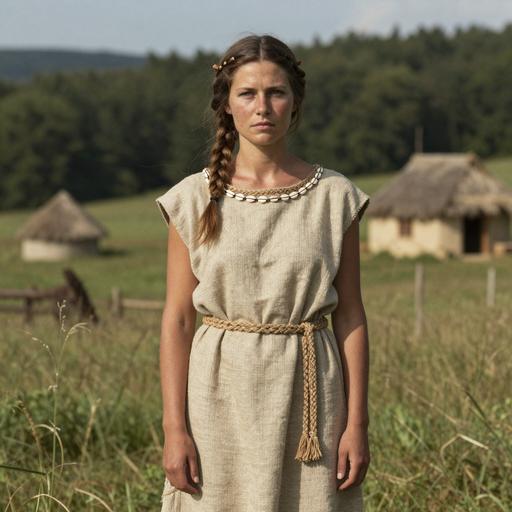
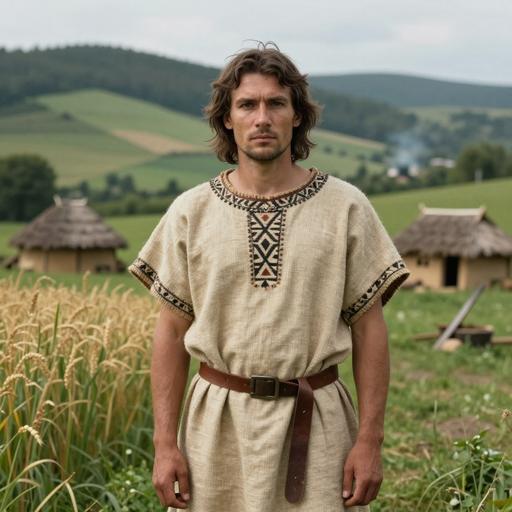
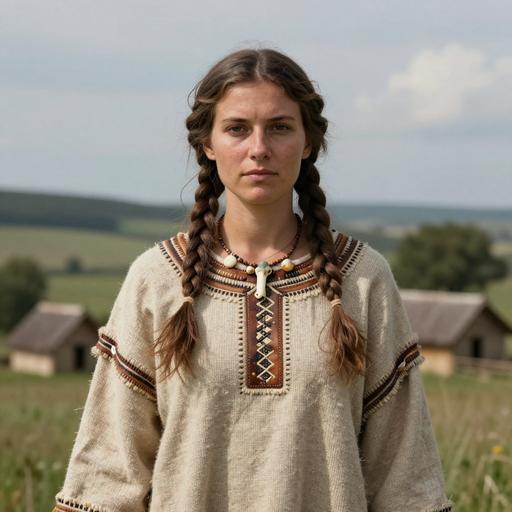
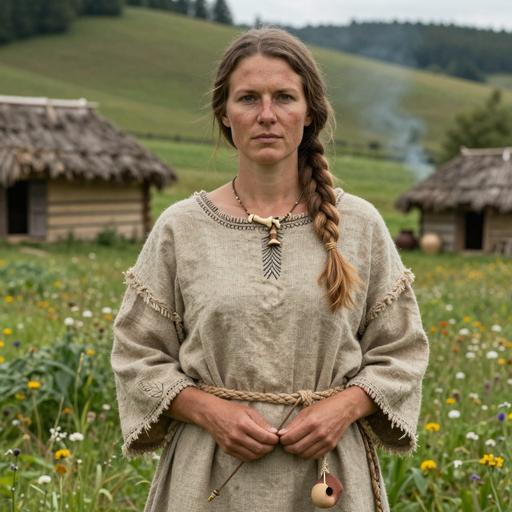
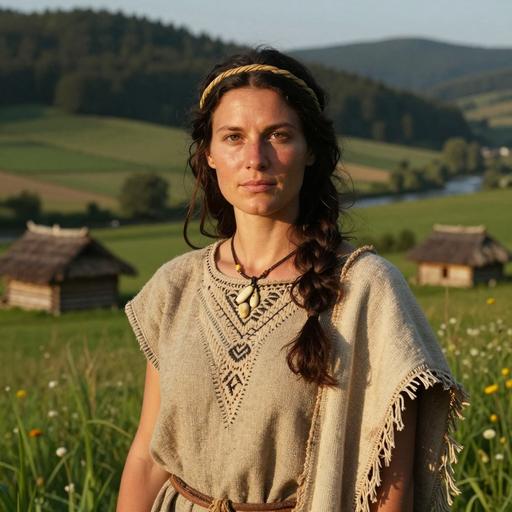
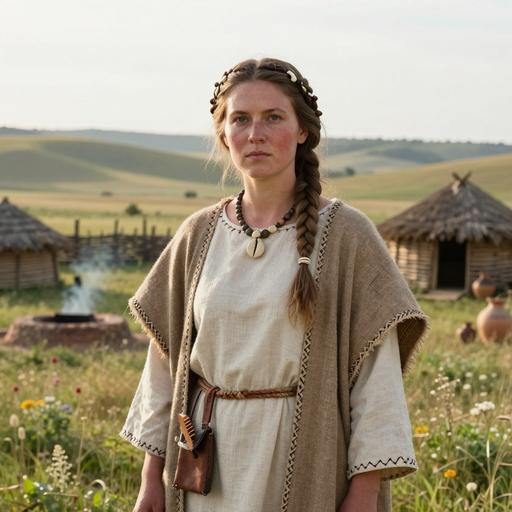
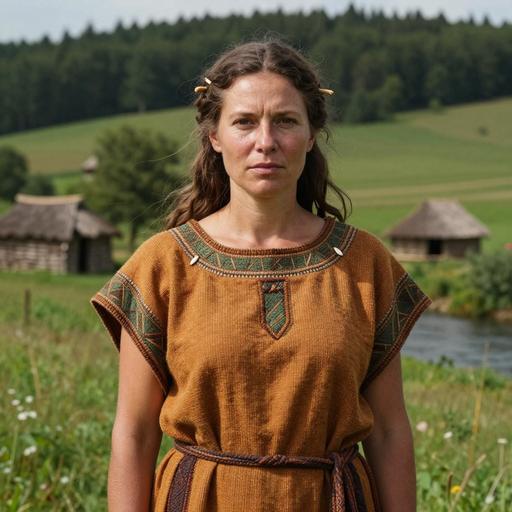
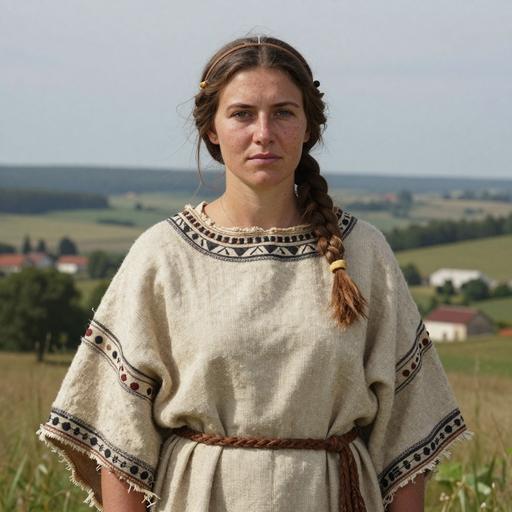
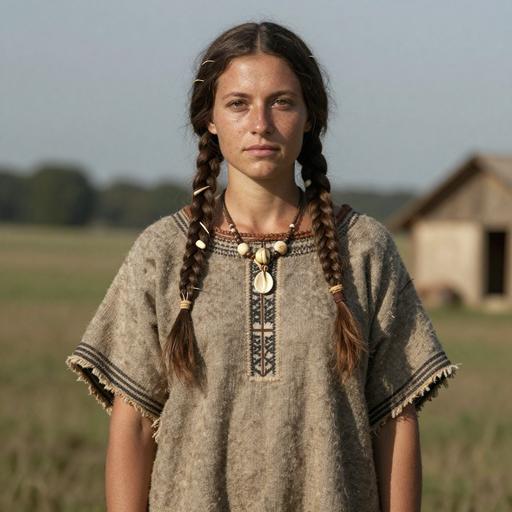
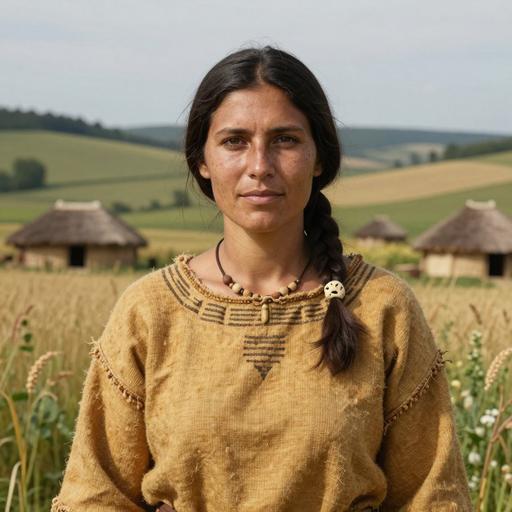
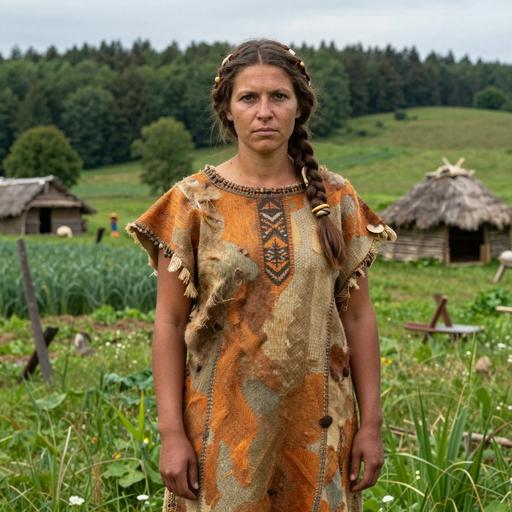
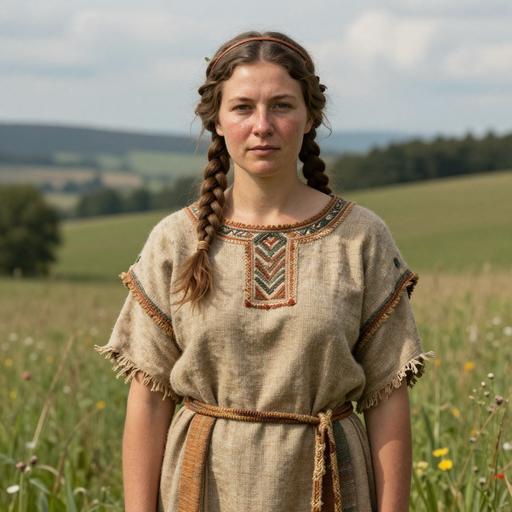
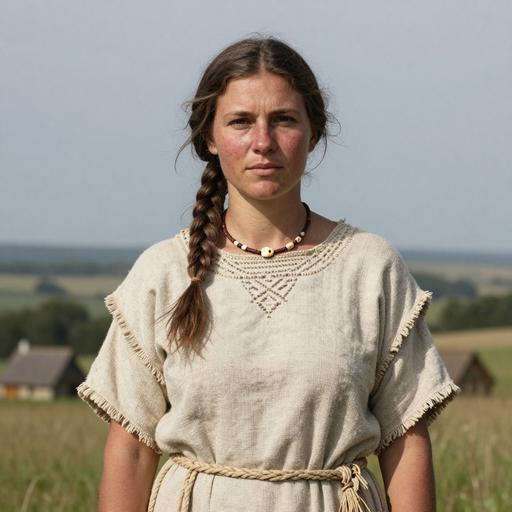
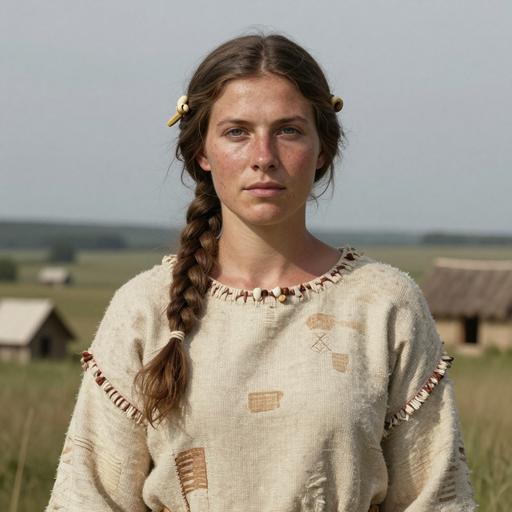
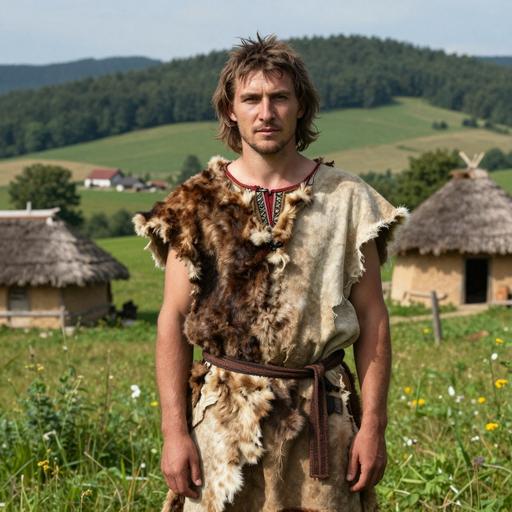
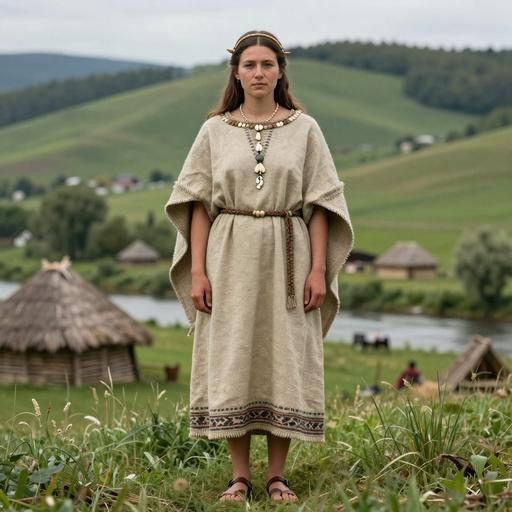
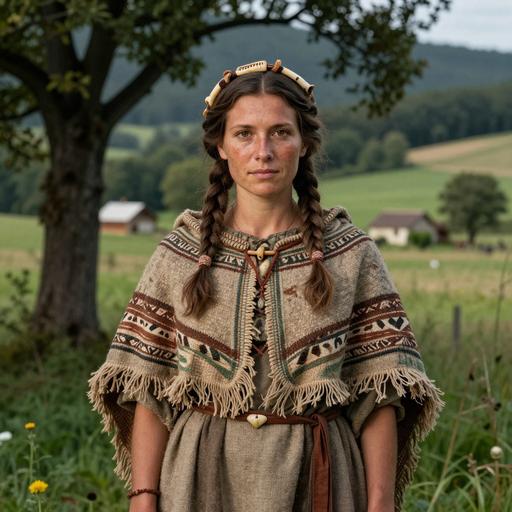
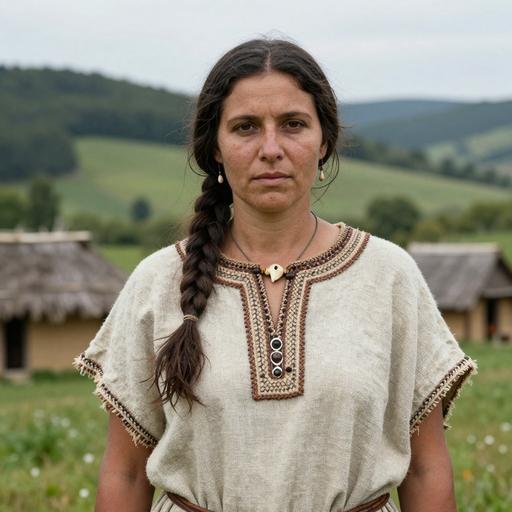
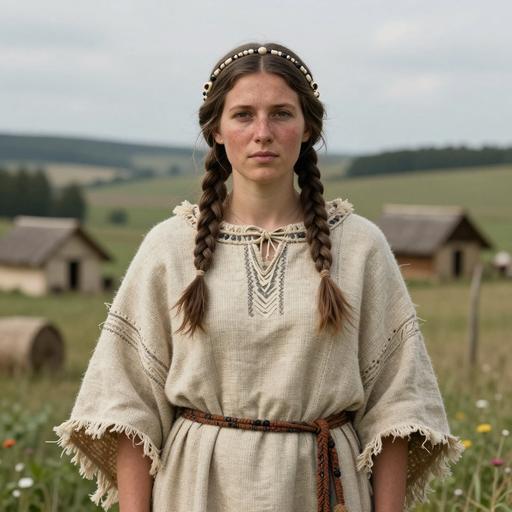
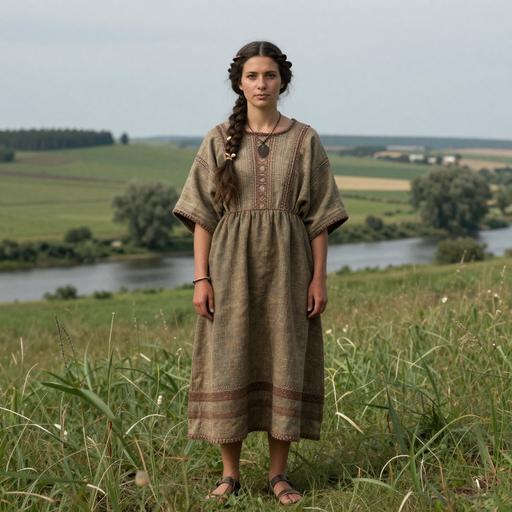
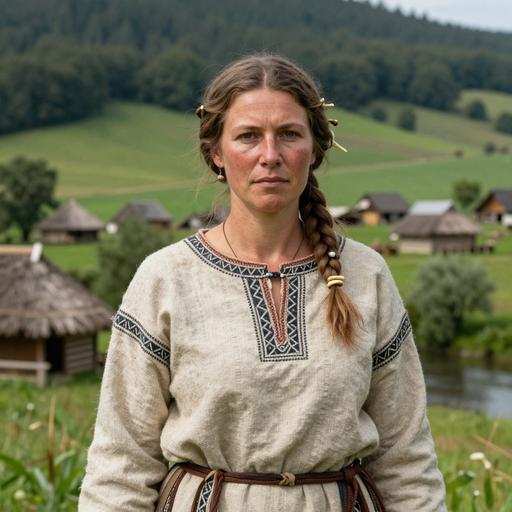
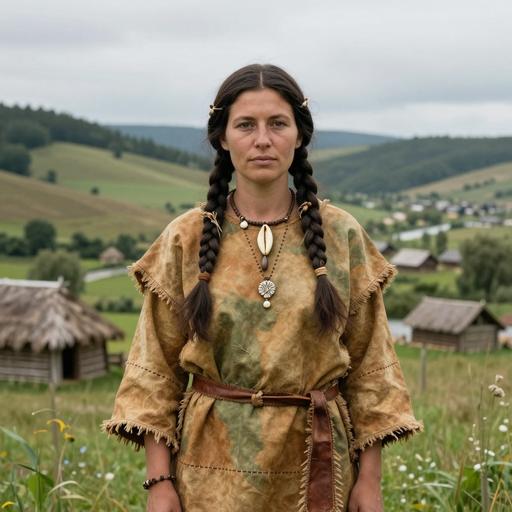
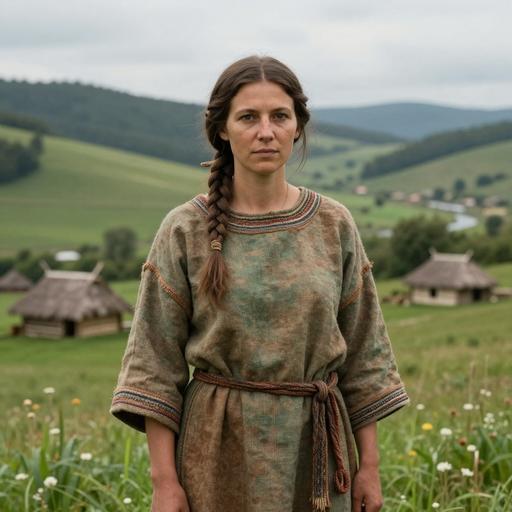
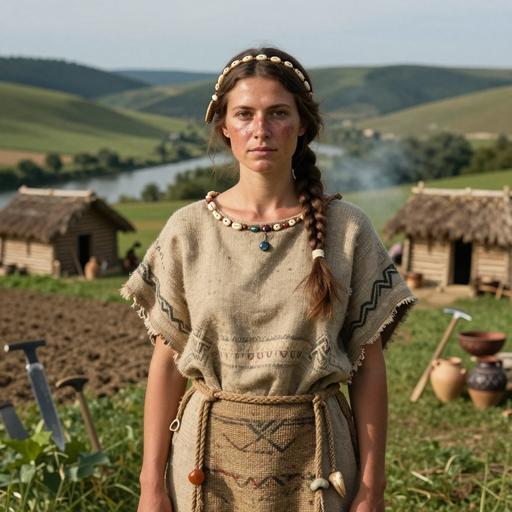
Archaeological and ancient-DNA evidence from 65 individuals links early Neolithic communities in Slovakia, Hungary and Italy to Anatolian-derived farmers. Excavations at Nitra, Szentpéterszeg, Apc and Mora Cavorso reveal longhouses, pottery and changing ancestry over centuries.
الخريطة التفاعلية غير متاحة. يمكنك الاطلاع على المواقع المسجّلة في كتالوج العينات.
الخط الزمني
5800 BCE
Arrival of farming traditions in the Carpathian Basin
Linear Pottery-associated communities establish settlements in river valleys, initiating permanent agriculture and longhouse construction.
5500 BCE
Settlement activity at Nitra and Hatvan regions
Archaeological deposits at Nitra-Horné-Krškany and Apc-Berekalya show domestic structures, pottery and agricultural remains.
5000 BCE
Expansion and regionalization
Distinct local expressions of LBK-style material culture form across Slovakia, Hungary and into parts of Italy.
Origins & Emergence
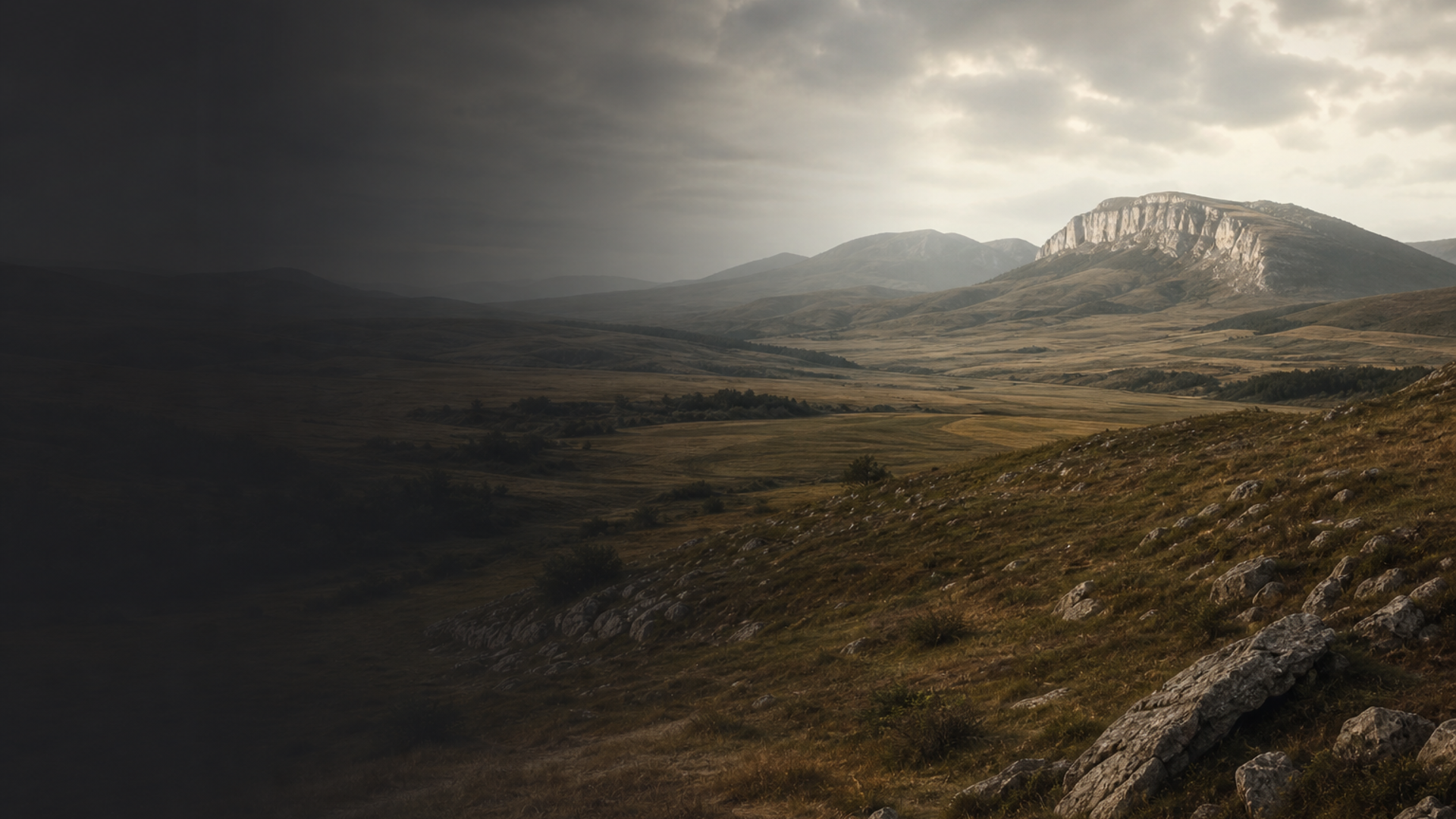
A warm, loamy dawn spread across river valleys and karst plateaus as people carrying the Neolithic farming package moved into the northern Carpathian Basin. Archaeological data indicates that between c. 5800 and 4786 BCE communities associated with the Linear Pottery tradition (LBK) and related local groups established permanent settlements. Key sites in this dataset include Nitra-Horné-Krškany, Jelsovce and Nitra-Mlynárce in present-day Slovakia; Szentpéterszeg-Körtvélyes-2, Tiszaszőlős-Domaháza and Apc-Berekalya in Hungary; and the cave and settlement complex of Mora Cavorso in Lazio, Italy.
Material culture—long rectangular houses, grooved and banded pottery, and domesticated cereals and livestock—points to a south-to-north and coastal-to-inland dispersal of farming traditions originating in Anatolia and the Balkans. Genetic data from 65 individuals in this assemblage strengthen that picture: genomes are dominated by the ancestry profile typical of early Near Eastern farmers. Limited evidence suggests local interaction with resident Mesolithic groups as farmers moved into forest-steppe margins, producing regional expressions such as the Neolithic Želiezovce Culture and the Northern Hungarian Late Alföld LBK.
Archaeology and DNA together portray a multi-century process of migration, adaptation and local innovation rather than a single instantaneous replacement. Some regional details remain uncertain, and site-level samples are uneven, so interpretations—especially about exact migration routes—are cautious.
Migration of farming traditions into the Carpathian Basin c. 5800 BCE
Key sites: Nitra-Horné-Krškany, Szentpéterszeg, Mora Cavorso
Material traces: longhouses, LBK pottery, domesticated cereals and animals
Daily Life & Society
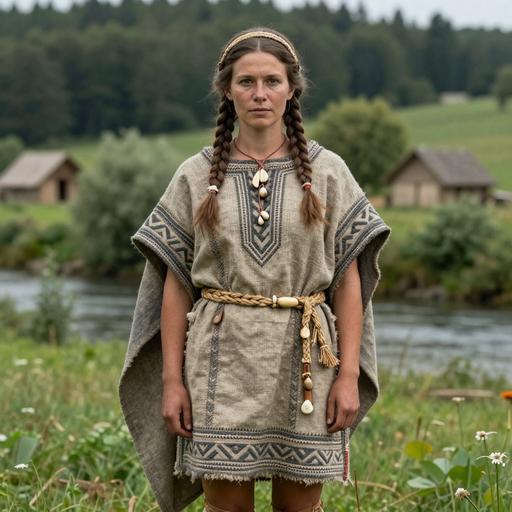
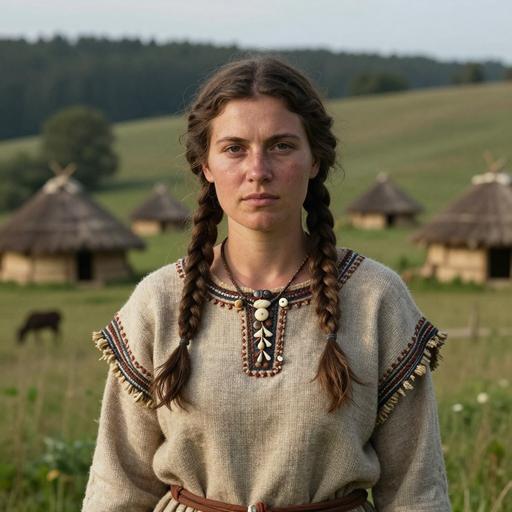
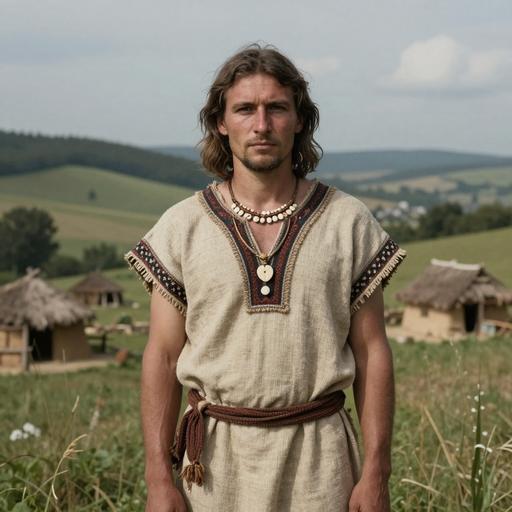
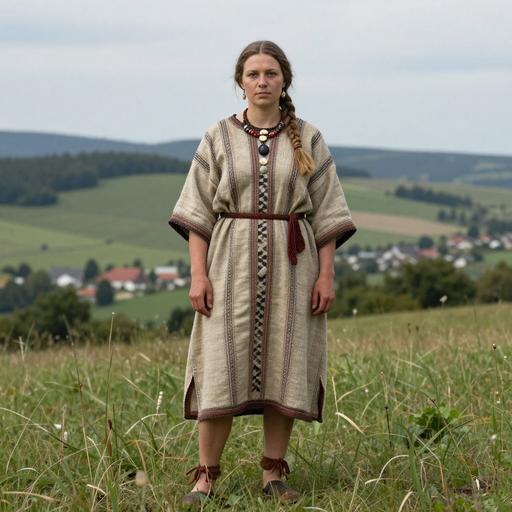
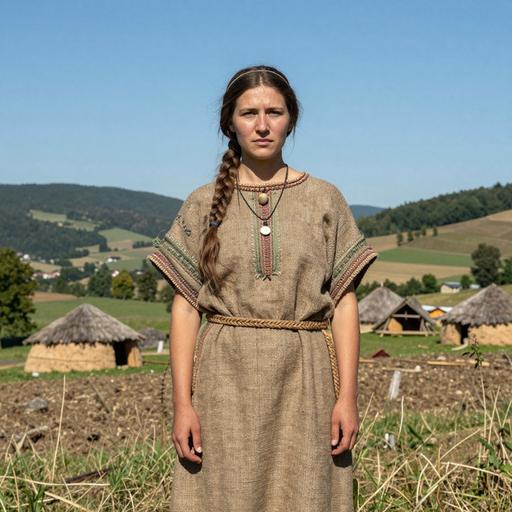
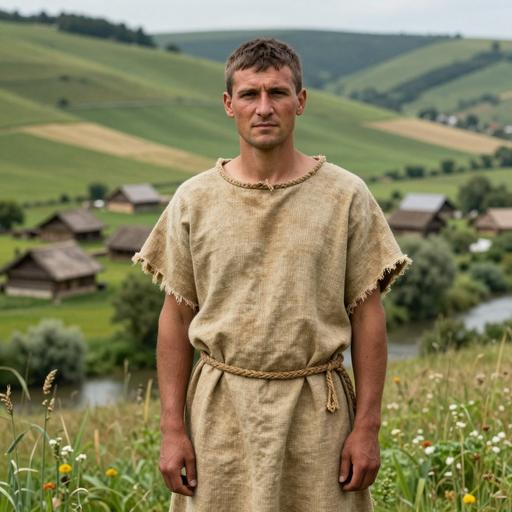
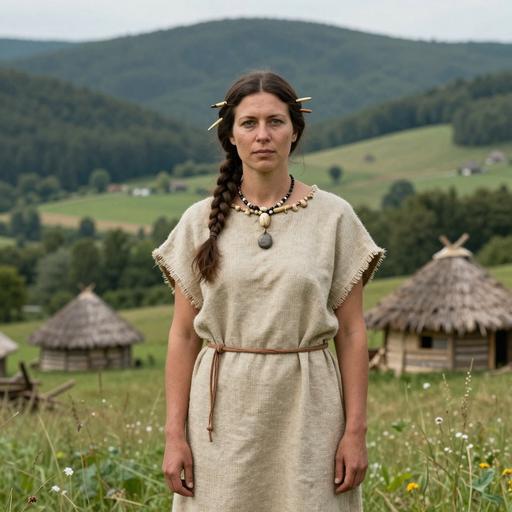
Life for Early European Farmers unfolded around fields, hearths and communal timber longhouses. Archaeological excavations at Nitra and Hatvan-region sites (Apc-Berekalya) reveal foundations interpreted as large, multi-room dwellings; enclosures and pits contain charred cereals, grinding stones and animal bones that testify to mixed farming economies—wheat, barley, pulses, cattle, sheep and pigs.
Pottery styles with linear decoration and cord impressions helped identify exchange networks and craft traditions across the Carpathian Basin. Burial practices vary: simple inhumations near settlements appear alongside secondary deposits in caves such as Mora Cavorso, which also preserves ritual and funerary traces. Lithic and bone toolkits show a blend of polished axes for forest clearance and microlithic tools retained from forager traditions.
Archaeological data indicates relatively low demographic density but sustained land use. Craft specialization may have been limited, and social hierarchy appears muted compared with later Bronze Age polities, though differential grave goods at a few sites hint at emerging status distinctions. Environmental records from river valleys suggest early settlers managed wetlands and loess soils, transforming local ecosystems over generations.
Seasonal rhythms, community cooperation in building and harvesting, and exchange of pottery and raw materials knitted these settlements into broader Neolithic landscapes spanning Slovakia, Hungary and into Italy.
The genetic portrait of Early_European_Farming in this dataset (65 individuals) is characteristic of early Anatolian-derived farmers who expanded into Europe. Maternal lineages are dominated by haplogroups commonly associated with Neolithic farmers—mtDNA K (17), T (9), N (7), J (5), and H (4)—a distribution that aligns with continental early-farming ancestry observed elsewhere.
Paternal markers in this collection show a predominance of haplogroup G (23), with much smaller counts of C (2) and I (1). In broader ancient-DNA research, G—often represented by G2a subclades—has been a hallmark of early farmer male lineages, so the high G count here supports an origin linked to Near Eastern/Anatolian male ancestry. The minority presence of haplogroups C and I suggests some paternal admixture with local hunter-gatherer males or incoming groups from different corridors, but the low counts caution against overinterpretation.
Genome-wide ancestry estimates are consistent with a strong Anatolian Neolithic signal across these sites, with variable but generally low levels of European hunter-gatherer ancestry. Temporal and geographic structure is detectable: some later or more peripheral samples show modest increases in local hunter-gatherer ancestry, consistent with archaeological indications of interaction. Because several individual sites in this series contain small sample sizes (often <10), site-specific genetic narratives remain preliminary even though the combined dataset allows robust regional inferences.
Overall, the DNA evidence complements material culture: migration of farmer ancestries into the Carpathian Basin, subsequent local admixture, and the formation of regionally distinct Neolithic communities.
High frequency of Y-DNA G and mtDNA K/T/J supports farmer origin
Legacy & Modern Connections
The cultural and genetic imprint of these early farmers resonated through millennia. The farming lifeway—domesticated crops and animals, permanent houses and pottery traditions—laid foundations for later Central European cultures such as the Želiezovce and Late Alföld LBK groups. Elements of LBK architecture and ceramics echo in regional traditions documented across Slovakia and Hungary.
Genetically, the Anatolian-derived ancestry carried by Early European Farmers contributed substantially to the ancestry of many present-day Europeans. Maternal haplogroups common in this dataset (K, T, J) persist at measurable frequencies in modern populations. Some isolated or long-settled communities in parts of Italy and the western Mediterranean retain higher proportions of early-farmer ancestry in comparative studies, but subsequent millennia of migrations and admixture have reshaped the continent’s genetic landscape.
Continued sampling—especially where site-level counts are small—will refine how these early communities interacted with local foragers and later migrants. Archaeology and ancient DNA together provide a cinematic, layered story: pioneers who planted fields and built houses, leaving traces in both soil and genome that researchers continue to unravel.
Early farmers shaped later Neolithic traditions across Central Europe
Maternal haplogroups (K/T/J) persist in modern European gene pools
كتالوج العينات
10 / 55 عينة
لا توجد عينات تطابق بحثك.
الصورة
العينة
البلد
الحقبة
التاريخ
الثقافة
الجنس
Y-DNA
mtDNA
Slovakia
Slovakia_N_LBK
5250-4800 BCE
Early European Farming
F
-
H
Slovakia
Slovakia_N_LBK
5205-4847 calBCE (6075±35 BP, PSUAMS-15084)
Early European Farming
F
-
N1a1a
Slovakia
Slovakia_N_LBK
5250-4800 BCE
Early European Farming
M
G-Z42565
H5
Slovakia
Slovakia_N_LBK
5250-4800 BCE
Early European Farming
M
G-P15
N1a1a1a
Slovakia
Slovakia_N_LBK
5250-4800 BCE
Early European Farming
F
-
K2b1
Slovakia
Slovakia_N_LBK
5400-4900 BCE
Early European Farming
M
G
K1a1b
Slovakia
Slovakia_N_LBK
5400-4900 BCE
Early European Farming
M
G-PF3148
U2+152
Slovakia
Slovakia_N_LBK
5400-4900 BCE
Early European Farming
F
-
V1
Slovakia
Slovakia_N_LBK
5400-4900 BCE
Early European Farming
M
G-PF3147
T2b23
Slovakia
Slovakia_N_LBK
5400-4900 BCE
Early European Farming
M
I-P37
T2b23
Slovakia
Slovakia_N_LBK
5400-4900 BCE
Early European Farming
F
-
H5
Slovakia
Slovakia_N_LBK
5400-4900 BCE
Early European Farming
M
G-Z42565
J1c5
Slovakia
Slovakia_N_LBK
5400-4900 BCE
Early European Farming
M
G-Z42565
N1a1a1a
Slovakia
Slovakia_N_LBK
5400-4900 BCE
Early European Farming
M
G-Z42571
K1a
Slovakia
Slovakia_N_LBK
5400-4900 BCE
Early European Farming
F
-
H
Slovakia
Slovakia_N_LBK
5400-4900 BCE
Early European Farming
F
-
K1b1b1
Slovakia
Slovakia_N_LBK
5400-4900 BCE
Early European Farming
M
G-Z42565
J1c5
Slovakia
Slovakia_N_LBK
5400-4900 BCE
Early European Farming
F
-
T2b23
Slovakia
Slovakia_N_LBK
5400-4900 BCE
Early European Farming
F
-
K1a1
Slovakia
Slovakia_N_LBK
5400-4900 BCE
Early European Farming
F
-
K1b1b1
Slovakia
Slovakia_N_LBK
5400-4900 BCE
Early European Farming
M
G-Z724
K1a1
Slovakia
Slovakia_N_LBK
5400-4900 BCE
Early European Farming
F
-
T2c1d1
Slovakia
Slovakia_N_LBK
5400-4900 BCE
Early European Farming
F
-
J1c2
Slovakia
Slovakia_N_LBK
5400-4900 BCE
Early European Farming
F
-
W5
Slovakia
Slovakia_N_LBK
5400-4900 BCE
Early European Farming
F
-
J2b1
Slovakia
Slovakia_N_LBK
5400-4900 BCE
Early European Farming
F
-
W5
Slovakia
Slovakia_N_LBK
5400-4900 BCE
Early European Farming
M
G-Z42571
K1a1
Slovakia
Slovakia_N_LBK
5400-4900 BCE
Early European Farming
F
-
T2b4
Slovakia
Slovakia_N_LBK
5400-4900 BCE
Early European Farming
F
-
U3
Slovakia
Slovakia_N_LBK
5400-4900 BCE
Early European Farming
M
G-L91
K1a2
Slovakia
Slovakia_N_LBK
5400-4900 BCE
Early European Farming
F
-
K1a+195
Slovakia
Slovakia_N_LBK
5400-4900 BCE
Early European Farming
M
G-Z42565
N1a1a1
Slovakia
Slovakia_N_LBK
5400-4900 BCE
Early European Farming
F
-
K1a1
Slovakia
Slovakia_N_LBK
5400-4900 BCE
Early European Farming
F
-
H
Slovakia
Slovakia_N_LBK
5400-4900 BCE
Early European Farming
F
-
K1a1
Slovakia
Slovakia_N_LBK
5400-4900 BCE
Early European Farming
F
-
H59
Slovakia
Slovakia_N_LBK
5400-4900 BCE
Early European Farming
M
G-L91
T2+16189
Slovakia
Slovakia_N_LBK
5400-4900 BCE
Early European Farming
M
G-Z42565
N1a1a1
Slovakia
Slovakia_N_LBK
5300 BCE
Early European Farming
M
G-L91
T2+16189
Slovakia
Slovakia_N_LBK
5400-4900 BCE
Early European Farming
F
-
-
Slovakia
Slovakia_N_LBK
5400-4900 BCE
Early European Farming
M
G-Z42565
H+16311
Slovakia
Slovakia_N_LBK
5400-4900 BCE
Early European Farming
M
-
-
Slovakia
Slovakia_N_LBK
5400-4900 BCE
Early European Farming
F
-
K1a2
Slovakia
Slovakia_N_LBK
5400-4900 BCE
Early European Farming
M
G-Z42565
K1a+195
Slovakia
Slovakia_N_LBK
5400-4900 BCE
Early European Farming
F
-
H+16311
Slovakia
Slovakia_N_LBK
5400-4900 BCE
Early European Farming
F
-
HV
Slovakia
Slovakia_N_LBK
5400-4900 BCE
Early European Farming
M
G-PF3148
H
Slovakia
Slovakia_N_LBK
5400-4900 BCE
Early European Farming
F
-
R
Slovakia
Slovakia_N_LBK
5400-4900 BCE
Early European Farming
M
-
-
Slovakia
Slovakia_N_LBK
5400-4900 BCE
Early European Farming
M
G-P15
N1a1a1a2
Slovakia
Slovakia_N_LBK
5400-4900 BCE
Early European Farming
F
-
K1a+195
Slovakia
Slovakia_N_LBK
5400-4900 BCE
Early European Farming
F
-
K1a1
Slovakia
Slovakia_N_LBK
5400-4900 BCE
Early European Farming
F
-
W1+119
Slovakia
Slovakia_N_LBK
5400-4900 BCE
Early European Farming
F
-
U
Slovakia
Slovakia_N_LBK
5211-5006 calBCE (6160±35 BP, PSUAMS-11096)
Early European Farming
M
G-Z42565
K1a+195
Neolithic Linear Pottery Culture of Slovakia - Slovakia - Nitra-Mlynárce (Nitra Region, Nitra District, Nitra)
Slovakia Slovakia_N_LBK 5250-4800 BCE
mt: H
Neolithic Linear Pottery Culture of Slovakia - Slovakia - Nitra-Mlynárce (Nitra Region, Nitra District, Nitra)
اطرح أسئلة عن ثقافة Dawn of Farming in the Carpathian Basin. يمكن للمساعد شرح النتائج الجينية والسياق التاريخي والأدلة الأثرية والصلات بالعصر الحديث.
AI-generated interpretation of genetic similarity, not proof of ancestry. Informational only, not professional advice.
Read full notice
Before you continue: the analysis you are about to generate is produced by an AI model. AI output can be incomplete, inaccurate, or simply wrong. It describes statistical genetic similarity to reference populations and is not proof of ancestry, ethnicity, identity, or descent. It is provided for informational and educational purposes only, and is not medical, diagnostic, genealogical, legal, or other professional advice. Do not rely on it to make health, financial, legal, or family decisions. To the fullest extent permitted by applicable law, DNA Genics, S.L. accepts no liability for any loss or decision arising from your use of this AI output.
مثال على تحليل بالذكاء الاصطناعي
لمحة عن ثقافة Dawn of Farming in the Carpathian Basin
تساعد عينات الحمض النووي القديم الباحثين على دراسة أنماط الهجرة والعلاقات الجينية بين المجموعات السكانية القديمة.
هذه معاينة للتحليل. يتيح المساعد الكامل استكشاف الموضوعات التالية: