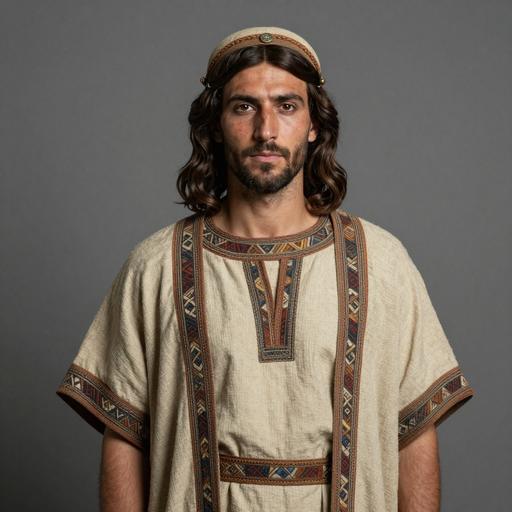
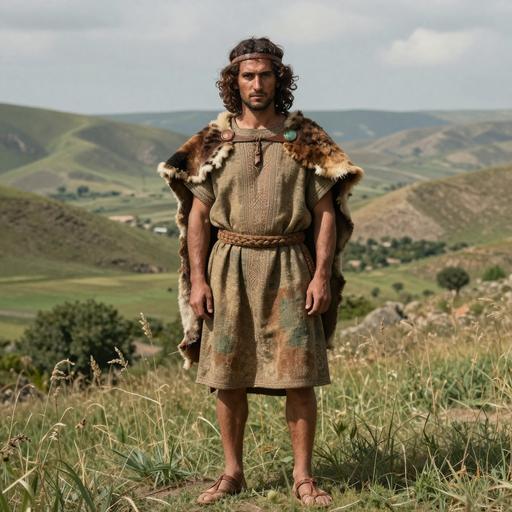
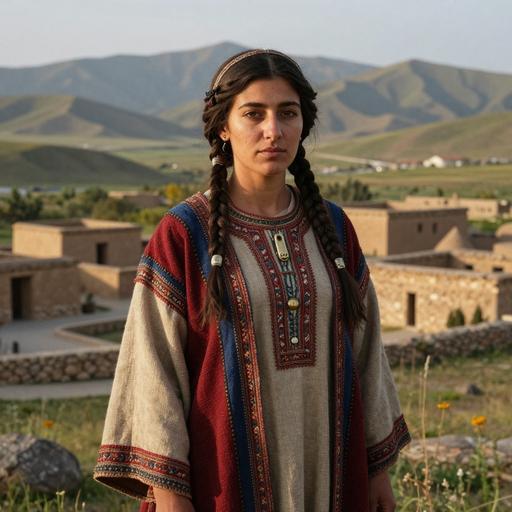
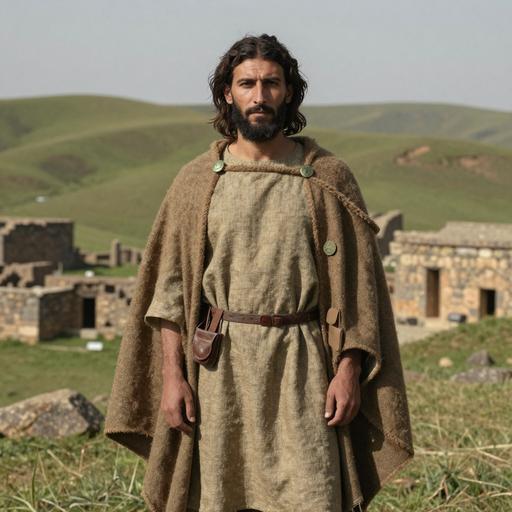
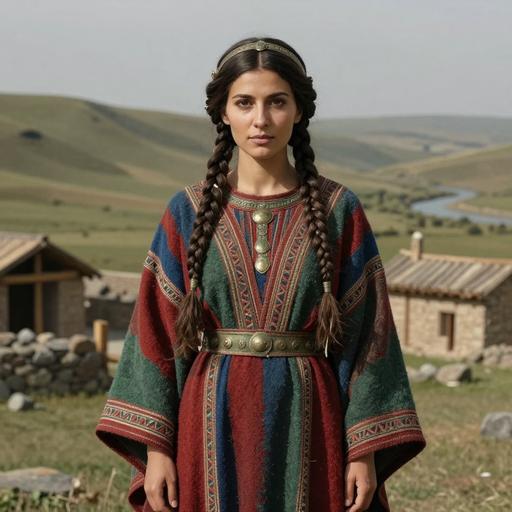
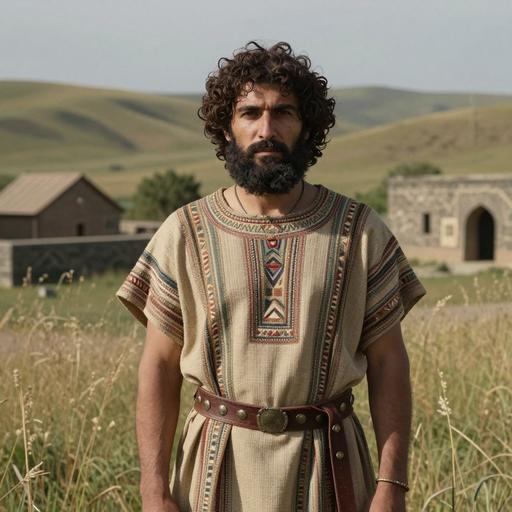
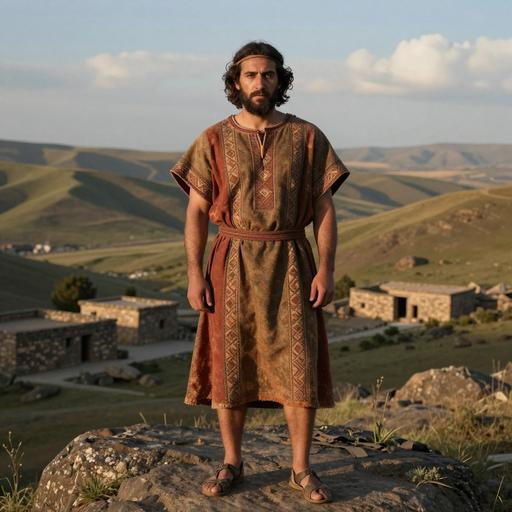
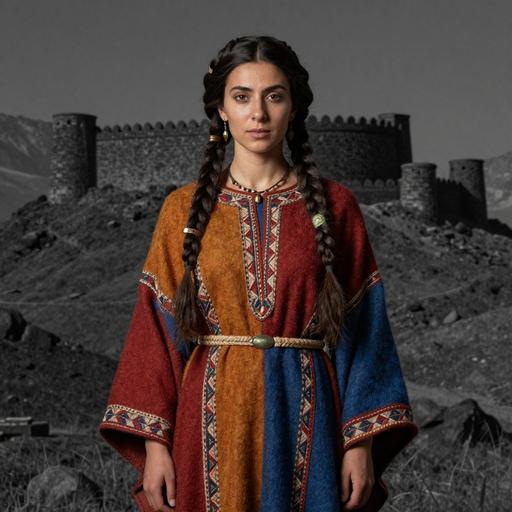
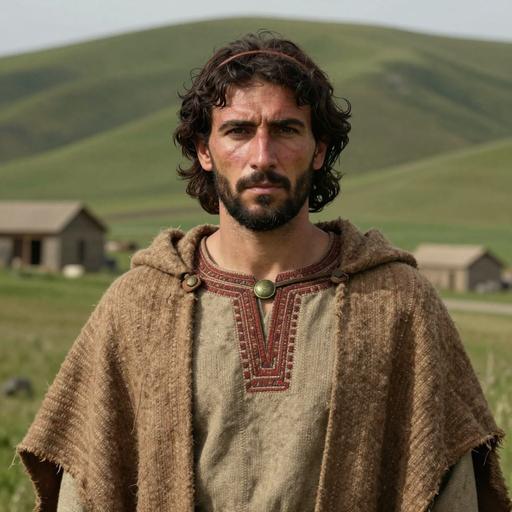
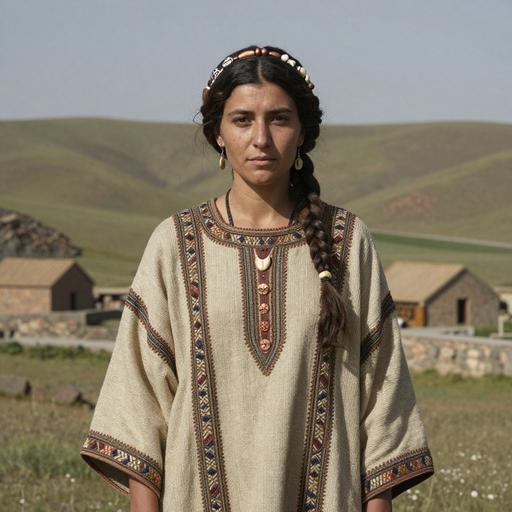
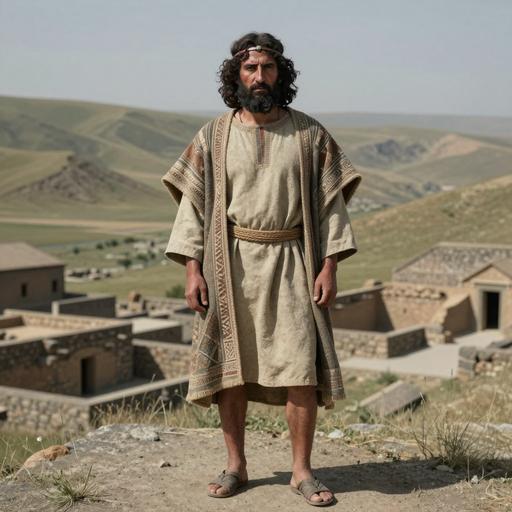
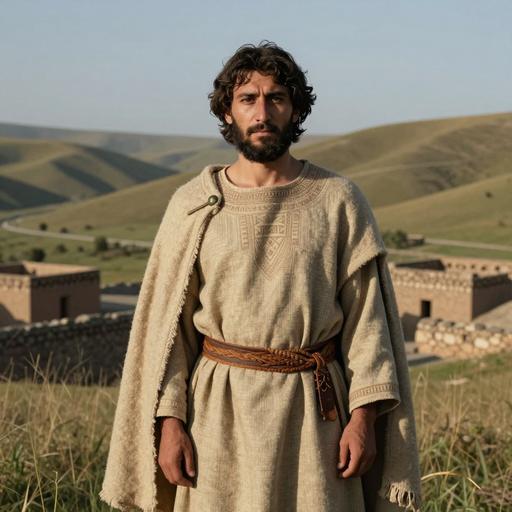
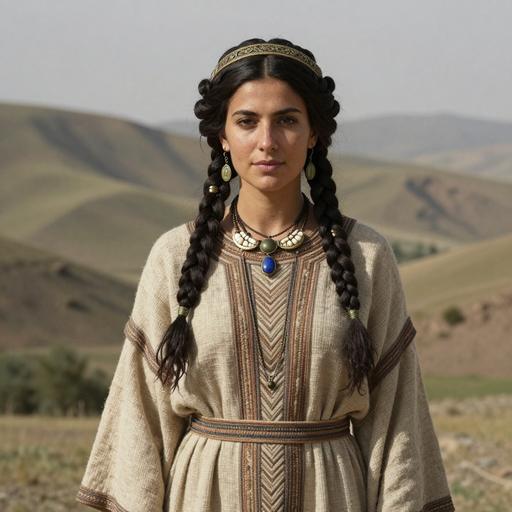
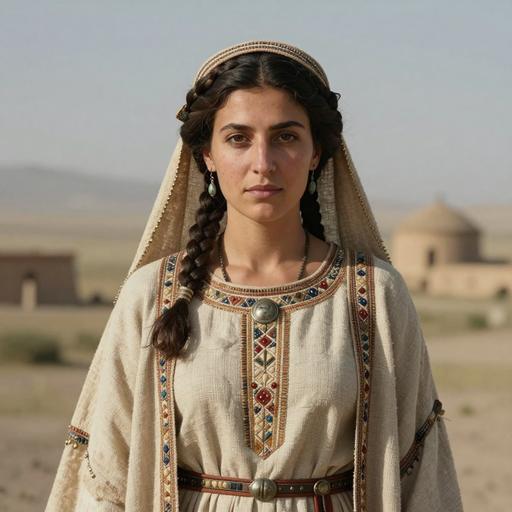
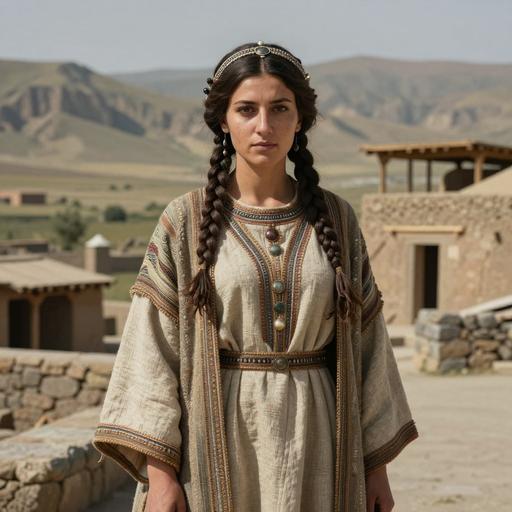
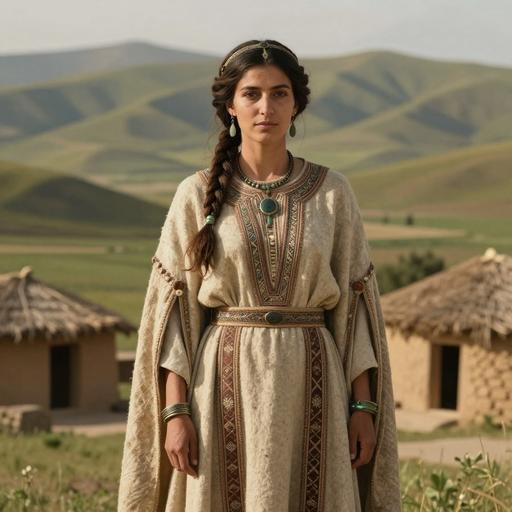
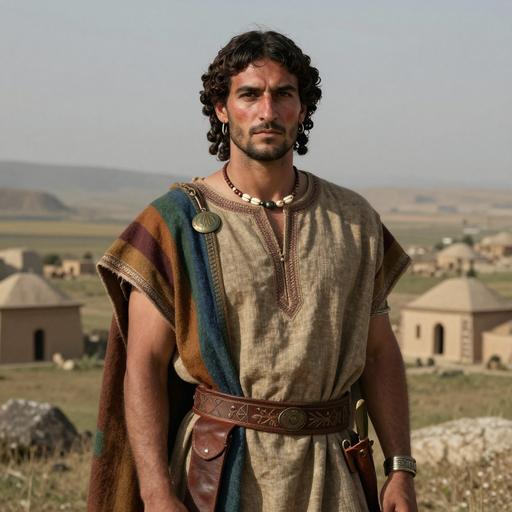
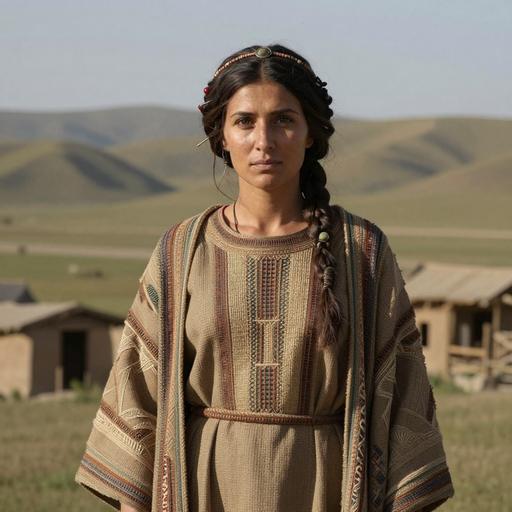
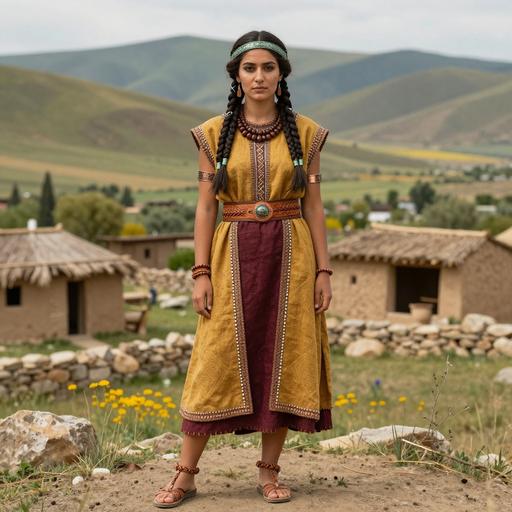
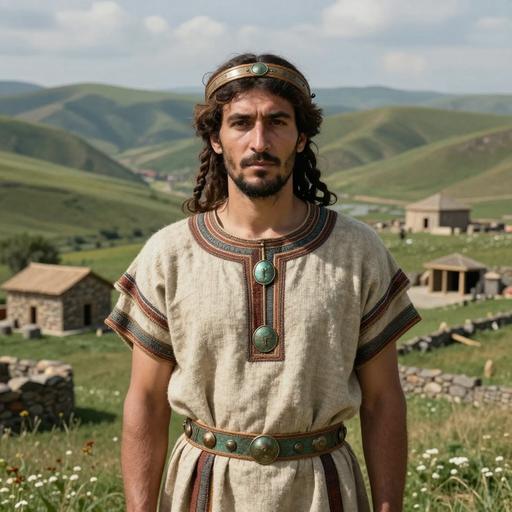
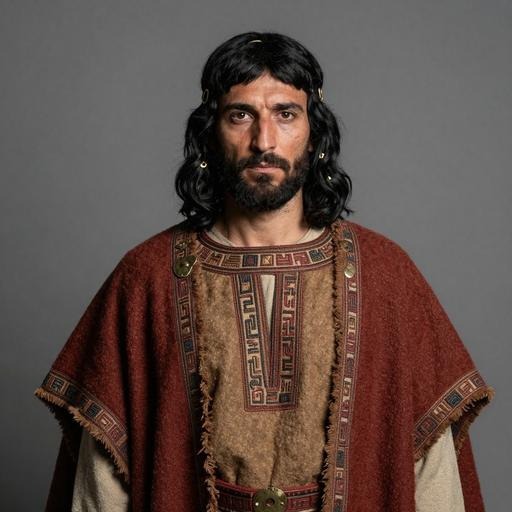
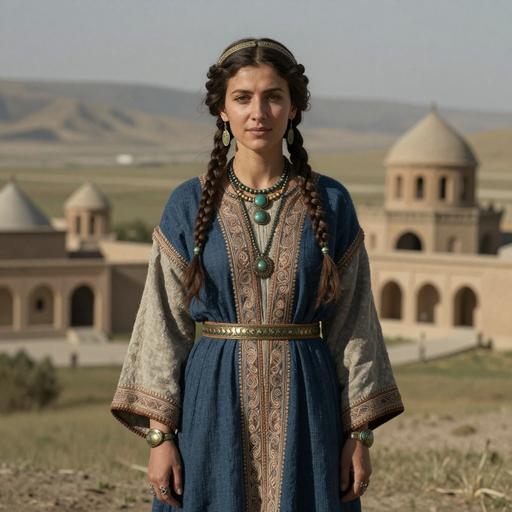
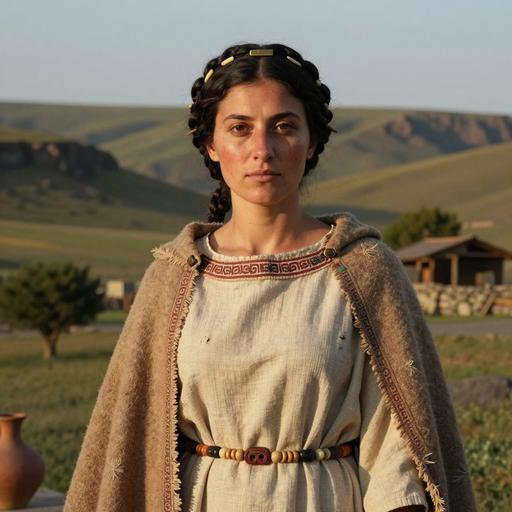
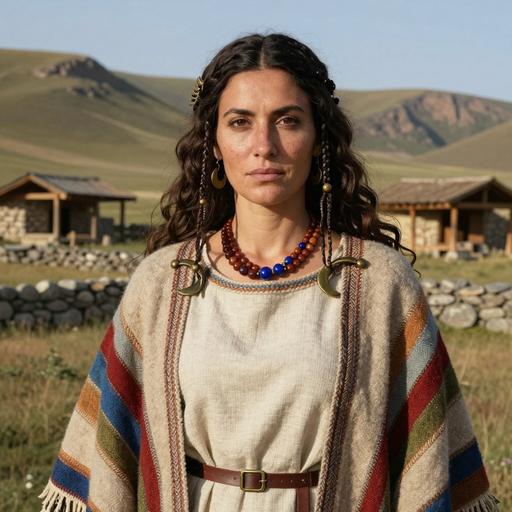
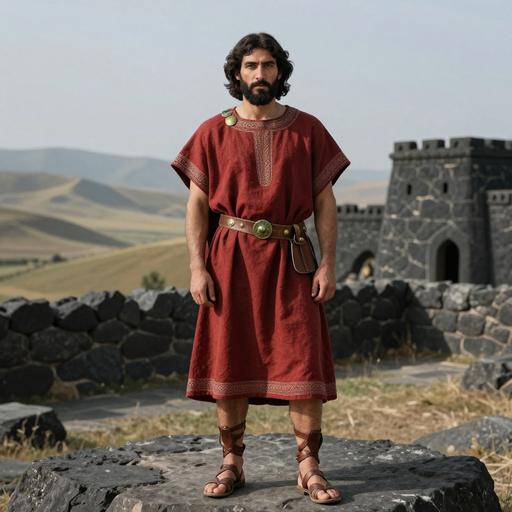
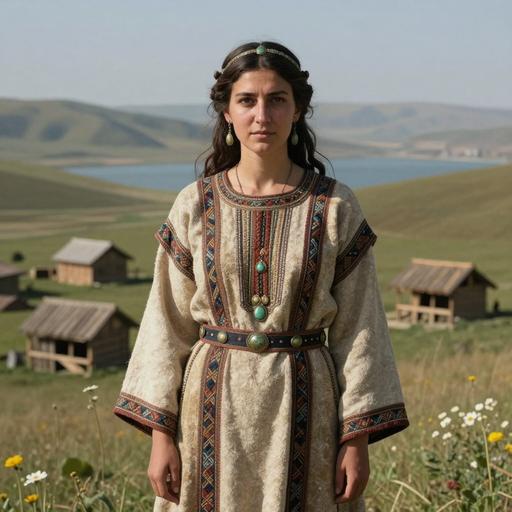
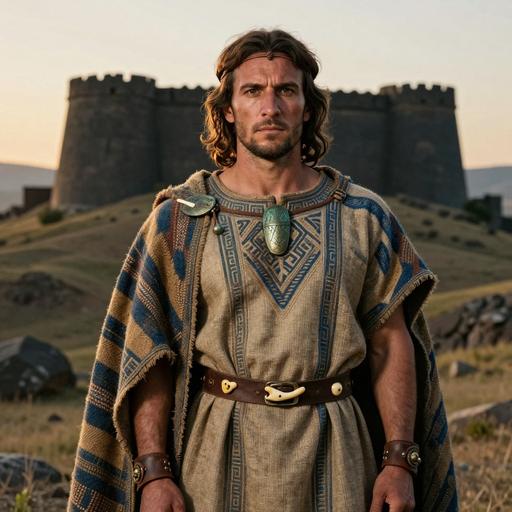
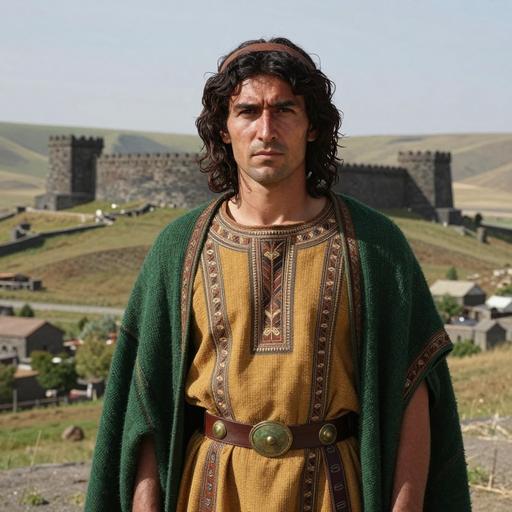
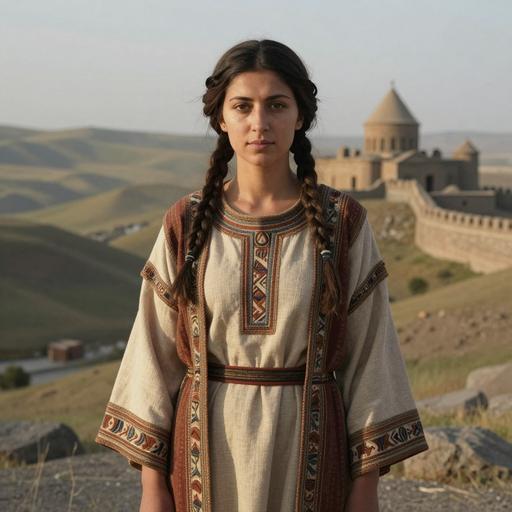
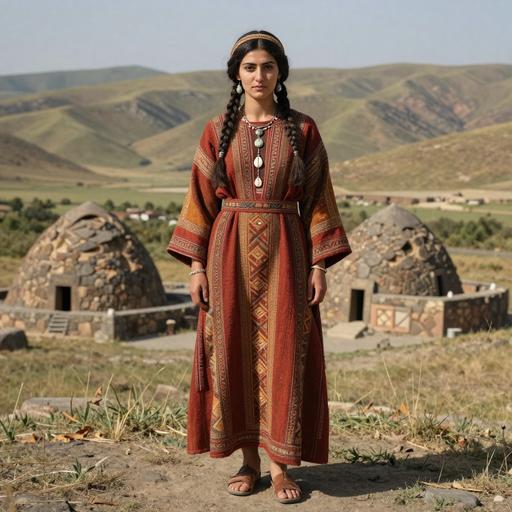
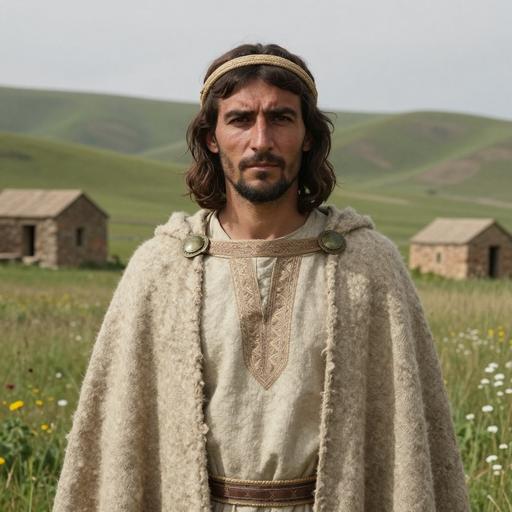
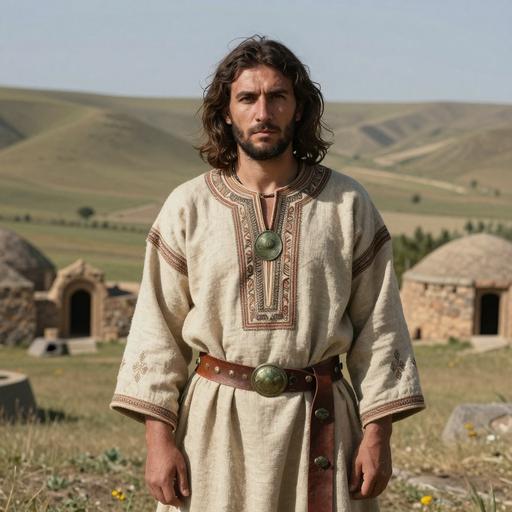
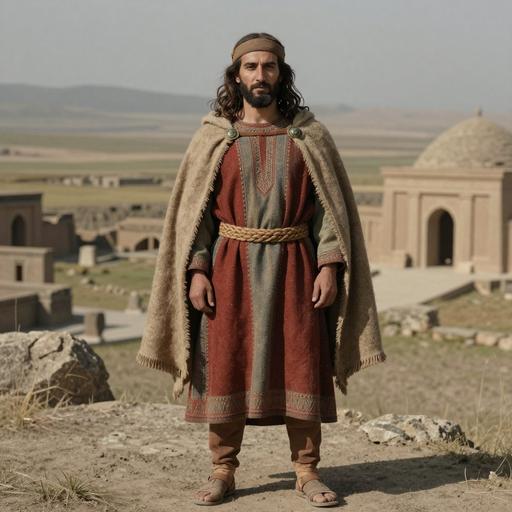
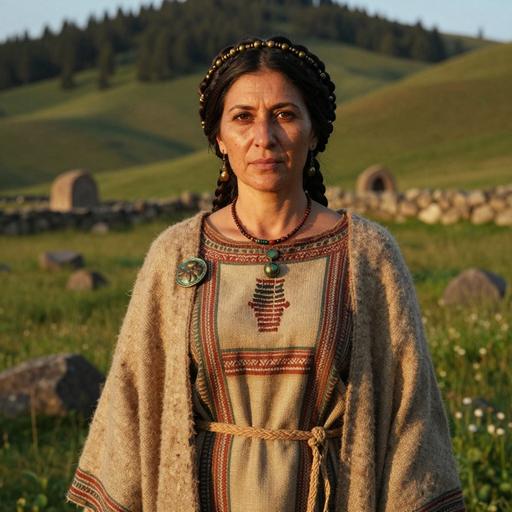
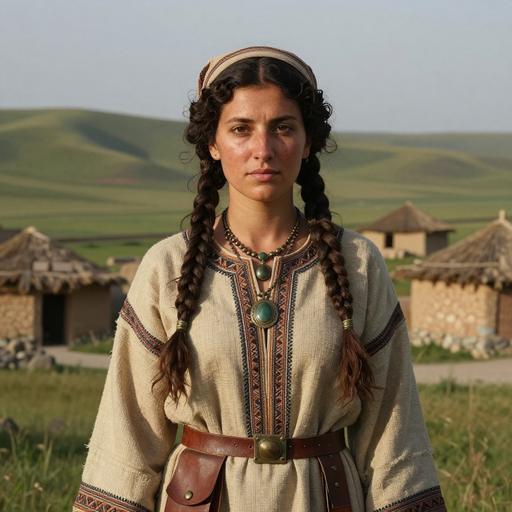
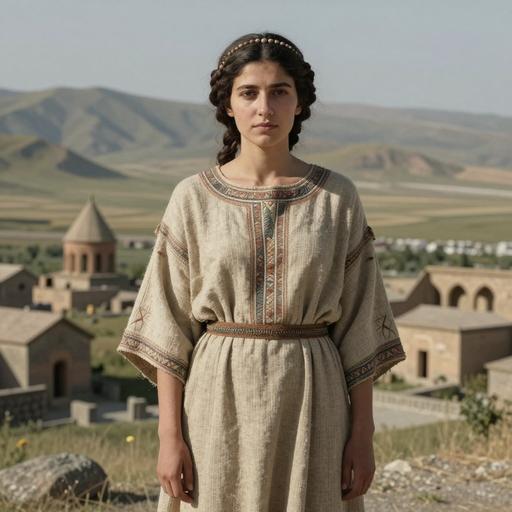
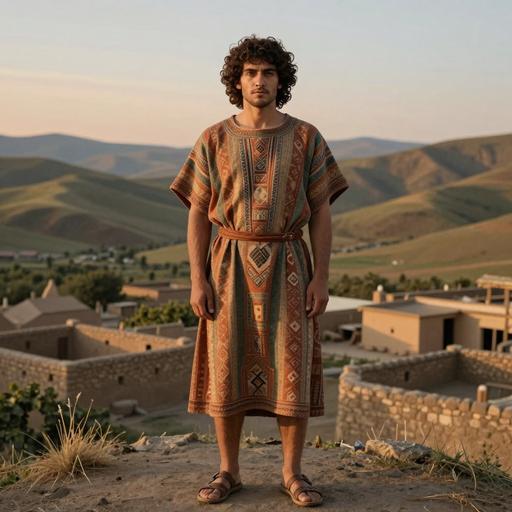
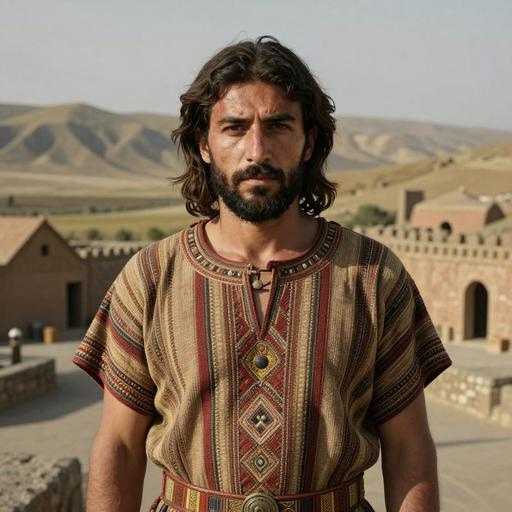
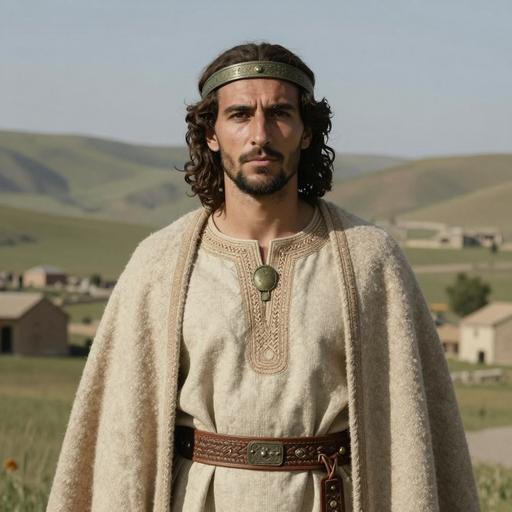
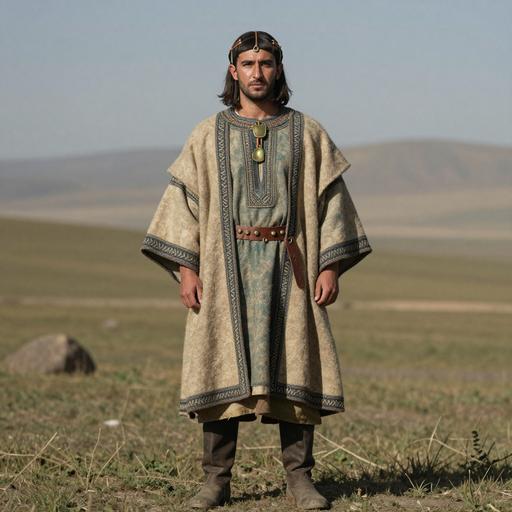
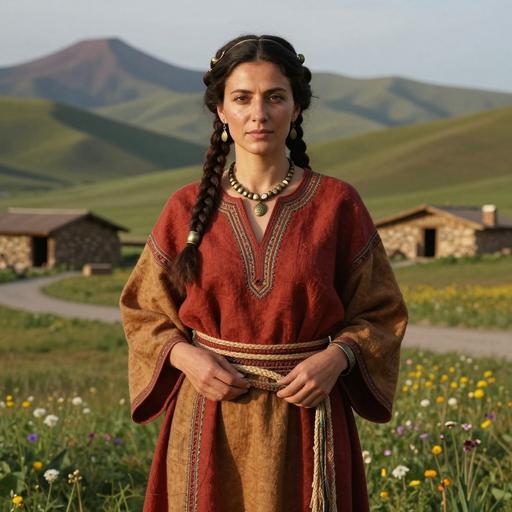
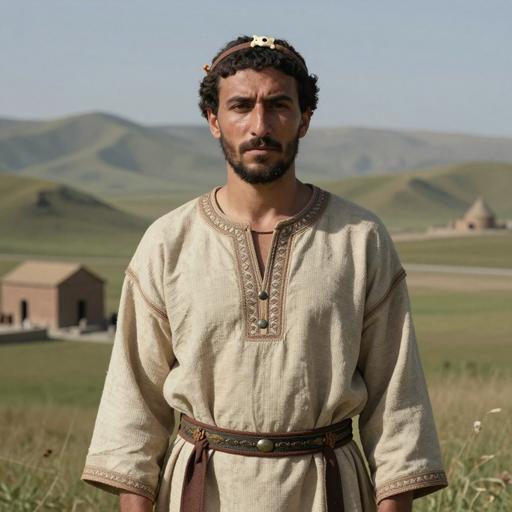
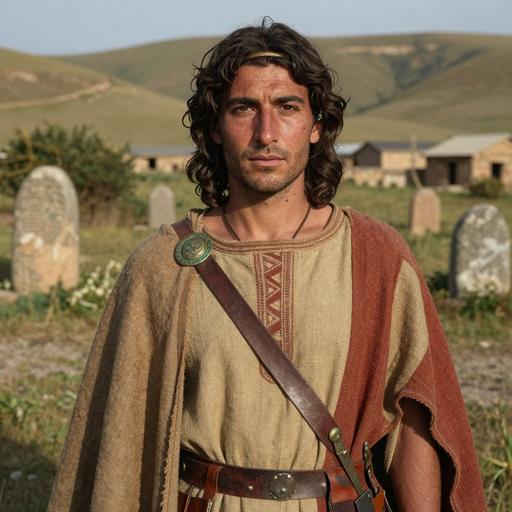
Archaeological and genetic evidence from 54 individuals (1500 BCE–330 CE) illuminates communities across Armenian sites like Lchashen, Noratus and Bardzryal. Maternal lineages (H, K, U, T, J) show West Eurasian continuity amid regional demographic change.
الخريطة التفاعلية غير متاحة. يمكنك الاطلاع على المواقع المسجّلة في كتالوج العينات.
الخط الزمني
1500 BCE
Highland communities consolidate
From c.1500 BCE fortified settlements, intensified metallurgy and rich cemetery traditions become archaeologically visible across Armenian highlands.
Origins & Emergence
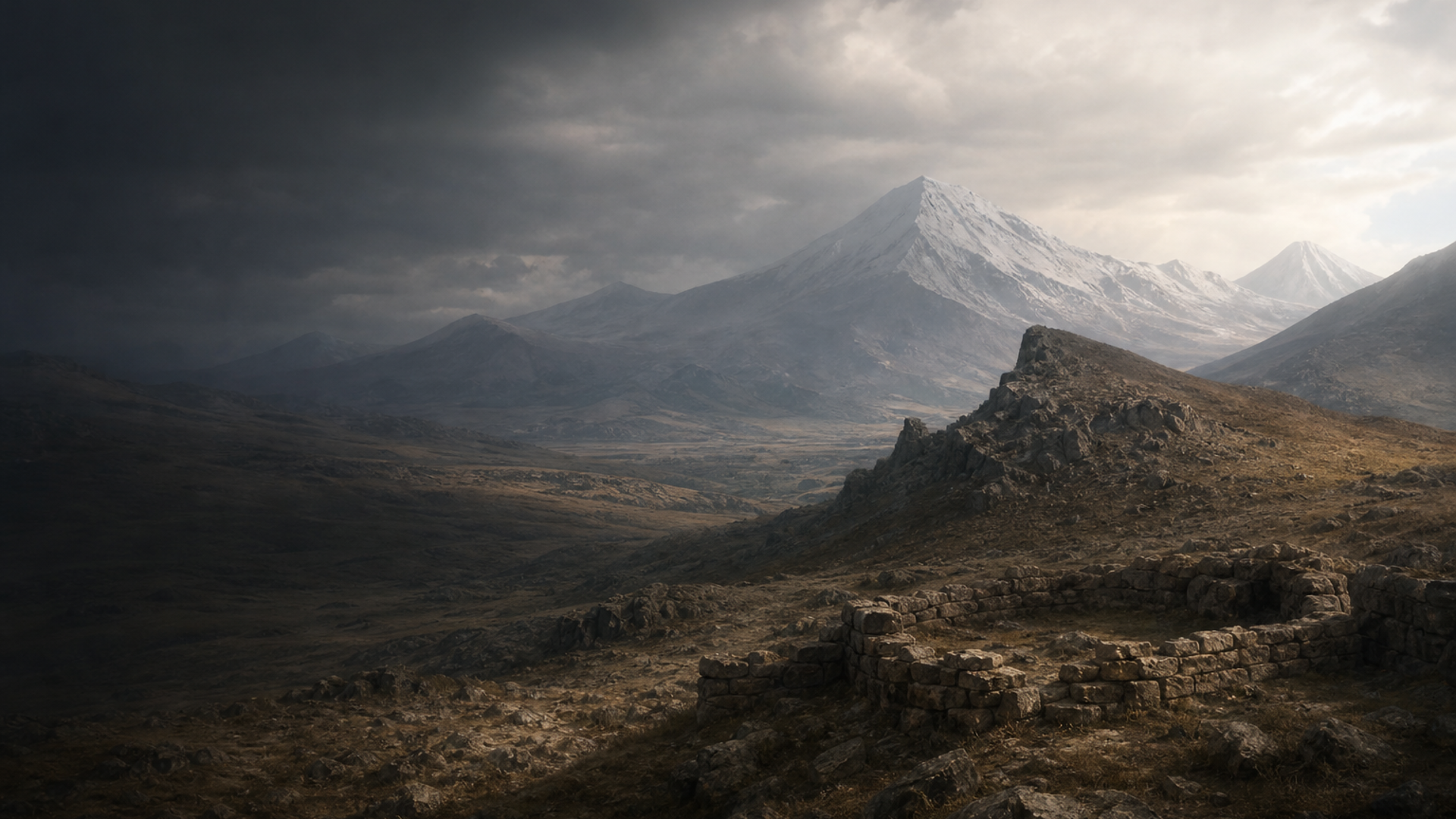
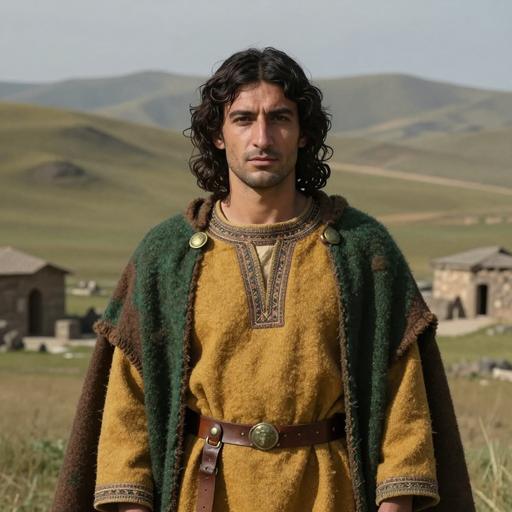
The Armenia_LBA_EIA assemblage spans a dramatic interval when the highland valleys and plateau of the South Caucasus carried centuries of human memory in stone and bone. From c. 1500 BCE, fortified settlements, hilltop enclosures and richly furnished cemeteries appear in the archaeological record at sites such as Lchashen cemetery, Lori Berd, Noratus and the Black Fortress. Archaeological data indicate a cultural horizon that bridges Late Bronze Age material traditions and the emerging social landscapes of the Early Iron Age: metalworking intensifies, architecture becomes more imposing, and burial practices show both continuity and local innovation.
Material traces — pottery types, copper-alloy objects, and funerary arrangements — speak to long-standing networks that connected Armenia to Anatolia, the Caucasus and the Iranian plateau. The genetic dataset of 54 individuals provides a complementary lens: mitochondrial haplogroups common in West Eurasia (H, K, U, T, J) are present, suggesting maternal continuity with broader regional populations. At the same time, autosomal and uniparental signals documented in neighboring studies hint at episodic gene flow from steppe and adjacent highland populations. Limited evidence suggests the picture is one of deep local roots with punctuated demographic inputs rather than wholesale population replacement. Because the temporal span covers nearly two millennia, archaeological and genetic snapshots must be interpreted as part of a long, evolving story rather than a single event.
Archaeological contexts include Lchashen, Noratus, Lori Berd, Black Fortress, Bardzryal
Transition from Late Bronze Age craft traditions to Early Iron Age fortifications
mtDNA shows West Eurasian maternal lineages alongside regional continuity
Daily Life & Society
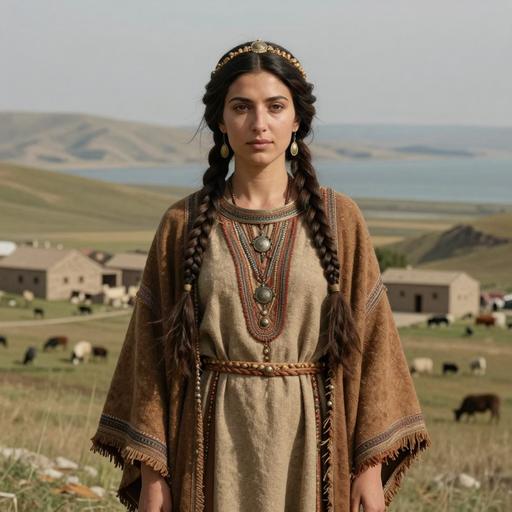
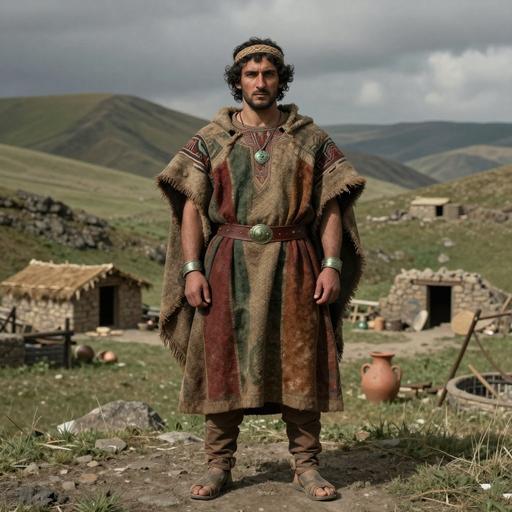
Life in the Armenian highlands was shaped by contrast: steep valleys funneling trade and communication, plateaus that supported seasonal herding, and pockets of intensified craft production. Excavations at cemetery complexes (for example, Bover and Nerkin Getashen) and settlement sites (Bardzryal, Bagheri Tchala) reveal households engaged in mixed farming, pastoralism and specialized metalwork. Archaeological evidence indicates a landscape of small fortified centers and dispersed villages, where access to copper and bronze technology supported both everyday tools and prestige objects.
Grave goods and burial architecture suggest social differentiation: some burials include elaborate metal items or imported goods, while others are modest, reflecting a graded social order rather than uniform egalitarianism. Material culture also points to sustained exchange networks — ceramics, raw metal and stylistic motifs travel across the region — connecting local communities to wider economic and cultural currents. Seasonal mobility, household craft specialization, and control of strategic passes likely structured power and identity in ways visible both in the material record and in patterns of biological kinship.
Mixed farming, pastoralism and specialized metallurgy reported in settlement and cemetery contexts
Burial variation indicates social differentiation and long-distance exchange
Genetic Profile
The genomic portrait assembled from 54 individuals provides moderate resolution for population processes in Armenia between 1500 BCE and 330 CE. Mitochondrial DNA in this sample is dominated by West Eurasian lineages: H (7), K (6), U (5), T (4), and J (4). These maternal haplogroups are common across Europe and West Asia and, within this dataset, point to broad maternal continuity in the highlands through the Late Bronze to Early Iron Age transition.
Y-chromosome data are not reported as a single dominant signal in the summary for this culture, and diversity in paternal lineages appears to be heterogeneous; therefore conclusions about patrilineal continuity or major male-mediated migrations must remain provisional. Autosomal patterns (where available in related regional studies) often show a blend of indigenous Caucasus-related ancestry with varying proportions of Steppe-related input during the second and first millennia BCE. In the Armenia_LBA_EIA series, the sample size of 54 is large enough to detect recurring maternal lineages and population structure, but the long temporal range (nearly 1,800 years) and geographic spread across multiple sites mean that observed genetic patterns likely combine continuity, local micro-regional shifts, and episodic external gene flow. When fewer than 10 samples represent a specific sub-site or narrow time slice, interpretations should be considered preliminary.
mtDNA dominated by H, K, U, T, J — common West Eurasian maternal lineages
No single dominant Y-DNA reported; autosomal patterns imply local continuity with episodic external input
Legacy & Modern Connections
The echoes of Armenia_LBA_EIA reach into the present both archaeologically and genetically. Many mtDNA haplogroups observed in the ancient dataset remain frequent in modern populations of the South Caucasus and neighboring regions, underscoring maternal continuity across millennia. Cultural landscapes — hilltop forts, cemeteries like Noratus and Lchashen, and migration corridors — continued to shape regional identity into the Iron Age and later historical periods.
That said, direct equivalence between ancient groups and modern ethnic identities should be avoided. Genetic continuity on some maternal lines coexists with centuries of cultural change, new political formations (including the rise of kingdoms such as Urartu and later states), and further movements of people. Archaeogenetics here offers a nuanced story: deep local roots in the Armenian highlands supplemented over time by connections to neighboring regions, producing the mosaic of ancestry observable in both ancient remains and modern genomes.
Several maternal lineages persist in the region, indicating long-term continuity
Archaeological continuity exists alongside cultural and demographic change; avoid simple direct ancestry claims
Late Bronze Age to Early Iron Age Armenia - Armenia - Nerkin Getashen
Armenia Armenia_LBA_EIA 1450-1250 BCE
Y: J-CTS1460mt: X2
Late Bronze Age to Early Iron Age Armenia - Armenia - Bardzryal Archaeological Complex
Armenia Armenia_LBA_EIA 800-650 BCE
Y: R-FGC14590mt: K1a12a
Late Bronze Age to Early Iron Age Armenia - Armenia - Bardzryal Archaeological Complex
Armenia Armenia_LBA_EIA 800-650 BCE
Y: Fmt: H2a1
Late Bronze Age to Early Iron Age Armenia - Armenia - Bagheri Tchala Archaeological Complex
Armenia Armenia_LBA_EIA 1050-800 BCE
Y: CTmt: K1a12a
Late Bronze Age to Early Iron Age Armenia - Armenia - Nerkin Getashen
Armenia Armenia_LBA_EIA 1450-1250 BCE
mt: K1a12a
Late Bronze Age to Early Iron Age Armenia - Armenia - Bagheri Tchala Archaeological Complex
Armenia Armenia_LBA_EIA 1050-800 BCE
Y: CTmt: H2
Late Bronze Age to Early Iron Age Armenia - Armenia - Lori Berd Cemetery
Armenia Armenia_LBA_EIA 1250-1100 BCE
مساعد الذكاء الاصطناعي
مساعد الذكاء الاصطناعي
من DNA Genics
فتح هذه الميزة
اطرح أسئلة عن ثقافة Highland Voices of Armenia. يمكن للمساعد شرح النتائج الجينية والسياق التاريخي والأدلة الأثرية والصلات بالعصر الحديث.
AI-generated interpretation of genetic similarity, not proof of ancestry. Informational only, not professional advice.
Read full notice
Before you continue: the analysis you are about to generate is produced by an AI model. AI output can be incomplete, inaccurate, or simply wrong. It describes statistical genetic similarity to reference populations and is not proof of ancestry, ethnicity, identity, or descent. It is provided for informational and educational purposes only, and is not medical, diagnostic, genealogical, legal, or other professional advice. Do not rely on it to make health, financial, legal, or family decisions. To the fullest extent permitted by applicable law, DNA Genics, S.L. accepts no liability for any loss or decision arising from your use of this AI output.
مثال على تحليل بالذكاء الاصطناعي
لمحة عن ثقافة Highland Voices of Armenia
تساعد عينات الحمض النووي القديم الباحثين على دراسة أنماط الهجرة والعلاقات الجينية بين المجموعات السكانية القديمة.
هذه معاينة للتحليل. يتيح المساعد الكامل استكشاف الموضوعات التالية: