The Story
The journey of mtDNA haplogroup C4A2
Origins and Evolution
mtDNA haplogroup C4A2 is a derived branch of the broader C4A lineage. C4 lineages are part of macro-haplogroup C, which has deep roots in northern and eastern Eurasia. Based on phylogenetic placement and the geographic distribution of modern and ancient samples, C4A2 most likely arose in northeastern Asia/Siberia during the early Holocene (on the order of ~8–12 kya), as human groups that had persisted through the Last Glacial Maximum expanded and diversified across high-latitude Asia. This timing places C4A2 as a regional refinement of the older C4A maternal lineage rather than a transcontinental founding lineage.
Genetic studies indicate that C4A2 carries mutations that distinguish it from C4A1 and other C4 subbranches; its internal diversity and the presence of closely related lineages in ancient Siberian remains are consistent with an early Holocene origin followed by local continuity and occasional long-distance dispersal events.
Subclades (if applicable)
C4A2 shows internal structure in modern sequencing datasets, with at least a couple of recognized downstream branches (commonly labeled in the literature as C4A2a, C4A2b or by diagnostic mutations). Those subclades are observed at different frequencies across northern Asian populations, reflecting localized expansions and drift. Because sampling of ancient and modern complete mitogenomes is still incomplete across Siberia and Central Asia, the full subclade topology of C4A2 remains under refinement as more whole-mtDNA data are published.
Geographical Distribution
C4A2 is concentrated in high-latitude and adjacent regions of northern Asia, with its highest representation among Siberian ethnic groups and some Mongolic- and Tungusic-speaking peoples. Moderate frequencies are seen in parts of Central Asia (regions with historical Siberian gene flow) and low-frequency occurrences appear in northeastern East Asian populations. Occasional detections in far-western contexts (northern/eastern Europe) reflect historic or prehistoric gene flow from Siberia rather than primary origin there.
Its distribution pattern—strong in Siberia, weaker but present in adjacent regions—matches expectations for a maternal lineage that diversified regionally after the Late Pleistocene and was carried by mobile hunter-gatherer and later pastoralist groups across parts of northern Eurasia.
Historical and Cultural Significance
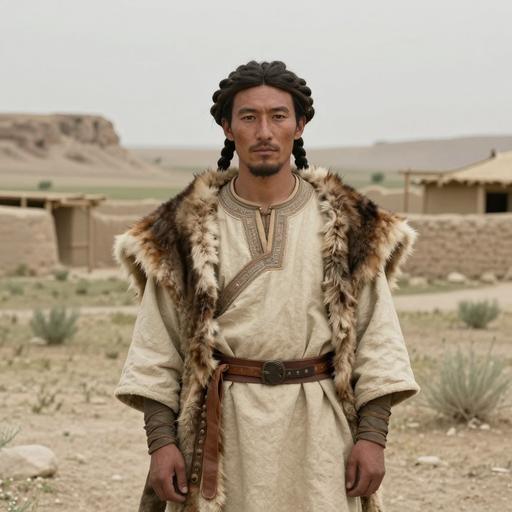
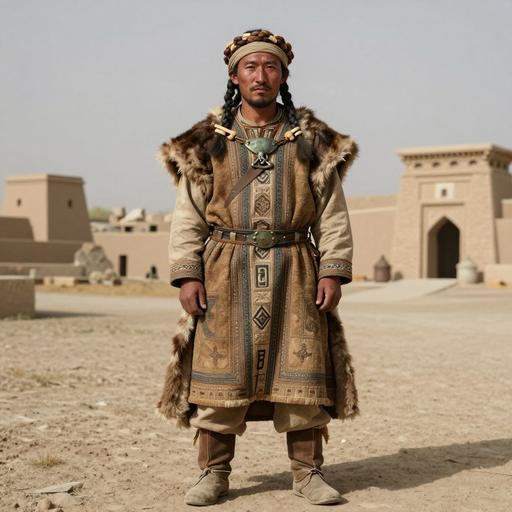
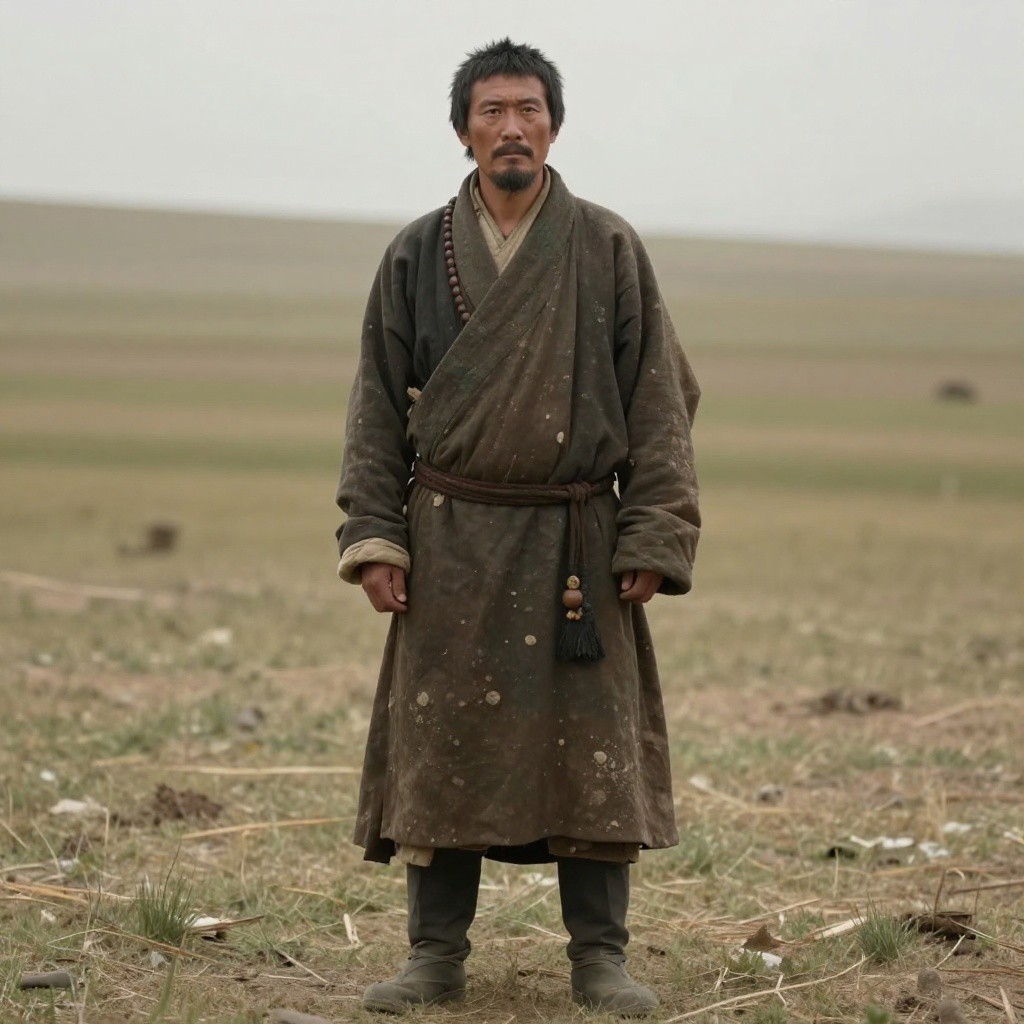
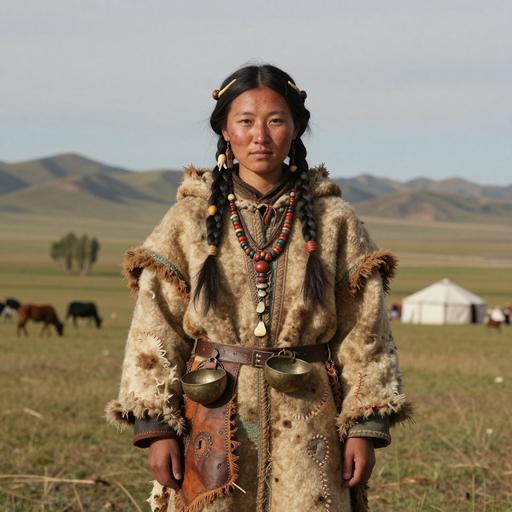
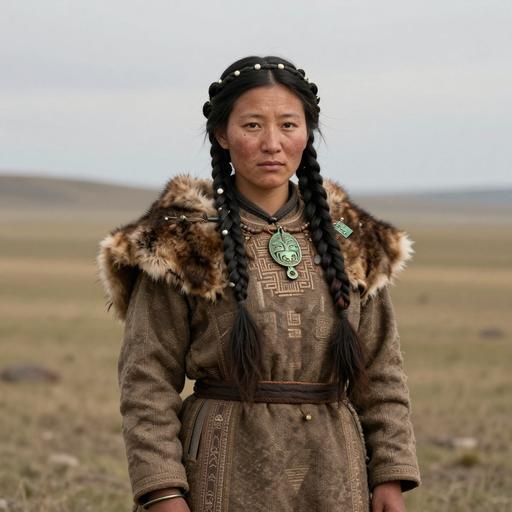
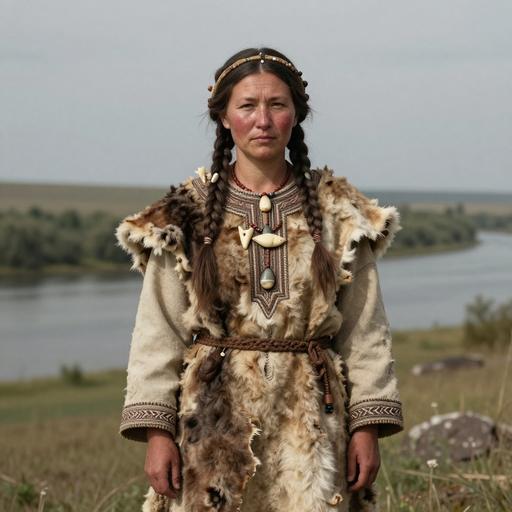
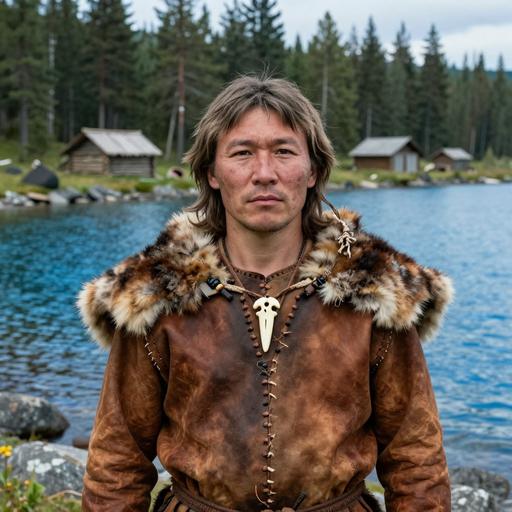
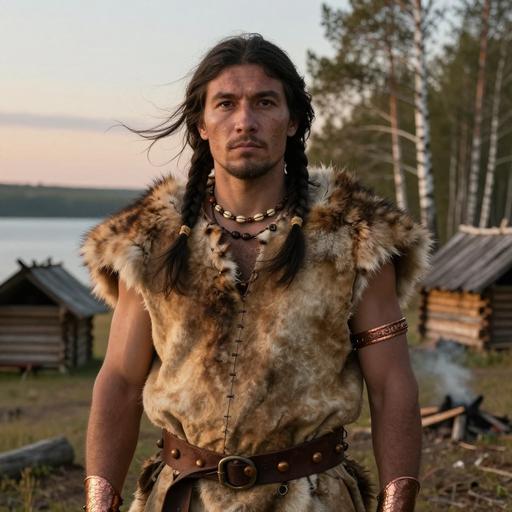
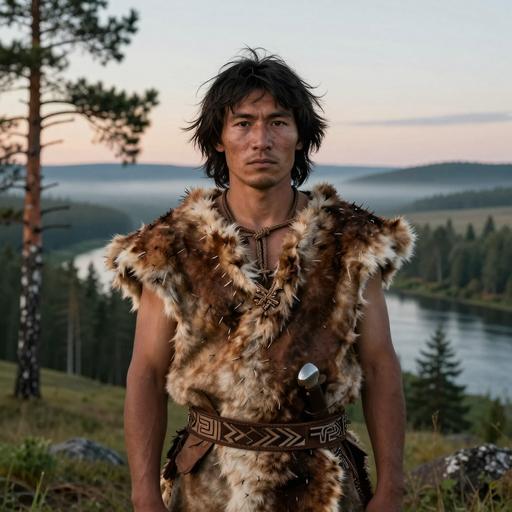
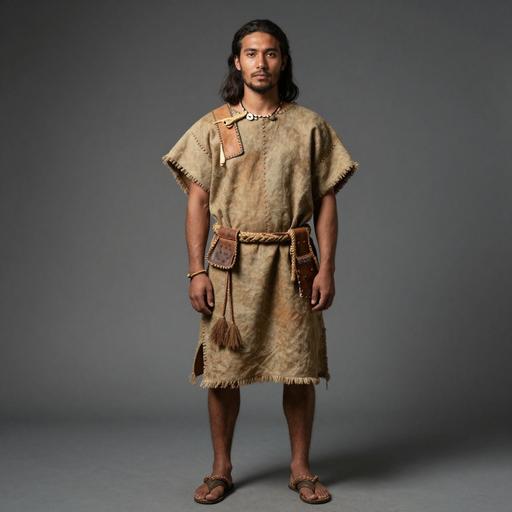
C4A2 likely contributed to the maternal ancestry of a number of prehistoric and historic northern Asian communities. It is consistent with continuity among Holocene Siberian hunter-gatherers and later incorporation into populations that adopted pastoralism or mixed subsistence economies. In historical times, expansions and migrations (for example movements of Turkic and Tungusic-speaking groups, and later demographic events that shaped Yakut and other northeastern Siberian peoples) redistributed C4A2 lineages, sometimes amplifying them by founder effects.
Because C4A2 is not a pan-Eurasian lineage but rather a regionally concentrated clade, its presence in archaeological or ancient DNA samples is often used as supportive evidence for northeastern Asian/Siberian maternal ancestry in an individual or population.
Conclusion
C4A2 represents a regional northern Asian maternal lineage that arose within the C4A framework during the early Holocene. Its pattern of distribution—high in Siberia, moderate in adjacent Central Asian regions, and low in East Asia and occasional western contexts—reflects a history of local diversification, drift and episodic dispersal. Continued whole-mitogenome sampling, especially from ancient remains across Siberia and adjacent zones, will refine the branching order and timing of C4A2's subclades and improve resolution of its demographic history.
Key Points
- Origins and Evolution
- Subclades (if applicable)
- Geographical Distribution
- Historical and Cultural Significance
- Conclusion