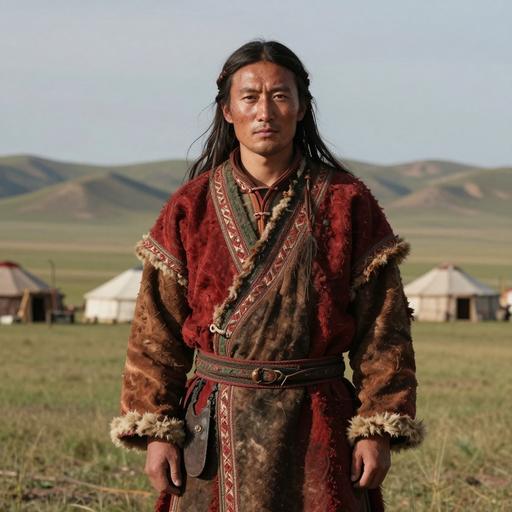
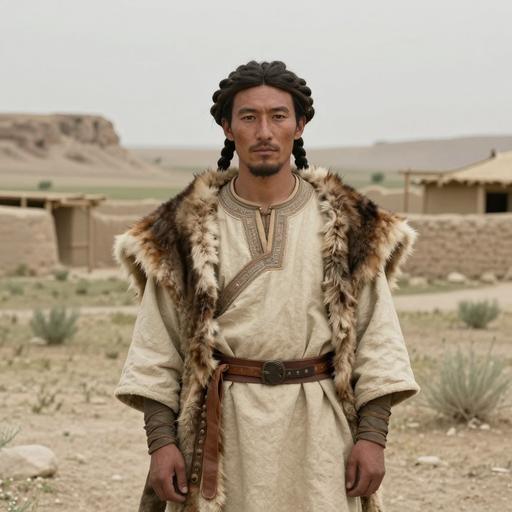
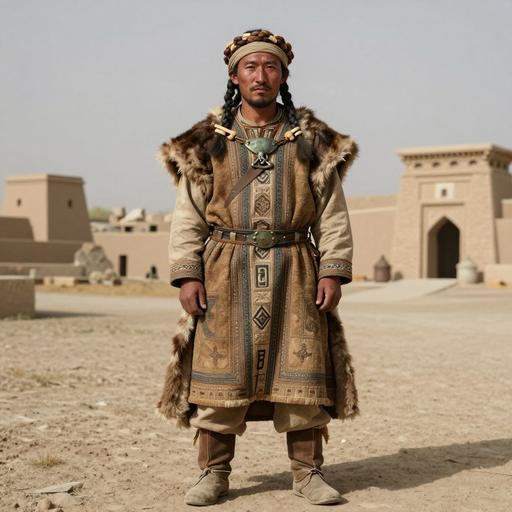
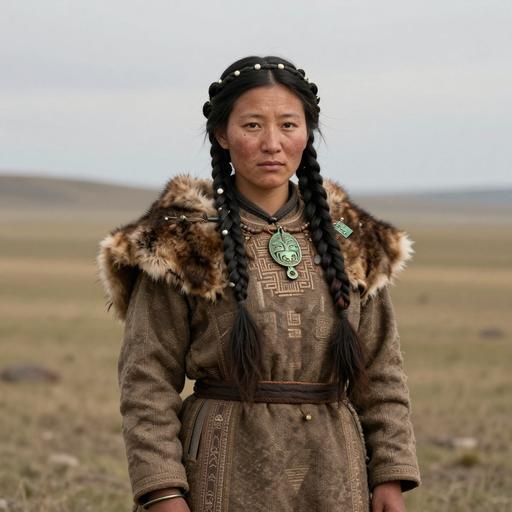
The Story
The journey of mtDNA haplogroup C4A2C1
Origins and Evolution
mtDNA haplogroup C4A2C1 is a subclade nested within C4A2C (itself a branch of mtDNA haplogroup C4). The broader C4 lineage is an ancient northern Asian maternal clade that diversified across Siberia and adjacent parts of Northeast Asia during the Late Pleistocene and Holocene. Based on the phylogenetic position of C4A2C1 downstream of C4A2C and coalescence estimates for related C4 sublineages, C4A2C1 most likely emerged in northeastern Asia/Siberia in the mid-to-late Holocene (on the order of a few thousand years ago). Its origin reflects continued local diversification of northern Asian maternal lineages after initial post-glacial recolonization of high-latitude Eurasia.
Subclades (if applicable)
C4A2C1 is itself a downstream sub-branch of C4A2C. At present, C4A2C1 is reported as a defined terminal subclade in population and ancient DNA datasets; additional substructure under C4A2C1 may exist but is sparsely sampled. Continued mitogenome sequencing from modern and ancient Siberian, Tungusic, Turkic and Mongolic populations will refine internal branching and allow better dating of any nested subclades.
Geographical Distribution
C4A2C1 is concentrated in northeastern Asia and Siberia, with highest frequencies and diversity in populations of the Sakha (Yakut) region and neighboring northern and eastern Siberian groups. It is also reported among Tungusic-speaking peoples (e.g., Evenk, Even), Mongolic groups (e.g., Buryat), and some Turkic-speaking populations in southern and central Siberia (e.g., Tuvan, Altai). Low-frequency occurrences are recorded in adjacent northern East Asian populations (northern Han, Koreans) and sporadically in northern/eastern Europe in contexts consistent with historic or prehistoric Siberian-derived gene flow. The haplogroup has also been identified in multiple ancient DNA samples from Holocene Siberian contexts, indicating continuity of this maternal lineage in the region.
Historical and Cultural Significance
C4A2C1 marks a component of maternal ancestry that tracks with northern Asian and Arctic population histories. Its distribution among Tungusic-, Turkic- and Mongolic-speaking groups is consistent with north–east Asian population structure shaped by long-term regional persistence of hunter-gatherer groups and later cultural expansions (Bronze Age and later mobile pastoralist networks). In historic times, the movement of steppe and forest-steppe peoples (including Iron Age and later nomadic polities) and medieval-era north Eurasian mobility likely contributed to the low-frequency occurrence of C4A2C1 outside core Siberia. Ancient DNA detections (several Holocene samples) support its presence in archaeological contexts across Siberia and adjacent regions.
Conclusion
mtDNA C4A2C1 is a northern Asian maternal lineage that arose after the major Late Pleistocene diversifications of haplogroup C and became established across Siberia and northeastern Asia during the Holocene. It is most informative for studies of regional continuity, post-glacial recolonization dynamics, and later population interactions that dispersed Siberian maternal ancestry into neighboring parts of Central and Northern Asia and, in low frequency, into Europe. Broader mitogenome sampling in underrepresented Siberian groups and more ancient DNA from well-dated contexts will clarify its finer phylogeography and demographic history.
Key Points
- Origins and Evolution
- Subclades (if applicable)
- Geographical Distribution
- Historical and Cultural Significance
- Conclusion