Menu
mtDNA Haplogroup • Maternal Lineage

C4B1

mtDNA Haplogroup C4B1

~10,000 years ago
Northeast Asia / Siberia
1 subclades
Scroll to explore
Chapter I

The Story

The journey of mtDNA haplogroup C4B1

Origins and Evolution

mtDNA haplogroup C4B1 is a subclade of C4B (C4b), itself a branch of haplogroup C4. Haplogroup C4 diversified in northern Asia after the Last Glacial Maximum, and C4B appears in the archaeological and modern record across Siberia and adjacent regions. C4B1 likely arose in the early Holocene (approximately ~8–12 kya, here estimated ~10 kya) as populations that had recolonized high-latitude Eurasia after the late-glacial period underwent regional differentiation. The phylogenetic position of C4B1 as a downstream lineage of C4B indicates a regional origin within northeastern Eurasia and a demographic history tied to Holocene hunter-gatherer populations of Siberia and adjacent Central Asian highlands.

Subclades

C4B1 contains several localized branches (often designated in the literature as C4B1a, C4B1b, etc.), many of which show low internal diversity, consistent with relatively recent regional expansions or founder events. Some sublineages are concentrated in specific language families or ethnic groups (for example, Tungusic and Turkic-speaking groups in southern Siberia and parts of Central Asia). The limited number of high-resolution mitogenomes available for some of these subclades means that their fine-scale topology and coalescence times remain under active study, but patterns point to multiple localized differentiations during the Holocene rather than a single rapid pan-regional spread.

Geographical Distribution

C4B1 is primarily a Siberian and Northeast Asian maternal lineage. It is most commonly detected among indigenous Siberian groups (Yakut, Evenk, Nenets, Chukchi) and is present at appreciable frequencies among some Mongolic- and Tungusic-speaking populations (e.g., Buryats, Evens), and among Turkic-speaking peoples of southern Siberia and the Altai (e.g., Tuvans, Altaians). It also appears at lower frequencies in general East Asian samples (rare Han, Korean, Japanese), and sporadically in Arctic and Beringia-adjacent populations. Very rarely, C4-related lineages reach the Americas (mostly other C4 subclades such as C4c), so direct C4B1 presence in Native American populations is uncommon. Ancient DNA studies have identified C4B and related C4 subclades in Holocene Siberian contexts, indicating long-term regional continuity.

Historical and Cultural Significance

The distribution of C4B1 reflects long-term maternal continuity among Siberian hunter-gatherers and later interactions with pastoral and nomadic groups during the Bronze Age and historic periods. This haplogroup is informative for reconstructing post-glacial recolonization of northern Eurasia, local Holocene population structure, and subsequent gene flow associated with expansions of Tungusic, Mongolic, and some Turkic-speaking groups. In some Bronze Age and Iron Age contexts in southern Siberia and the Altai (cultures such as Okunevo and later steppe nomad groups), C4B1 or neighboring C4 lineages appear in ancient remains, consistent with regional continuity and the incorporation of local maternal lineages into wider mobile societies.

Conclusion

C4B1 is a regional mtDNA lineage centered on Siberia and neighboring parts of Central and Northeast Asia, best understood as part of the broader C4 radiation that shaped maternal diversity in northern Eurasia after the LGM. Its presence in modern indigenous Siberian populations and in Holocene ancient DNA highlights its value for studies of migration, continuity, and admixture in high-latitude Asia. Ongoing high-resolution mitogenome sequencing and denser ancient sampling will clarify fine-scale substructure and the timing of localized expansions within C4B1.

Key Points

  • Origins and Evolution
  • Subclades
  • Geographical Distribution
  • Historical and Cultural Significance
  • Conclusion
Chapter II

Tree & Relationships

Phylogenetic context and subclades

Evolution Path

This haplogroup's evolutionary journey from its earliest ancestor to the present.

Steps Haplogroup Age Estimate Archaeology Era Time Passed Immediate Descendants Tested Modern Descendants Ancient Connections
1 C4B1 Current ~10,000 years ago 🌾 Neolithic 10,000 years 1 2 0
2 C4B ~16,000 years ago 🏹 Mesolithic 16,000 years 3 2 17
3 C4 ~20,000 years ago 🏹 Mesolithic 20,000 years 7 34 48
4 C ~35,000 years ago 🦴 Paleolithic 35,000 years 5 617 75

Siblings (2)

Other branches from the same parent haplogroup

Chapter III

Where in the World

Geographic distribution and modern presence

Place of Origin

Northeast Asia / Siberia

Modern Distribution

The populations where mtDNA haplogroup C4B1 is found include:

  1. Indigenous peoples of Siberia (e.g., Yakut, Evenk, Nenets, Chukchi)
  2. Mongolic and Tungusic-speaking populations (e.g., Buryats, Mongolians, Evens)
  3. Central Asian groups (e.g., Tuvans, Altaians, Kazakhs)
  4. East Asian populations at low frequencies (e.g., some Han, Korean, Japanese samples)
  5. Arctic and Beringia-adjacent peoples (sporadic/low-frequency presence)
  6. Rare occurrences in Native American populations via distant C4 connections (very uncommon)
  7. Occasional detections in northern/eastern Europe in ancient or admixed contexts
CHAPTER IV

When in Time

Your haplogroup in the context of human history

~10k years ago

Neolithic Revolution

Agriculture begins, settled communities form

~10k years ago

Haplogroup C4B1

Your mtDNA haplogroup emerged in Northeast Asia / Siberia

Northeast Asia / Siberia
~5k years ago

Bronze Age

Metalworking, writing, and early civilizations

~3k years ago

Iron Age

Iron tools, expanded trade networks

~2k years ago

Classical Antiquity

Greek and Roman civilizations flourish

Present

Present Day

Modern era

Your Haplogroup
Historical Era
Chapter IV-B

Linked Cultures

Ancient cultures associated with mtDNA haplogroup C4B1

Cultural Heritage

These ancient cultures have been linked to haplogroup C4B1 based on matching ancient DNA samples from archaeological excavations. The presence of this haplogroup in these cultures provides insights into the migrations and population movements of populations carrying this haplogroup.

Bolshoy Oleni Ostrov Center West 4 Hunnic Period Kolyma River Culture Krasnoyarsk Culture Late Xiongnu Medieval Nomadic Nomadic Kazakh Turkic Culture
Culture assignments are based on archaeological context of ancient DNA samples and may represent regional associations during specific time periods.
Chapter V

Sample Catalog

8 direct carriers and 3 subclade carriers of haplogroup C4B1

11 / 11 samples
Portrait Sample Country Era Date Culture mtDNA Match
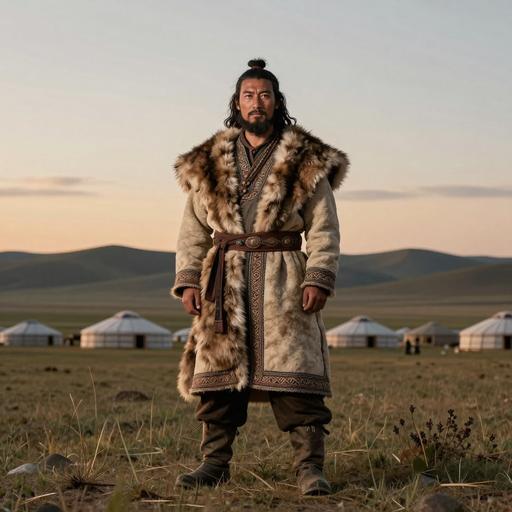
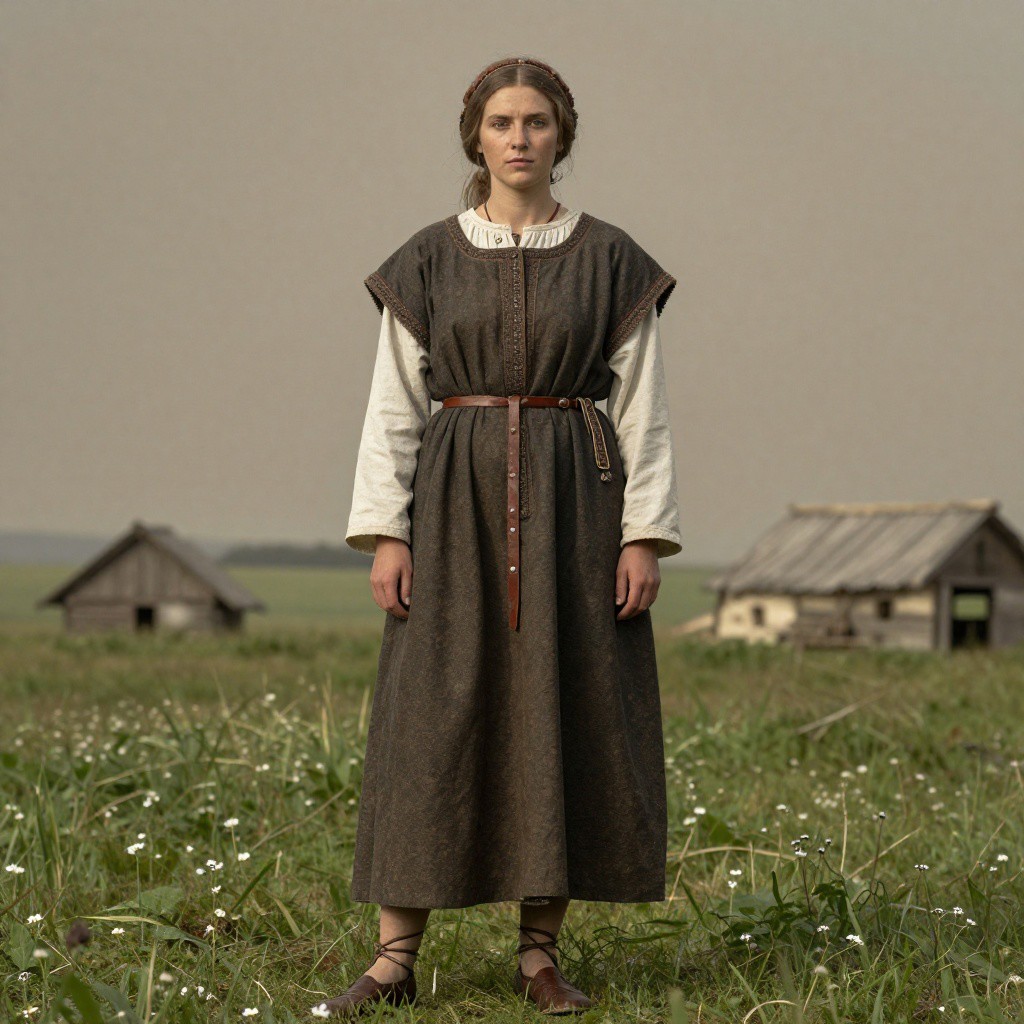
Portrait of ancient individual TAV011 from Mongolia, dated 200 BCE - 1500 CE
TAV011
Mongolia Late Medieval Xiongnu 200 BCE - 1500 CE Late Xiongnu C4b1 Direct
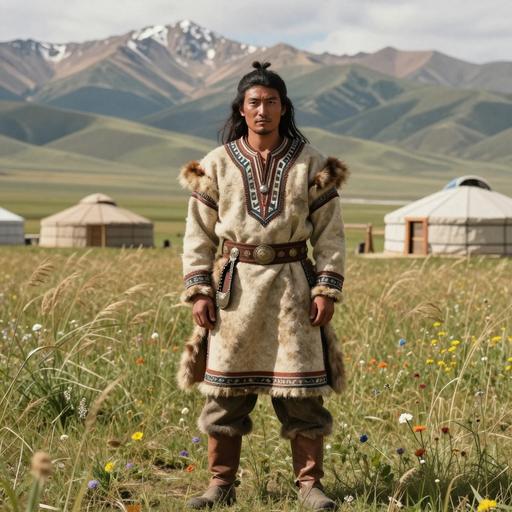
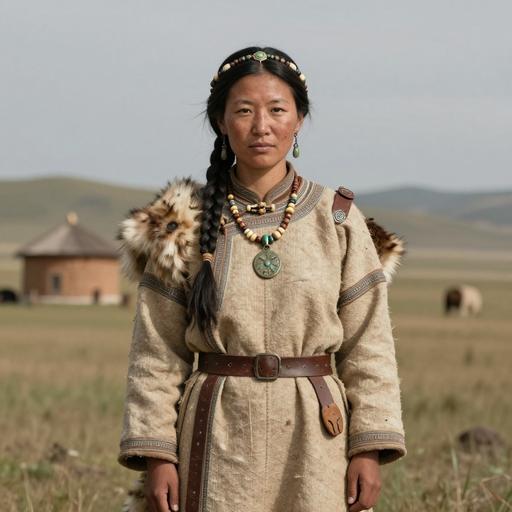
Portrait of ancient individual DA100 from Kyrgyzstan, dated 235 CE - 425 CE
DA100
Kyrgyzstan The Hun Period in Kyrgyzstan 235 CE - 425 CE Hunnic Period C4b1 Direct
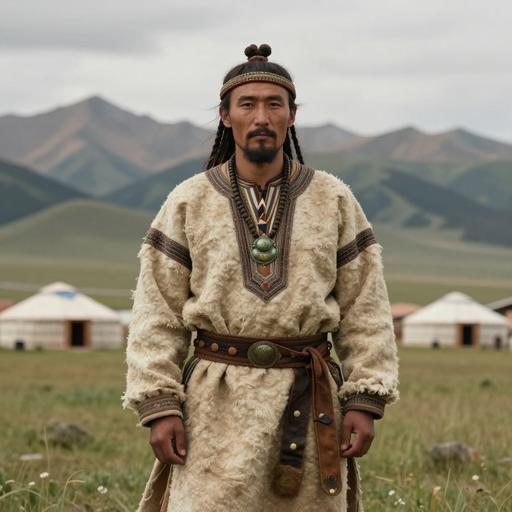
Portrait of ancient individual DA100 from Kyrgyzstan, dated 235 CE - 425 CE
DA100
Kyrgyzstan The Huns 235 CE - 425 CE C4b1 Direct
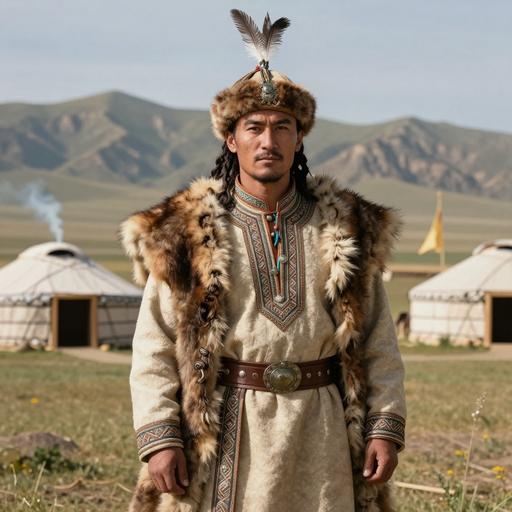
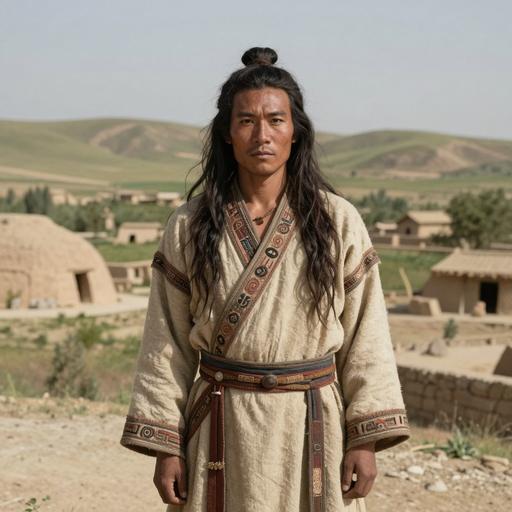
Portrait of ancient individual DA27 from Kazakhstan, dated 265 CE - 539 CE
DA27
Kazakhstan Nomadic Kazakhstan 265 CE - 539 CE Nomadic Kazakh C4b1 Direct
Portrait of ancient individual DA27 from Kazakhstan, dated 265 CE - 539 CE
DA27
Kazakhstan The Huns and Sarmatians 265 CE - 539 CE C4b1 Direct
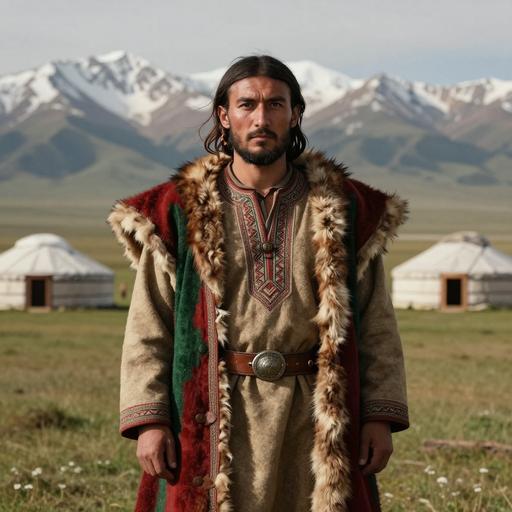
Portrait of ancient individual DA86 from Kyrgyzstan, dated 413 CE - 573 CE
DA86
Kyrgyzstan Turkic Period Kyrgyzstan 413 CE - 573 CE Turkic Culture C4b1 Direct
Portrait of ancient individual DA86 from Kyrgyzstan, dated 413 CE - 573 CE
DA86
Kyrgyzstan Medieval Turkic Tribes 413 CE - 573 CE C4b1 Direct
Portrait of ancient individual I6351 from Mongolia, dated 1006 BCE - 846 BCE
I6351
Mongolia Late Bronze Age Center West 4, Mongolia 1006 BCE - 846 BCE Center West 4 C4b1 Direct
Portrait of ancient individual BB2013 from China, dated 670 CE - 798 CE
BB2013
China Dulan-Wayan Culture 670 CE - 798 CE Dulan-Wayan C4b1a Downstream
Portrait of ancient individual DA106 from Kyrgyzstan, dated 1161 CE - 1272 CE
DA106
Kyrgyzstan Medieval Nomad, Kyrgyzstan 1161 CE - 1272 CE Medieval Nomadic C4b1a Downstream
Chapter VI

Carrier Distribution Map

Geographic distribution of 11 ancient DNA samples (direct and subclade carriers of C4B1)

Direct carrier Subclade carrier
Time Period Filter
All Time Periods
Showing all samples
Chapter VII

Temporal Distribution

Distribution of carriers across archaeological periods

Chapter VIII

Geographic Distribution

Distribution by country of origin (direct and subclade carriers shown by default)

Chapter IX

Country × Era Distribution

Cross-tabulation of carrier countries and archaeological periods (direct and subclade carriers shown by default)

Data

Data & Provenance

Source information and data quality

Last Updated 2026-02-16
Confidence Score 50/100
Coverage Low
Data Source

We use the latest phylotree for MTDNA haplogroup classification and data.