mtDNA · Maternal lineage

L0d

mtDNA Haplogroup L0d

A reference profile for one lineage branch. Shared haplogroups do not establish a family relationship or cultural identity.

Reference profile

Branch background

Historical context for mtDNA lineage branch L0d

Origins and Evolution

mtDNA haplogroup L0d is one of the oldest branches of macro-haplogroup L and represents a long-standing maternal lineage in southern Africa. Based on phylogenetic position beneath L0 and molecular-clock estimates, L0d likely coalesced in the Late Pleistocene (on the order of ~100–140 kya, here approximated as ~120 kya). The high internal diversity of L0d among Khoe-San populations indicates a long period of local diversification and deep population continuity in southern Africa.

Subclades (if applicable)

L0d is subdivided into multiple subclades (commonly reported as L0d1, L0d2, L0d3 and internal branches thereof). These subclades show differing geographic and frequency patterns: for example, some L0d1 and L0d2 lineages are frequent and diverse within Khoe-San groups, while other minor branches have restricted distributions or appear at low frequencies in neighboring populations. Coalescence times for individual subclades are younger than the basal L0d node (often tens of thousands of years) and reflect both deep Pleistocene splits and more recent demographic processes.

Geographical Distribution

L0d reaches its highest frequencies and diversity in southern Africa among Khoe-San forager groups (e.g., Ju|'hoan, !Kung, Nama and related communities). Lower-frequency occurrences are observed in neighboring Bantu-speaking populations (reflecting regional admixture), in some East African groups at low-to-moderate frequencies, and sporadically in Central African foragers. Small numbers of L0d lineages are also detectable in African-descended populations in the Americas and, rarely, in North Africa or the Near East as a result of historical gene flow.

Ancient DNA from southern Africa has recovered L0d and closely related L0 lineages in Holocene forager remains, supporting the interpretation that L0d has been present in the region for many millennia.

Historical and Cultural Significance

Because of its deep age and concentrated diversity among Khoe-San populations, L0d is often used as a genetic marker for long-term population continuity of southern African foragers and for reconstructing prehistoric demographic events in the region. It provides a maternal complement to Y-chromosome signals (for example, Y haplogroups A and B) that are also common in indigenous southern African groups. L0d is not specifically tied to transcontinental archaeological cultures like Bell Beaker or Yamnaya; rather, its primary archaeological association is with local Later Stone Age forager traditions in southern Africa. During the Holocene and especially with the Iron Age and the Bantu expansions, L0d lineages entered some neighboring farming and pastoralist groups via admixture.

Conclusion

L0d is a cornerstone lineage for understanding deep maternal ancestry in southern Africa. Its antiquity, high diversity among Khoe-San groups, and signal in ancient DNA collectively point to long-term local differentiation and limited large-scale displacement in some parts of southern Africa. Studying L0d and its subclades continues to clarify the timing and structure of human population history in the Late Pleistocene and Holocene of Africa.

Key Points

  • Origins and Evolution
  • Subclades (if applicable)
  • Geographical Distribution
  • Historical and Cultural Significance
  • Conclusion
Reference profile

Tree & Relationships

Phylogenetic context and subclades

Evolution Path

Follow the recorded parent branches toward L0d. Dates are estimates and can change as reference data is revised.

Steps Haplogroup Age Estimate Archaeology Era Time Passed Immediate Descendants Tested Modern Descendants Ancient Connections
1 L0d Current ~120,000 years ago Paleolithic 120,000 years 2 24 4
2 L0 ~170,000 years ago Paleolithic 170,000 years 3 384 6
3 L ~160,000 years ago Paleolithic 160,000 years 2 32,236 5

Siblings (2)

Other branches from the same parent haplogroup

Reference profile

Where in the World

Geographic distribution and modern presence

Recorded origin

Southern Africa

Modern Distribution

The populations where mtDNA haplogroup L0d is found include:

  1. Khoe-San groups of southern Africa (e.g., Ju|'hoan, !Kung, Nama)
  2. Various southern African Bantu-speaking populations (low-to-moderate frequency due to admixture)
  3. Some East African populations at low-to-moderate frequencies (reflecting ancient and historic contacts)
  4. Central African forager groups (low frequency)
  5. African-descended populations in the Americas (rare, due to the transatlantic slave trade)
  6. Occasional low-frequency occurrences in North Africa and the Near East (historical admixture)
Historical context

A branch through time

Estimated formation in a broad historical timeline. Period markers provide context and do not imply a connection with particular cultures.

  1. ~120k years ago

    Haplogroup L0d

    Estimated formation of this mtDNA branch; dates and locations are reference estimates.

    This branch
  2. ~70k years ago

    Out of Africa

    Major migration of modern humans out of Africa

  3. ~50k years ago

    Upper Paleolithic

    Advanced tool-making, art, and cultural explosion

  4. ~20k years ago

    Last Glacial Maximum

    Peak of the last ice age, populations isolated

  5. ~10k years ago

    Neolithic Revolution

    Agriculture begins, settled communities form

  6. ~5k years ago

    Bronze Age

    Metalworking, writing, and early civilizations

  7. ~3k years ago

    Iron Age

    Iron tools, expanded trade networks

  8. ~2.5k years ago

    Classical Antiquity

    Greek and Roman civilizations flourish

  9. Present

    Present Day

    Modern era

Reference profile

Archaeological context

Recorded archaeological associations for mtDNA branch L0d

Recorded associations

These labels describe archaeological contexts recorded for reference samples linked to L0d. An association does not establish that all carriers belonged to a culture or followed a particular migration route.

Fingira Culture Hora Culture Makwasinyi Malawian LSA Mtwapa Pemba Phase I Tanzanian Prehistoric Terminal Stone Age
Culture assignments are based on archaeological context of ancient DNA samples and may represent regional associations during specific time periods.
Reference profile

Sample Catalog

4 subclade carriers of haplogroup L0d (no direct carriers in the current reference selection)

4 shown · 4 matching samples

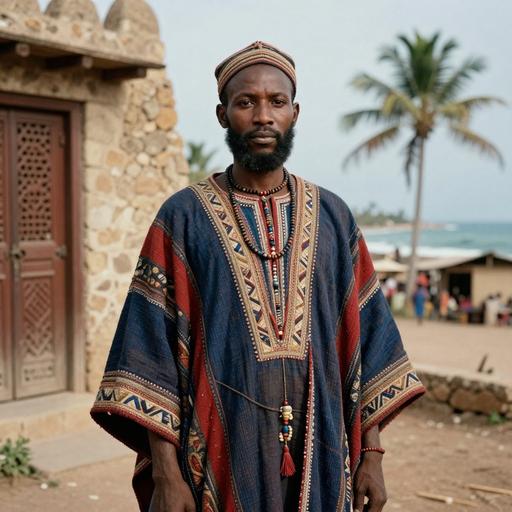
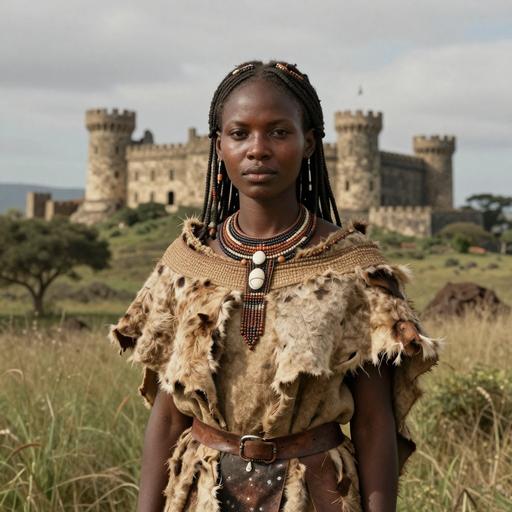
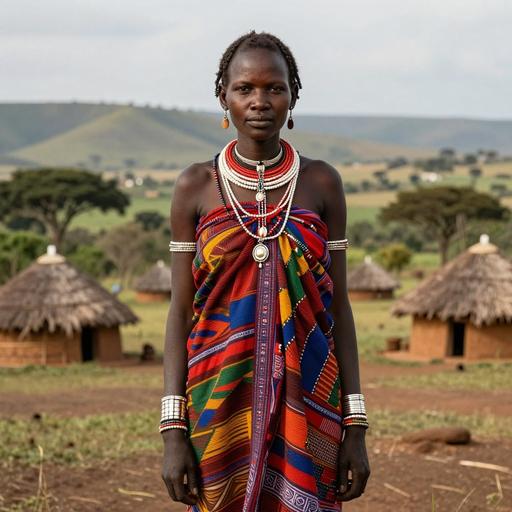
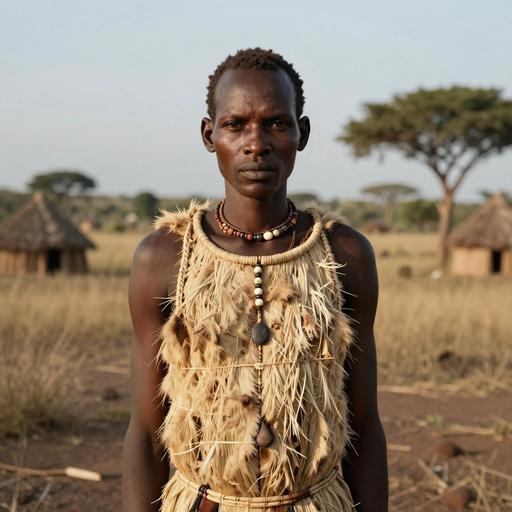
Portraits are AI-generated illustrations. Sample labels and accession IDs identify the reference records.

Portrait Sample Country Era Date Culture mtDNA Match
AI-generated illustrative portrait of Medieval Swahili individual, Mtwapa (Kilifi), Kenya (1,323-1,423 CE)
Sample ID: I19423
Kenya Swahili Culture of Mtwapa 1323-1423 calCE (600±20 BP, PSUAMS-12151) Mtwapa L0d3 Subclade
AI-generated illustrative portrait of South Africa individual, Champagne Castle, South Africa (1,504-1,793 CE)
Sample ID: cha001
South Africa South Africa 2200 Years Before Present 1504-1793 calCE (310±30 BP, Beta-398218) Terminal Stone Age L0d2 Subclade
AI-generated illustrative portrait of Swahili individual, Makwasinyi (Taita-Taveta), Kenya (1,650-1,950 CE)
Sample ID: I14780
Kenya Makwasinyi (Kenya) 1650-1950 CE Makwasinyi L0d3 Subclade
AI-generated illustrative portrait of African Stone Age individual, Mzimba District. Hora, Malawi (15,050-12,050 BCE)
Sample ID: I19528
Malawi Late Stone Age Malawi 15050 BCE - 12050 BCE Malawian LSA L0d3 Subclade
MATERNAL LINEAGE · ANCIENT DNA

Ancient lineage evidence map

Follow parent clades toward this branch and explore where ancient carriers were found.

Loading ancient observations…

Markers are archaeological find locations. A dashed connector is an uncertain, proposed geographic transition between consecutive branches supported by multiple dated observations; it is not an exact travel route, birthplace or proof of direct descent. Parent-clade samples may belong to other descendant branches. Gaps remain where evidence is insufficient. Sample dates differ from haplogroup formation dates.

Reference profile

Carrier Distribution Map

Geographic distribution of 4 ancient DNA samples (direct and subclade carriers of L0d)

Subclade carrier
Time Period Filter
All Time Periods
Showing all samples
Reference profile

Temporal Distribution

Distribution of carriers across archaeological periods

Reference profile

Geographic Distribution

Counts by recorded sample country. These reflect the available reference selection, not population frequencies.

Reference profile

Country × Era Distribution

Compare recorded sample counts across countries and archaeological periods. Select a populated cell to inspect a sample.

Data

Data & Provenance

Source information and data quality

Last Updated 2026-02-09

Data Source

Classification, estimated dates and geographic context reflect the recorded reference data and may change as evidence is revised. Sample coverage is uneven; recorded locations and archaeological associations do not establish personal origin or cultural identity.

A haplogroup follows one maternal or paternal line. The branch prediction depends on which markers the DNA file contains. How our analysis works