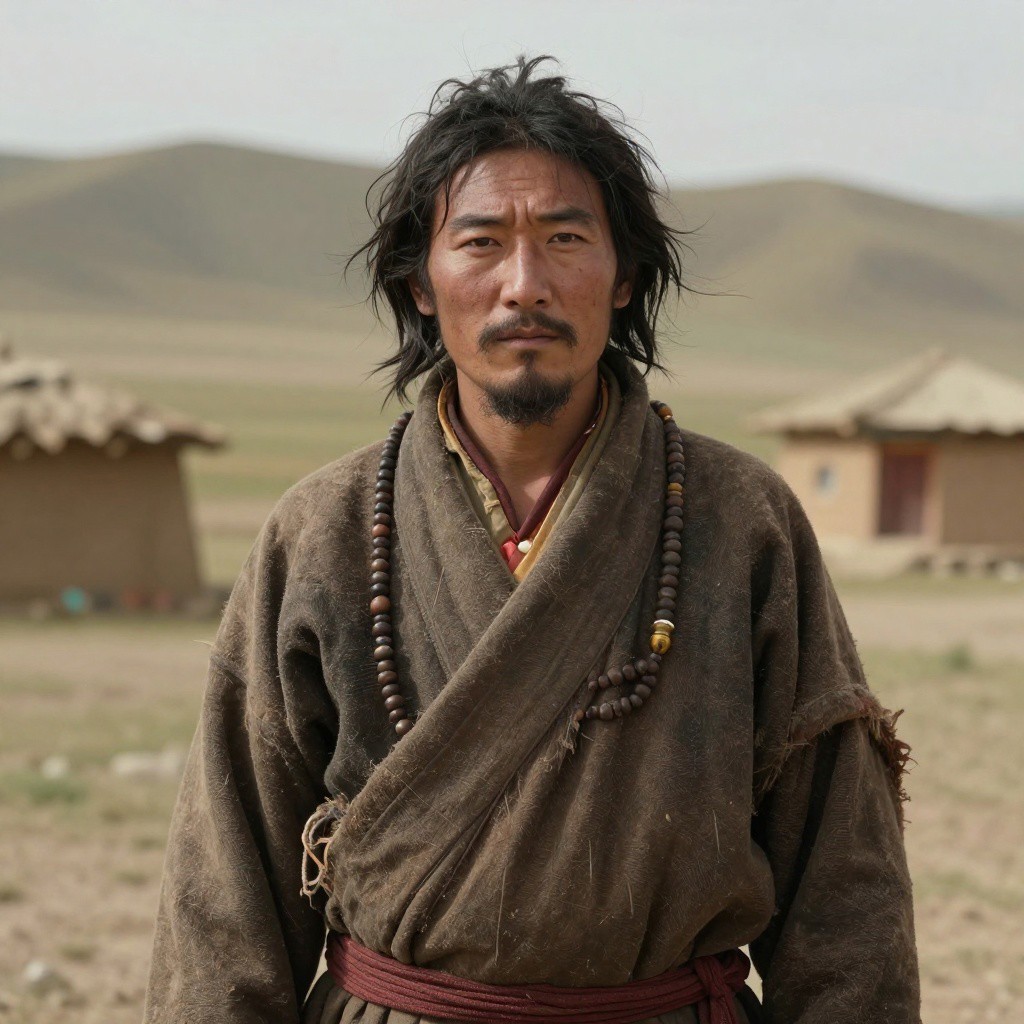
The Story
The journey of mtDNA haplogroup M62
Origins and Evolution
mtDNA haplogroup M62 is a subclade within the macro-haplogroup M, one of the primary maternal lineages associated with the early dispersal of modern humans across Eurasia after the Out-of-Africa expansion. Macro-haplogroup M is widespread across South, Southeast and East Asia and is generally dated to roughly 50–60 kya; as a derived lineage within this tree, M62 is expected to have arisen later. Based on phylogenetic position (as part of the M62'68 node) and comparative time depth of nearby M subclades, a conservative estimate places the origin of M62 in the Late Pleistocene to early Holocene (roughly 20–30 kya), although available sequence sampling is sparse and age estimates remain tentative.
Subclades (if applicable)
M62 occupies an intermediate position in the Phylotree-defined branch M62'68, which implies a sister relationship with M68. Currently published and public sequence databases report limited internal diversity within M62 itself, and any downstream subclades remain poorly resolved or under-sampled. Because M62 is an intermediate node, additional whole-mtGenome sequencing from populations in its inferred range would be required to identify and validate finer internal structure and younger sublineages.
Geographical Distribution
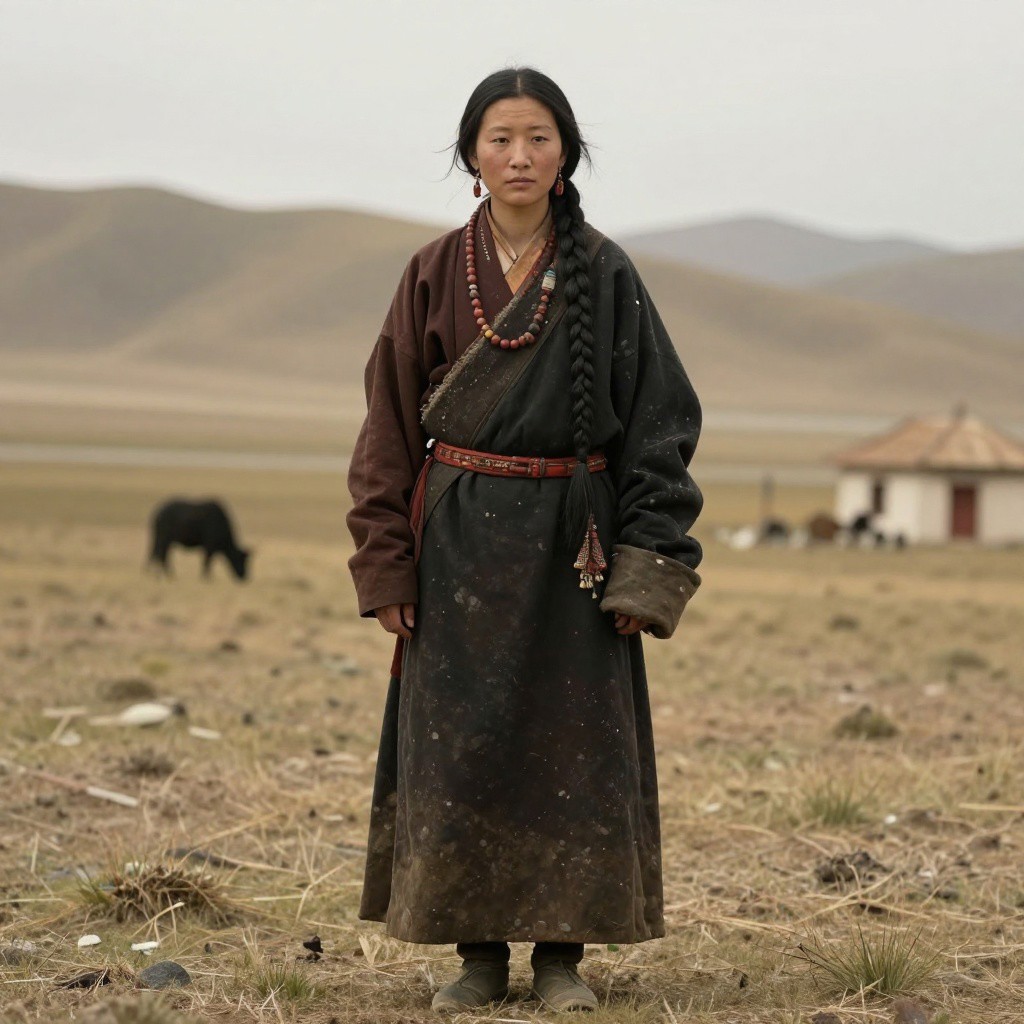
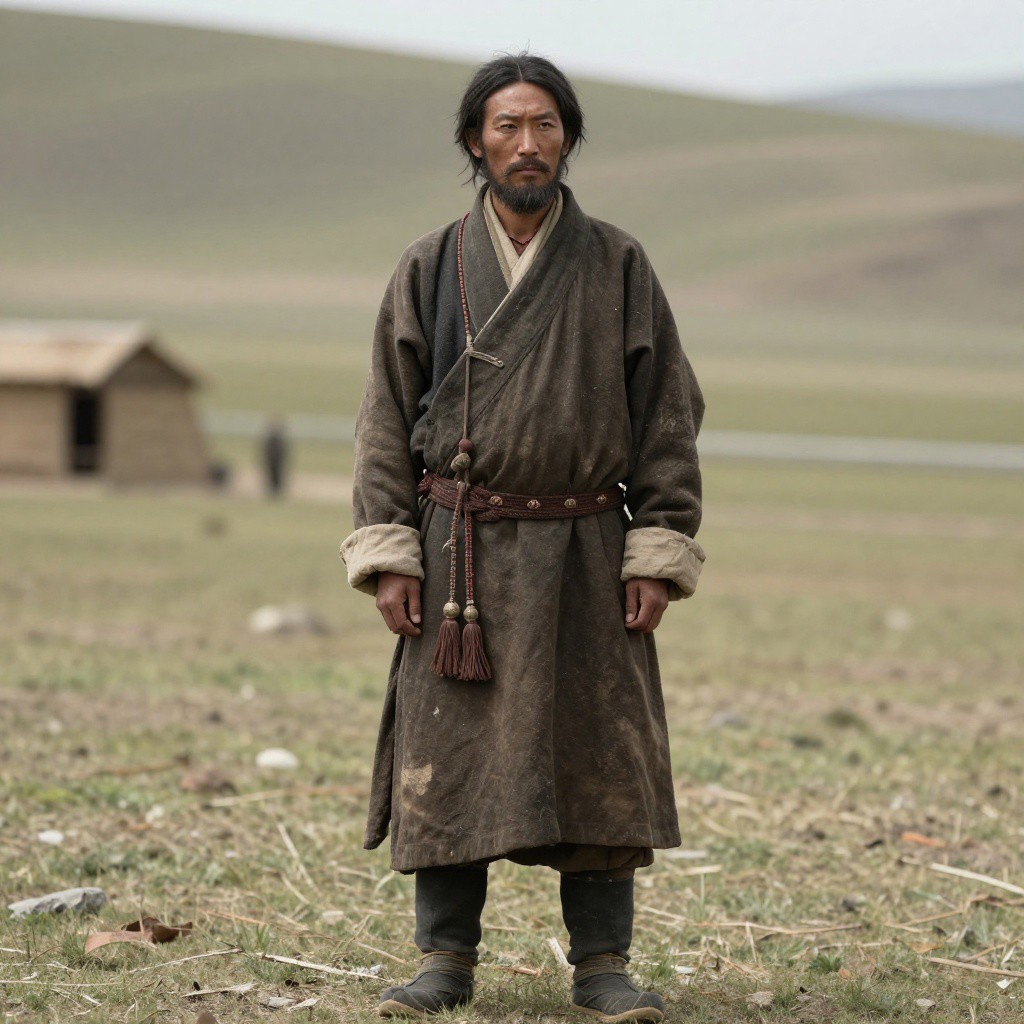
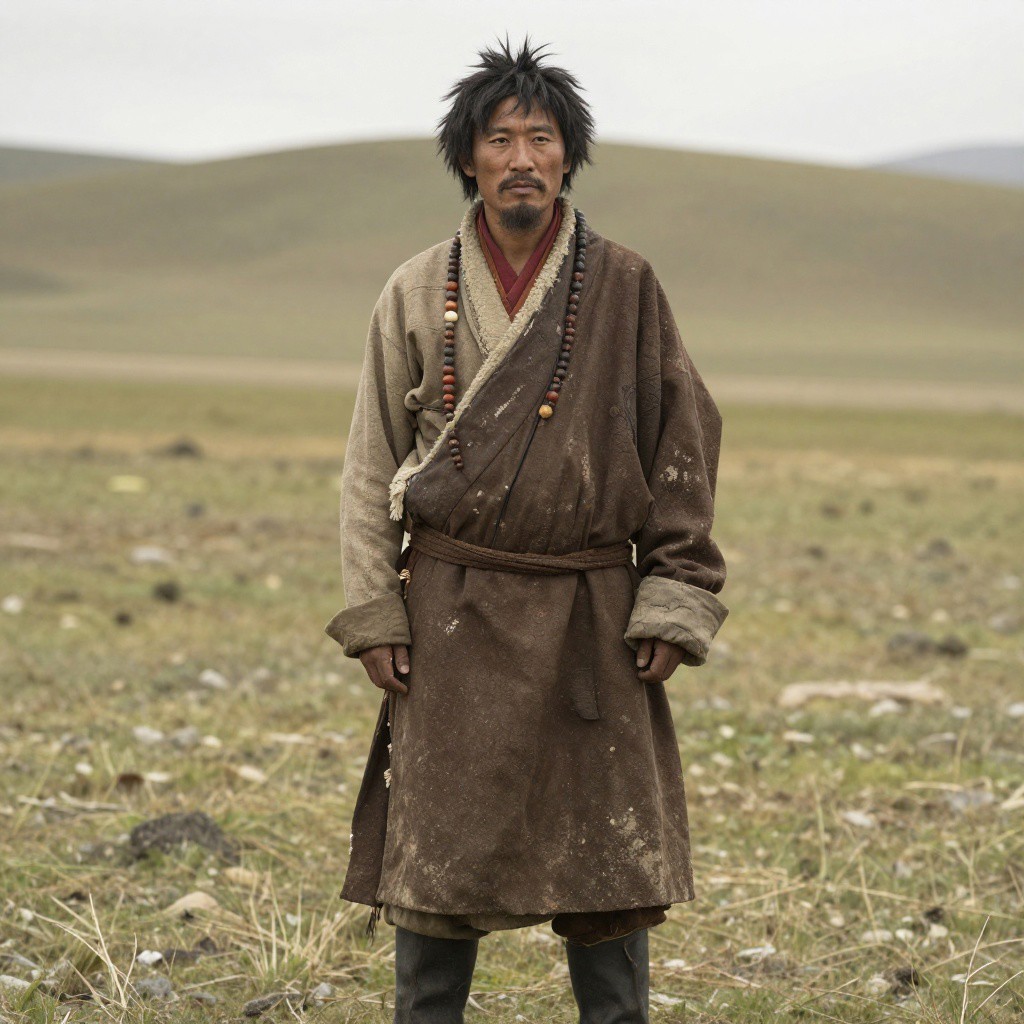
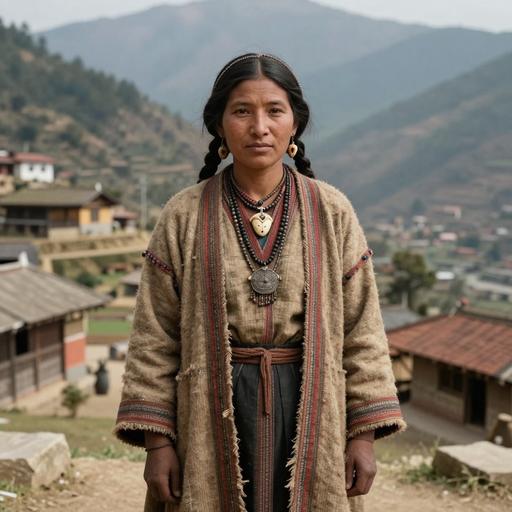
The currently available data and phylogeographic inference suggest that M62 is most likely to be found in and around the Himalayan region and adjacent parts of South and Southeast Asia. Reported occurrences are rare and geographically patchy, which is consistent with either a historically low-frequency lineage retained in isolated highland or tribal populations, or with undersampling in published datasets. Possible concentration areas (pending better sampling) include Tibeto-Burman-speaking groups in the eastern Himalaya, some highland populations of Northeast India and Myanmar, and select mainland Southeast Asian groups.
Historical and Cultural Significance
Because M62 is uncommon in published datasets, direct archaeological associations are tentative. Reasonable inferences are:
- Paleolithic/Holocene continuity: As a derived branch of M, M62 may reflect local persistence of maternal lineages through Late Pleistocene hunter-gatherer populations and into the Holocene in montane or sheltered ecological zones.
- Regional demographic events: The haplogroup could have been affected by later regional processes such as Holocene upland population continuity, Neolithic language and demographic transitions (including Tibeto-Burman expansions), or more recent genetic drift in small, isolated groups.
At present there is no strong, direct link tying M62 to a single named archaeological culture (for example, unlike some European mtDNA associations), so interpretations emphasize continuity and isolation rather than clear archaeogenetic signatures tied to a single culture.
Conclusion
mtDNA M62 is an understudied, low-frequency maternal lineage nested within macro-haplogroup M. Phylogenetic position and the geographic context of related M subclades point to a South/Central Asian or Himalayan origin during the Late Pleistocene or early Holocene (estimated ~25 kya), but confidence is limited by sparse sampling. Targeted whole-mitochondrial sequencing of highland and peripheral South/Southeast Asian populations, along with incorporation of ancient DNA where available, would clarify age, internal structure, and precise geographic history of M62.
Key Points
- Origins and Evolution
- Subclades (if applicable)
- Geographical Distribution
- Historical and Cultural Significance
- Conclusion