mtDNA · Maternal lineage

T2D2

mtDNA Haplogroup T2D2

A reference profile for one lineage branch. Shared haplogroups do not establish a family relationship or cultural identity.

Reference profile

Branch background

Historical context for mtDNA lineage branch T2D2

Origins and Evolution

mtDNA haplogroup T2D2 is a downstream subclade of the T2D lineage, itself a branch of the broader T2 haplogroup. Based on phylogenetic position and the distribution of derived mutations, T2D2 most likely arose in the Near East or Anatolia during the early to mid-Neolithic (roughly 7–9 kya), slightly later than the initial diversification of T2D. The emergence of T2D2 is consistent with a pattern in which Near Eastern maternal lineages diversified and were carried westward with early farming populations.

Ancient DNA evidence (T2D and specific T2D2-like haplotypes appear among a small number of archaeological samples; this dataset includes 8 identified samples associated with T2D/T2D2 clades) supports a Neolithic-era dispersal into Europe and persistence in regional maternal pools thereafter.

Subclades

T2D2 is a subclade beneath T2D; internal diversity within T2D2 appears limited in modern datasets, reflecting its relatively low frequency and the modest number of confirmed sequences. Where higher-resolution surveys and mitogenomes are available, T2D2 can be distinguished from sibling T2D sublineages by specific coding-region and control-region mutations. As sequencing of additional ancient and modern mitogenomes continues, finer substructure within T2D2 may be resolved.

Geographical Distribution

The contemporary distribution of T2D2 is patchy but geographically informative. Highest relative representation is found in populations with historical links to Near Eastern and Anatolian Neolithic expansions, and it has been detected at low to moderate frequencies across:

  • Southern and Central Europe (particularly Mediterranean-adjacent populations)
  • Eastern Europe
  • The Near East / Middle East and Anatolia
  • The Caucasus and parts of Central Asia
  • North Africa at low frequencies
  • Some Jewish communities (including reported occurrences in Ashkenazi-associated lineages)

This pattern is compatible with an origin in Anatolia/Near East followed by dispersal with early farmers into Europe and subsequent localized drift, founder effects, and limited gene flow between regions.

Historical and Cultural Significance

Because T2D2 is principally associated with Neolithic-associated maternal lineages, its presence in Europe is frequently interpreted as a marker of Neolithic farming ancestry or later movements that carried Neolithic-derived maternal lineages (for example, maritime Mediterranean expansions). It is not primarily a marker of steppe Bronze Age migrations, although low-frequency occurrences in Bronze Age and later contexts can reflect complex demographic histories (admixing, local continuity, or secondary movements).

In Jewish population studies, sporadic detection of T2D2-like mitotypes is consistent with the complex maternal ancestry of diasporic communities that includes Near Eastern and Mediterranean contributions.

Ancient DNA and Research Context
The identification of T2D/T2D2 in a small number of ancient samples (8 entries in the referenced database) supports continuity of this lineage from the Neolithic into historical periods in multiple regions. However, because T2D2 is relatively rare, larger ancient mitogenome datasets and targeted high-resolution sequencing are required to clarify its temporal and geographic trajectories and to resolve internal branching.

Conclusion

T2D2 is a low-frequency but informative maternal clade whose phylogeography points to a Near Eastern/Anatolian origin in the Neolithic and a subsequent dispersion into Europe and neighboring regions with farming populations. Its sporadic presence in diverse regions today reflects a mix of Neolithic dispersal, later migrations, founder effects, and genetic drift. Continued mitogenome sequencing of modern and archaeological samples will improve resolution of T2D2 substructure and historical dynamics.

Key Points

  • Origins and Evolution
  • Subclades
  • Geographical Distribution
  • Historical and Cultural Significance
  • Ancient DNA and Research Context
Reference profile

Tree & Relationships

Phylogenetic context and subclades

Evolution Path

Follow the recorded parent branches toward T2D2. Dates are estimates and can change as reference data is revised.

Steps Haplogroup Age Estimate Archaeology Era Time Passed Immediate Descendants Tested Modern Descendants Ancient Connections
1 T2D2 Current ~8,000 years ago Neolithic 7,500 years 0 1 0
2 T2D ~9,000 years ago Neolithic 9,000 years 3 23 11
3 T2 ~21,000 years ago Mesolithic 21,000 years 13 1,141 70
4 T ~27,000 years ago Paleolithic 27,000 years 3 1,950 84
5 JT ~40,000 years ago Paleolithic 40,000 years 2 4,094 1
6 R2'JT - - - 2 4,133 0
7 R ~55,000 years ago Paleolithic 55,000 years 17 22,830 57
8 NA - - - 1 22,830 0
9 N ~60,000 years ago Paleolithic 60,000 years 16 26,150 13
10 L3 ~70,000 years ago Paleolithic 70,000 years 7 30,162 6
11 L3'4 - - - 2 30,212 0
12 L3'4'6 - - - 2 30,216 0
13 L2'3'4'6 - - - 2 31,333 0
14 L2'3'4'5'6'7 - - - 2 31,349 0
15 L1'2'3'4'5'6'7 - - - 2 31,852 0
16 L ~160,000 years ago Paleolithic 160,000 years 2 32,236 5

Subclades (0)

Terminal branch - no recorded subclades

Siblings (2)

Other branches from the same parent haplogroup

Reference profile

Where in the World

Geographic distribution and modern presence

Recorded origin

Near East / Anatolia

Modern Distribution

The populations where mtDNA haplogroup T2D2 is found include:

  1. Southern and Central European populations
  2. Eastern European populations
  3. Middle Eastern (Near Eastern) populations
  4. North African populations (lower frequencies)
  5. Central Asian and Caucasus populations
  6. Jewish populations (notably some Ashkenazi lineages)
Historical context

A branch through time

Estimated formation in a broad historical timeline. Period markers provide context and do not imply a connection with particular cultures.

  1. ~10k years ago

    Neolithic Revolution

    Agriculture begins, settled communities form

  2. ~7.5k years ago

    Haplogroup T2D2

    Estimated formation of this mtDNA branch; dates and locations are reference estimates.

    This branch
  3. ~5k years ago

    Bronze Age

    Metalworking, writing, and early civilizations

  4. ~3k years ago

    Iron Age

    Iron tools, expanded trade networks

  5. ~2.5k years ago

    Classical Antiquity

    Greek and Roman civilizations flourish

  6. Present

    Present Day

    Modern era

Reference profile

Archaeological context

Recorded archaeological associations for mtDNA branch T2D2

Recorded associations

These labels describe archaeological contexts recorded for reference samples linked to T2D2. An association does not establish that all carriers belonged to a culture or followed a particular migration route.

Austria_Avar Bulgarian EBA Etruscan Geoksyur Culture Hasanlu Culture Iranian Bronze-Iron Transition Late Roman Ob River Culture Pottery Neolithic Roman Empire Romanian Neolithic Russia_Omsk_N Shahr-i Sokhta Ukrainian Neolithic
Culture assignments are based on archaeological context of ancient DNA samples and may represent regional associations during specific time periods.
Reference profile

Sample Catalog

9 direct carriers of haplogroup T2D2

9 shown · 9 matching samples

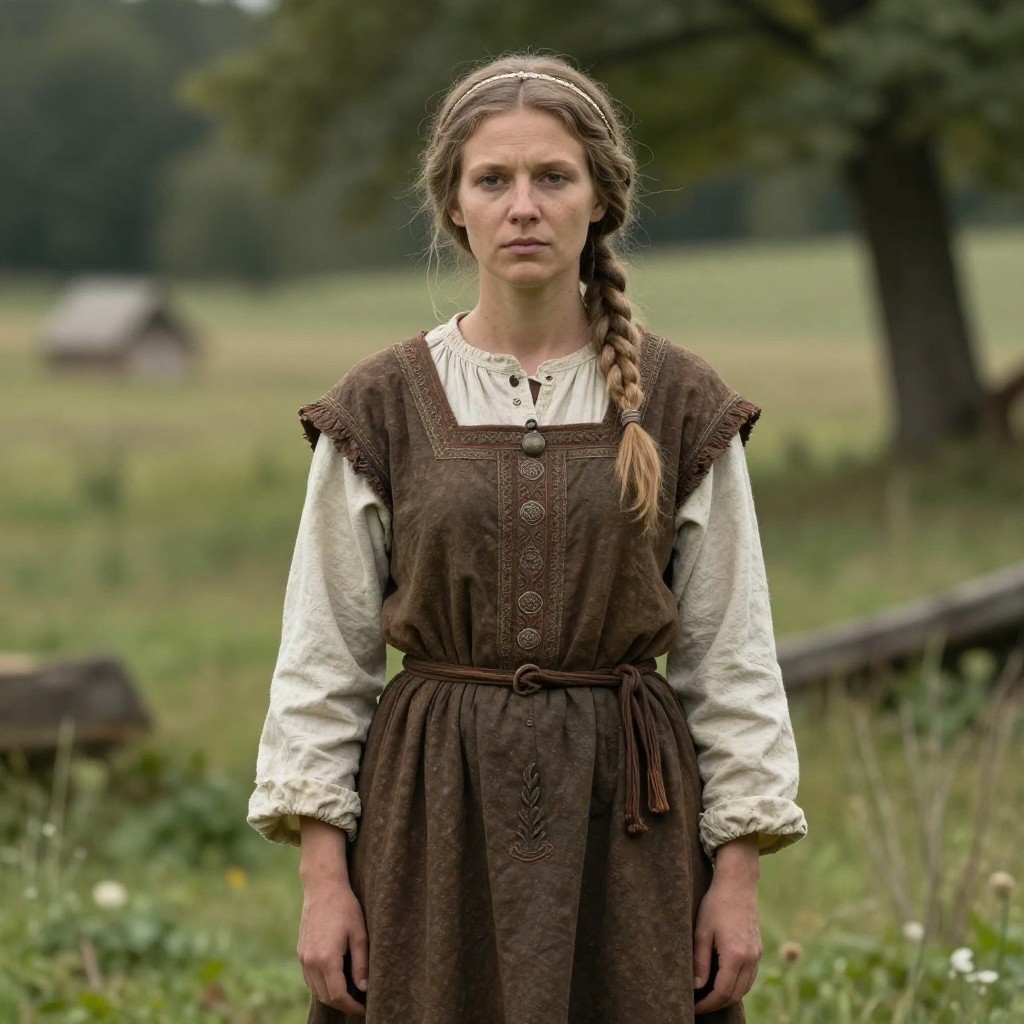
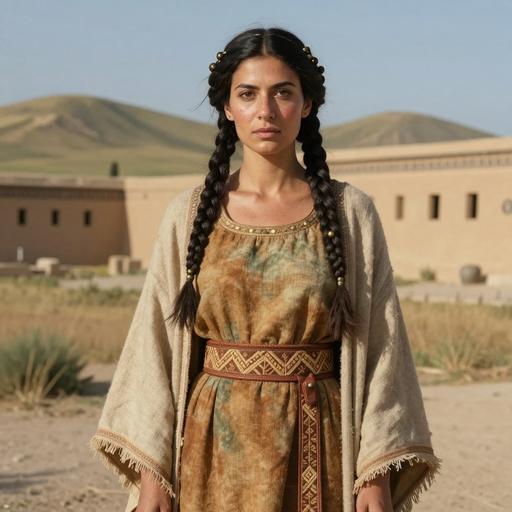
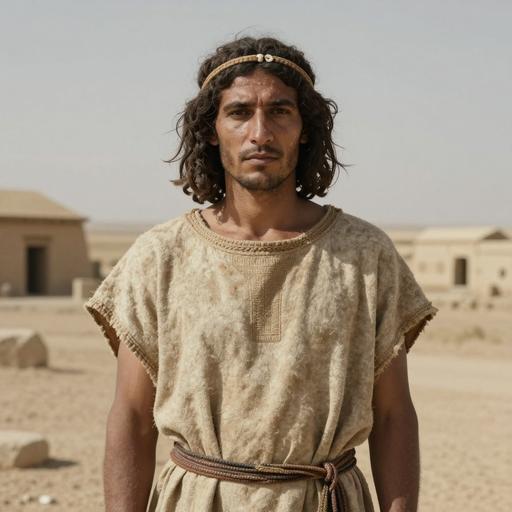
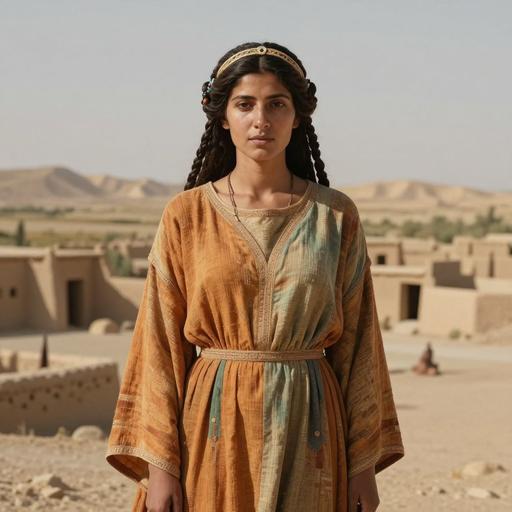
Portraits are AI-generated illustrations. Sample labels and accession IDs identify the reference records.

Portrait Sample Country Era Date Culture mtDNA Match
AI-generated illustrative portrait of Lazio Late Antiquity Imperial Roman Roman individual, Isola Sacra, Italy (1-400 CE)
Sample ID: R38
Italy Imperial Rome 1-400 CE Roman Empire T2d2 Direct
AI-generated illustrative portrait of Lazio Late Antiquity Roman individual, Marcellino & Pietro, Italy (300-500 CE)
Sample ID: R136
Italy Late Antiquity Italy 300-500 CE Late Roman T2d2 Direct
AI-generated illustrative portrait of Lazio IA IA d Etruscan individual, Lazio. Viterbo. Tarquinia, Italy (400-1 BCE)
Sample ID: TAQ005
Italy Etruscan Italy 400-1 BCE Etruscan T2d2 Direct
AI-generated illustrative portrait of Avar individual, Mödling-An der Goldenen Stiege (Lower Austria, Mödling District), Austria (650-800 CE)
Sample ID: MGS428
Austria Austria Avar 650-800 CE Austria_Avar T2d2 Direct
AI-generated illustrative portrait of Hasanlu IA individual, Hasanlu, Iran (761-479 BCE)
Sample ID: I4338
Iran Iran Hasanlu IA 761-479 calBCE (2470±20 BP, PSUAMS-2984) Hasanlu Culture T2d2 Direct
AI-generated illustrative portrait of Dinkha Tepe BA IA2-2 individual, Dinkha Tepe, Iran (1,111-931 BCE)
Sample ID: I4273
Iran The Transition from Bronze Age to Iron Age in Iran 1111-931 calBCE (2855±20 BP, PSUAMS-2983) Iranian Bronze-Iron Transition T2d2 Direct
AI-generated illustrative portrait of Tell Ezero EBA-o North Europe individual, Tell Ezero (South Central), Bulgaria (2,500-2,250 BCE)
Sample ID: I19457
Bulgaria Early Bronze Age Bulgaria 2500-2250 BCE Bulgarian EBA T2d2 Direct
AI-generated illustrative portrait of Shahri Sokhta BA3-3 individual, Seistan. Shahr-i Sokhta, Iran (2,900-2,700 BCE)
Sample ID: I11472
Iran Bronze Shahr-i Sokhta 2900-2700 BCE Shahr-i Sokhta T2d2 Direct
AI-generated illustrative portrait of Central Asian Chalcolithic individual, Geoksyur, Turkmenistan (3,096-2,919 BCE)
Sample ID: I8504
Turkmenistan Chalcolithic Geoksyur 3096-2919 calBCE (4400±25 BP, PSUAMS-3986) Geoksyur Culture T2d2 Direct
MATERNAL LINEAGE · ANCIENT DNA

Ancient lineage evidence map

Follow parent clades toward this branch and explore where ancient carriers were found.

Loading ancient observations…

Markers are archaeological find locations. A dashed connector is an uncertain, proposed geographic transition between consecutive branches supported by multiple dated observations; it is not an exact travel route, birthplace or proof of direct descent. Parent-clade samples may belong to other descendant branches. Gaps remain where evidence is insufficient. Sample dates differ from haplogroup formation dates.

Reference profile

Carrier Distribution Map

Geographic distribution of 9 ancient DNA samples (direct and subclade carriers of T2D2)

Direct carrier
Time Period Filter
All Time Periods
Showing all samples
Reference profile

Temporal Distribution

Distribution of carriers across archaeological periods

Reference profile

Geographic Distribution

Counts by recorded sample country. These reflect the available reference selection, not population frequencies.

Reference profile

Country × Era Distribution

Compare recorded sample counts across countries and archaeological periods. Select a populated cell to inspect a sample.

Data

Data & Provenance

Source information and data quality

Last Updated 2026-02-16
Confidence Score 50/100
Coverage Low

Data Source

Classification, estimated dates and geographic context reflect the recorded reference data and may change as evidence is revised. Sample coverage is uneven; recorded locations and archaeological associations do not establish personal origin or cultural identity.

A haplogroup follows one maternal or paternal line. The branch prediction depends on which markers the DNA file contains. How our analysis works