The Story
The journey of mtDNA haplogroup U4
Origins and Evolution
Haplogroup U4 is a deep-branching subclade of mtDNA haplogroup U (specifically part of the U2'3'4'7'8'9 grouping) with a likely coalescence in the Upper Paleolithic of Northern Eurasia roughly around ~25 kya (estimates vary by study and calibration). As a branch of haplogroup U, U4 shares the Paleolithic roots of many West Eurasian maternal lineages but shows a distribution and substructure consistent with post-glacial expansions, Mesolithic persistence, and later Bronze Age movements.
Subclades
U4 contains several named subclades (commonly reported in the literature as U4a, U4b, U4c, etc.), each with differing geographic emphases and ages. U4a is often reported in both ancient and modern Northern/Eastern European and Siberian samples, and is commonly observed in Mesolithic and later Bronze Age contexts. U4b and other minor subbranches show more localized distributions, with occasional occurrences in South Asia and Central Asia indicating long-distance gene flow or later admixture events. Ancient DNA (aDNA) studies continue to refine the subclade tree and the geographic histories of individual branches.
Geographical Distribution
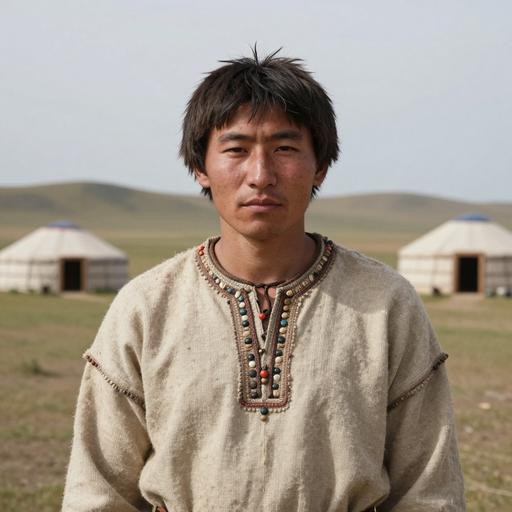
Genetic surveys and aDNA research indicate that U4 has a pronounced presence in Northern and Eastern Europe (including the Baltic, Scandinavia, Finland, and parts of Russia) and in Siberia. It appears at lower but detectable frequencies in Central Asia and sporadically in South Asia and the Near East. Ancient samples from Mesolithic hunter-gatherer sites, as well as Bronze Age steppe populations (e.g., individuals associated with the Yamnaya horizon and some Corded Ware contexts), have carried U4 lineages, linking the haplogroup to both long-term local persistence and steppe-associated movements.
Historical and Cultural Significance
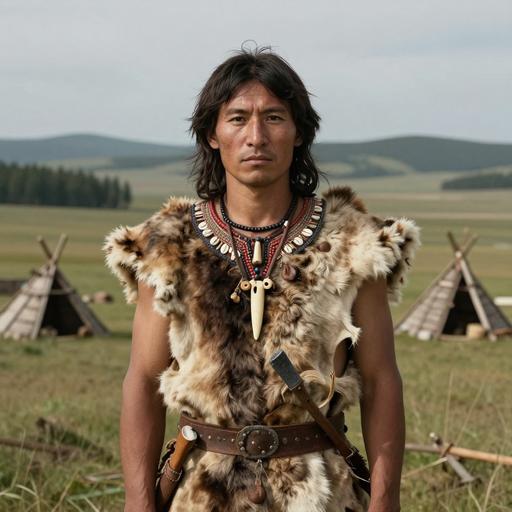
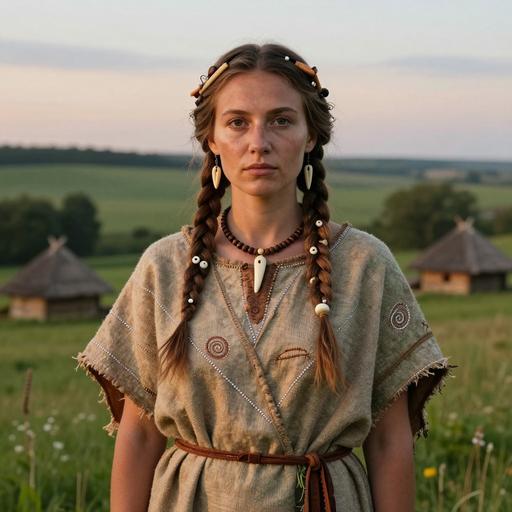
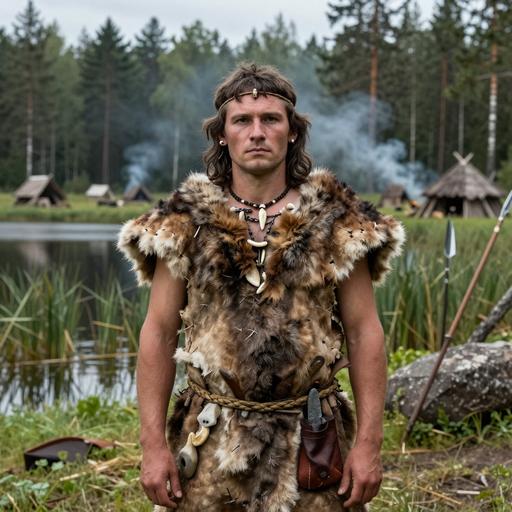
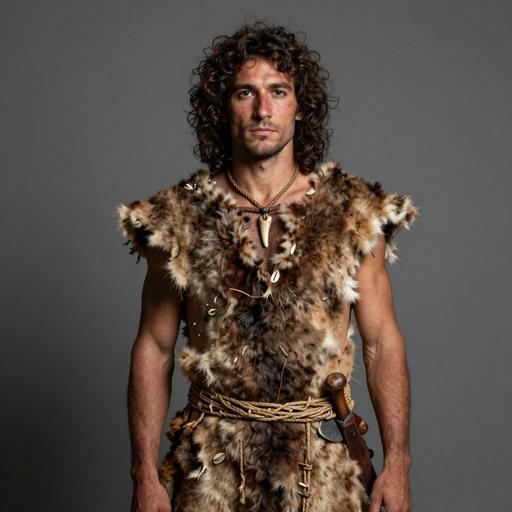
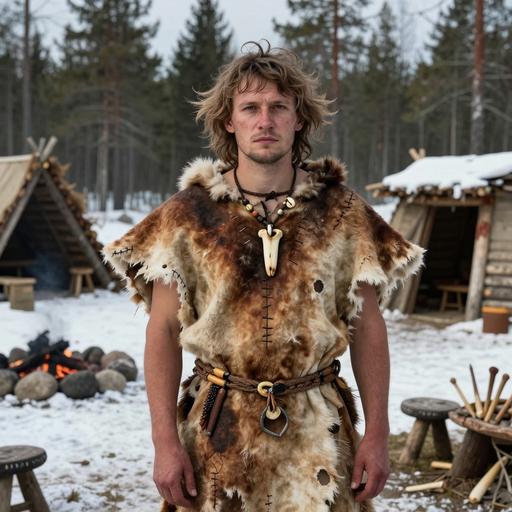
U4 is strongly associated with Mesolithic hunter-gatherer populations of Northern and Eastern Europe and with hunter-gatherer ancestry components identified in ancient genomes (for example, among Eastern European Hunter-Gatherers, EHG). Its presence in Bronze Age steppe groups such as Yamnaya and in some Corded Ware-associated individuals indicates that U4 lineages were part of the maternal ancestry that spread with or mixed into steppe-related migrations that impacted large parts of Europe and Central Asia during the 3rd and 2nd millennia BCE. In modern populations, higher frequencies in Finland, the Baltic states, northern Russia, and certain Siberian groups reflect both continuity from ancient local maternal lineages and regional demographic histories (bottlenecks, founder effects, and admixture).
Conclusion
U4 is a valuable marker for tracing Northern Eurasian maternal ancestry through the Late Upper Paleolithic, Mesolithic, and into the Bronze Age. Its geographic pattern — concentrated in northern and eastern parts of Eurasia with pockets farther afield — and its presence in key ancient individuals make it an informative haplogroup for studies of hunter-gatherer persistence, post-glacial recolonization of northern latitudes, and later steppe-related demographic events. Ongoing aDNA sampling and high-resolution mitogenome phylogenies continue to refine the age estimates, subclade relationships, and migration histories associated with U4.
Key Points
- Origins and Evolution
- Subclades
- Geographical Distribution
- Historical and Cultural Significance
- Conclusion