The Story
The journey of Y-DNA haplogroup G
Origins and Evolution
Haplogroup G (M201) is an early West Eurasian Y-chromosome lineage that likely arose in the Near East or Caucasus region during the Upper Paleolithic (roughly ~30 kya by current coalescent estimates). Its highest modern diversity and several deep branching sublineages are concentrated in the Caucasus and adjacent parts of western Asia, which supports an origin and long-term presence in that area. G sits downstream of early branches of haplogroup F-derived lineages and forms a distinct paternal clade that later diversified into geographically and historically important subclades.
Ancient DNA (aDNA) studies have revealed that one of G's major sublineages, G2a, became prominent among Neolithic farmers in Anatolia and Europe. This Neolithic expansion left a clear genetic signature in early farming communities across continental Europe, though many of these G2a lineages declined in frequency with later Bronze Age and Iron Age demographic events.
Subclades
The haplogroup has several well-characterized subclades with differing geographic profiles:
- G1 — Relatively rare overall but concentrated in Iran, parts of Central Asia and some Caucasus populations. G1 shows affinities with certain Iranian plateau and Central Asian groups.
- G2 — The dominant branch in most studies; it includes numerous downstream clades. Important subbranches include:
- G2a (P15 and downstream) — Highly associated with Anatolian and European early farmers (Neolithic); frequently found in ancient Neolithic samples and present at low-to-moderate levels in modern Europeans (notably in Sardinia and some Mediterranean populations).
- G2b — Less common, found sporadically in the Near East, South Asia, and some European populations.
Each subclade displays different geographic concentrations that reflect both deep Paleolithic structure and more recent Neolithic and post-Neolithic movements.
Geographical Distribution
Modern frequency patterns show highest concentrations in the Caucasus and neighbouring western Asia, with moderate frequencies across the Near East and lower but notable presence in parts of Europe. Specific features include:
- Caucasus: Several ethnic groups (e.g., some North Caucasus populations and Georgians) carry G at relatively high frequencies and with substantial internal diversity, consistent with a long-term resident population.
- Anatolia and Near East: G is common in Anatolia and parts of the Near East, matching its role in Neolithic expansions originating from Anatolia.
- Europe: Present at low-to-moderate frequencies in many European populations; elevated in specific refugial or island populations (e.g., Sardinians) and detected in ancient Neolithic farmer burials across continental Europe.
- Central/South Asia and North Africa: Low-frequency occurrences reflect historical gene flow and migrations between West Eurasia and neighboring regions.
Historical and Cultural Significance
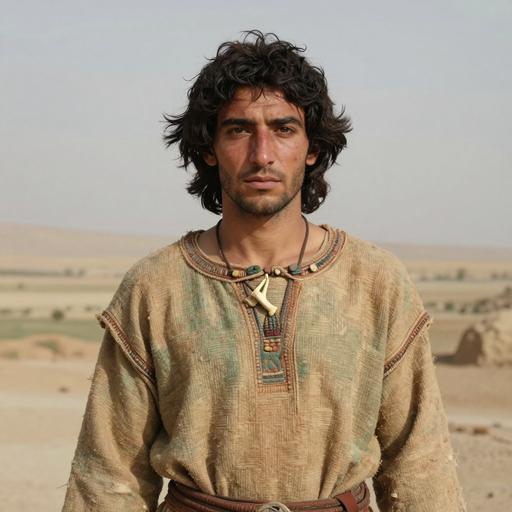
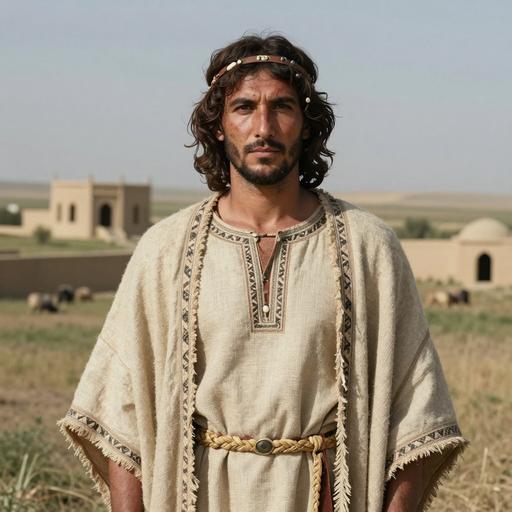
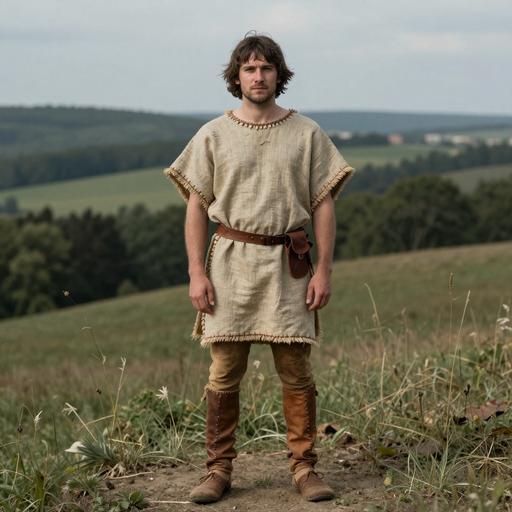
Haplogroup G is most notable for its association with the Neolithic agricultural expansion from Anatolia into Europe. Ancient DNA demonstrates that many of the earliest European farming communities (e.g., Linearbandkeramik/LBK and Cardial cultures) carried G2a lineages, linking paternal ancestry to Anatolian farmers who dispersed farming practices and domesticates across Europe about 8–7 kya.
G's deeper history in the Caucasus and Near East suggests it was part of pre-agricultural West Eurasian populations as well; later cultural shifts (Bronze Age steppe expansions dominated by R1a/R1b, later migrations) reshaped European Y-chromosome landscapes and reduced the relative frequency of G in many regions.
Conclusion
Haplogroup G is a key lineage for understanding West Eurasian prehistory. Its deep roots in the Caucasus/Near East, and the prominent Neolithic signal carried by G2a, make it critical for reconstructing the spread of agriculture into Europe and the demographic processes that followed. While not a dominant lineage in most modern European populations, G's distribution and subclade structure preserve signals of both Upper Paleolithic settlement in western Asia and the major cultural transition represented by the Neolithic farming expansion.
Key Points
- Origins and Evolution
- Subclades
- Geographical Distribution
- Historical and Cultural Significance
- Conclusion