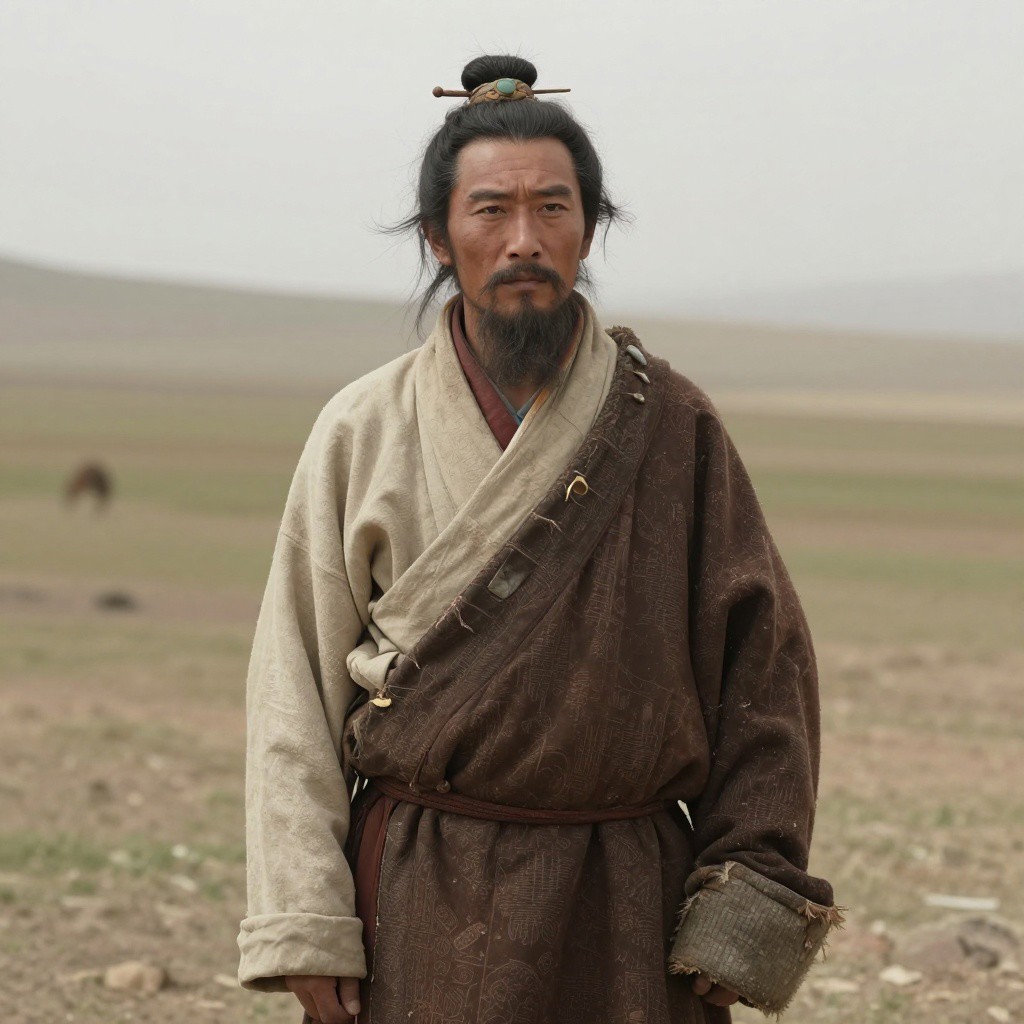
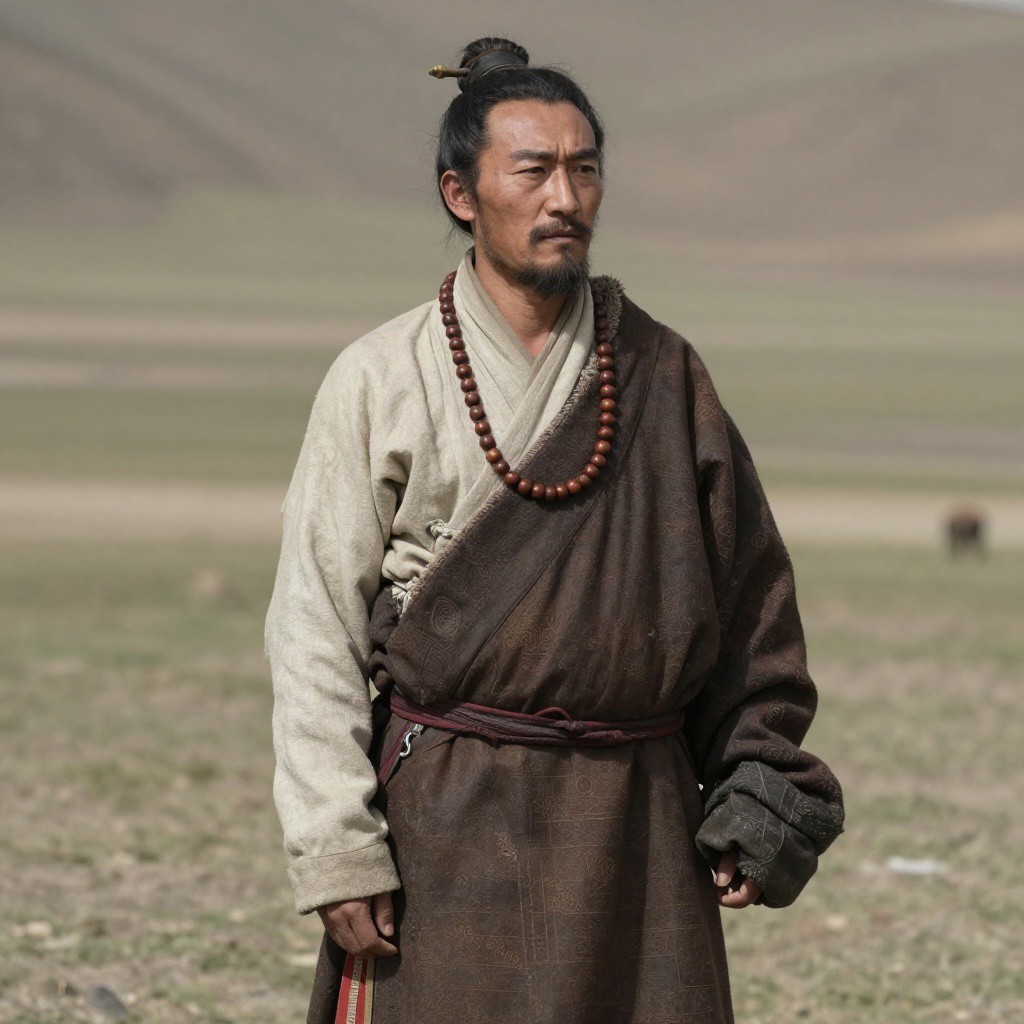
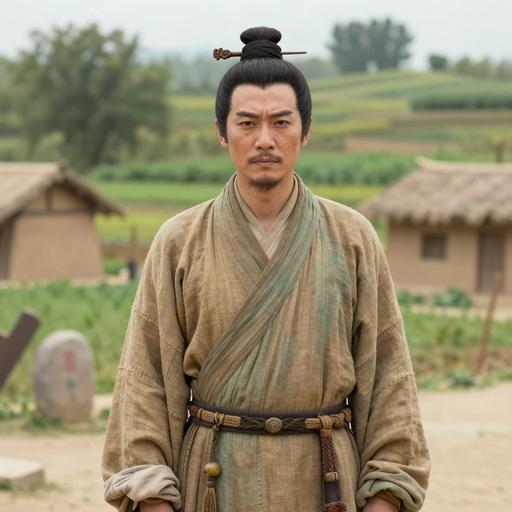
The Story
The journey of Y-DNA haplogroup O2A2B1
Origins and Evolution
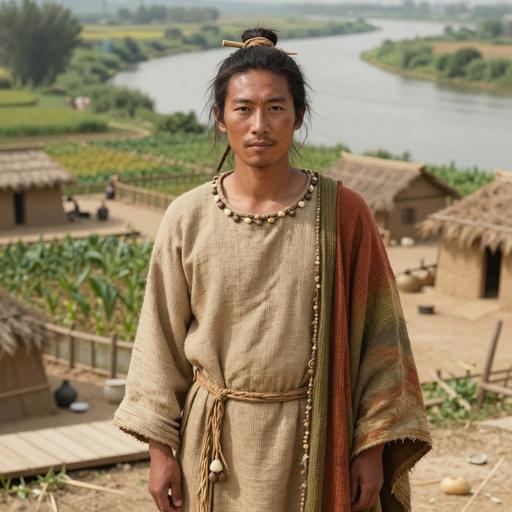
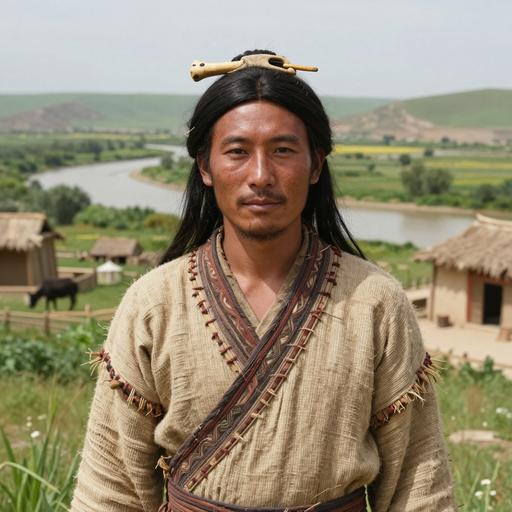
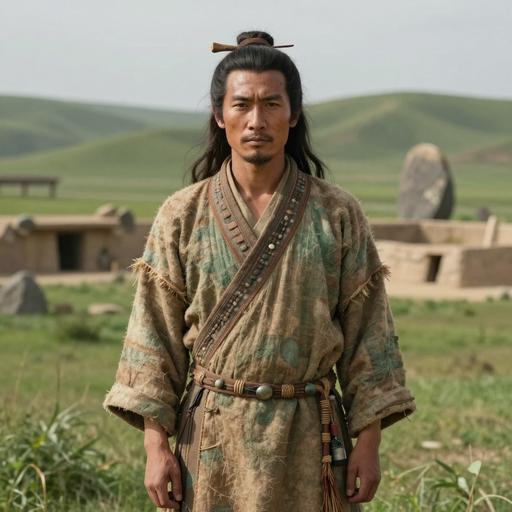
Y-DNA haplogroup O2A2B1 is a subclade of O2A2B (O-M117-related branches) within the larger O2a paternal lineage, which is one of the major East Asian Y-chromosome lineages. As an intermediate downstream branch, O2A2B1 most likely arose during the late Neolithic to early Holocene in populations inhabiting southern China and adjacent mainland Southeast Asia, where multiple O lineages diversified under conditions of increasing population density, agricultural expansion, and regional interaction.
The estimated age of this branch is best treated as roughly Holocene in depth rather than Pleistocene, with its diversification plausibly associated with demographic growth after the development and spread of farming systems in southern East Asia. While the exact internal phylogeny of O2A2B1 may vary depending on the reference tree and the availability of high-resolution sequencing, its position indicates that it is younger than its parental O2A2B clade and represents a more localized derivative lineage.
Subclades
As an intermediate clade, O2A2B1 may contain one or more downstream branches that are not yet broadly sampled in public datasets. In practice, the resolution of this lineage depends heavily on high-coverage Y-chromosome sequencing and updates to the rapidly changing Y-DNA phylogeny. Some carriers may still be assigned to O2A2B1 pending finer subclade definition, especially in population studies based on older marker panels.
Geographical Distribution
O2A2B1 is expected to show its strongest presence in East and Southeast Asia, with a concentration in populations where broader O2a/O-M117-related lineages are common. This includes:
- Southern Chinese populations, especially groups from coastal and inland southern provinces
- Han Chinese, particularly in southern and central regions
- Vietnamese and other mainland Southeast Asian populations
- Tai-Kadai-speaking populations, which often reflect shared regional ancestry components
- Tibeto-Burman-speaking groups in China and the Himalayan borderlands
- Korean and Japanese populations, usually at lower frequencies relative to dominant local lineages
- Austronesian-speaking populations in Taiwan and Island Southeast Asia, where broader East Asian ancestry streams can include related O lineages
The lineage is likely patchy and regionally structured, rather than uniformly distributed, reflecting founder effects, drift, and localized expansions over the last several thousand years.
Historical and Cultural Significance
The broader O2a/O-M117 paternal cluster has often been discussed in relation to the spread of agricultural communities, southern East Asian population expansion, and the later demographic history of language families such as Sino-Tibetan, Tai-Kadai, and Austronesian in some regions. O2A2B1, as a downstream branch, may preserve signatures of these processes at a finer geographic scale.
It is important to avoid assigning any one haplogroup to a single culture or language. Instead, O2A2B1 should be understood as part of a broader pattern in which paternal lineages expanded through neolithic farming growth, intergroup marriage, local assimilation, and repeated regional migrations. Its presence in multiple East Asian populations today is consistent with long-term population structure and historical mobility across East and Southeast Asia.
Conclusion
Y-DNA haplogroup O2A2B1 is a Holocene-era East Asian paternal lineage that likely emerged from the broader southern East Asian O2a expansion. Its distribution across China and neighboring regions reflects the deep demographic history of agricultural expansion, regional diversification, and later population movements that shaped modern East and Southeast Asian genetic landscapes.
Key Points
- Origins and Evolution
- Subclades
- Geographical Distribution
- Historical and Cultural Significance
- Conclusion