Y-DNA · Paternal lineage

R1A1A1B2

Y-DNA Haplogroup R1A1A1B2

A reference profile for one lineage branch. Shared haplogroups do not establish a family relationship or cultural identity.

Reference profile

Branch background

Historical context for Y-DNA lineage branch R1A1A1B2

Origins and Evolution

Y-DNA haplogroup R1A1A1B2 is a derived subclade within the broader R1a paternal lineage, one of the most important Y-chromosome branches in Eurasian population history. Because it sits downstream of a steppe-associated expansion lineage, its formation is best understood in the context of Bronze Age and later post-Bronze Age demographic growth rather than as an ancient Paleolithic lineage.

Although the precise phylogeographic origin of R1A1A1B2 depends on the specific terminal SNP definition used in different datasets, the most defensible inference is that it emerged in the Eurasian steppe / eastern European forest-steppe interaction zone. The lineage likely diversified as steppe-derived populations expanded northward, westward, and eastward, creating founder effects in several later populations.

Subclades

R1A1A1B2 is an intermediate or terminal subclade within the R1a tree, meaning it may contain several younger descendant branches depending on the classification system and sequencing resolution. In practical population-genetic terms, its internal branching can help distinguish regional founder lineages among Eastern Europeans, Balts, South Asians, and some Central Asian groups.

At higher resolution, R1a subclades are often associated with distinct historical dispersals. R1A1A1B2 should therefore be interpreted as part of a cluster of related steppe-derived paternal lines, rather than as a lineage with a single narrowly defined historical population.

Geographical Distribution

This haplogroup is found at varying frequencies across Eastern Europe, especially among Poles, Ukrainians, Belarusians, and Russians, as well as among Lithuanians and Latvians. It also appears in Scandinavian populations, particularly Swedes and Norwegians, reflecting wider north European gene flow and later historical movements.

Beyond Europe, R1A1A1B2 and related R1a branches are present in Central Asia among Kazakhs, Kyrgyz, and other steppe-adjacent populations, and in South Asia among many Indo-Aryan-speaking groups. Smaller or more sporadic occurrences occur in some Iranian-speaking groups, Siberian populations, and Uralic-speaking communities, usually reflecting either ancient admixture or more recent historical migrations.

Historical and Cultural Significance

Lineages in the R1a tree are strongly associated with the broader spread of steppe pastoralist ancestry during the Bronze Age and subsequent periods of mobility across Eurasia. While no single archaeological culture can be assigned exclusively to R1A1A1B2, the lineage is broadly compatible with populations related to Corded Ware, Sintashta, Andronovo, and later Indo-Iranian expansions.

In Eastern Europe, the distribution of R1a subclades is often tied to the formation and expansion of Slavic, Baltic, and some North European paternal founder lines. In South and Central Asia, related R1a branches are frequently discussed in the context of Indo-Aryan and Indo-Iranian population history, especially because steppe-derived male lineages contributed to the genetic landscape of these regions during the Bronze Age and Iron Age.

It is important to note that a Y-DNA haplogroup does not define language, ethnicity, or culture by itself. Instead, R1A1A1B2 is best understood as a paternal ancestry marker that tracks one thread of the much broader demographic history of Eurasia.

Conclusion

Y-DNA haplogroup R1A1A1B2 represents a relatively young offshoot of the major R1a paternal lineage, probably formed in the Eurasian steppe sphere around the late Bronze Age or early post-Bronze Age. Its modern distribution across Eastern Europe, Scandinavia, Central Asia, and parts of South Asia reflects the long-range spread of steppe-associated paternal ancestry and multiple later founder events.

As with other R1a branches, its significance lies in showing how male-mediated migrations and social expansions helped shape the genetic structure of large parts of Eurasia.

Key Points

  • Origins and Evolution
  • Subclades
  • Geographical Distribution
  • Historical and Cultural Significance
  • Conclusion
Reference profile

Tree & Relationships

Phylogenetic context and subclades

Evolution Path

Follow the recorded parent branches toward R1A1A1B2. Dates are estimates and can change as reference data is revised.

Steps Haplogroup Age Estimate Archaeology Era Time Passed Immediate Descendants Tested Modern Descendants Ancient Connections
1 R1A1A1B2 Current ~4,000 years ago Bronze Age 3,500 years 2 423 0
2 R1A1A1B ~4,000 years ago Bronze Age 4,000 years 2 1,567 7
3 R1A1A1 ~4,000 years ago Bronze Age 4,500 years 2 1,974 0
4 R1A1A ~5,000 years ago Bronze Age 5,000 years 1 2,016 27
5 R1A1 ~5,000 years ago Bronze Age 5,000 years 2 2,052 0
6 R1a ~22,000 years ago Mesolithic 22,000 years 2 2,176 37

Siblings (1)

Other branches from the same parent haplogroup

Reference profile

Where in the World

Geographic distribution and modern presence

Recorded origin

Eurasian Steppe / Eastern Europe

Modern Distribution

The populations where Y-DNA haplogroup R1A1A1B2 is found include:

  1. Poles, Ukrainians, Belarusians, and Russians
  2. Lithuanians and Latvians
  3. Scandinavians, especially Swedes and Norwegians
  4. Kazakhs, Kyrgyz, and other Central Asian populations
  5. Many Indo-Aryan-speaking populations in South Asia
  6. Some Iranian-speaking groups and other West Eurasian populations
  7. Selected Siberian and Uralic-speaking populations

Regional Presence

Eastern Europe High
Central Europe High
Northern Europe / Baltics & Scandinavia Moderate
Central Asia Low
South Asia (northwest) Low
Near East / Caucasus (sporadic) Low
Western Asia Low
Western Europe Low
Historical context

A branch through time

Estimated formation in a broad historical timeline. Period markers provide context and do not imply a connection with particular cultures.

  1. ~10k years ago

    Neolithic Revolution

    Agriculture begins, settled communities form

  2. ~5k years ago

    Bronze Age

    Metalworking, writing, and early civilizations

  3. ~3.5k years ago

    Haplogroup R1A1A1B2

    Estimated formation of this Y-DNA branch; dates and locations are reference estimates.

    This branch
  4. ~3k years ago

    Iron Age

    Iron tools, expanded trade networks

  5. ~2.5k years ago

    Classical Antiquity

    Greek and Roman civilizations flourish

  6. Present

    Present Day

    Modern era

Reference profile

Archaeological context

Recorded archaeological associations for Y-DNA branch R1A1A1B2

Recorded associations

These labels describe archaeological contexts recorded for reference samples linked to R1A1A1B2. An association does not establish that all carriers belonged to a culture or followed a particular migration route.

Battle Axe Culture Corded Ware Danish Middle Neolithic Fatyanovo Fatyanovo Culture Pazyryk Culture Sagly Culture
Culture assignments are based on archaeological context of ancient DNA samples and may represent regional associations during specific time periods.
Reference profile

Sample Catalog

2 direct carriers and 10 subclade carriers of haplogroup R1A1A1B2

10 shown · 12 matching samples

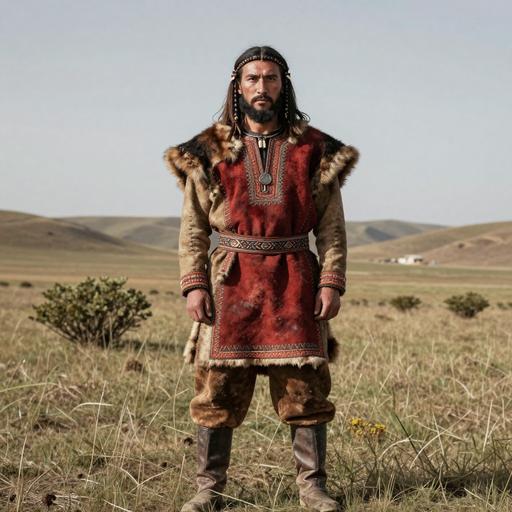
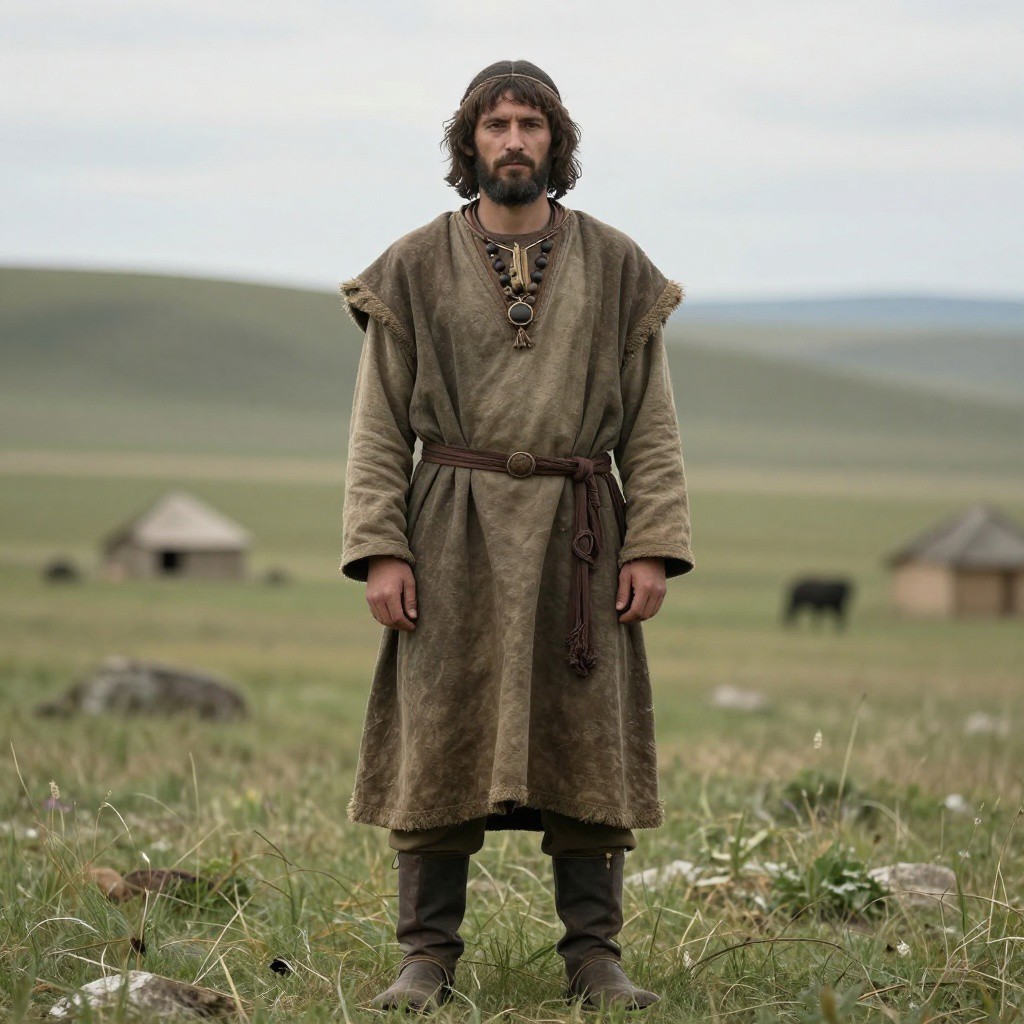
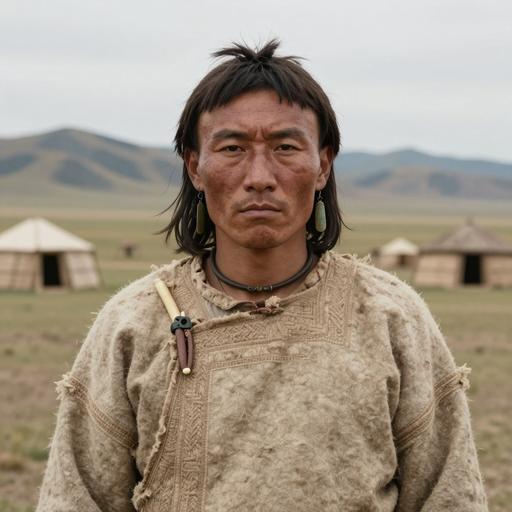
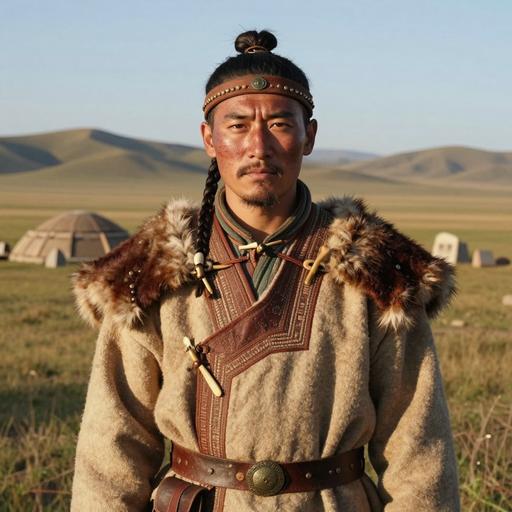
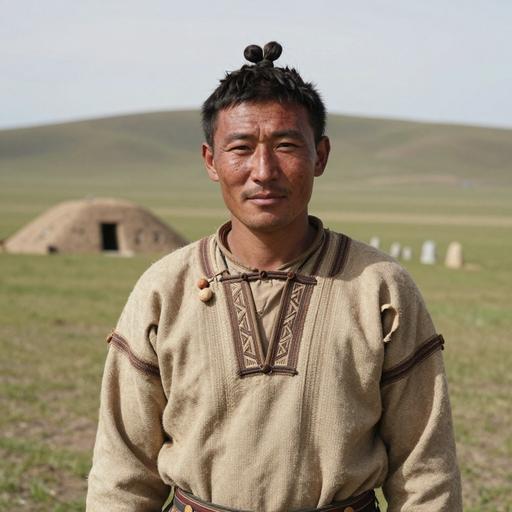
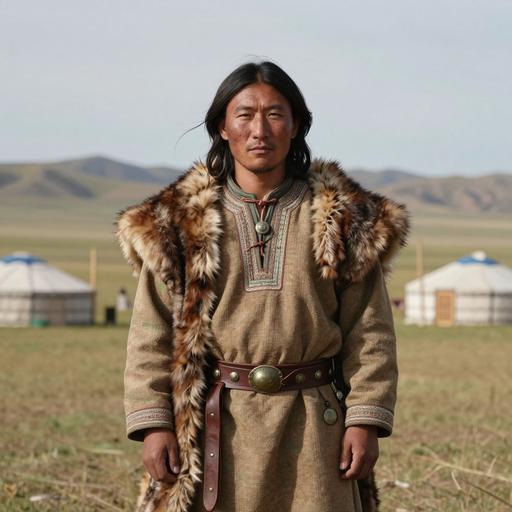
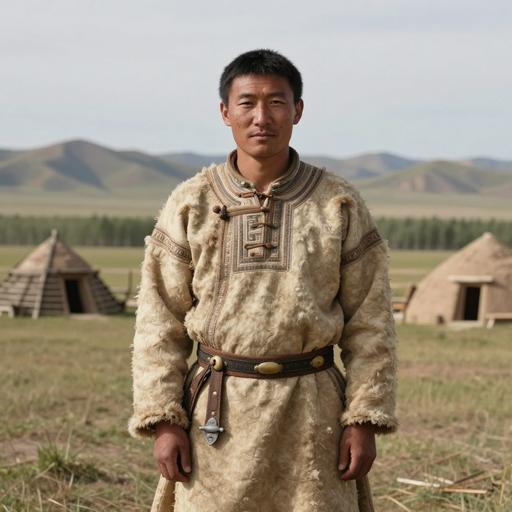
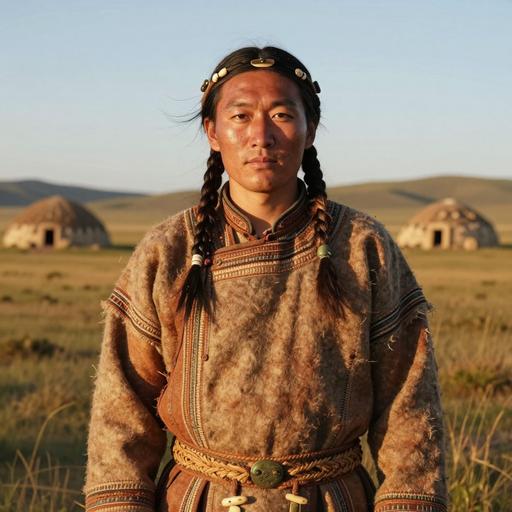
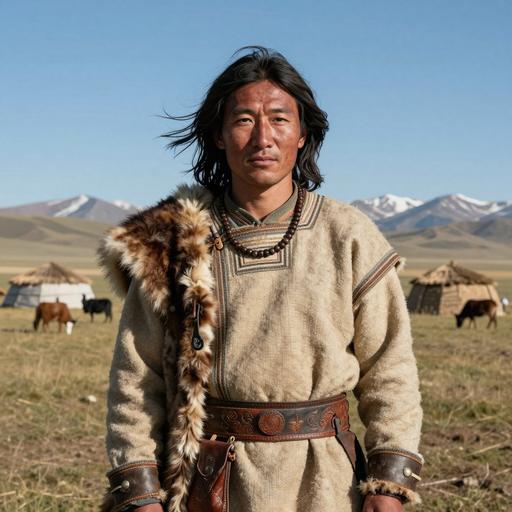
Portraits are AI-generated illustrations. Sample labels and accession IDs identify the reference records.

Portrait Sample Country Era Date Culture Y-DNA Match
AI-generated illustrative portrait of Pazyryk individual, Berel, Kazakhstan (400-300 BCE)
Sample ID: I0563
Kazakhstan Iron Age Pazyryk Culture Berel, Kazakhstan 400-300 BCE Pazyryk Culture R1a1a1b2 Direct
AI-generated illustrative portrait of MLBA Caucasus individual, Kravchenko-12 (Krasnodar Krai, Abinsky District), Russia (1,617-1,517 BCE)
Sample ID: KVO013
Russia Russia MLBA Caucasus 1617-1517 calBCE (3303±19 BP, MAMS-42368) Russia_MLBA_Caucasus R1a1a1b2~ Direct
AI-generated illustrative portrait of Late Antiquity Imperial Roman Roman individual, Osijek. Beli Manastir-Popova zemlja, Croatia (261-415 CE)
Sample ID: POP23
Croatia Roman Period Popova, Croatia 261-415 calCE (1692±18 BP) [R_Combine: (1714±25 BP, OxA-38000), (1670±25 BP, OxA-38001)] Popova Settlement R1a1a1b2a2b1-F1345 Subclade
AI-generated illustrative portrait of Transtisza EHun individual, Transtisza region. Hajdúnánás-Fürj-halom-dűlő 2. site. M3/40A, Hungary (350-450 CE)
Sample ID: A181028
Hungary Early Hun Period Sarmatian Transtisza, Hungary 350-450 CE Sarmatian Culture R1a1a1b2a2a1 Subclade
AI-generated illustrative portrait of Nomadic Steppe Cultures individual, Uvs aimag. Ulaangom sum. Chandman Uul. Ulaangom cemetery Grave #33. Burial 3, Mongolia (370-197 BCE)
Sample ID: I6224
Mongolia Mongolia EIA Sagly 4 370 BCE - 197 BCE Sagly Culture R1a1a1b2a2-Z2121 Subclade
AI-generated illustrative portrait of Nomadic Steppe Cultures individual, Uvs aimag. Ulaangom sum. Chandman Uul. Ulaangom cemetery. Grave #49. Burial 1, Mongolia (370-197 BCE)
Sample ID: I6233
Mongolia Mongolia EIA Sagly 4 370 BCE - 197 BCE Sagly Culture R1a1a1b2a2-Z2121 Subclade
AI-generated illustrative portrait of EIA Sagly-4 individual, Uvs aimag. Ulaangom sum. Chandman Uul. Ulaangom cemetery Grave #56, Mongolia (389-208 BCE)
Sample ID: I7030
Mongolia Mongolia EIA Sagly 4 389-208 calBCE (2250±20 BP, PSUAMS-3722) Sagly Culture R1a1a1b2a-Z95 Subclade
AI-generated illustrative portrait of EIA Sagly-4 individual, Uvs aimag. Ulaangom sum. Chandman Uul. Ulaangom cemetery Grave #36. Burial 2, Mongolia (389-208 BCE)
Sample ID: I7024
Mongolia Mongolia EIA Sagly 4 389-208 calBCE (2250±20 BP, PSUAMS-4002) Sagly Culture R1a1a1b2-Z93 Subclade
AI-generated illustrative portrait of Nomadic Steppe Cultures individual, Uvs aimag. Ulaangom sum. Chandman Uul. Ulaangom cemetery Grave #45. Burial 2, Mongolia (398-228 BCE)
Sample ID: I7027
Mongolia Mongolia EIA Sagly 4 398 BCE - 228 BCE Sagly Culture R1a1a1b2a-F3105 Subclade
AI-generated illustrative portrait of Hun individual, North Transdanubia. Árpás-Dombiföld- Szérüskert, Hungary (400-500 CE)
Sample ID: A181029
Hungary The Hun Period in North Transdanubia, Hungary 400-500 CE Hunnic Culture R1a1a1b2a2b2 Subclade
PATERNAL LINEAGE · ANCIENT DNA

Ancient lineage evidence map

Follow parent clades toward this branch and explore where ancient carriers were found.

Loading ancient observations…

Markers are archaeological find locations. A dashed connector is an uncertain, proposed geographic transition between consecutive branches supported by multiple dated observations; it is not an exact travel route, birthplace or proof of direct descent. Parent-clade samples may belong to other descendant branches. Gaps remain where evidence is insufficient. Sample dates differ from haplogroup formation dates.

Reference profile

Carrier Distribution Map

Geographic distribution of 12 ancient DNA samples (direct and subclade carriers of R1A1A1B2)

Direct carrier Subclade carrier
Time Period Filter
All Time Periods
Showing all samples
Reference profile

Temporal Distribution

Distribution of carriers across archaeological periods

Reference profile

Geographic Distribution

Counts by recorded sample country. These reflect the available reference selection, not population frequencies.

Reference profile

Country × Era Distribution

Compare recorded sample counts across countries and archaeological periods. Select a populated cell to inspect a sample.

Data

Data & Provenance

Source information and data quality

Last Updated 2026-06-17
Confidence Score 50/100
Coverage Low

Data Source

Classification, estimated dates and geographic context reflect the recorded reference data and may change as evidence is revised. Sample coverage is uneven; recorded locations and archaeological associations do not establish personal origin or cultural identity.

A haplogroup follows one maternal or paternal line. The branch prediction depends on which markers the DNA file contains. How our analysis works