ملف مرجعي لفرع واحد من السلالة. لا تثبت المجموعات الفردانية المشتركة صلة عائلية ولا تحدّد الهوية الثقافية.
الملف المرجعي
خلفية الفرع
السياق التاريخي لفرع N1A1A من سلالة mtDNA
Origins and Evolution
mtDNA haplogroup N1A1A is a downstream branch of N1A1, itself a derivative of the broader N1A lineage. Based on the phylogenetic position of N1A1A below N1A1 and the known age of N1A1 (~11 kya in Near East/Anatolia), N1A1A most plausibly arose in the Near East or Anatolia in the early Holocene (roughly ~9 kya). Its emergence likely coincided with the demographic processes associated with the spread of food production and the early Neolithic transition, when regional population growth and mobility created opportunities for local mitochondrial lineages to diversify and spread.
Subclades (if applicable)
Downstream variation within N1A1A has been observed in both ancient and modern mtDNA datasets, though the subclade structure is less deeply sampled than for some more common lineages. Ancient DNA studies that recover N1A1-derived lineages sometimes resolve finer branches of N1A1A in early Neolithic assemblages; modern population sampling has identified rare, geographically scattered derivatives. Because sampling remains limited, researchers treat many downstream branches as moderately defined and subject to refinement as more complete mitogenomes are published.
Geographical Distribution
N1A1A shows a distribution pattern characteristic of a Near Eastern/Anatolian origin with diffusion into adjoining regions during the Neolithic expansion. Highest frequencies and diversity are observed historically in Anatolia and adjacent Near Eastern regions, while occurrences in Europe (both ancient and modern) are typically low-frequency but important for tracing Neolithic farmer ancestry. The haplogroup also appears sporadically in North Africa and the Horn of Africa, consistent with historical and prehistoric gene flow between the Near East and Africa. In modern populations N1A1A is uncommon and patchily distributed, often seen at low frequencies in southern Europe and coastal North Africa and represented by isolated lineages in parts of the Caucasus and Iran.
Historical and Cultural Significance
N1A1A is notable in population genetics because of its association with early agricultural communities. It (and closely related N1A1 sublineages) has been recovered from ancient Anatolian and early European Neolithic contexts — including Cardial and Linearbandkeramik (LBK)-associated assemblages — making it a useful marker for studying the maternal component of the Neolithic migration into Europe. The presence of N1A1A in ancient farmer genomes underlines the Near Eastern contribution to European Neolithic ancestry. Its later low frequency in many modern populations reflects both the initial Neolithic dispersal and substantial subsequent demographic events (population replacement, drift, and admixture) that reshaped maternal-lineage frequencies across Eurasia.
Conclusion
As a relatively rare but historically informative lineage, N1A1A functions as a molecular signature of early Near Eastern/Anatolian maternal ancestry that participated in the Neolithic spread of farming into Europe. Continued mitogenome sequencing of both modern and ancient samples will refine its internal branching, geographic patchiness, and the timing of its dispersals, but current evidence places its origin in the early Holocene Near East with notable representation among early farmers in archaeological contexts.
أبرز النقاط
Origins and Evolution
Subclades (if applicable)
Geographical Distribution
Historical and Cultural Significance
Conclusion
الملف المرجعي
شجرة السلالة والفروع المرتبطة
موضع الفرع في شجرة السلالة وفروعه الفرعية
مسار تفرّع السلالة
تتبّع الفروع الأصلية المسجّلة وصولًا إلى N1A1A. التواريخ تقديرية وقد تتغيّر عند تحديث البيانات المرجعية.
The populations where mtDNA haplogroup N1A1A is found include:
Anatolian and Levantine Near Eastern populations
Ancient Anatolian Neolithic assemblages
Early European Neolithic farmers (e.g., LBK, Cardial-related groups)
Modern Southern European populations (Italy, Greece, Iberian fringe) at low frequencies
Central and Northern European populations in ancient contexts (now rare)
North African coastal populations and the Maghreb at low frequencies
Horn of Africa populations (Ethiopia, Somalia) in specific sublineages
Caucasus and Iranian populations (moderate to low frequencies)
Sporadic occurrences in parts of Central Asia and steppe-adjacent groups
Ancient Cardial/Cardial-related and other early farmer assemblages in Europe
السياق التاريخي
تاريخ الفرع
تقدير زمن نشأة الفرع ضمن تسلسل تاريخي عام. توفّر الفترات سياقًا زمنيًا دون إثبات صلة بثقافات بعينها.
~10k سنة مضت
ثورة العصر الحجري الحديث
ظهور الزراعة وتشكّل المجتمعات المستقرّة
~9k سنة مضت
المجموعة الفردانية N1A1A
تقدير نشأة فرع mtDNA. التواريخ والمواقع تقديرات مرجعية.
هذا الفرع
~5k سنة مضت
العصر البرونزي
صناعة المعادن والكتابة والحضارات المبكرة
~3k سنة مضت
العصر الحديدي
أدوات الحديد واتّساع شبكات التجارة
~2.5k سنة مضت
العصور الكلاسيكية القديمة
ازدهار الحضارتين اليونانية والرومانية
Present
الحاضر
العصر الحديث
الملف المرجعي
السياق الأثري
الارتباطات الأثرية المسجّلة لفرع N1A1A من mtDNA
الارتباطات المسجّلة
تصف هذه التسميات السياقات الأثرية المسجّلة للعينات المرجعية المرتبطة بـ N1A1A. لا يثبت الارتباط انتماء جميع حاملي الفرع إلى ثقافة بعينها أو اتّباعهم مسار هجرة محدّدًا.
Alföld Linear PotteryAnatolian NeolithicArmenian LBA-EIABaalberge CultureBaja PPNBCzech NeolithicEarly Bronze Age RussianHungary_C_BodrogkereszturLinear Pottery CultureStarčevo CultureTisza Culture
يستند تصنيف الثقافات إلى السياق الأثري لعينات الحمض النووي القديم، وقد يعكس ارتباطات إقليمية خلال فترات محدّدة.
الملف المرجعي
فهرس العينات
عينات المجموعة الفردانية N1A1A: 8 مطابقة مباشرة و@downstreamCount من الفروع الفرعية
10 معروضة · 50 عينة مطابقة
لا توجد عينات تطابق عوامل التصفية. جرّب تسمية أو موقعًا أو فترة أخرى.
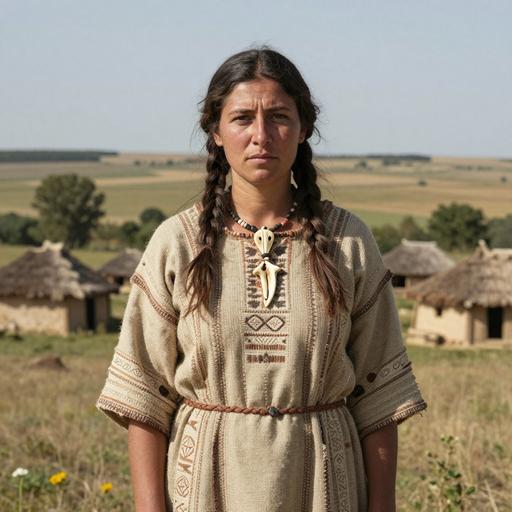
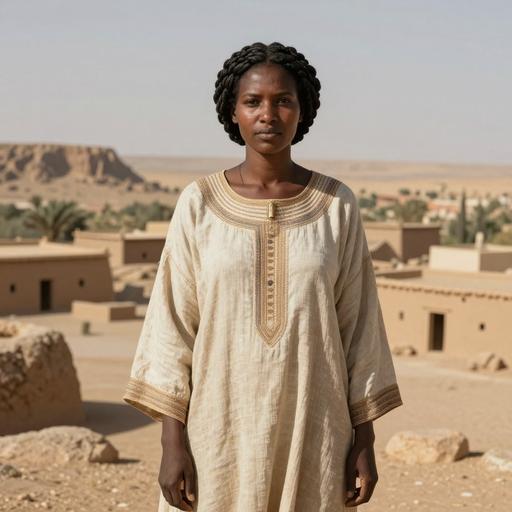
الصور الشخصية رسوم مولّدة بالذكاء الاصطناعي. تحدّد أسماء العينات ومعرّفات الإيداع السجلات المرجعية.
الصورة الشخصية
العينة
البلد
الحقبة
التاريخ
الثقافة
mtDNA
نوع التطابق
معرّف العينة: I19328
Armenia
Late Bronze Age to Early Iron Age Armenia
904-814 calBCE (2715±20 BP, PSUAMS-8888)
Armenian LBA-EIA
N1a1a
تطابق مباشر
معرّف العينة: I18470
Armenia
Late Bronze Age to Early Iron Age Armenia
1550-1300 BCE
Armenian LBA-EIA
N1a1a+152
تطابق مباشر
معرّف العينة: I7188
Czech Republic
Chalcolithic Baalberge Culture, Czech Republic
3705-3635 calBCE (4880±20 BP, PSUAMS-4232)
Baalberge Culture
N1a1a
تطابق مباشر
معرّف العينة: I7893
Slovakia
Slovakia N LBK
5205-4847 calBCE (6075±35 BP, PSUAMS-15084)
Linear Pottery Culture
N1a1a
تطابق مباشر
معرّف العينة: I10352
Hungary
Hungary MN AVK
5250-4750 BCE
Alföld Linear Pottery
N1a1a
تطابق مباشر
معرّف العينة: I7952
Czech Republic
Neolithic Czech Republic
5500-5000 BCE
Czech Neolithic
N1a1a
تطابق مباشر
معرّف العينة: I8105
Serbia
Serbia EN Starcevo
5800-5600 BCE
Starčevo Culture
N1a1a
تطابق مباشر
معرّف العينة: BAJ022
Jordan
Pre-Pottery Neolithic B of Baja
7250-6800 BCE
Baja PPNB
N1a1a
تطابق مباشر
معرّف العينة: CLR31
France
Iron Age Culture of Aude
400-300 BCE
Aude
N1a1a1
فرع فرعي
معرّف العينة: I18536
Sudan
Early Christian Era in Sudan
650 CE - 1050 CE
Nubian Christian
N1a1a3
فرع فرعي
معرّف العينة: I18524
Sudan
Early Christian Era in Sudan
650 CE - 1050 CE
Nubian Christian
N1a1a3
فرع فرعي
معرّف العينة: SZRV-212
Hungary
Hungary LateAvar
700-800 CE
Avar Culture
N1a1a1
فرع فرعي
معرّف العينة: SZRV-67
Hungary
Hungary LateAvar
700-800 CE
Avar Culture
N1a1a1
فرع فرعي
معرّف العينة: VK232
Sweden
Sweden Viking
900 CE - 1050 CE
Viking
N1a1a1
فرع فرعي
معرّف العينة: VK232
Sweden
The Viking Age
900 CE - 1050 CE
N1a1a1
فرع فرعي
معرّف العينة: NEO806
Italy
Bronze Age Italy
1386-1129 calBCE (3014±26 BP, UBA-40109)
Italian Bronze Age
N1a1a1
فرع فرعي
معرّف العينة: I5695
Slovenia
Middle Bronze Age Slovenia
1423 BCE - 1268 BCE
Slovenian Bronze Age
N1a1a1
فرع فرعي
معرّف العينة: I18746
Croatia
Croatia MBA Cetina
1669-1511 calBCE (3320±25 BP, PSUAMS-14714)
Croatian Middle Bronze Age
N1a1a1
فرع فرعي
معرّف العينة: I14792
Turkey
Turkey EBA
2454-2201 calBCE (3840±25 BP, PSUAMS-6844)
Early Bronze Anatolia
N1a1a3
فرع فرعي
معرّف العينة: NEO828
Italy
Gaudo culture
3300-3000 BCE
Gaudo
N1a1a1
فرع فرعي
معرّف العينة: N18
Poland
Poland TRB
3632 BCE - 3376 BCE
Funnel Beaker
N1a1a1
فرع فرعي
معرّف العينة: N18
Poland
Middle Neolithic Central Europe
3632 BCE - 3376 BCE
N1a1a1
فرع فرعي
معرّف العينة: I2790
Hungary
Hungary LateC Protoboleraz
3768 BCE - 3543 BCE
Proto-Boleráz Culture
N1a1a3
فرع فرعي
معرّف العينة: I2790
Hungary
Late Chalcolithic Balkans
3768 BCE - 3543 BCE
N1a1a3
فرع فرعي
معرّف العينة: lbk102
Poland
Eastern Linear Pottery Culture of Kruszyn
4350-3950 BCE
Linear Pottery Culture
N1a1a1
فرع فرعي
معرّف العينة: I14159
Romania
Romania C Bodrogkeresztur
4400-3500 BCE
Bodrogkeresztur
N1a1a1
فرع فرعي
معرّف العينة: I4168
Croatia
Croatia MN Sopot
4777 BCE - 4538 BCE
Sopot Culture
N1a1a1
فرع فرعي
معرّف العينة: POP14
Croatia
Middle Neolithic Popova Culture
4777 BCE - 4538 BCE
Popova Culture
N1a1a1
فرع فرعي
معرّف العينة: SCH004
Germany
Early Neolithic Linear Pottery Culture, Germany
5200-5000 BCE
Linear Pottery Culture
N1a1a1
فرع فرعي
معرّف العينة: XN215
Germany
Early Neolithic Linear Pottery Culture, Germany
5208-4945 calBCE (6115±25 BP, MAMS-36727)
Linear Pottery Culture
N1a1a1
فرع فرعي
معرّف العينة: I2379
Hungary
Middle Neolithic Alföld Linear Pottery Culture Tiszadob Group, Hungary
5209-4855 calBCE (6100±40 BP, Poz-88115)
Tiszadob Group
N1a1a1
فرع فرعي
معرّف العينة: OBN006
France
France MN
5209-4954 calBCE (6124±25 BP, LTL-18527A)
Middle Neolithic French
N1a1a1
فرع فرعي
معرّف العينة: I2008
Germany
Early Neolithic Linear Pottery Culture, Germany
5211 BCE - 4957 BCE
Linear Pottery Culture
N1a1a1
فرع فرعي
معرّف العينة: I2008
Germany
The Linear Pottery Culture
5211 BCE - 4957 BCE
N1a1a1
فرع فرعي
معرّف العينة: I0057
Germany
Early Neolithic Linear Pottery Culture, Germany
5215 BCE - 5011 BCE
Linear Pottery Culture
N1a1a1
فرع فرعي
معرّف العينة: I0057
Germany
The Linear Pottery Culture
5215 BCE - 5011 BCE
N1a1a1
فرع فرعي
معرّف العينة: XN165
Germany
Early Neolithic Linear Pottery Culture, Germany
5296-5056 calBCE (6213±24 BP, MAMS-36725)
Linear Pottery Culture
N1a1a1
فرع فرعي
معرّف العينة: XN205
Germany
Early Neolithic Linear Pottery Culture, Germany
5300-5000 BCE
Linear Pottery Culture
N1a1a1
فرع فرعي
معرّف العينة: I16245
Slovakia
Slovakia N LBK
5400-4900 BCE
Linear Pottery Culture
N1a1a1
فرع فرعي
معرّف العينة: I17344
Slovakia
Slovakia N LBK
5400-4900 BCE
Linear Pottery Culture
N1a1a1
فرع فرعي
معرّف العينة: I24894
Austria
Austria N LBK
5300-5000 BCE
Linear Pottery Culture
N1a1a1
فرع فرعي
معرّف العينة: I17938
Hungary
Hungary MN AVK
5302-5047 calBCE (6215±35 BP, PSUAMS-15079)
Alföld Linear Pottery
N1a1a1
فرع فرعي
معرّف العينة: UZZ074
Italy
Italy Sicily N Stentinello
5350-5200 BCE
Stentinello
N1a1a1
فرع فرعي
معرّف العينة: DER007
Germany
Neolithic Linear Pottery Culture in Saxony, Germany
5400-4900 BCE
Linear Pottery Culture
N1a1a1
فرع فرعي
معرّف العينة: I10942
Gibraltar
Gibraltar EN
5500-4500 BCE
Gibraltar Neolithic
N1a1a1
فرع فرعي
معرّف العينة: I21771
Hungary
Hungary MN AVK
5500-4750 BCE
Alföld Linear Pottery
N1a1a1
فرع فرعي
معرّف العينة: I0174
Hungary
Hungary EN Starcevo 1
5712-5531 calBCE (6695±40 BP, MAMS-11939)
Starčevo Culture
N1a1a1
فرع فرعي
معرّف العينة: I3121
Turkey
Turkey N
6150-5800 BCE
Anatolian Neolithic
N1a1a1
فرع فرعي
معرّف العينة: I15705
Albania
Albanian Early Neolithic
6223-6067 calBCE (7270±30 BP, PSUAMS-7927)
Albanian Neolithic
N1a1a1
فرع فرعي
معرّف العينة: Tep006
Turkey
Neolithic Tepecik-Çiftlik, Turkey
6223 BCE - 6072 BCE
Tepecik-Çiftlik
N1a1a1
فرع فرعي
معرّف العينة: I19328
Late Bronze Age to Early Iron Age Armenia - Armenia - Noratus
Armenia Late Bronze Age to Early Iron Age Armenia 904-814 calBCE (2715±20 BP, PSUAMS-8888)
N1a1aتطابق مباشر
معرّف العينة: I18470
Late Bronze Age to Early Iron Age Armenia - Armenia - Noratus
Armenia Late Bronze Age to Early Iron Age Armenia 1550-1300 BCE
تتبّع الفروع الأصلية المؤدية إلى هذا الفرع واستكشف مواقع العثور على العينات القديمة المرتبطة به.
جارٍ تحميل السجلات القديمة…
الحركة المخفّضة مفعّلة. استخدم التسلسل الزمني أو زر عرض الكل للاستكشاف بالسرعة التي تناسبك.
اعرض السجلات في جدول
السجلات القديمة المعروضة حسب الفرع والفترة ومنتصف النطاق الزمني
الفرع
الفترة
النطاق الزمني
العينة
معرّف العينة
الموقع
المجموعة الفردانية
نوع الارتباط
تشير العلامات إلى مواقع الاكتشافات الأثرية. يشير الخط المتقطّع إلى انتقال جغرافي محتمل بين فرعين متتاليين تدعمه عدة سجلات مؤرّخة. لا يحدّد مسارًا دقيقًا أو مكان نشأة ولا يثبت انحدارًا مباشرًا. قد تنتمي عينات الفروع الأصلية إلى فروع متفرّعة أخرى. تبقى الفجوات حيث لا تكفي الأدلة. تختلف تواريخ العينات عن تواريخ نشأة المجموعات الفردانية.
يجمع التصنيف حسب الحقبة التاريخية العينات من جميع فروع هذه السلسلة وفق زمن عيش كل شخص قديم. لا يمثّل تسلسل هجرة أو مسارًا زمنيًا لشخص عبر الحقب.
الملف المرجعي
خريطة توزيع العينات
التوزيع الجغرافي لعينات الحمض النووي القديم المطابقة مباشرةً للمجموعة N1A1A أو لفروعها الفرعية. عدد العينات: 64
عينة مطابقة مباشرةً عينة من فرع فرعي
التصفية حسب الفترة
جميع الفترات
تُعرض جميع العينات
الملف المرجعي
التوزيع الزمني
توزيع العينات عبر الفترات الأثرية
الملف المرجعي
التوزيع الجغرافي
عدد العينات حسب بلدها المسجّل. تعكس الأعداد العينات المرجعية المتاحة دون قياس تواتر المجموعات الفردانية بين السكان.
الملف المرجعي
توزيع العينات حسب البلد والحقبة
قارن أعداد العينات المسجّلة حسب البلدان والفترات الأثرية. اختر خلية تحتوي على نتائج للاطّلاع على إحدى العينات.
البيانات
البيانات ومصادرها
معلومات المصادر وجودة البيانات
آخر تحديث2026-02-16
درجة الثقة50/100
التغطيةLow
مصدر البيانات
يعكس التصنيف والتواريخ التقديرية والسياق الجغرافي البيانات المرجعية المسجّلة، وقد تتغيّر مع مراجعة الأدلة. تختلف تغطية العينات، ولا تثبت المواقع المسجّلة والارتباطات الأثرية الأصول الشخصية أو الهوية الثقافية.