انتقل إلى المحتوى الرئيسي
Y-DNA · سلالة أبوية

E1B

Y-DNA Haplogroup E1B

ملف مرجعي لفرع واحد من السلالة. لا تثبت المجموعات الفردانية المشتركة صلة عائلية ولا تحدّد الهوية الثقافية.

الملف المرجعي

خلفية الفرع

السياق التاريخي لفرع E1B من سلالة Y-DNA

Origins and Evolution

Y-DNA haplogroup E1B is a downstream node of the broader haplogroup E1 clade that expanded within Africa after the initial emergence of E1. Estimates for the origin of E1B place it in Northeast/East Africa during the Late Upper Paleolithic to early post-glacial interval (roughly ~30 kya, noting that published age estimates vary by method and marker sets). As a branching point it precedes the major, geographically differentiated subclades that dominate different parts of Africa and later influence surrounding regions.

Evolutionary studies and phylogenetic reconstructions indicate that E1B is ancestral to or closely related with the lineages that later diversified into both the widespread West/Central African lineages and the North African / Mediterranean–Near Eastern lineages. This topology explains why descendant lineages of this node are common across very different ecological and cultural zones.

Subclades

E1B is best understood as an intermediate branching point that gave rise to several major downstream clades (nomenclature varies between different build versions of the Y-tree). Important descendant groups commonly associated with this node include:

  • E-M2 (often listed historically as E1b1a / E-V38 branch) — dominant in West, Central and much of Southern Africa and strongly associated with the Bantu expansion.
  • E-M35 (often listed historically as E1b1b / E-M215 branch) — frequent in Northeast Africa, the Horn, North Africa, parts of the Near East and southern Europe, with many regional subclades (e.g., M78, M81, V13) that have their own demographic histories.

Because nomenclature has changed over time (different research groups use different labels and marker sets), it is important to consult the latest Y-chromosome phylogeny for exact subclade names and SNP definitions. In functional terms, E1B is a transitional node linking deep African diversity with lineages that later spread into adjacent regions.

Geographical Distribution

The descendant lineages that emerged from E1B have a broad distribution:

  • High frequencies across many sub-Saharan populations (via E-M2 and related branches), especially among West and Central African groups and in populations that expanded during the Bantu migrations.
  • High to moderate frequencies in the Horn and Northeast Africa, where several E-M35-derived subclades are common.
  • Significant presence in North Africa and the Sahel, including among Berber (Amazigh) groups where particular subclades (e.g., M81) are frequent.
  • Lower but detectable frequencies in the Near East and southern Europe, reflecting prehistoric connections (Neolithic movements, later Bronze Age and historic gene flow) and the long-term contact across the Mediterranean.
  • Present in the Americas and Caribbean largely due to the transatlantic slave trade, where descendant lineages from sub-Saharan Africa are frequent in African-descended populations.

Regional frequencies and the relative contribution of particular subclades vary considerably; some branches reflect recent demographic expansions (e.g., Bantu-related spreads), while others reflect older Holocene or Late Pleistocene dynamics and migrations.

Historical and Cultural Significance

  • Bantu expansion: Descendant lineages of E1B (notably E-M2 branches) are closely tied to the demographic processes of the Bantu expansion (starting roughly 3–4 kya), which spread agriculture and ironworking across much of sub-Saharan Africa and carried these paternal markers widely.

  • Afroasiatic and North African histories: E-M35-derived lineages (from the broader E1B-associated radiation) are associated with populations speaking Afroasiatic languages in the Horn and parts of North Africa, and with historically documented movements between North Africa, the Near East and southern Europe across the Holocene.

  • Saharan and Neolithic connections: Some subclades show signatures consistent with Saharan and Sahelian Neolithic population processes and later pastoralist dispersals that shaped regional paternal variation.

  • Historical gene flow and diasporas: Mediterranean and Near Eastern presence of certain subclades reflects millennia of contact (trade, migration, colonization), while the presence of sub-Saharan descendant lineages in the Americas reflects recent historical events (transatlantic slave trade).

Conclusion
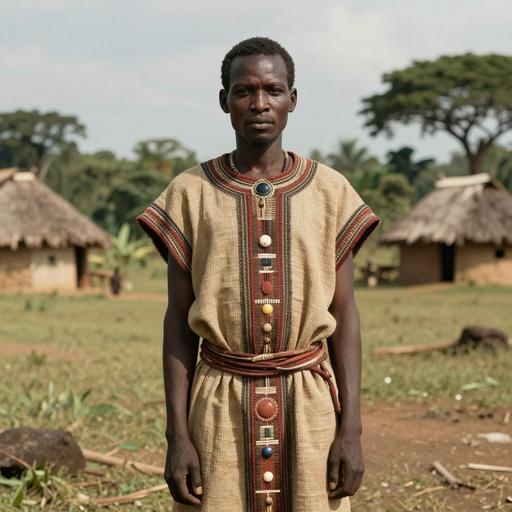
E1B functions as an important intermediate branch within the E1 lineage that links deep East African paternal ancestry to a wide set of descendant lineages with major demographic impacts across Africa and into neighboring regions. Its descendant clades document key episodes in human prehistory and history — from Late Pleistocene and Holocene population structure in Africa to the spread of agriculture, pastoralism and later historic movements. Ongoing refinement of the Y-chromosome phylogeny and broader sampling across Africa continue to clarify the timing, branching order and regional dynamics of E1B and its descendant lineages.

أبرز النقاط

  • Origins and Evolution
  • Subclades
  • Geographical Distribution
  • Historical and Cultural Significance
  • Conclusion

الملف المرجعي

شجرة السلالة والفروع المرتبطة

موضع الفرع في شجرة السلالة وفروعه الفرعية

مسار تفرّع السلالة

تتبّع الفروع الأصلية المسجّلة وصولًا إلى E1B. التواريخ تقديرية وقد تتغيّر عند تحديث البيانات المرجعية.

خطوات التفرّع المجموعة الفردانية العمر التقديري الحقبة الأثرية المدة المنقضية الفروع المباشرة العينات الحديثة المختبَرة الارتباطات القديمة
1 E1B الفرع الحالي ~30,000 years ago Paleolithic 30,000 سنة 1 1,583 0
2 E1 ~50,000 years ago Paleolithic 50,000 سنة 2 1,667 2
3 E ~50,000 years ago Paleolithic 50,000 سنة 3 1,813 3

الفروع الفرعية (1)

الفروع الشقيقة (1)

فروع أخرى من المجموعة الفردانية الأصلية نفسها

الملف المرجعي

أماكن وجود الفرع

التوزيع الجغرافي والوجود الحالي

الأصل المسجّل

Northeast Africa

التوزيع الحالي

The populations where Y-DNA haplogroup E1B is found include:

  1. Yoruba and other West African groups
  2. Bantu-speaking populations across Central, Eastern and Southern Africa
  3. Mande and West African coastal groups
  4. Ethiopian, Somali and Horn of Africa populations
  5. Berber (Amazigh) groups of North Africa
  6. Levantine and Near Eastern populations (at lower frequencies)
  7. Southern European groups in Mediterranean regions (e.g., Sicily, Iberia) at low–moderate frequencies
  8. African-descended populations in the Americas and Caribbean (via transatlantic slave trade)

الوجود حسب المنطقة

Eastern Africa High
Northern Africa High
Western Africa Moderate
Central Africa Low
Western Asia / Near East Moderate
Southern Europe Low
North America (diaspora) Low
Northeast Africa High
Southern Africa Moderate
السياق التاريخي

تاريخ الفرع

تقدير زمن نشأة الفرع ضمن تسلسل تاريخي عام. توفّر الفترات سياقًا زمنيًا دون إثبات صلة بثقافات بعينها.

  1. ~30k سنة مضت

    المجموعة الفردانية E1B

    تقدير نشأة فرع Y-DNA. التواريخ والمواقع تقديرات مرجعية.

    هذا الفرع
  2. ~20k سنة مضت

    ذروة العصر الجليدي الأخير

    بلغ التجلّد ذروته وانعزلت مجموعات سكانية

  3. ~10k سنة مضت

    ثورة العصر الحجري الحديث

    ظهور الزراعة وتشكّل المجتمعات المستقرّة

  4. ~5k سنة مضت

    العصر البرونزي

    صناعة المعادن والكتابة والحضارات المبكرة

  5. ~3k سنة مضت

    العصر الحديدي

    أدوات الحديد واتّساع شبكات التجارة

  6. ~2.5k سنة مضت

    العصور الكلاسيكية القديمة

    ازدهار الحضارتين اليونانية والرومانية

  7. Present

    الحاضر

    العصر الحديث

الملف المرجعي

السياق الأثري

الارتباطات الأثرية المسجّلة لفرع E1B من Y-DNA

الارتباطات المسجّلة

تصف هذه التسميات السياقات الأثرية المسجّلة للعينات المرجعية المرتبطة بـ E1B. لا يثبت الارتباط انتماء جميع حاملي الفرع إلى ثقافة بعينها أو اتّباعهم مسار هجرة محدّدًا.

Austria_Avar Moroccan Transitional Natufian PPNB Roman Provincial Saint Martin Spain_LatePunic-oAfrica
يستند تصنيف الثقافات إلى السياق الأثري لعينات الحمض النووي القديم، وقد يعكس ارتباطات إقليمية خلال فترات محدّدة.
الملف المرجعي

فهرس العينات

عدد عينات الفروع الفرعية للمجموعة الفردانية E1B هو 37. لا توجد عينات مطابقة مباشرةً في المجموعة المرجعية الحالية.

10 معروضة · 37 عينة مطابقة

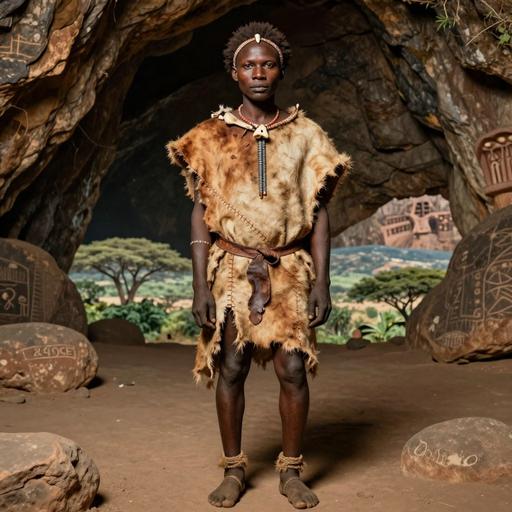
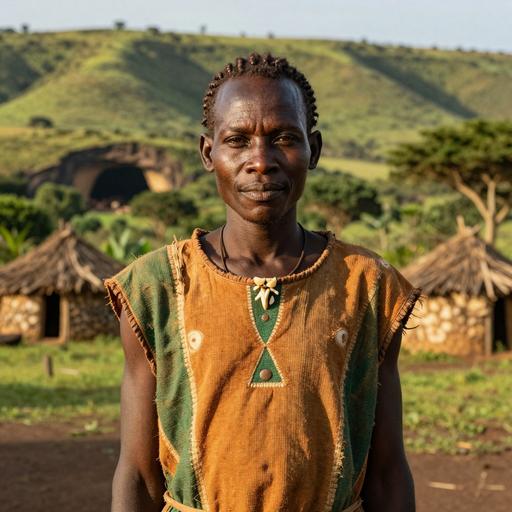
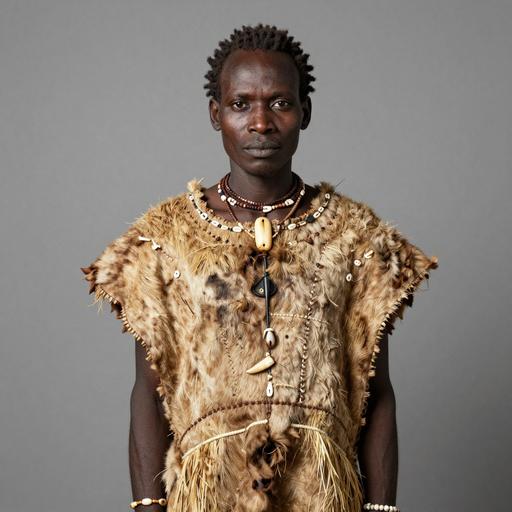
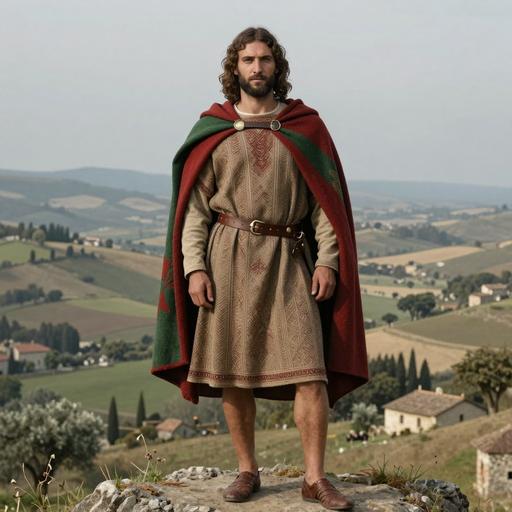
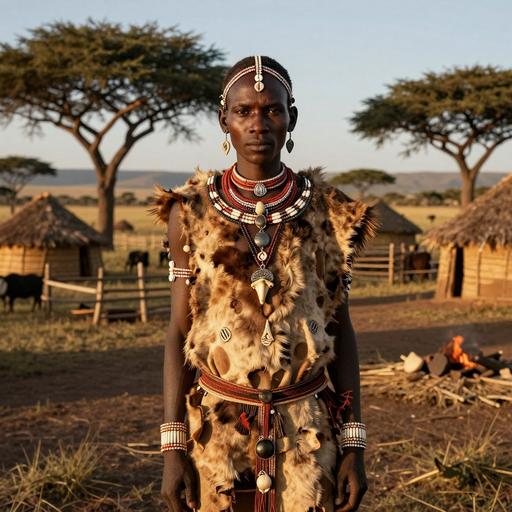
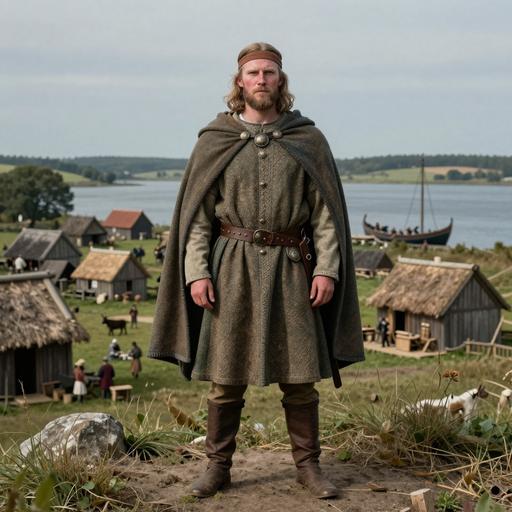
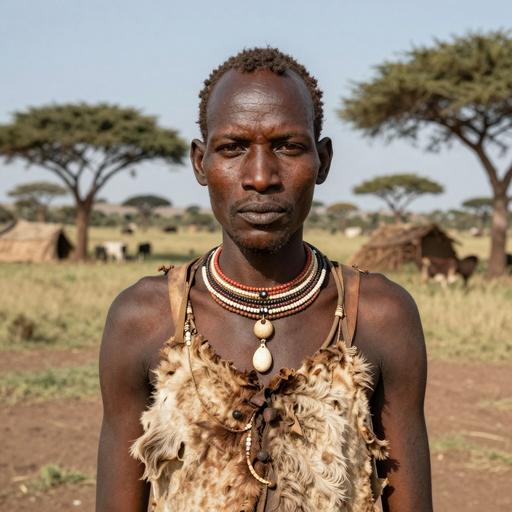
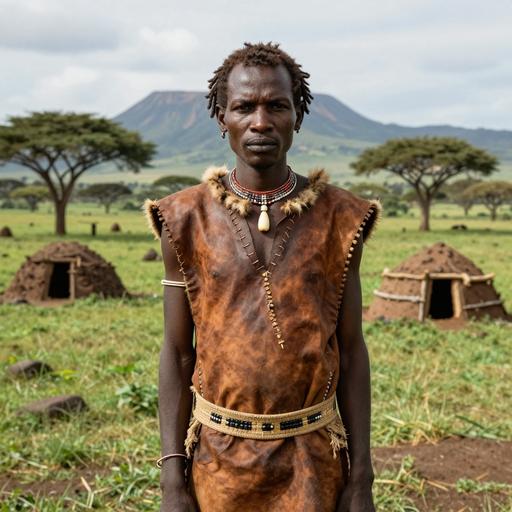
الصور الشخصية رسوم مولّدة بالذكاء الاصطناعي. تحدّد أسماء العينات ومعرّفات الإيداع السجلات المرجعية.

الصورة الشخصية العينة البلد الحقبة التاريخ الثقافة Y-DNA نوع التطابق
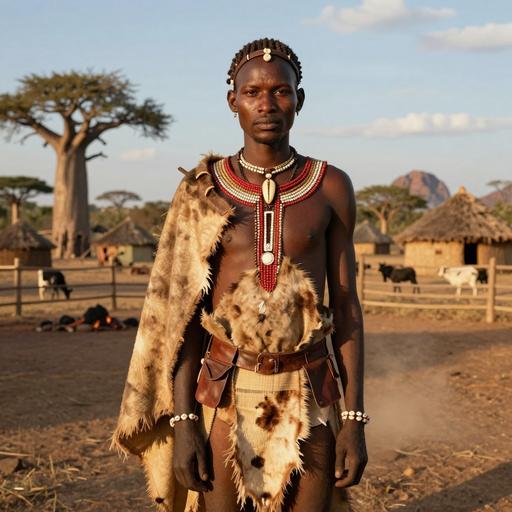
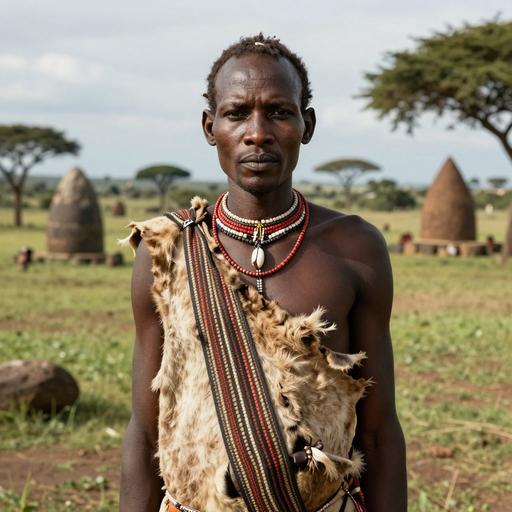
صورة توضيحية مولّدة بالذكاء الاصطناعي للعينة Pastoral N individual, Gishimangeda Cave, Tanzania (47-113 BCE)
معرّف العينة: I13977
Tanzania Prehistoric in Tanzania 47 calBCE - 113 calCE (2005±20 BP, PSUAMS-5652) Tanzanian Prehistoric E1b1b1b2b2 فرع فرعي
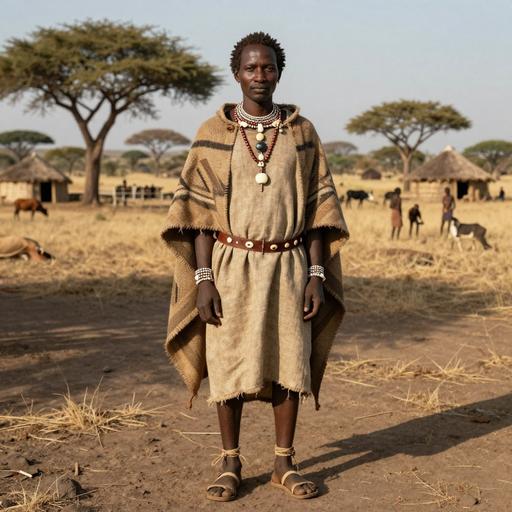
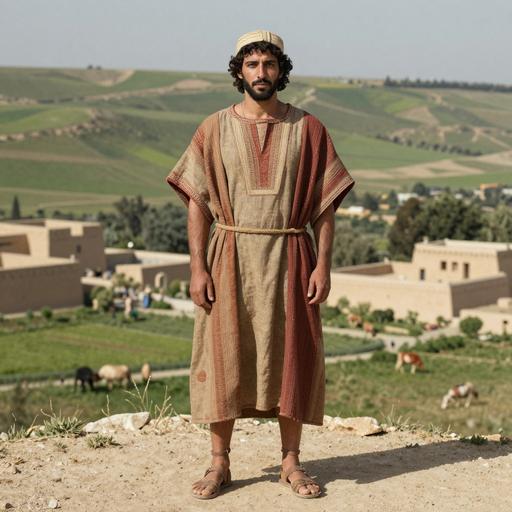
صورة توضيحية مولّدة بالذكاء الاصطناعي للعينة LSA individual, Victoria Nyanza. Kisumu. Jawuoyo Rockshelter, Kenya (84-211 BCE)
معرّف العينة: I8808
Kenya Kenya LSA 119-216 calCE (1895±15 BP, PSUAMS-4783) LSA Kenya E1b1b1a1b2 فرع فرعي
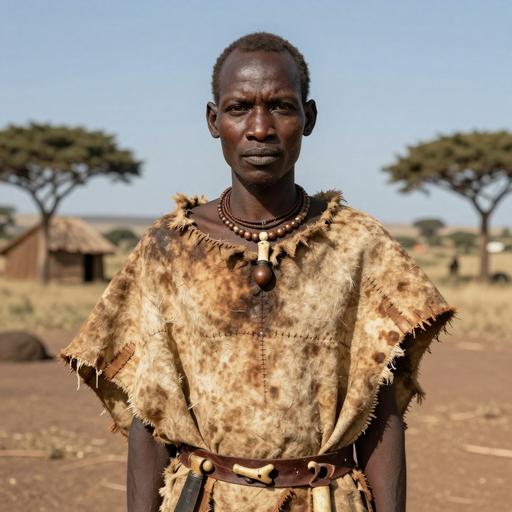
صورة توضيحية مولّدة بالذكاء الاصطناعي للعينة Pastoral N IA-o individual, Gishimangeda Cave, Tanzania (200-1 BCE)
معرّف العينة: I13762
Tanzania Prehistoric and Iron Age in Tanzania 163-59 calBCE (2140±15 BP, PSUAMS-5458) Tanzania Multi-Period E1b1b1b2b2a1 فرع فرعي
صورة توضيحية مولّدة بالذكاء الاصطناعي للعينة Pastoral N individual, Nyandarua. Ol Kalou, Kenya (215-326 BCE)
معرّف العينة: I12384
Kenya Kenya PastoralN 229-358 calCE (1800±20 BP, PSUAMS-4940) Pastoral Neolithic E1b1b1b2b2a1 فرع فرعي
صورة توضيحية مولّدة بالذكاء الاصطناعي للعينة Pastoral N individual, Gishimangeda Cave, Tanzania (245-368 CE)
معرّف العينة: I13972
Tanzania Prehistoric in Tanzania 245-368 calCE (1780±25 BP, PSUAMS-5651) Tanzanian Prehistoric E1b1b1b2b2 فرع فرعي
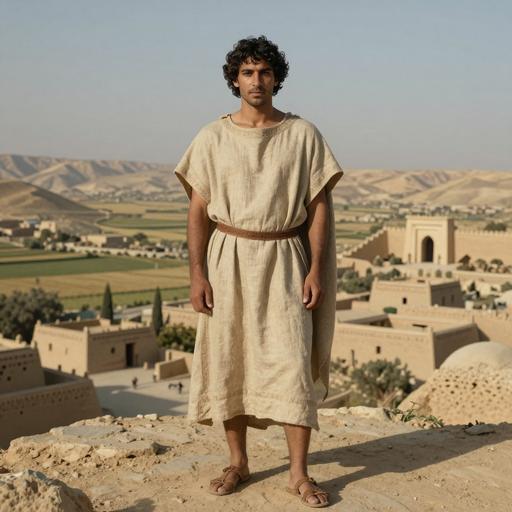
صورة توضيحية مولّدة بالذكاء الاصطناعي للعينة Alt Inden Early Medieval-o Levant individual, North Rhine-Westphalia. Alt-Inden, Germany (400-800 CE)
معرّف العينة: IND009
Germany Saxon Early Medieval Alt Inden, Germany 400-800 CE Saxon Culture E1b1b1a1b1a فرع فرعي
صورة توضيحية مولّدة بالذكاء الاصطناعي للعينة Pastoral N individual, Molo Cave. GoJi3, Kenya (437-600 BCE)
معرّف العينة: MOL001
Kenya Molo Cave Pastoral Neolithic in Kenya 541-637 calCE (1532±21 BP, OxA-37360) Molo Cave Culture E1b1b1b2b فرع فرعي
صورة توضيحية مولّدة بالذكاء الاصطناعي للعينة Pastoral N individual, Hyrax Hill. GrJj25, Kenya (513-386 BCE)
معرّف العينة: HYR002
Kenya Hyrax Hill Pastoral Neolithic in Kenya 415-202 calBCE (2354±23 BP, OxA-37352) Hyrax Hill E1b1b1b2b فرع فرعي
صورة توضيحية مولّدة بالذكاء الاصطناعي للعينة Piedmont North Early Medieval Lombards-3 individual, Piedmont. Collegno, Italy (580-630 CE)
معرّف العينة: CL38
Italy Early Medieval Langobards, Northern Italy 550-650 CE Langobard E1b1b1a1b1a3 فرع فرعي
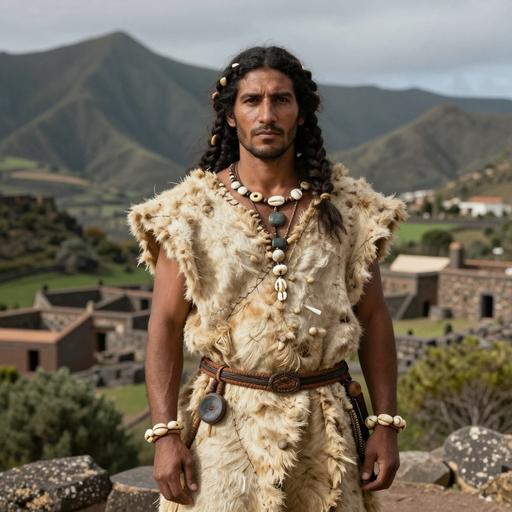
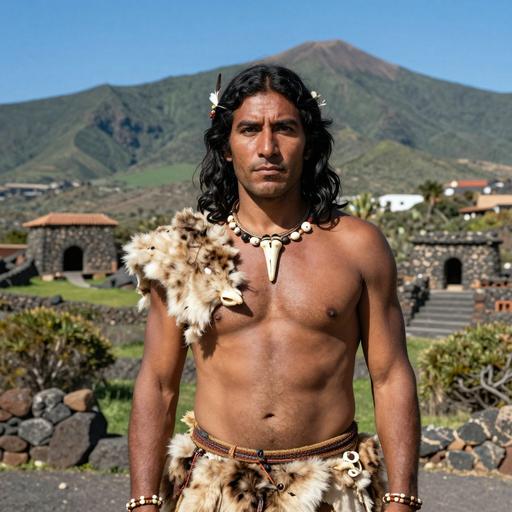
صورة توضيحية مولّدة بالذكاء الاصطناعي للعينة Berber individual, Tenerife, Canary Islands (593-660 CE)
معرّف العينة: gun012
Canary Islands The Guanche People of the Canary Islands 593 CE - 660 CE Guanche E1b1b1b1a1 فرع فرعي
أبوية · الحمض النووي القديم

خريطة الأدلة القديمة للسلالة

تتبّع الفروع الأصلية المؤدية إلى هذا الفرع واستكشف مواقع العثور على العينات القديمة المرتبطة به.

جارٍ تحميل السجلات القديمة…

تشير العلامات إلى مواقع الاكتشافات الأثرية. يشير الخط المتقطّع إلى انتقال جغرافي محتمل بين فرعين متتاليين تدعمه عدة سجلات مؤرّخة. لا يحدّد مسارًا دقيقًا أو مكان نشأة ولا يثبت انحدارًا مباشرًا. قد تنتمي عينات الفروع الأصلية إلى فروع متفرّعة أخرى. تبقى الفجوات حيث لا تكفي الأدلة. تختلف تواريخ العينات عن تواريخ نشأة المجموعات الفردانية.

الملف المرجعي

خريطة توزيع العينات

التوزيع الجغرافي لعينات الحمض النووي القديم المطابقة مباشرةً للمجموعة E1B أو لفروعها الفرعية. عدد العينات: 37

عينة من فرع فرعي
التصفية حسب الفترة
جميع الفترات
تُعرض جميع العينات
الملف المرجعي

التوزيع الزمني

توزيع العينات عبر الفترات الأثرية

الملف المرجعي

التوزيع الجغرافي

عدد العينات حسب بلدها المسجّل. تعكس الأعداد العينات المرجعية المتاحة دون قياس تواتر المجموعات الفردانية بين السكان.

الملف المرجعي

توزيع العينات حسب البلد والحقبة

قارن أعداد العينات المسجّلة حسب البلدان والفترات الأثرية. اختر خلية تحتوي على نتائج للاطّلاع على إحدى العينات.

البيانات

البيانات ومصادرها

معلومات المصادر وجودة البيانات

آخر تحديث 2026-06-15
درجة الثقة 50/100
التغطية Low

مصدر البيانات

يعكس التصنيف والتواريخ التقديرية والسياق الجغرافي البيانات المرجعية المسجّلة، وقد تتغيّر مع مراجعة الأدلة. تختلف تغطية العينات، ولا تثبت المواقع المسجّلة والارتباطات الأثرية الأصول الشخصية أو الهوية الثقافية.