Menu
mtDNA Haplogroup • Maternal Lineage

A2A1

mtDNA Haplogroup A2A1

~9,000 years ago
Beringia / Northeast Asia / Arctic North America
0 subclades
Scroll to explore
Chapter I

The Story

The journey of mtDNA haplogroup A2A1

Origins and Evolution

mtDNA haplogroup A2A1 derives from the broader Indigenous American lineage A2A, itself a branch of the founding Native American haplogroup A2. Given the parent clade's estimated origin near ~12 kya in Beringia or the adjacent Northeast Asian–Arctic zone, A2A1 most plausibly arose during the early Holocene (we estimate ~9 kya) as populations dispersed and differentiated after the Last Glacial Maximum. The formation of A2A1 likely reflects localized maternal diversification among small founder groups adapting to high‑latitude coastal and inland environments during post‑glacial recolonization.

Subclades (if applicable)

High‑resolution complete mitochondrial genome sequencing of circumpolar and northern Native American samples has revealed micro‑structure within the A2A1 branch. Regional sublineages (reported in the literature as localized variants or numbered suffixes in different studies) show geographic patterning consistent with: an Alaskan/Arctic cluster found among some Inuit and Yup'ik groups, and separate variants detected in parts of eastern Canada and Greenland. Because sampling density and nomenclature vary between studies, researchers commonly report A2A1 with additional internal branches (e.g., A2A1a, A2A1b in some datasets); further whole‑mitogenome sequencing continues to refine these internal splits.

Geographical Distribution

A2A1 is concentrated in northern North America and circumpolar regions, with detectable but lower frequencies elsewhere in the Americas and rare occurrences in adjacent Siberian populations. The haplogroup is most frequent among: Inuit, Yup'ik, Aleut, and other Arctic/sub‑Arctic Indigenous groups, and appears among northern First Nations and some Na‑Dene speakers. It is also present at low frequencies in modern admixed populations throughout the Americas where Indigenous maternal ancestry persists. Occasional low‑frequency finds in northeastern Siberia and Chukotka support a Beringian/Trans‑Beringian connection in prehistory.

Historical and Cultural Significance

A2A1 tracks maternal lineages associated with several well‑documented prehistoric Arctic population movements. It is consistent with early Holocene coastal and interior expansions and is observed in ancient DNA from Paleo‑Eskimo and later Thule contexts in the Arctic, indicating continuity and regional turnover in different periods. The haplogroup helps researchers reconstruct maternal ancestry patterns tied to: Paleo‑Eskimo dispersals (including Saqqaq and related Arctic Small Tool tradition groups), the later Thule migration that gave rise to modern Inuit populations, and interactions between northern First Nations and incoming Arctic groups. A2A1's distribution and diversity therefore inform models of migration timing, routes (coastal vs. inland), and population contacts across Beringia and the North American Arctic.

Conclusion

A2A1 is a geographically and historically informative maternal lineage within the A2 family, highlighting early Holocene diversification in high‑latitude contexts and ongoing importance for studies of Arctic prehistory and Indigenous maternal ancestry. Continued dense sampling and complete mitogenome sequencing across circumpolar regions will further clarify its internal structure, precise age, and migration history.

Key Points

  • Origins and Evolution
  • Subclades (if applicable)
  • Geographical Distribution
  • Historical and Cultural Significance
  • Conclusion
Chapter II

Tree & Relationships

Phylogenetic context and subclades

Evolution Path

This haplogroup's evolutionary journey from its earliest ancestor to the present.

Steps Haplogroup Age Estimate Archaeology Era Time Passed Immediate Descendants Tested Modern Descendants Ancient Connections
1 A2A1 Current ~9,000 years ago 🌾 Neolithic 9,000 years 0 0 0
2 A2A ~12,000 years ago 🌾 Neolithic 12,000 years 9 17 58
3 A2 ~15,000 years ago 🏹 Mesolithic 15,000 years 20 574 14
4 A ~30,000 years ago 🦴 Paleolithic 30,000 years 7 630 192

Subclades (0)

Terminal branch - no known subclades

Siblings (8)

Other branches from the same parent haplogroup

Chapter III

Where in the World

Geographic distribution and modern presence

Place of Origin

Beringia / Northeast Asia / Arctic North America

Modern Distribution

The populations where mtDNA haplogroup A2A1 is found include:

  1. Indigenous Native American groups across North, Central, and South America
  2. Northern North American populations including Na‑Dene, Algonquian, and other northern First Nations
  3. Arctic and sub‑Arctic peoples (Inuit, Yup'ik, Aleut) with regionally specific A2A variants
  4. Selected Indigenous Siberian and circumpolar Eurasian groups at low frequencies (e.g., Chukotkan, some Tungusic groups)
  5. Modern admixed populations in the Americas (e.g., Latin American mestizo and other groups) carrying Indigenous maternal ancestry
CHAPTER IV

When in Time

Your haplogroup in the context of human history

~10k years ago

Neolithic Revolution

Agriculture begins, settled communities form

~9k years ago

Haplogroup A2A1

Your mtDNA haplogroup emerged in Beringia / Northeast Asia / Arctic North America

Beringia / Northeast Asia / Arctic North America
~5k years ago

Bronze Age

Metalworking, writing, and early civilizations

~3k years ago

Iron Age

Iron tools, expanded trade networks

~2k years ago

Classical Antiquity

Greek and Roman civilizations flourish

Present

Present Day

Modern era

Your Haplogroup
Historical Era
Chapter IV-B

Linked Cultures

Ancient cultures associated with mtDNA haplogroup A2A1

Cultural Heritage

These ancient cultures have been linked to haplogroup A2A1 based on matching ancient DNA samples from archaeological excavations. The presence of this haplogroup in these cultures provides insights into the migrations and population movements of populations carrying this haplogroup.

Athabaskan Culture Neo-Aleut Culture Old Bering Sea Old Bering Sea Culture Uelen Culture
Culture assignments are based on archaeological context of ancient DNA samples and may represent regional associations during specific time periods.
Chapter V

Sample Catalog

8 direct carriers of haplogroup A2A1

8 / 8 samples
Portrait Sample Country Era Date Culture mtDNA Match
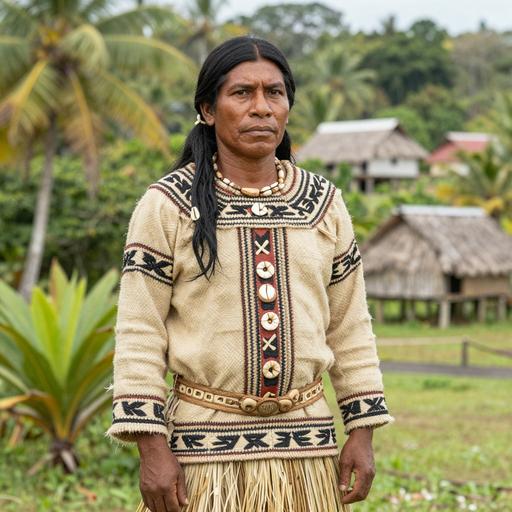
Portrait of ancient individual I13441 from Puerto Rico, dated 500 CE - 1500 CE
I13441
Puerto Rico Ceramic Period Cabo Rojo 11, Puerto Rico 500 CE - 1500 CE Cabo Rojo Culture A2-a1 Direct
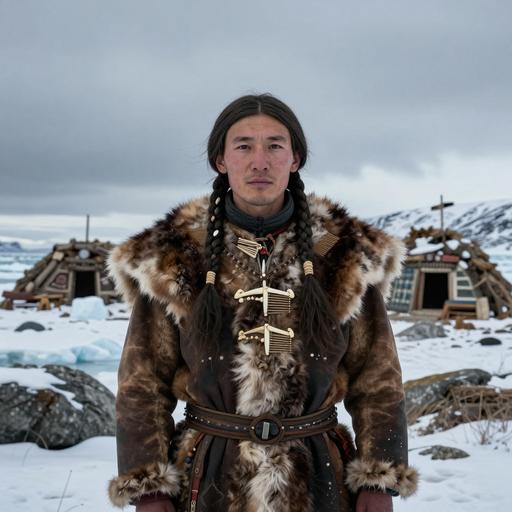
Portrait of ancient individual I7341 from Russia, dated 710 CE - 990 CE
I7341
Russia Old Bering Sea Culture Ekven, Russia 710 CE - 990 CE Old Bering Sea A2a1 Direct
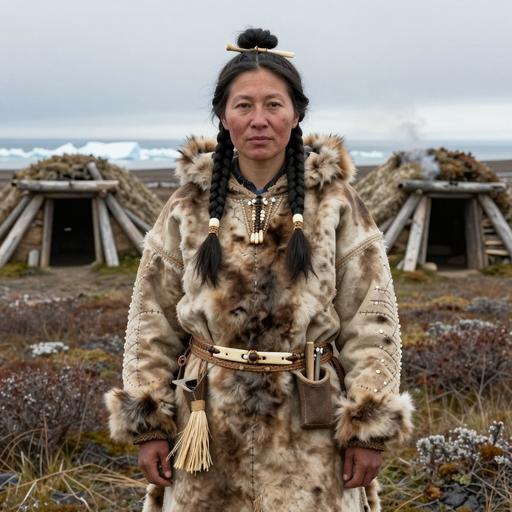
Portrait of ancient individual I7341 from Russia, dated 710 CE - 990 CE
I7341
Russia Medieval Beringia 710 CE - 990 CE A2a1 Direct
Portrait of ancient individual I7341 from Russia, dated 710 CE - 990 CE
I7341
Russia Medieval Beringia 710 CE - 990 CE A2a1 Direct
Portrait of ancient individual I7344 from Russia, dated 730 CE - 1010 CE
I7344
Russia Old Bering Sea Culture Ekven, Russia 730 CE - 1010 CE Old Bering Sea A2a1 Direct
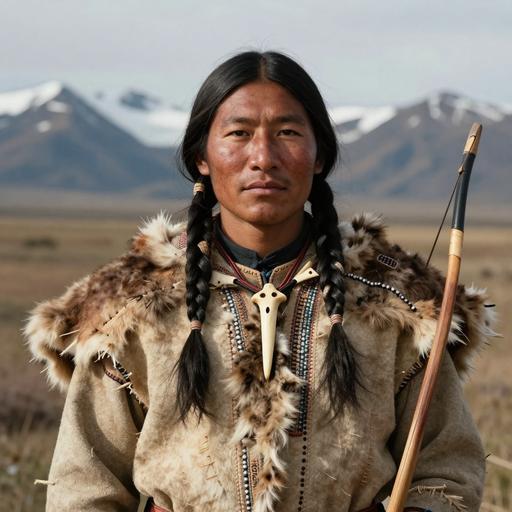
Portrait of ancient individual I5319 from USA, dated 1050 CE - 1400 CE
I5319
USA Ancient Athabaskan, Alaska, USA 1,100 Years Ago 1050 CE - 1400 CE Athabaskan Culture A2a1 Direct
Portrait of ancient individual I5319 from USA, dated 1050 CE - 1400 CE
I5319
USA The First Peoples of North America 1050 CE - 1400 CE A2a1 Direct
Portrait of ancient individual I5319 from USA, dated 1050 CE - 1400 CE
I5319
USA The First Peoples of North America 1050 CE - 1400 CE A2a1 Direct
Chapter VI

Carrier Distribution Map

Geographic distribution of 8 ancient DNA samples (direct and subclade carriers of A2A1)

Direct carrier
Time Period Filter
All Time Periods
Showing all samples
Chapter VII

Temporal Distribution

Distribution of carriers across archaeological periods

Chapter VIII

Geographic Distribution

Distribution by country of origin (direct and subclade carriers shown by default)

Chapter IX

Country × Era Distribution

Cross-tabulation of carrier countries and archaeological periods (direct and subclade carriers shown by default)

Data

Data & Provenance

Source information and data quality

Last Updated 2026-02-16
Confidence Score 50/100
Coverage Low
Data Source

We use the latest phylotree for MTDNA haplogroup classification and data.