Menu
mtDNA Haplogroup • Maternal Lineage

A2C

mtDNA Haplogroup A2C

~11,000 years ago
Beringia / Northwest North America
0 subclades
42 ancient samples
Scroll to explore
Chapter I

The Story

The journey of mtDNA haplogroup A2C

Origins and Evolution

A2C is a downstream branch of mtDNA haplogroup A2, one of the principal maternal founder lineages of the Americas. A2 itself derives from East Asian/Northeast Asian haplogroup A and is thought to have diversified in Beringia or adjacent regions during the Late Pleistocene. A2C represents a later split within the A2 radiation, probably originating in the early Holocene (roughly around 11 kya) as populations that had crossed into the Americas dispersed and became regionally differentiated.

Genetic evidence and the phylogenetic position of A2C indicate it arose after the initial peopling pulses that established the broad set of Native American haplogroups (A2, B2, C1, D1, X2a). The timeline and branching pattern are consistent with a scenario in which A2 diversified into multiple subclades during the Late Pleistocene–Early Holocene transition as migrating groups spread southward and became locally isolated.

Subclades

A2C itself may contain internal variation (sub-lineages defined by additional private mutations), but compared with major American haplogroups it is a relatively specific branch with limited high-frequency subclades reported in the literature. When studied in sample sets, A2C lineages often show local, population-specific variants consistent with in-situ diversification after initial arrival in particular regions of the Americas.

Geographical Distribution

A2C is predominantly a New World lineage. Its reported occurrences concentrate in:

  • South America, especially among populations in the Andean and coastal regions and some lowland (Amazonian) groups, where it reaches its highest relative prevalence in particular localities.
  • Central America and parts of Mesoamerica, where it appears at moderate frequencies in some indigenous groups.
  • Northern North America and Arctic/sub-Arctic populations at low frequencies or absent in most northern groups (A2 in general is present in the north, but A2C specifically is less common there).

Outside the Americas, A2C is generally rare or absent; when A2-like lineages appear in Siberia or northeastern Asia they more often represent other A2 branches or ancestral variation rather than the A2C-specific motif. Modern admixed populations across Latin America may carry A2C through indigenous maternal ancestry.

Historical and Cultural Significance

A2C is useful in population genetics and genetic genealogy for tracing maternal line continuity and microevolutionary events within the Americas. The presence of A2C in archaeological and modern contexts helps reconstruct post-glacial southward migration routes and the pattern of regional differentiation during the Early to Middle Holocene. In regions where A2C is concentrated, its local diversity can reflect long-term occupation and continuity of maternal lineages through pre-contact cultural transitions (for example, from Paleoindian/Archaic occupations into later formative and complex societies).

Because A2C is one of several A2 subclades, it also illustrates how a small number of maternal founders diversified into numerous regionally distinctive lineages, contributing to the mtDNA structure seen among contemporary Indigenous American populations.

Conclusion

mtDNA haplogroup A2C is a descendant branch of the primary Native American founding lineage A2 that likely arose in North America or nearby Beringian areas in the early Holocene. Today it is most characteristic of parts of Central and South America, where its distribution and internal diversity provide insights into early post-glacial dispersals, regional isolation, and the deep maternal ancestry of Indigenous American peoples.

Key Points

  • Origins and Evolution
  • Subclades
  • Geographical Distribution
  • Historical and Cultural Significance
  • Conclusion
Chapter II

Tree & Relationships

Phylogenetic context and subclades

Evolution Path

This haplogroup's evolutionary journey from its earliest ancestor to the present.

Steps Haplogroup Age Estimate Archaeology Era Time Passed Immediate Descendants Tested Modern Descendants Ancient Connections
1 A2C Current ~11,000 years ago 🌾 Neolithic 11,000 years 0 3 42
2 A2 ~15,000 years ago 🏹 Mesolithic 15,000 years 20 574 14
3 A ~30,000 years ago 🦴 Paleolithic 30,000 years 7 630 192

Subclades (0)

Terminal branch - no known subclades

Chapter III

Where in the World

Geographic distribution and modern presence

Place of Origin

Beringia / Northwest North America

Modern Distribution

The populations where mtDNA haplogroup A2 haplogroup A2C is found include:

  1. Indigenous South American groups (Andean, coastal, and some Amazonian populations)
  2. Indigenous Central American and Mesoamerican populations
  3. Selected Northern North American groups at low frequency
  4. Modern admixed populations in Latin America through indigenous maternal ancestry
  5. Rare/very low-frequency occurrences or ancestral A2 relatives in northeastern Siberian/Arctic groups (context-dependent)
CHAPTER IV

When in Time

Your haplogroup in the context of human history

~11k years ago

Haplogroup A2C

Your mtDNA haplogroup emerged in Beringia / Northwest North America

Beringia / Northwest North America
~10k years ago

Neolithic Revolution

Agriculture begins, settled communities form

~5k years ago

Bronze Age

Metalworking, writing, and early civilizations

~3k years ago

Iron Age

Iron tools, expanded trade networks

~2k years ago

Classical Antiquity

Greek and Roman civilizations flourish

Present

Present Day

Modern era

Your Haplogroup
Historical Era
Chapter IV-B

Linked Cultures

Ancient cultures associated with mtDNA haplogroup A2C

Cultural Heritage

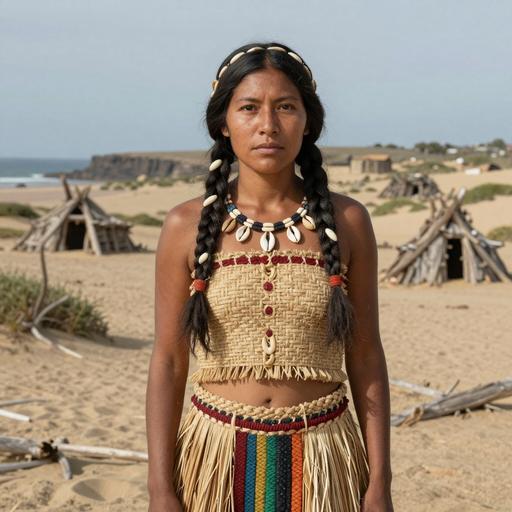
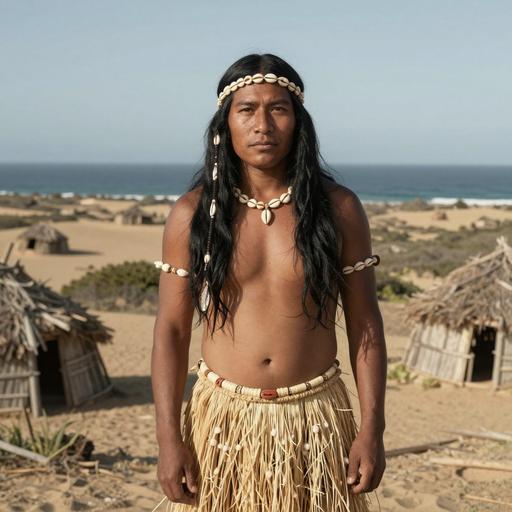
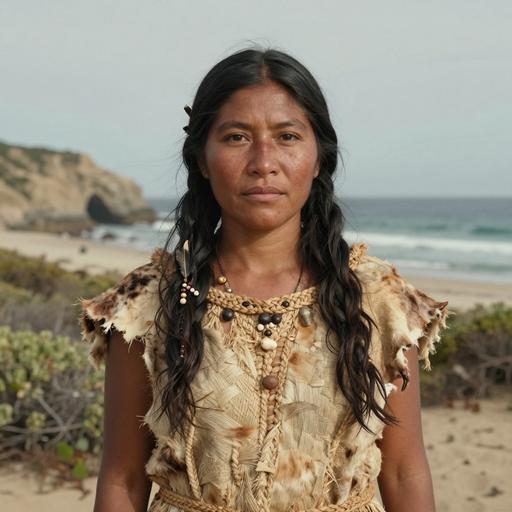
These ancient cultures have been linked to haplogroup A2C based on matching ancient DNA samples from archaeological excavations. The presence of this haplogroup in these cultures provides insights into the migrations and population movements of populations carrying this haplogroup.

Island Chumash
Culture assignments are based on archaeological context of ancient DNA samples and may represent regional associations during specific time periods.
Chapter V

Sample Catalog

42 direct carriers of haplogroup A2C

42 / 42 samples
Portrait Sample Country Era Date Culture mtDNA Match
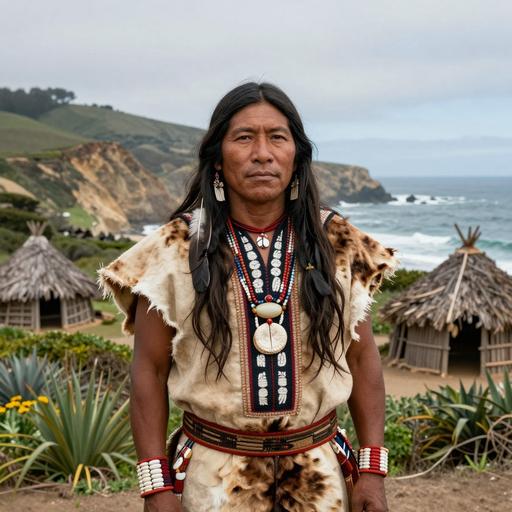
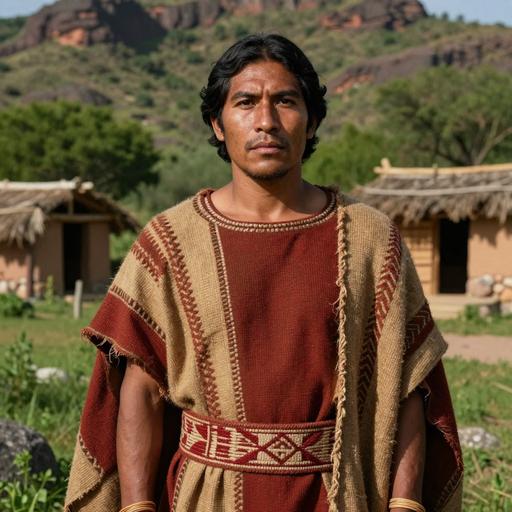
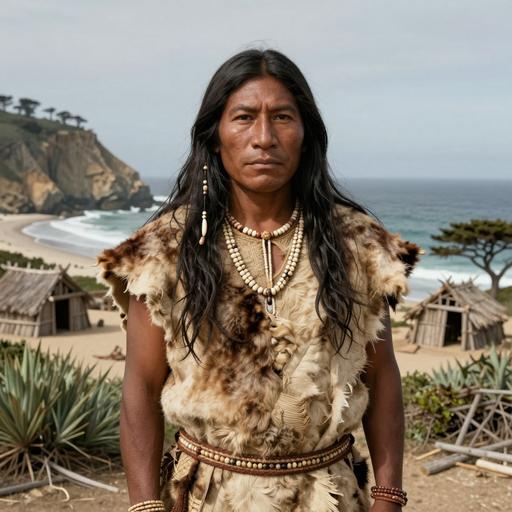
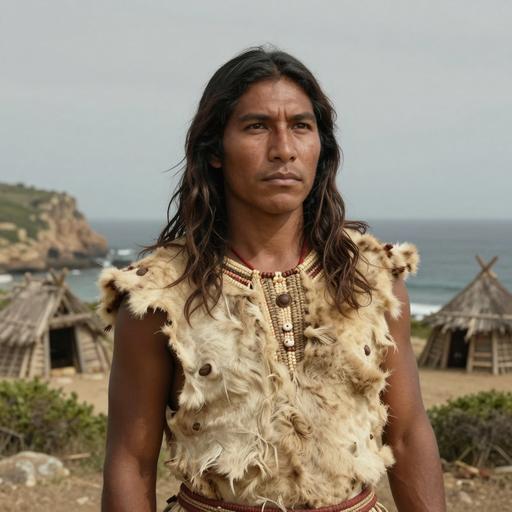
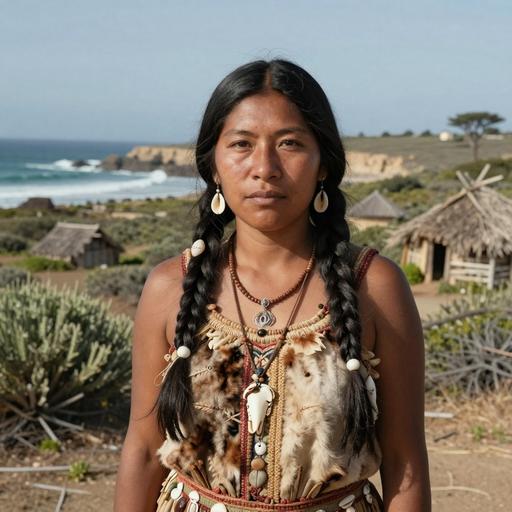
Portrait of ancient individual PS-09 from USA, dated 100 CE - 700 CE
PS-09
USA Chumash Culture, California, USA 100 CE - 700 CE Chumash A2c Direct
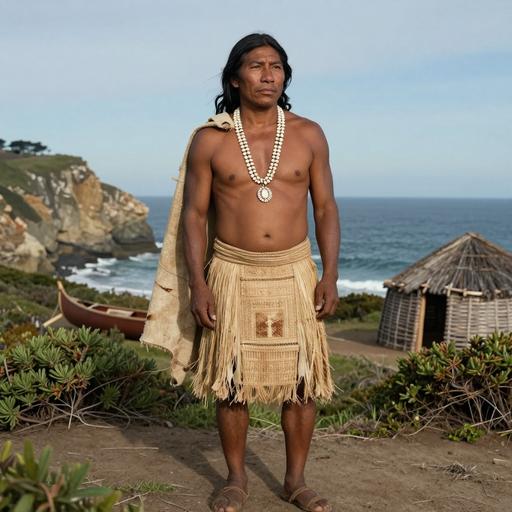
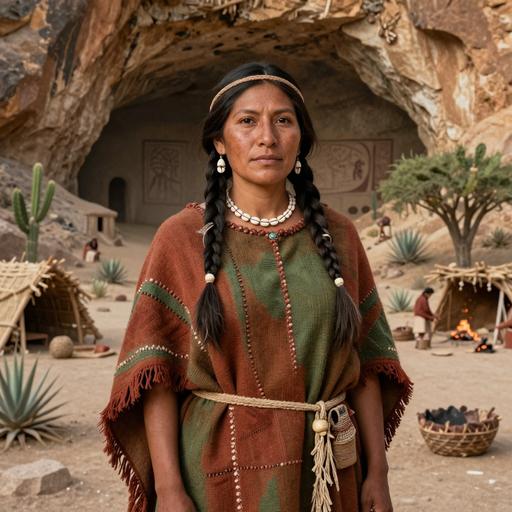
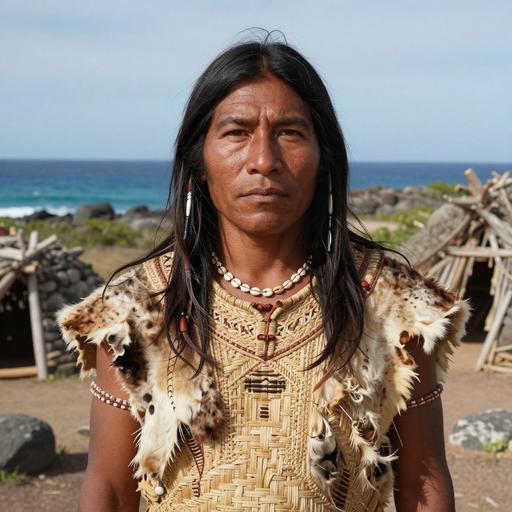
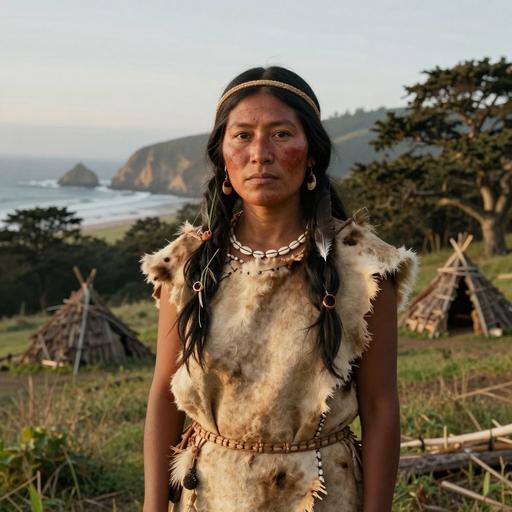
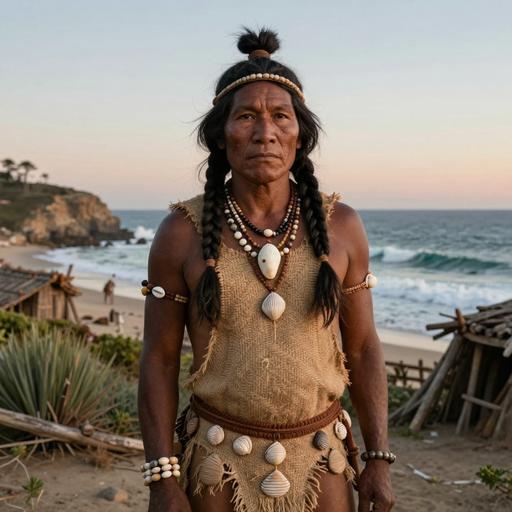
Portrait of ancient individual PS-34 from USA, dated 100 CE - 700 CE
PS-34
USA Chumash Culture, California, USA 100 CE - 700 CE Chumash A2c Direct
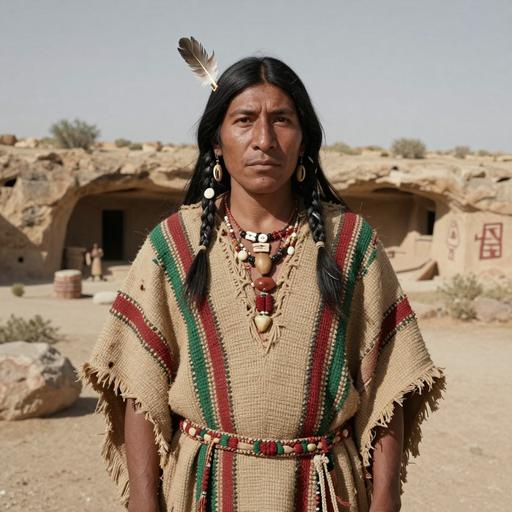
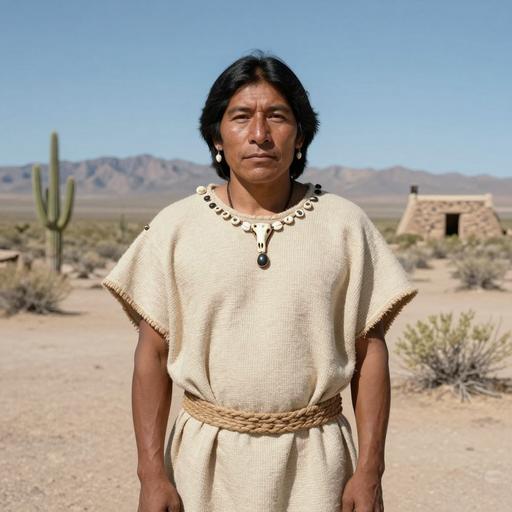
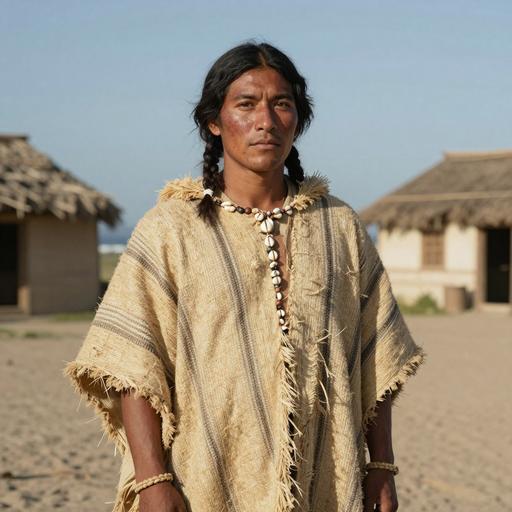
Portrait of ancient individual I11983 from Mexico, dated 100 CE - 1400 CE
I11983
Mexico Cueva de los Muertos Chiquitos 100 CE - 1400 CE Loma San Gabriel A2c Direct
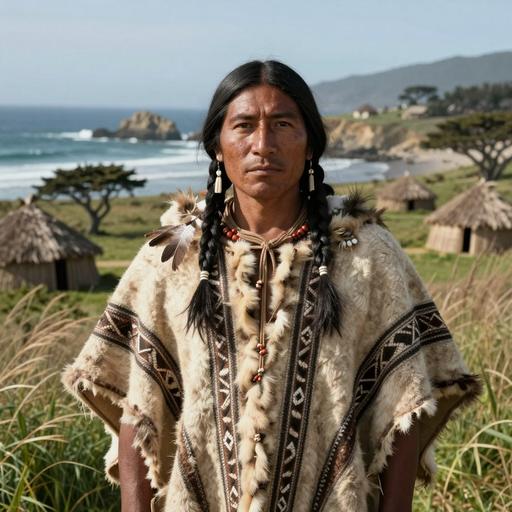
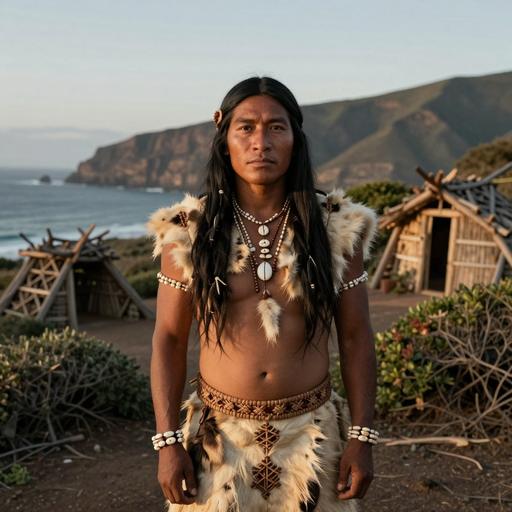
Portrait of ancient individual PS-09 from USA, dated 100 CE - 700 CE
PS-09
USA The First Peoples of North America 100 CE - 700 CE A2c Direct
Portrait of ancient individual PS-34 from USA, dated 100 CE - 700 CE
PS-34
USA The First Peoples of North America 100 CE - 700 CE A2c Direct
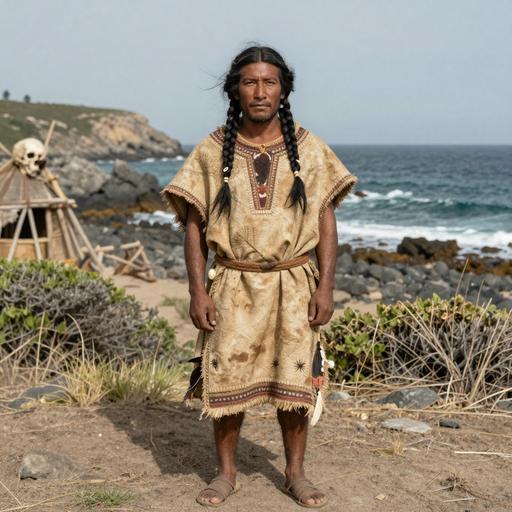
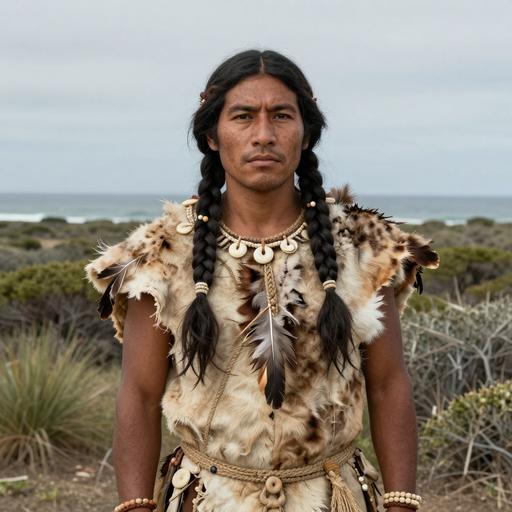
Portrait of ancient individual PS-03 from USA, dated 416 CE - 575 CE
PS-03
USA Chumash Culture, California, USA 416 CE - 575 CE Chumash A2c Direct
Portrait of ancient individual PS-03 from USA, dated 416 CE - 575 CE
PS-03
USA The First Peoples of North America 416 CE - 575 CE A2c Direct
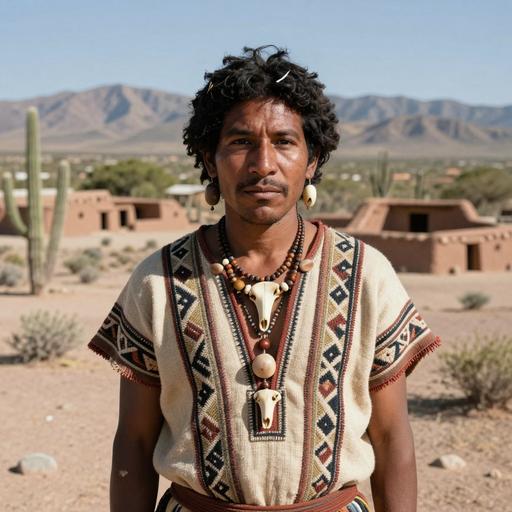
Portrait of ancient individual I8235 from Mexico, dated 500 CE - 1400 CE
I8235
Mexico Tayopa Culture 500 CE - 1400 CE Tayopa A2c Direct
Portrait of ancient individual I11985 from Mexico, dated 706 CE - 881 CE
I11985
Mexico Cueva de los Muertos Chiquitos 706 CE - 881 CE Loma San Gabriel A2c Direct
Portrait of ancient individual I23705 from Mexico, dated 906 BCE - 811 BCE
I23705
Mexico Trincheras Culture La Playa 2800 Before Present 906 BCE - 811 BCE Trincheras A2c Direct
Chapter VI

Carrier Distribution Map

Geographic distribution of 42 ancient DNA samples (direct and subclade carriers of A2C)

Direct carrier
Time Period Filter
All Time Periods
Showing all samples
Chapter VII

Temporal Distribution

Distribution of carriers across archaeological periods

Chapter VIII

Geographic Distribution

Distribution by country of origin (direct and subclade carriers shown by default)

Chapter IX

Country × Era Distribution

Cross-tabulation of carrier countries and archaeological periods (direct and subclade carriers shown by default)

Data

Data & Provenance

Source information and data quality

Last Updated 2026-02-16
Confidence Score 50/100
Coverage Low
Data Source

We use the latest phylotree for MTDNA haplogroup classification and data.