Menu
mtDNA Haplogroup • Maternal Lineage

A2E

mtDNA Haplogroup A2E

~10,000 years ago
Beringia / Northwest North America
0 subclades
24 ancient samples
Scroll to explore
Chapter I

The Story

The journey of mtDNA haplogroup A2E

Origins and Evolution

Haplogroup A2E is a downstream branch of the mitochondrial DNA haplogroup A2, one of the primary maternal founding lineages of the Americas. A2 itself derives from East/Northeast Asian haplogroup A and expanded into Beringia during the Late Pleistocene. A2E most likely formed after the initial peopling of the Americas, during the early Holocene (roughly around 10 kya), as populations that carried A2 diversified in Beringia and in newly colonized regions of northern North America during postglacial expansions.

A2E represents regional diversification within the broader A2 phylogeny: while A2 marks the initial migration into the New World, A2E appears to reflect later local differentiation in northern North America and adjacent Arctic/subarctic zones as groups adapted to high-latitude environments and established long-term maternal line continuity.

Subclades (if applicable)

As a named subclade of A2, A2E may itself contain further downstream branches recorded in high-resolution mtDNA studies and complete mitogenome sequencing. Published phylogenies and ancient DNA work sometimes identify sub-variants within A2E tied to particular regions or archaeological contexts; full resolution typically requires whole-mitogenome data rather than control-region SNPs alone. In practice, A2E is treated as a discrete lineage useful for tracing maternal ancestry within northern Indigenous American populations.

Geographical Distribution

A2E is concentrated in northern North America, particularly among Indigenous groups of the northwest, subarctic interior, and certain Arctic communities. It is detected at higher frequency in regional populations of Alaska, western Canada (including parts of the Yukon and Northwest Territories), and among some groups associated with Na-Dené (Athabaskan) and neighboring cultural spheres. Low-frequency occurrences can appear elsewhere in the Americas as a result of later migrations, gene flow, or more recent demographic processes, and occasional matches have been reported in admixed modern populations. Small, low-frequency presence in northeastern Siberia or Arctic Siberian groups is plausible given the Beringian connections but is generally rarer than in North America.

Historical and Cultural Significance

A2E contributes to our understanding of postglacial population structure in the Americas. Its geographic patterning supports scenarios in which early maternal lineages diversified regionally after the initial arrival from Beringia, with some lineages persisting in northern coastal and interior refugia. Because A2E is enriched in northern Indigenous groups, it is informative for studies of: early Holocene coastal dispersals, subarctic adaptations, and the maternal ancestry of Na-Dené and certain Arctic peoples. Ancient DNA recoveries that include A2E help link prehistoric archaeological contexts to modern descendant populations, illuminating maternal continuity through the Holocene.

In genetic genealogy, A2E can provide a finer-grained maternal signal for individuals with Indigenous North American ancestry, particularly when derived from full mitogenome sequencing rather than control-region tests alone.

Conclusion

mtDNA haplogroup A2E is a regional, postfounder branch of A2 that highlights maternal differentiation in northern North America following the initial Beringian episode. Its distribution and persistence in Arctic and subarctic indigenous groups make it valuable for reconstructing local demographic history, postglacial migrations, and continuity between ancient and modern populations. Continued sampling, high-resolution sequencing, and integration with archaeological data will refine the phylogeny and historical interpretation of A2E further.

Key Points

  • Origins and Evolution
  • Subclades (if applicable)
  • Geographical Distribution
  • Historical and Cultural Significance
  • Conclusion
Chapter II

Tree & Relationships

Phylogenetic context and subclades

Evolution Path

This haplogroup's evolutionary journey from its earliest ancestor to the present.

Steps Haplogroup Age Estimate Archaeology Era Time Passed Immediate Descendants Tested Modern Descendants Ancient Connections
1 A2E Current ~10,000 years ago 🌾 Neolithic 10,000 years 0 1 24
2 A2 ~15,000 years ago 🏹 Mesolithic 15,000 years 20 574 14
3 A ~30,000 years ago 🦴 Paleolithic 30,000 years 7 630 192

Subclades (0)

Terminal branch - no known subclades

Chapter III

Where in the World

Geographic distribution and modern presence

Place of Origin

Beringia / Northwest North America

Modern Distribution

The populations where mtDNA haplogroup A2E is found include:

  1. Indigenous groups of northwestern North America (Alaska, Yukon, western Canada)
  2. Subarctic and interior northern populations, including some Athabaskan/Na-Dené-speaking groups
  3. Arctic coastal populations (Inuit, Yup'ik, and related groups) at regional frequencies
  4. Modern admixed populations in the Americas through Indigenous maternal ancestry
  5. Low-frequency occurrences in other parts of the Americas and occasional detections in northeastern Siberian/Arctic groups
CHAPTER IV

When in Time

Your haplogroup in the context of human history

~10k years ago

Neolithic Revolution

Agriculture begins, settled communities form

~10k years ago

Haplogroup A2E

Your mtDNA haplogroup emerged in Beringia / Northwest North America

Beringia / Northwest North America
~5k years ago

Bronze Age

Metalworking, writing, and early civilizations

~3k years ago

Iron Age

Iron tools, expanded trade networks

~2k years ago

Classical Antiquity

Greek and Roman civilizations flourish

Present

Present Day

Modern era

Your Haplogroup
Historical Era
Chapter IV-B

Linked Cultures

Ancient cultures associated with mtDNA haplogroup A2E

Cultural Heritage

These ancient cultures have been linked to haplogroup A2E based on matching ancient DNA samples from archaeological excavations. The presence of this haplogroup in these cultures provides insights into the migrations and population movements of populations carrying this haplogroup.

Enoque La Caleta
Culture assignments are based on archaeological context of ancient DNA samples and may represent regional associations during specific time periods.
Chapter V

Sample Catalog

24 direct carriers of haplogroup A2E

24 / 24 samples
Portrait Sample Country Era Date Culture mtDNA Match
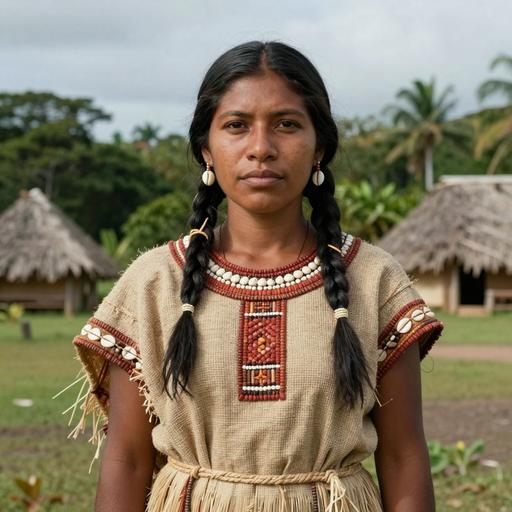
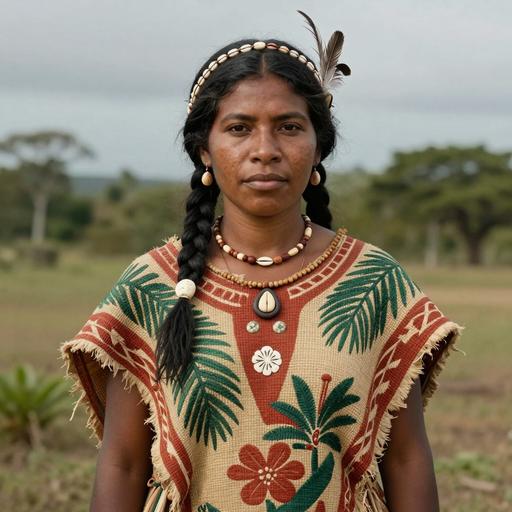
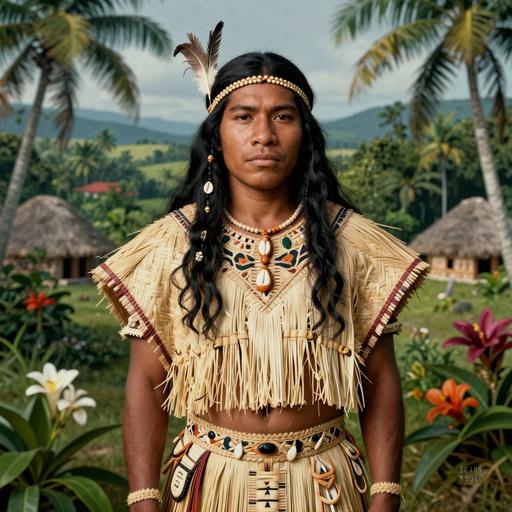
Portrait of ancient individual I15587 from Dominican Republic, dated 600 CE - 1650 CE
I15587
Dominican Republic Ceramic Period La Caleta, Dominican Republic 600 CE - 1650 CE La Caleta A2e Direct
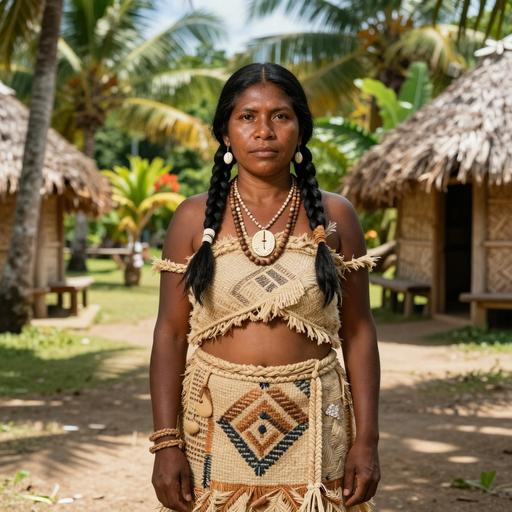
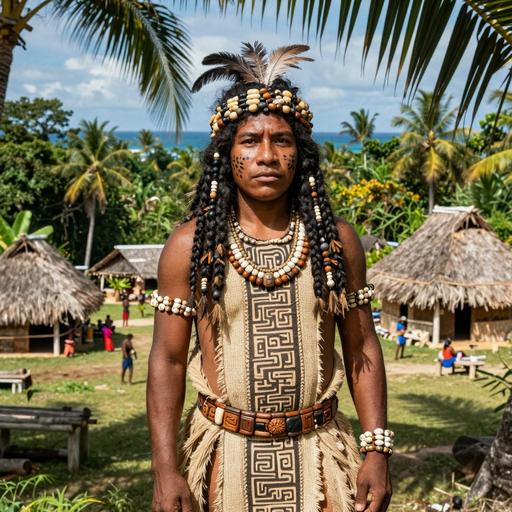
Portrait of ancient individual I15675 from Dominican Republic, dated 600 CE - 1050 CE
I15675
Dominican Republic Ceramic Period La Caleta, Dominican Republic 600 CE - 1050 CE La Caleta A2e Direct
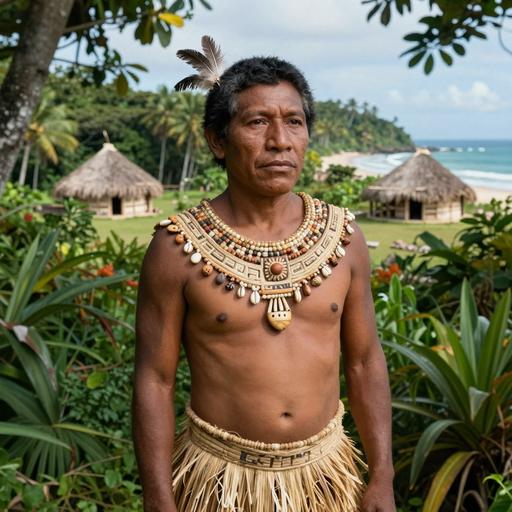
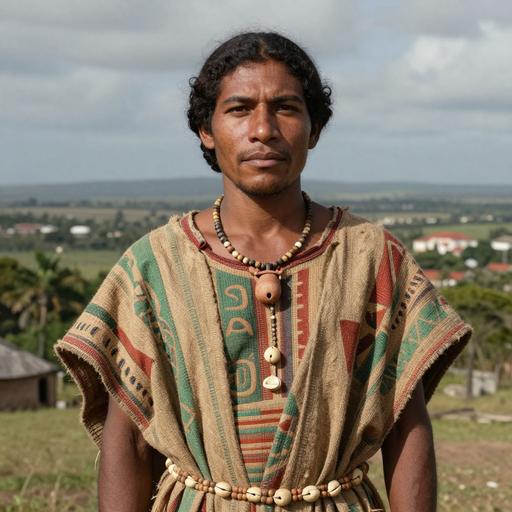
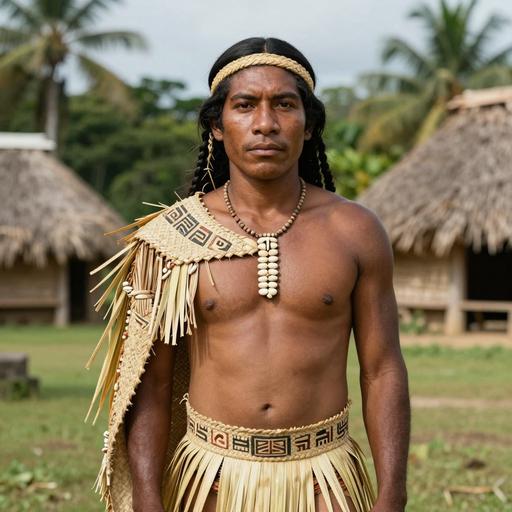
Portrait of ancient individual I15671 from Dominican Republic, dated 600 CE - 1050 CE
I15671
Dominican Republic Ceramic Period La Caleta, Dominican Republic 600 CE - 1050 CE La Caleta A2e Direct
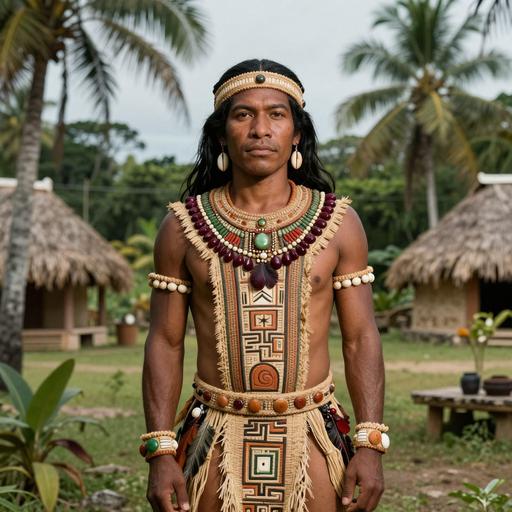
Portrait of ancient individual I15671 from Dominican Republic, dated 600 CE - 1050 CE
I15671
Dominican Republic The First Peoples of the Caribbean 600 CE - 1050 CE A2e Direct
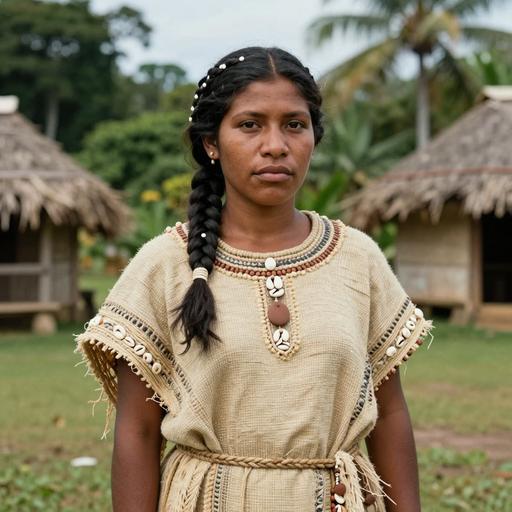
Portrait of ancient individual I13539 from Puerto Rico, dated 604 CE - 660 CE
I13539
Puerto Rico Ceramic Period Collores, Puerto Rico 604 CE - 660 CE Collores Culture A2e Direct
Portrait of ancient individual PDI009 from Puerto Rico, dated 650 CE - 1400 CE
PDI009
Puerto Rico Ceramic Period Paso del Indio, Puerto Rico 650 CE - 1400 CE Paso del Indio Culture A2e Direct
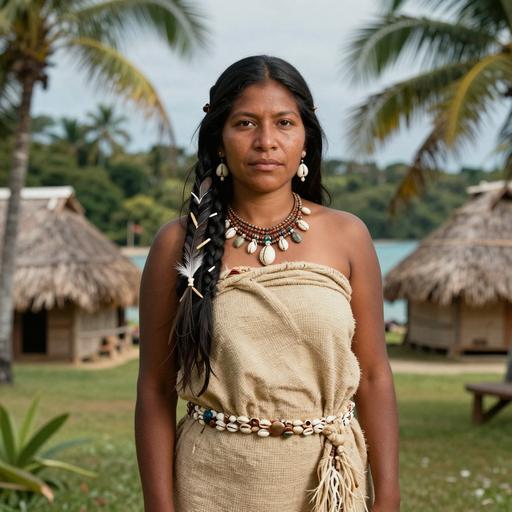
Portrait of ancient individual I15978 from Dominican Republic, dated 899 CE - 1026 CE
I15978
Dominican Republic Ceramic Period La Caleta, Dominican Republic 899 CE - 1026 CE La Caleta A2e Direct
Portrait of ancient individual I15594 from Dominican Republic, dated 950 CE - 1200 CE
I15594
Dominican Republic Ceramic Period La Caleta, Dominican Republic 950 CE - 1200 CE La Caleta A2e Direct
Portrait of ancient individual I15590 from Dominican Republic, dated 950 CE - 1200 CE
I15590
Dominican Republic Ceramic Period La Caleta, Dominican Republic 950 CE - 1200 CE La Caleta A2e Direct
Portrait of ancient individual I15598 from Dominican Republic, dated 950 CE - 1200 CE
I15598
Dominican Republic Ceramic Period La Caleta, Dominican Republic 950 CE - 1200 CE La Caleta A2e Direct
Chapter VI

Carrier Distribution Map

Geographic distribution of 24 ancient DNA samples (direct and subclade carriers of A2E)

Direct carrier
Time Period Filter
All Time Periods
Showing all samples
Chapter VII

Temporal Distribution

Distribution of carriers across archaeological periods

Chapter VIII

Geographic Distribution

Distribution by country of origin (direct and subclade carriers shown by default)

Chapter IX

Country × Era Distribution

Cross-tabulation of carrier countries and archaeological periods (direct and subclade carriers shown by default)

Data

Data & Provenance

Source information and data quality

Last Updated 2026-02-16
Confidence Score 50/100
Coverage Low
Data Source

We use the latest phylotree for MTDNA haplogroup classification and data.