mtDNA · Maternal lineage

G3A

mtDNA Haplogroup G3A

A reference profile for one lineage branch. Shared haplogroups do not establish a family relationship or cultural identity.

Reference profile

Branch background

Historical context for mtDNA lineage branch G3A

Origins and Evolution

mtDNA haplogroup G3A is a downstream branch of haplogroup G3, itself a subclade of macro-haplogroup G, which coalesced in Northeast/East Asia during the Late Pleistocene to Early Holocene. Based on the parent clade's time depth (approximately 12 kya) and observed diversity within G3 subbranches, a plausible coalescence for G3A is in the Early Holocene (~9 kya). G3A likely arose as part of the post-glacial demographic processes that reshaped maternal lineages in northern East Asia and adjacent Siberia, reflecting continuity of local hunter-gatherer populations and subsequent regional differentiation.

Subclades (if applicable)

G3A is a named subclade within G3; internal diversity within G3A is currently limited in published datasets, consistent with a regional clade that expanded locally rather than undergoing continent-scale radiation. Some internal branches appear to be enriched in the Japanese archipelago and the Russian Far East, suggesting substructure associated with island and coastal populations. Because sampling of ancient and modern mtDNA in parts of Siberia and coastal Northeast Asia remains incomplete, further sequencing and ancient DNA retrieval are expected to reveal more fine-scale subclades and geographic structuring within G3A.

Geographical Distribution

Today G3A is most frequently reported from Northeast Asia and the Russian Far East, with notable occurrences in modern Japanese populations (including Ainu and some Ryukyuan groups), Koreans and northeastern Han Chinese, and various indigenous Siberian groups (e.g., Yakut, Evenk, Koryak). The clade is also observed at lower frequencies in some Mongolic and Central Asian groups (for example among Buryat and Mongol samples) and occasionally in circumpolar communities; rare detections in the Americas have been reported and are plausibly due to historic or prehistoric circumpolar connections rather than major colonizing events. Ancient DNA evidence for G3A is limited but present (one recorded ancient sample in the referenced database), consistent with a regional but not ubiquitous ancient distribution.

Historical and Cultural Significance

G3A is most plausibly associated with post-glacial hunter-gatherer populations of Northeast Asia and the early Holocene coastal and inland communities that later contributed to the genetic makeup of Jomon-era Japan, indigenous Siberian groups, and neighboring continental populations. In archaeological terms, G3A fits the profile of lineages that persisted through the Holocene in northern East Asia rather than lineages tied primarily to large-scale Neolithic farming expansions from the Yellow River or Yangtze regions. Where present in the Japanese archipelago, G3A may reflect genetic continuity with pre-agricultural Jomon populations and later admixture with continental migrants during the Yayoi and subsequent periods.

Conclusion

mtDNA haplogroup G3A is a regional Northeast/East Asian maternal lineage that emerged in the Early Holocene and today marks continuity and local expansion of northern East Asian and Siberian maternal ancestries, with particular representation in Japan, the Russian Far East, and adjacent continental populations. Continued high-resolution mtDNA sequencing and more ancient DNA sampling across Northeast Asia and Siberia will clarify the subclade structure, migration chronology, and the role of G3A-bearing populations in broader Holocene demographic events.

Key Points

  • Origins and Evolution
  • Subclades (if applicable)
  • Geographical Distribution
  • Historical and Cultural Significance
  • Conclusion
Reference profile

Tree & Relationships

Phylogenetic context and subclades

Evolution Path

Follow the recorded parent branches toward G3A. Dates are estimates and can change as reference data is revised.

Steps Haplogroup Age Estimate Archaeology Era Time Passed Immediate Descendants Tested Modern Descendants Ancient Connections
1 G3A Current ~9,000 years ago Neolithic 9,000 years 2 4 11
2 G3 ~12,000 years ago Neolithic 12,000 years 2 10 1
3 G ~35,000 years ago Paleolithic 35,000 years 4 382 3
4 M12'G - - - 2 383 0
5 M ~60,000 years ago Paleolithic 60,000 years 42 2,671 41
6 L3 ~70,000 years ago Paleolithic 70,000 years 7 30,162 6
7 L3'4 - - - 2 30,212 0
8 L3'4'6 - - - 2 30,216 0
9 L2'3'4'6 - - - 2 31,333 0
10 L2'3'4'5'6'7 - - - 2 31,349 0
11 L1'2'3'4'5'6'7 - - - 2 31,852 0
12 L ~160,000 years ago Paleolithic 160,000 years 2 32,236 5

Siblings (1)

Other branches from the same parent haplogroup

Reference profile

Where in the World

Geographic distribution and modern presence

Recorded origin

Northeast / East Asia

Modern Distribution

The populations where mtDNA haplogroup G3A is found include:

  1. Japanese populations (including Ainu and some Ryukyuan groups)
  2. Koreans and northeastern Han Chinese
  3. Indigenous Siberian groups (e.g., Yakut, Evenk, Nganasan, Koryak)
  4. Mongolic and some Central Asian populations (e.g., Buryat, Mongol)
  5. Northern Tibeto-Burman and other highland East Asian groups (at low to moderate frequencies)
  6. Circumpolar communities and rare occurrences in the Americas (generally low frequency and localized)
Historical context

A branch through time

Estimated formation in a broad historical timeline. Period markers provide context and do not imply a connection with particular cultures.

  1. ~10k years ago

    Neolithic Revolution

    Agriculture begins, settled communities form

  2. ~9k years ago

    Haplogroup G3A

    Estimated formation of this mtDNA branch; dates and locations are reference estimates.

    This branch
  3. ~5k years ago

    Bronze Age

    Metalworking, writing, and early civilizations

  4. ~3k years ago

    Iron Age

    Iron tools, expanded trade networks

  5. ~2.5k years ago

    Classical Antiquity

    Greek and Roman civilizations flourish

  6. Present

    Present Day

    Modern era

Reference profile

Archaeological context

Recorded archaeological associations for mtDNA branch G3A

Recorded associations

These labels describe archaeological contexts recorded for reference samples linked to G3A. An association does not establish that all carriers belonged to a culture or followed a particular migration route.

Austria_Avar Avar Culture Brailita Dulan-Wayan Early Medieval Mongolian Khovsgol Culture Russia_Samara_Khazar Umungobi Medieval Upper Yellow River Culture Wuzan Culture Xiongnu Culture
Culture assignments are based on archaeological context of ancient DNA samples and may represent regional associations during specific time periods.
Reference profile

Sample Catalog

1 direct carrier and 10 subclade carriers of haplogroup G3A

10 shown · 11 matching samples

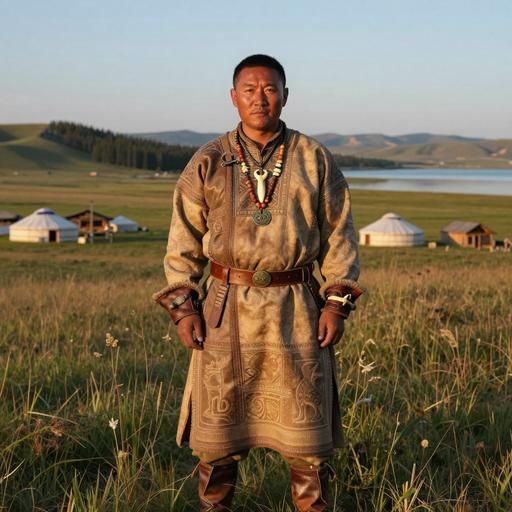
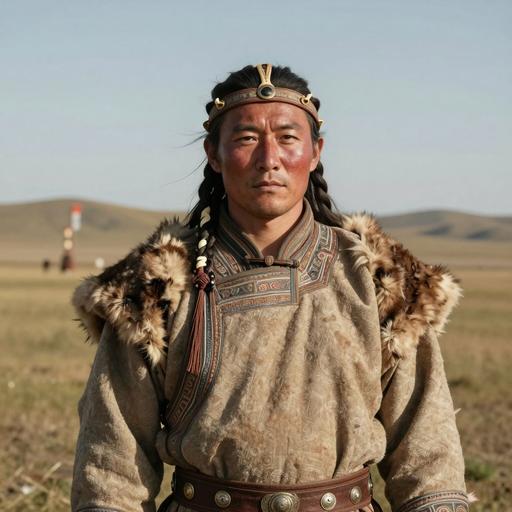
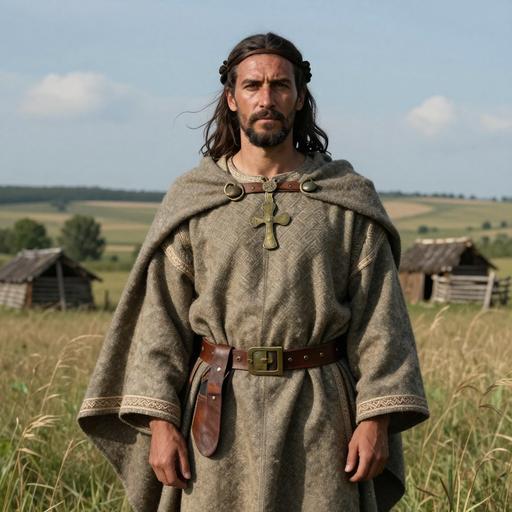
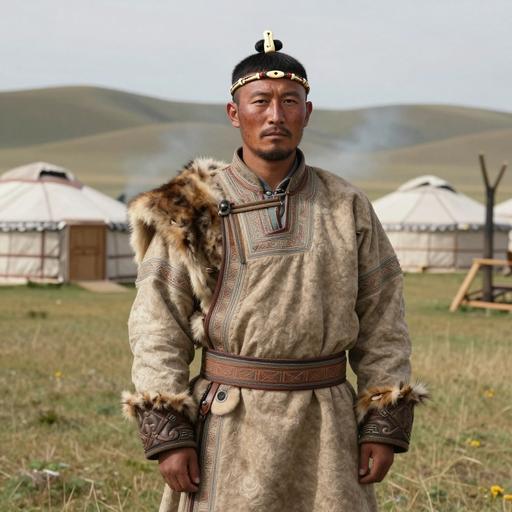
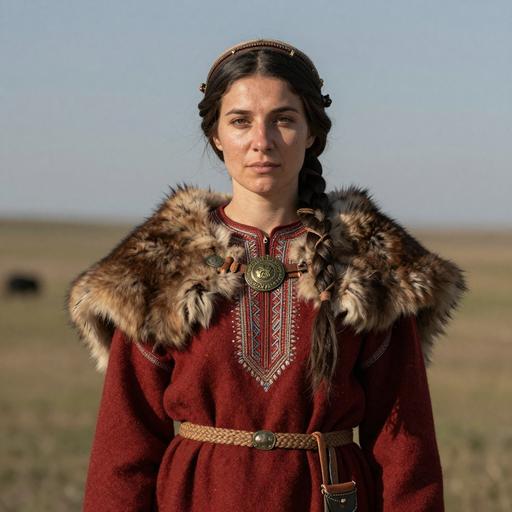
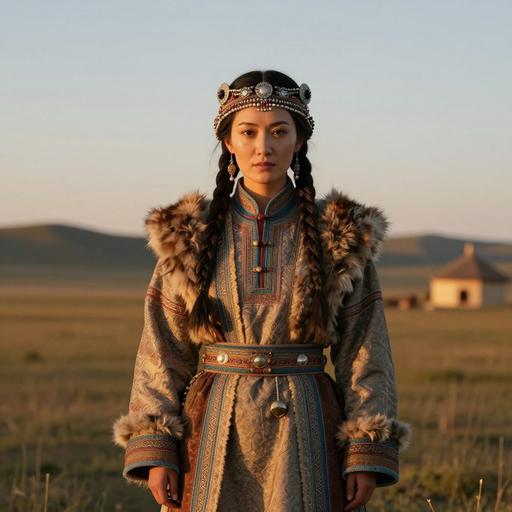
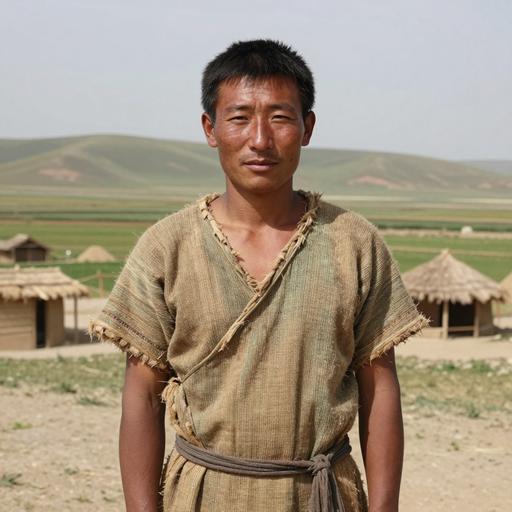
Portraits are AI-generated illustrations. Sample labels and accession IDs identify the reference records.

Portrait Sample Country Era Date Culture mtDNA Match
AI-generated illustrative portrait of Khovsgol LBA-6 individual, Khovsgol aimag. Arbulag sorum, Mongolia (1,431-1,128 BCE)
Sample ID: ARS015
Mongolia Late Bronze Age Khovsgol 6, Mongolia 1431-1128 calBCE (3052±52 BP, A-) Khovsgol Culture G3a Direct
AI-generated illustrative portrait of Nomadic Steppe Cultures individual, Siberia. Tungus & Eastern Steppe, Mongolia (351-54 BCE)
Sample ID: DA41
Mongolia Xiongnu Period Mongolia 351 BCE - 54 BCE Xiongnu Culture G3a3 Subclade
AI-generated illustrative portrait of Xiongnu individual, Siberia. Tungus & Eastern Steppe, Mongolia (351-54 BCE)
Sample ID: DA41
Mongolia The Xiongnu Empire 351 BCE - 54 BCE G3a3 Subclade
AI-generated illustrative portrait of Late Avar-o High East Asia individual, Hajdú-Bihar County. Árkus-Homokbánya, Hungary (662-776 CE)
Sample ID: ARK-36
Hungary Hungary LateAvar 662-776 calCE (1286±27 BP, DeA-22530) Avar Culture G3a3 Subclade
AI-generated illustrative portrait of Qinghai Dulan Wayan Reservoir Site Classical individual, Dulan Wayan reservoir site (Dulan County, Reshui town), China (667-774 CE)
Sample ID: BB2012
China Dulan-Wayan Culture 667-774 calCE (1290±20 BP, LZU-18111) Dulan-Wayan G3a1 Subclade
AI-generated illustrative portrait of Arkhangai Early Medieval individual, Arkhangai. Olon Dov, Mongolia (700-1,050 CE)
Sample ID: OLN010
Mongolia Mongolia Arkhangai EarlyMedieval 700-1050 CE Early Medieval Mongolian G3a3 Subclade
AI-generated illustrative portrait of Xinjiang Wuzan IA-o East Asia individual, Xinjiang. Yili Region. Nileke County. Wuzan, China (750-350 BCE)
Sample ID: C845
China China Xinjiang Wuzan IA 750-350 BCE Wuzan Culture G3a3 Subclade
AI-generated illustrative portrait of Late Avar-o Low East Asia individual, Hajdú-Bihar County. Árkus-Homokbánya, Hungary (772-977 CE)
Sample ID: ARK-21
Hungary Hungary LateAvar 772-977 calCE (1160±27 BP, DeA-22533) Avar Culture G3a3 Subclade
AI-generated illustrative portrait of Omnogovi Late Medieval individual, Umungobi. Banzart Khairkhan, Mongolia (1,000-1,500 CE)
Sample ID: BAZ001
Mongolia Late Medieval Umungobi, Mongolia 1000-1500 CE Umungobi Medieval G3a3 Subclade
AI-generated illustrative portrait of Ancient Chinese Civilization individual, Qinghai. Huzhu county. Jinchankou site, China (2,461-2,208 BCE)
Sample ID: JCKM1-1
China Late Neolithic Upper Yellow River, China 2461 BCE - 2208 BCE Upper Yellow River Culture G3a2 Subclade
MATERNAL LINEAGE · ANCIENT DNA

Ancient lineage evidence map

Follow parent clades toward this branch and explore where ancient carriers were found.

Loading ancient observations…

Markers are archaeological find locations. A dashed connector is an uncertain, proposed geographic transition between consecutive branches supported by multiple dated observations; it is not an exact travel route, birthplace or proof of direct descent. Parent-clade samples may belong to other descendant branches. Gaps remain where evidence is insufficient. Sample dates differ from haplogroup formation dates.

Reference profile

Carrier Distribution Map

Geographic distribution of 11 ancient DNA samples (direct and subclade carriers of G3A)

Direct carrier Subclade carrier
Time Period Filter
All Time Periods
Showing all samples
Reference profile

Temporal Distribution

Distribution of carriers across archaeological periods

Reference profile

Geographic Distribution

Counts by recorded sample country. These reflect the available reference selection, not population frequencies.

Reference profile

Country × Era Distribution

Compare recorded sample counts across countries and archaeological periods. Select a populated cell to inspect a sample.

Data

Data & Provenance

Source information and data quality

Last Updated 2026-02-16
Confidence Score 50/100
Coverage Low

Data Source

Classification, estimated dates and geographic context reflect the recorded reference data and may change as evidence is revised. Sample coverage is uneven; recorded locations and archaeological associations do not establish personal origin or cultural identity.

A haplogroup follows one maternal or paternal line. The branch prediction depends on which markers the DNA file contains. How our analysis works