mtDNA · Maternal lineage

H2A

mtDNA Haplogroup H2A

A reference profile for one lineage branch. Shared haplogroups do not establish a family relationship or cultural identity.

Reference profile

Branch background

Historical context for mtDNA lineage branch H2A

Origins and Evolution

mtDNA haplogroup H2A is a downstream branch of haplogroup H2, itself a member of the widespread European maternal haplogroup H. While H2 is estimated to have roots in the Late Upper Paleolithic (the parent clade has been placed around ~18 kya), H2A most likely arose later in the early Holocene (on the order of ~11 kya) in the Near East / West Asia. Its emergence and early diversification are plausibly linked to post-glacial population dynamics and the demographic expansions associated with the spread of early farmers from Anatolia and adjacent regions.

High-resolution whole mitogenome sequencing has identified H2A in both modern populations and multiple ancient DNA contexts. The lineage is best understood as a regional subclade within the broader H2 family and shows patterns consistent with Neolithic dispersal from the Near East into Europe followed by local persistence and low-to-moderate frequencies across many parts of Europe and neighboring regions.

Subclades

H2A itself comprises downstream branches that vary in geographic distribution; some are detectable only with full mitogenome data and ancient DNA. Several labeled sublineages have been reported in the literature and in public databases, but nomenclature and fine-scale branching continue to be refined as more complete mitogenomes are published. In practice, H2A behaves as a multi-regional cluster of closely related maternal lineages with localized subbranches in Europe and the Caucasus.

Geographical Distribution

H2A is most frequently observed at low to moderate frequencies across Western, Southern and parts of Eastern Europe, with additional presence in the Caucasus and the Near East. It is also reported at lower frequencies in North Africa and certain Central/South Asian communities. Ancient DNA finds show H2A in Neolithic farming contexts as well as in some later Chalcolithic and Bronze Age sites, demonstrating both early introduction with farmers and continued regional presence through subsequent periods.

Historical and Cultural Significance

Because H2A is concentrated among populations influenced by the Neolithic agricultural expansion from Anatolia and the Near East, it is commonly associated with early farmer dispersals into Europe (Cardial- and LBK-related horizons) and with their later regional descendants. In archaeological aDNA datasets H2A appears in multiple Neolithic and post-Neolithic contexts (the referenced database contains 51 ancient samples with H2 or H2A-affiliated mitogenomes), supporting a role for H2A in the maternal ancestry of European Neolithic and later populations.

H2A is occasionally detected in historically mobile or diasporic groups (for example, sporadic reports in Jewish communities and in Mediterranean populations), reflecting the lineage's broad but low-frequency footprint and the complex population movements across the Mediterranean and Near East in the Holocene.

Conclusion

H2A is a regionally informative maternal lineage that links early Holocene Near Eastern genealogies with the genetic makeup of Neolithic and later European and adjacent populations. It is useful for tracing maternal contributions of Near Eastern-derived farmers and for studying local continuity and admixture through the Neolithic, Chalcolithic and Bronze Age. Continued mitogenome sequencing and expanded ancient DNA sampling are refining the internal structure and historical interpretations of H2A and its subbranches.

Key Points

  • Origins and Evolution
  • Subclades
  • Geographical Distribution
  • Historical and Cultural Significance
  • Conclusion

Reference profile

Tree & Relationships

Phylogenetic context and subclades

Evolution Path

Follow the recorded parent branches toward H2A. Dates are estimates and can change as reference data is revised.

Steps Haplogroup Age Estimate Archaeology Era Time Passed Immediate Descendants Tested Modern Descendants Ancient Connections
1 H2A Current ~11,000 years ago Neolithic 11,000 years 6 1,425 141
2 H2 ~18,000 years ago Mesolithic 18,000 years 1 1,498 17
3 H ~25,000 years ago Paleolithic 25,000 years 78 9,404 991
4 HV ~30,000 years ago Paleolithic 30,000 years 14 11,092 228
5 R0 ~15,000 years ago Mesolithic 15,000 years 2 11,230 4
6 R ~55,000 years ago Paleolithic 55,000 years 17 22,830 57
7 NA - - - 1 22,830 0
8 N ~60,000 years ago Paleolithic 60,000 years 16 26,150 13
9 L3 ~70,000 years ago Paleolithic 70,000 years 7 30,162 6
10 L3'4 - - - 2 30,212 0
11 L3'4'6 - - - 2 30,216 0
12 L2'3'4'6 - - - 2 31,333 0
13 L2'3'4'5'6'7 - - - 2 31,349 0
14 L1'2'3'4'5'6'7 - - - 2 31,852 0
15 L ~160,000 years ago Paleolithic 160,000 years 2 32,236 5
Reference profile

Where in the World

Geographic distribution and modern presence

Recorded origin

Near East / West Asia

Modern Distribution

The populations where MTDNA haplogroup H2A is found include:

  1. Iberian populations (Spain, Portugal, including Basques)
  2. Western and Southern Europeans (France, Italy, Greece)
  3. Eastern European populations (Poland, Ukraine, Balkans)
  4. Near Eastern populations (Anatolia, Levant)
  5. Caucasus populations (Armenia, Georgia, Azerbaijan)
  6. North African populations (Maghreb)
  7. Some Central Asian and South Asian communities (lower to moderate frequencies)
  8. Jewish communities (Sephardic and Mizrahi lineages at low frequencies)
Historical context

A branch through time

Estimated formation in a broad historical timeline. Period markers provide context and do not imply a connection with particular cultures.

  1. ~11k years ago

    Haplogroup H2A

    Estimated formation of this mtDNA branch; dates and locations are reference estimates.

    This branch
  2. ~10k years ago

    Neolithic Revolution

    Agriculture begins, settled communities form

  3. ~5k years ago

    Bronze Age

    Metalworking, writing, and early civilizations

  4. ~3k years ago

    Iron Age

    Iron tools, expanded trade networks

  5. ~2.5k years ago

    Classical Antiquity

    Greek and Roman civilizations flourish

  6. Present

    Present Day

    Modern era

Reference profile

Archaeological context

Recorded archaeological associations for mtDNA branch H2A

Recorded associations

These labels describe archaeological contexts recorded for reference samples linked to H2A. An association does not establish that all carriers belonged to a culture or followed a particular migration route.

Alföld Linear Pottery Danish Middle Neolithic Dnieper-Mariupol Italian Bronze Age Italian Neolithic Landbo Culture Linear Pottery Culture Mesolithic Ukrainian Remedello Romania_EBA_Yamnaya-oSouth Russia_Rostov_Eneolithic_Steppe Russia_Saratov_Eneolithic_Khvalynsk Shahr-i Sokhta Yamnaya Culture
Culture assignments are based on archaeological context of ancient DNA samples and may represent regional associations during specific time periods.
Reference profile

Sample Catalog

43 direct carriers and 57 subclade carriers of haplogroup H2A

10 shown · 50 matching samples

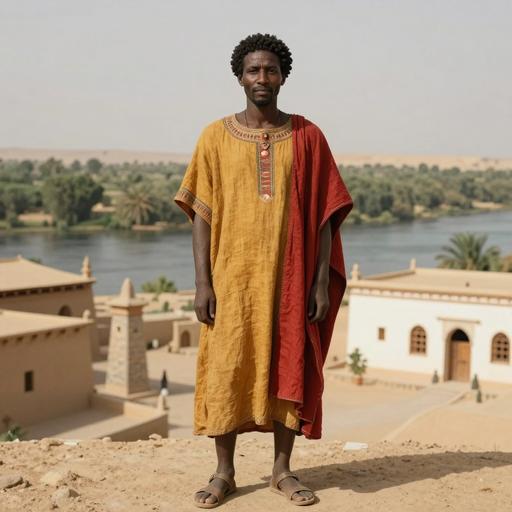
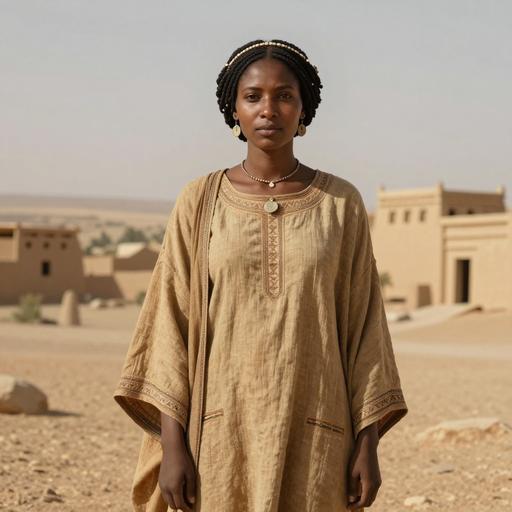
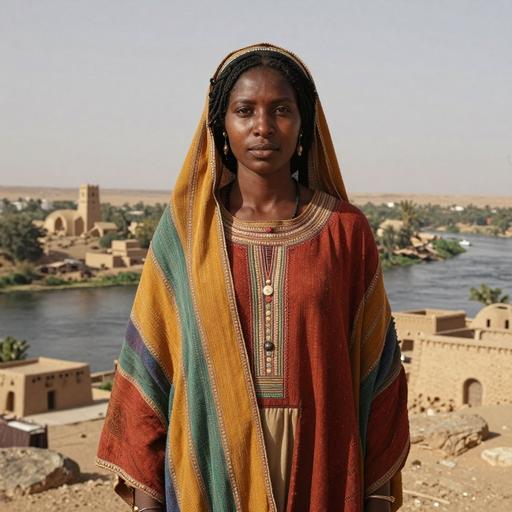
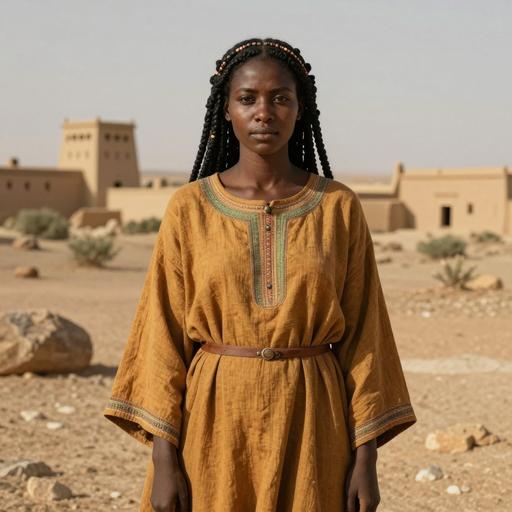
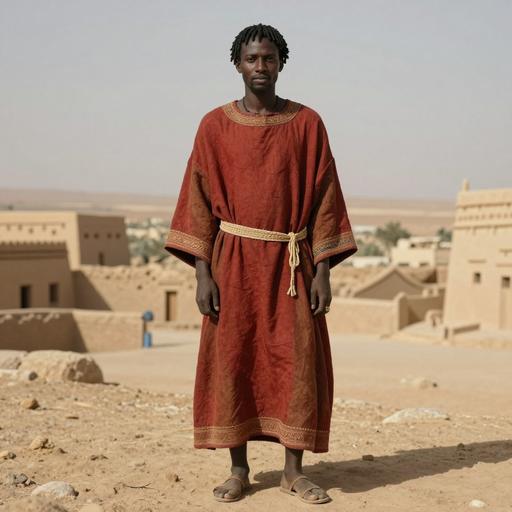
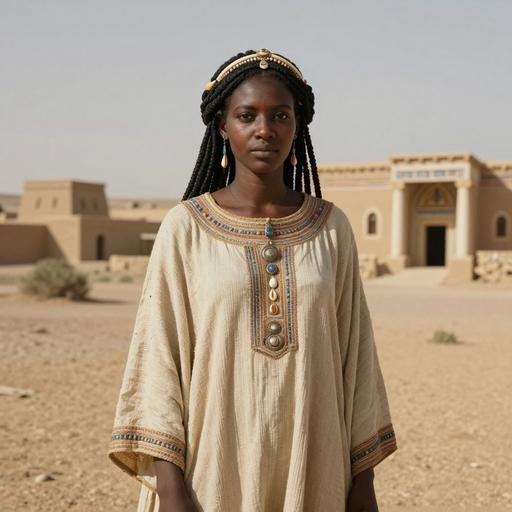
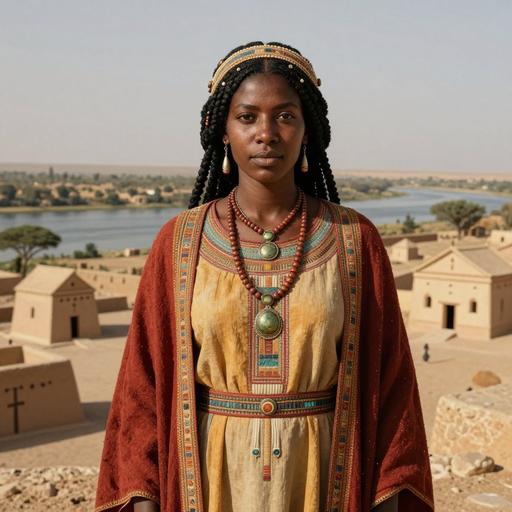
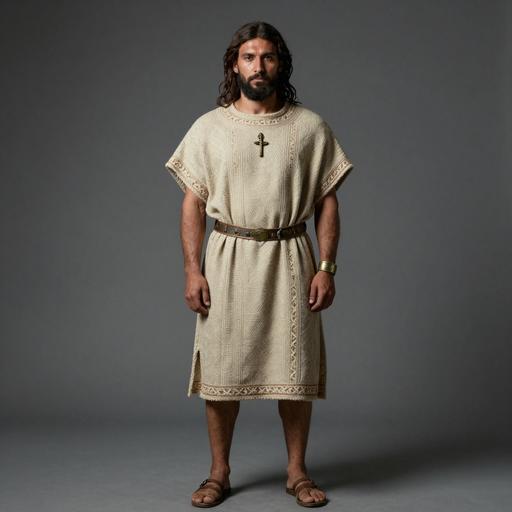
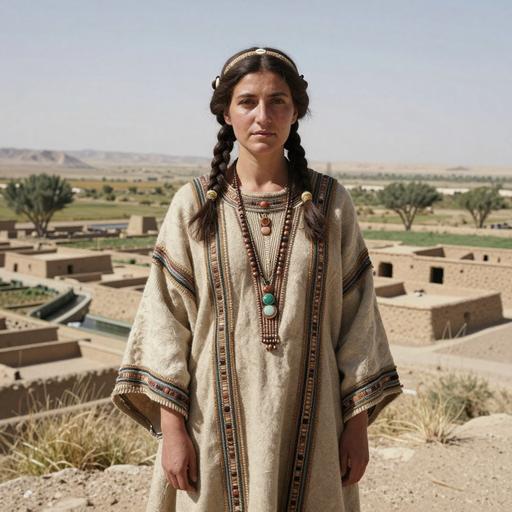
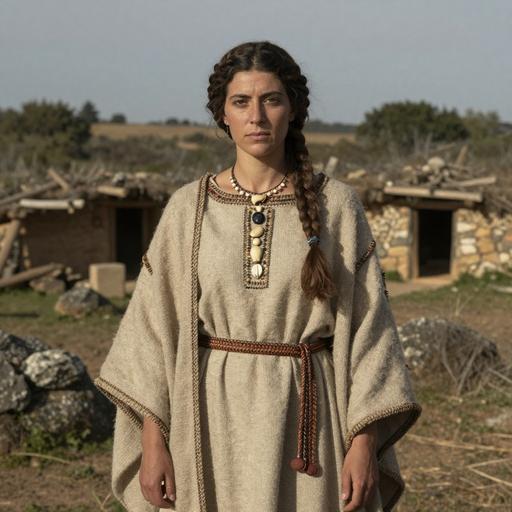
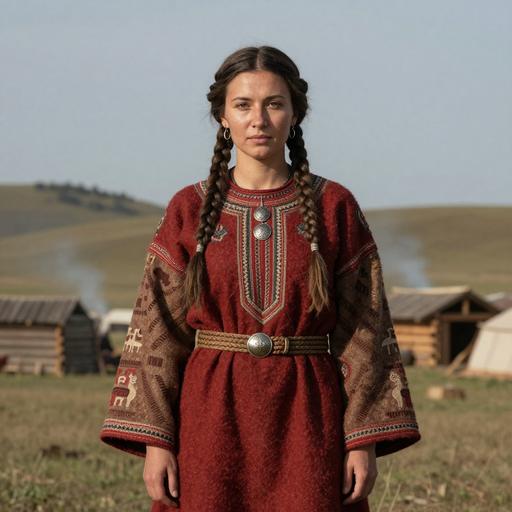
Portraits are AI-generated illustrations. Sample labels and accession IDs identify the reference records.

Portrait Sample Country Era Date Culture mtDNA Match
AI-generated illustrative portrait of England LIA individual, England. Cambridgeshire. Babraham Research Campus (ARC05). ARES site, United Kingdom (1-50 CE)
Sample ID: I19047
United Kingdom England LIA 1-50 CE British Late Iron Age H2a Direct
AI-generated illustrative portrait of Lazio Imperial Roman Roman individual, Monterotondo, Italy (27 BCE-300 CE)
Sample ID: R1548
Italy Imperial Rome 27 BCE - 300 CE Roman Empire H2a Direct
AI-generated illustrative portrait of Grand Est individual, Marne. Chemin de Coupetz. Faux-Vesigneul, France (300-200 BCE)
Sample ID: I20811
France France GrandEst IA2 300-200 BCE Iron Age II Culture H2a Direct
AI-generated illustrative portrait of Phoenician individual, Beirut, Lebanon (542-395 BCE)
Sample ID: SFI-42
Lebanon Lebanon IA3 542 BCE - 395 BCE Persian Period Lebanon H2a Direct
AI-generated illustrative portrait of Nubian Civilization individual, Nubia. Kulubnarti. Cemetery R, Sudan (650-1,050 CE)
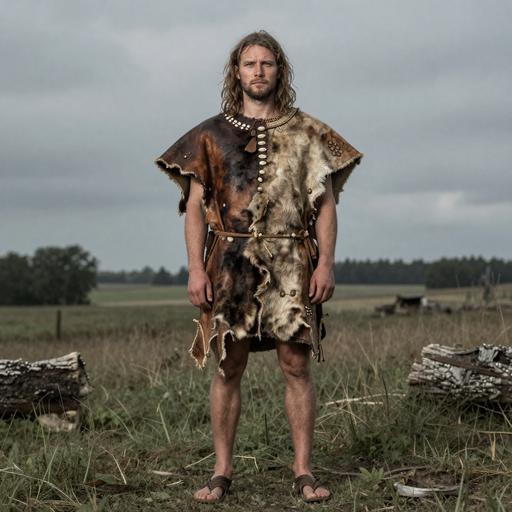
Sample ID: I19014
Sudan Early Christian Era in Sudan 650 CE - 1050 CE Nubian Christian H2a Direct
AI-generated illustrative portrait of Nubian Civilization individual, Nubia. Kulubnarti. Cemetery R, Sudan (650-1,050 CE)


Sample ID: I19132
Sudan Early Christian Era in Sudan 650 CE - 1050 CE Nubian Christian H2a Direct
AI-generated illustrative portrait of Nubian Civilization individual, Nubia. Kulubnarti. Cemetery R, Sudan (650-1,050 CE)
Sample ID: I19144
Sudan Early Christian Era in Sudan 650 CE - 1050 CE Nubian Christian H2a Direct
AI-generated illustrative portrait of Nubian Civilization individual, Nubia. Kulubnarti. Cemetery R, Sudan (650-1,050 CE)
Sample ID: I19133
Sudan Early Christian Era in Sudan 650 CE - 1050 CE Nubian Christian H2a Direct
AI-generated illustrative portrait of Nubian Civilization individual, Nubia. Kulubnarti. Cemetery R, Sudan (650-1,050 CE)
Sample ID: I19137
Sudan Early Christian Era in Sudan 650 CE - 1050 CE Nubian Christian H2a Direct
AI-generated illustrative portrait of Nubian Civilization individual, Nubia. Kulubnarti. Cemetery S, Sudan (650-1,050 CE)
Sample ID: I17451
Sudan Early Christian Era in Sudan 650 CE - 1050 CE Nubian Christian H2a Direct
MATERNAL LINEAGE · ANCIENT DNA

Ancient lineage evidence map

Follow parent clades toward this branch and explore where ancient carriers were found.

Loading ancient observations…

Markers are archaeological find locations. A dashed connector is an uncertain, proposed geographic transition between consecutive branches supported by multiple dated observations; it is not an exact travel route, birthplace or proof of direct descent. Parent-clade samples may belong to other descendant branches. Gaps remain where evidence is insufficient. Sample dates differ from haplogroup formation dates.

Reference profile

Carrier Distribution Map

Geographic distribution of 100 ancient DNA samples (direct and subclade carriers of H2A)

Direct carrier Subclade carrier
Time Period Filter
All Time Periods
Showing all samples
Reference profile

Temporal Distribution

Distribution of carriers across archaeological periods

Reference profile

Geographic Distribution

Counts by recorded sample country. These reflect the available reference selection, not population frequencies.

Reference profile

Country × Era Distribution

Compare recorded sample counts across countries and archaeological periods. Select a populated cell to inspect a sample.

Data

Data & Provenance

Source information and data quality

Last Updated 2026-02-16
Confidence Score 50/100
Coverage Low

Data Source

Classification, estimated dates and geographic context reflect the recorded reference data and may change as evidence is revised. Sample coverage is uneven; recorded locations and archaeological associations do not establish personal origin or cultural identity.

A haplogroup follows one maternal or paternal line. The branch prediction depends on which markers the DNA file contains. How our analysis works