The Story
The journey of mtDNA haplogroup HV2
Origins and Evolution
Haplogroup HV2 is a downstream branch of the HV clade (which itself sits within macro-haplogroup R). HV likely diversified in the Near East/Caucasus region after the Last Glacial Maximum; HV2 represents one of the regional sublineages that emerged during the Late Glacial / Early Holocene period. The estimated time depth for HV2 (here given as ~18 kya) places its origin after or during the retreat of major ice sheets when human groups in West Asia and adjacent areas expanded and restructured demographically.
Subclades (if applicable)
HV2 includes several downstream lineages that have been described in phylogenies and regional studies (often labeled HV2a, HV2b, etc., in PhyloTree and regional surveys). Many of these subclades remain relatively rare and geographically localized; ongoing sequencing efforts continue to refine their internal branching and to identify private and population-specific subclades. Because HV2 sits within a complex HV/H phylogeny, detailed subclade assignment typically requires full mitogenome data rather than control-region alone.
Geographical Distribution
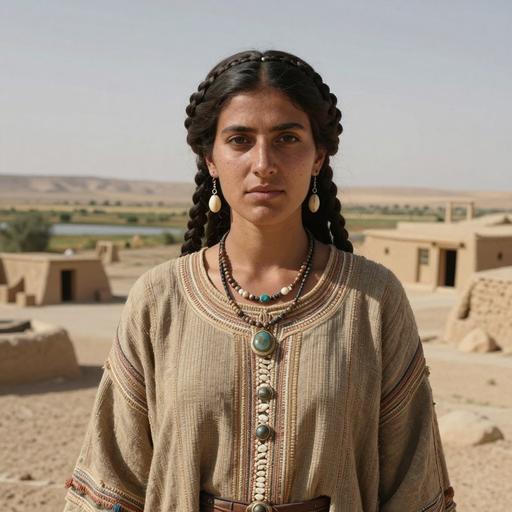
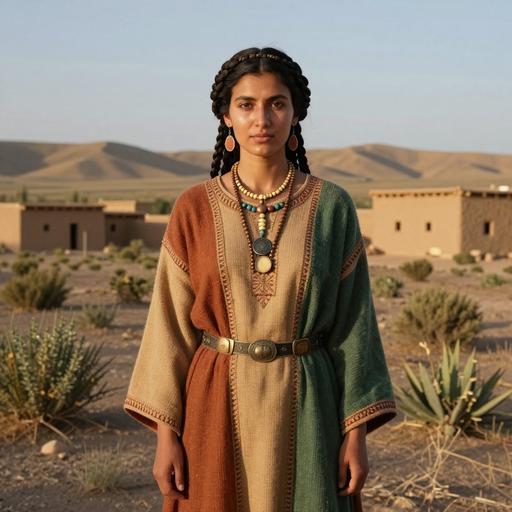
HV2 shows a distribution focused on the Near East and the Caucasus, with detectable but lower frequencies in parts of South Asia and southern/central Europe. Published and unpublished population screens and mitogenome surveys repeatedly find HV2 and related HV sublineages among Armenian, Georgian and Iranian samples, and sporadically in Turkey, the Levant and the Indian subcontinent (particularly western and northwestern India and Pakistan). In Europe, HV2 occurs at low frequency in southern and eastern populations, consistent with gene flow from West Asia during the Holocene.
Historical and Cultural Significance
Because HV2 is a maternal lineage centered in West Asia/Caucasus, it is often associated—at least indirectly—with demographic processes that shaped the region during the Late Glacial, the Neolithic agricultural expansions, and subsequent Bronze Age movements. HV2 and related HV lineages are therefore useful markers in studies of Near Eastern refugia, post-glacial recolonization, the spread of early farmers from Anatolia into adjacent regions, and later cultural interactions between West Asia and South Asia. Due to its moderate antiquity and regional clustering, HV2 can help trace maternal ancestry and microevolutionary events in populations with West Asian or Caucasian connections.
Conclusion
HV2 is an informative intermediate branch of the HV maternal tree linking broader HV diversity in the Near East/Caucasus with downstream presences in South Asia and parts of Europe. Continued mitogenome sequencing across undersampled regions (Caucasus, Anatolia, Iran, South Asia) will clarify HV2's finer substructure, its migration history, and its role in Holocene population dynamics.
Key Points
- Origins and Evolution
- Subclades (if applicable)
- Geographical Distribution
- Historical and Cultural Significance
- Conclusion