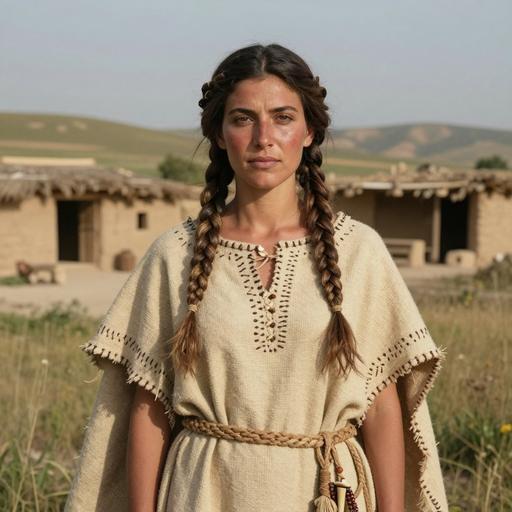
The Story
The journey of mtDNA haplogroup N1
Origins and Evolution
Haplogroup N1 derives from the broader macro-haplogroup N through an intermediate node often represented as N1'5. Macro-haplogroup N arose shortly after the out-of-Africa expansion and N1 represents a regional diversification within western Eurasia and the Near East during the Upper Paleolithic (tens of thousands of years ago). Genetic dating places the coalescence of N1 on the order of several tens of thousands of years ago (a reasonable central estimate ~40–50 kya), consistent with early post-glacial or Late Upper Paleolithic population structure across the Near East and adjoining regions.
Subclades
N1 has several well-characterized downstream lineages. The two most prominent are:
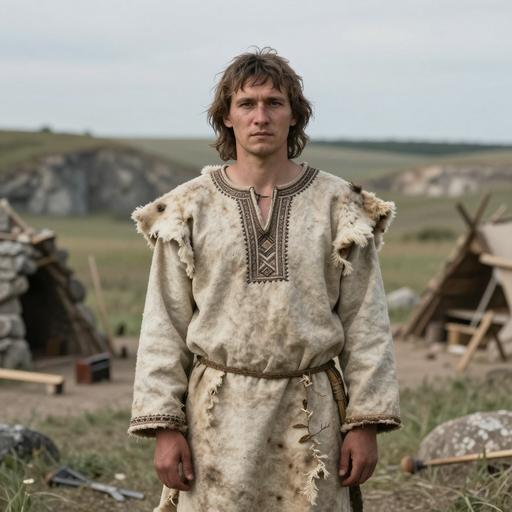
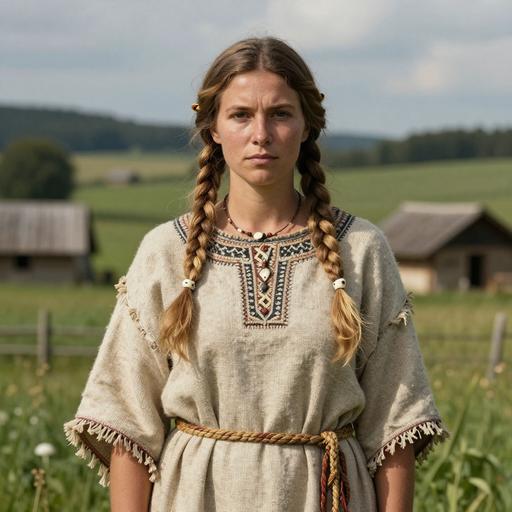
- N1a: Best known from ancient DNA studies for its elevated frequency among early Neolithic farmers in Central and Northern Europe (the so-called Early European Farmer signal). N1a has multiple sub-branches, some of which are rare in modern Europe but detectable in ancient Neolithic contexts.
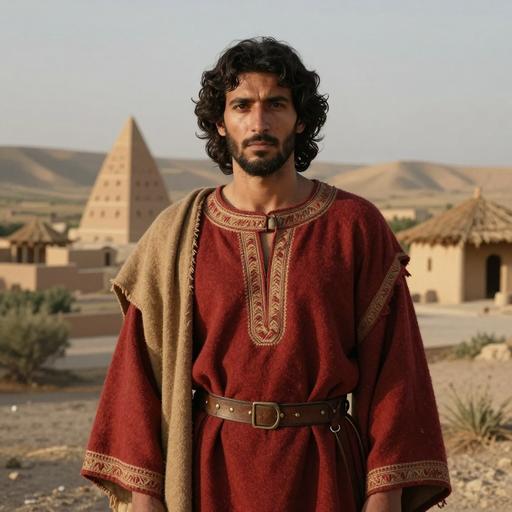
- N1b: Found primarily in the Near East and adjacent regions, with sublineages present in the Caucasus, the Levant, and also detected at low frequencies in Jewish and Mediterranean populations.
Other minor subclades and regional variants exist and new branches continue to be resolved as more complete mtDNA genomes are sequenced. Because N1 sits relatively deep in the tree, some branches reflect very ancient population structure while others record later demographic events.
Geographical Distribution
Modern occurrences of N1 and its subclades are patchy but geographically broad, reflecting a long history of movement and population turnover. Key features of its distribution are:
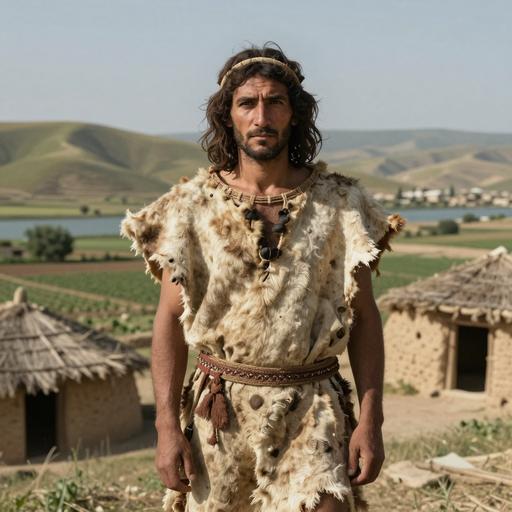
- Near East / Anatolia: A principal area of diversification and persistence, with multiple subclades present at low-to-moderate frequencies.
- Europe: Detected both in ancient Neolithic samples (especially N1a among early farmers) and at low frequencies in modern Southern, Central and Western European populations.
- North Africa and the Horn of Africa: Low-frequency occurrences are consistent with both ancient backflows from Eurasia into Africa and later historic contacts across the Mediterranean and Red Sea.
- Caucasus: Several localized N1 variants appear in Caucasus populations, reflecting regional continuity and gene flow.
The overall picture is of a lineage that is not overwhelmingly common in any single modern population but is significant for the insight it provides into Paleolithic and Neolithic demographic processes.
Historical and Cultural Significance
Haplogroup N1 is important in population genetics primarily because of its association with major prehistoric demographic events rather than because of very high modern frequencies. The most notable cultural association is with Early Neolithic farmer communities in Europe, where ancient DNA has shown elevated proportions of N1a among early Linearbandkeramik (LBK) and other early farming groups — a pattern interpreted as part of the demographic spread of agriculture from the Near East into Europe. Other subclades (for example N1b) are more characteristic of the Near East and adjacent regions and appear in historical and modern populations across the eastern Mediterranean and Caucasus.
Because N1 lineages are found in both Eurasia and parts of Africa, they also inform discussions of prehistoric back-migration into North and East Africa and of historical movements (trade, migrations, and diaspora communities) that redistributed maternal lineages across the Mediterranean and Red Sea.
Conclusion
mtDNA haplogroup N1 is a Western-Eurasian/Near Eastern maternal lineage that dates to the Upper Paleolithic and has given rise to daughter clades that were important in later Neolithic and historical population dynamics. It is a useful marker in ancient DNA and modern population studies for tracing the spread of agriculture into Europe, Near Eastern population structure, and later interregional contacts linking Europe, the Near East, North Africa and the Horn of Africa. Continued sequencing of complete mitochondrial genomes and targeted ancient DNA sampling will refine the branching pattern, dates, and geographic details of N1 and its subclades.
Key Points
- Origins and Evolution
- Subclades
- Geographical Distribution
- Historical and Cultural Significance
- Conclusion