Menu
mtDNA Haplogroup • Maternal Lineage

N1B1

mtDNA Haplogroup N1B1

~14,000 years ago
Near East / Caucasus
2 subclades
Scroll to explore
Chapter I

The Story

The journey of mtDNA haplogroup N1B1

Origins and Evolution

mtDNA haplogroup N1B1 derives from the broader N1B lineage, itself a branch of macro-haplogroup N. Based on the phylogenetic position of N1B and observed diversity in downstream lineages, N1B1 most likely split from other N1B branches in the Late Pleistocene to Early Holocene (roughly ~14 kya) in the Near East / Caucasus region. The timing and geographic pattern are consistent with a Near Eastern origin followed by local differentiation and occasional expansions tied to post-glacial population movements and, later, to Neolithic and Bronze Age demographic processes.

Genetic diversity and the topology of N1B1 on modern and ancient mtDNA phylogenies indicate that N1B1 did not undergo a single major continent-scale expansion; instead it shows multiple localized founder events and modest dispersals that spread maternal lineages into neighboring regions (Anatolia, the Levant, the Caucasus) and across maritime and overland routes into the Mediterranean and parts of North and East Africa.

Subclades

Within N1B1 there are several downstream branches documented in population surveys and targeted mtDNA sequencing; some of these show strong geographic localization (for example, subclades found mainly in the Caucasus or restricted Near Eastern communities). These localized subclades are consistent with founder effects and genetic drift in relatively small or endogamous populations, including historical community bottlenecks observed in some Jewish and Levantine groups. As more complete mitogenomes are sequenced, additional fine-scale structure within N1B1 continues to be resolved, clarifying migratory routes and timing.

Geographical Distribution

N1B1 occurs at its highest relative frequencies and greatest diversity in the Near East and adjacent Caucasus, with broader but lower-frequency presence in Anatolia, the Levant, the Arabian Peninsula, parts of the Mediterranean (southern Europe), North Africa, and the Horn of Africa. The pattern is one of regional concentration with scattered peripheral occurrences rather than ubiquitous high frequency. Ancient DNA records (several reported occurrences in Holocene contexts) support continuity in parts of the Levant and Near East and episodic presence in archaeological samples from surrounding regions.

Historical and Cultural Significance

Because N1B1 is concentrated in the Near East and neighboring zones, it is informative for studies of post-glacial re-peopling, the spread of Near Eastern farmers during the Neolithic, and later historical movements (trade, migration, and community-specific demographic events). Its presence at low frequencies in some Jewish communities and in the Horn of Africa highlights complex regional interactions: maritime and overland connections between the Levant, Arabia, and East Africa and later historical admixture. Localized subclades found in island or coastal Mediterranean contexts are consistent with limited maritime dispersal and founder events.

Conclusion

mtDNA haplogroup N1B1 is a regionally informative maternal lineage rooted in the Near East / Caucasus that illustrates how small-to-moderate size demographic events, local founder effects, and repeated low-level dispersals can shape the geographic distribution of a haplogroup. Ongoing mitogenome sequencing and ancient DNA sampling are refining its internal structure and clarifying the timing and routes by which N1B1 spread into adjacent regions.

Key Points

  • Origins and Evolution
  • Subclades
  • Geographical Distribution
  • Historical and Cultural Significance
  • Conclusion

Chapter II

Tree & Relationships

Phylogenetic context and subclades

Evolution Path

This haplogroup's evolutionary journey from its earliest ancestor to the present.

Steps Haplogroup Age Estimate Archaeology Era Time Passed Immediate Descendants Tested Modern Descendants Ancient Connections
1 N1B1 Current ~14,000 years ago 🏹 Mesolithic 14,000 years 2 158 0
2 N1B ~22,000 years ago 🏹 Mesolithic 22,000 years 1 171 10
3 N1 ~55,000 years ago 🦴 Paleolithic 55,000 years 2 276 21
4 N ~60,000 years ago 🦴 Paleolithic 60,000 years 15 15,452 13
5 L3 ~70,000 years ago 🦴 Paleolithic 70,000 years 11 17,621 6
6 L ~160,000 years ago 🦴 Paleolithic 160,000 years 7 18,987 5
Chapter III

Where in the World

Geographic distribution and modern presence
Place of Origin

Near East / Caucasus

Modern Distribution

The populations where mtDNA haplogroup N1B1 is found include:

  1. Levantine populations (Palestinians, Druze, Lebanese)
  2. Anatolia / Turkey (various Anatolian groups)
  3. Caucasus populations (Armenians, Georgians, Azeris)
  4. Iran and the Zagros region
  5. North African coastal groups (Egyptians, Libyans, Tunisian coast)
  6. Horn of Africa populations (Ethiopians, Somali, Eritreans)
  7. Southern European Mediterranean groups (Italy, Greece, Sardinia at low-moderate levels)
  8. Jewish communities (observed in some Ashkenazi, Sephardic and Mizrahi lineages at low frequencies)
  9. Arabian Peninsula groups (Yemen, Oman at low-to-moderate frequencies)
  10. Scattered occurrences in Balkan and Central Mediterranean populations
CHAPTER IV

When in Time

Your haplogroup in the context of human history

~20k years ago

Last Glacial Maximum

Peak of the last ice age, populations isolated

~14k years ago

Haplogroup N1B1

Your mtDNA haplogroup emerged in Near East / Caucasus

Near East / Caucasus
~10k years ago

Neolithic Revolution

Agriculture begins, settled communities form

~5k years ago

Bronze Age

Metalworking, writing, and early civilizations

~3k years ago

Iron Age

Iron tools, expanded trade networks

~2k years ago

Classical Antiquity

Greek and Roman civilizations flourish

Present

Present Day

Modern era

Your Haplogroup
Historical Era
Chapter IV-B

Linked Cultures

Ancient cultures associated with mtDNA haplogroup N1B1

Cultural Heritage

These ancient cultures have been linked to haplogroup N1B1 based on matching ancient DNA samples from archaeological excavations. The presence of this haplogroup in these cultures provides insights into the migrations and population movements of populations carrying this haplogroup.

Alföld Linear Pottery Anatolian Neolithic Canaanite Early Roman Lebanese Ghassulian Natufian PPNB Tepecik-Çiftlik
Culture assignments are based on archaeological context of ancient DNA samples and may represent regional associations during specific time periods.
Chapter V

Sample Catalog

5 direct carriers and 52 subclade carriers of haplogroup N1B1

50 / 50 samples
Portrait Sample Country Era Date Culture mtDNA Match
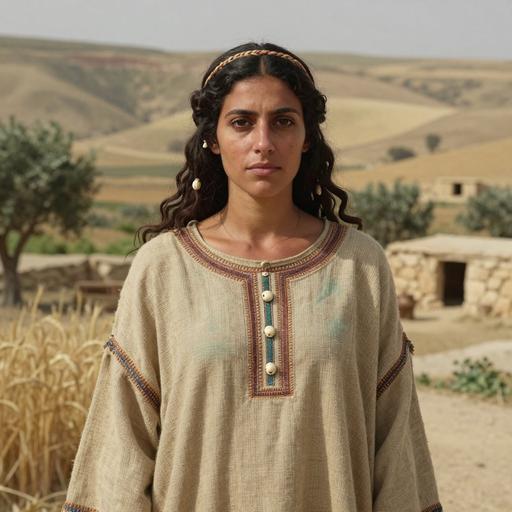
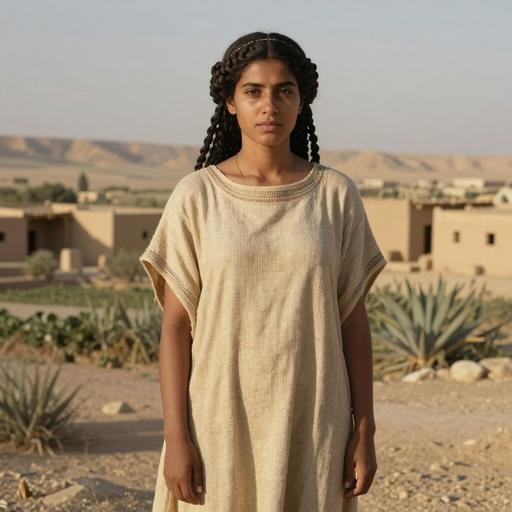
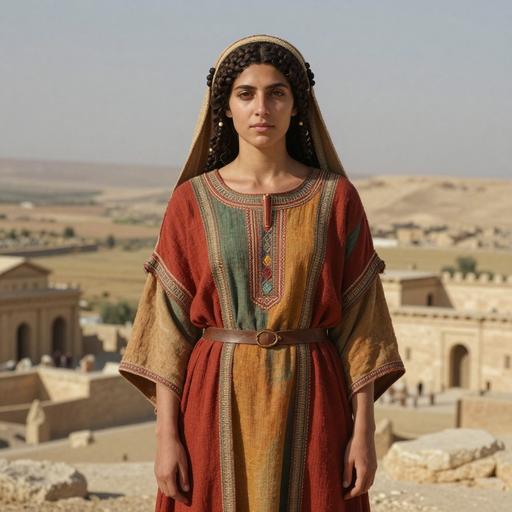
Portrait of ancient individual SFI-11 from Lebanon, dated 151 BCE - 62 CE
SFI-11
Lebanon Early Roman Lebanon 151 BCE - 62 CE Early Roman Lebanese N1b1 Direct
Portrait of ancient individual SFI-11 from Lebanon, dated 151 BCE - 62 CE
SFI-11
Lebanon Roman Levant 151 BCE - 62 CE N1b1 Direct
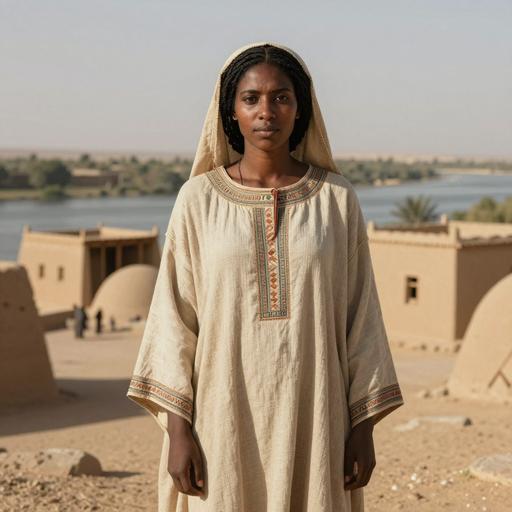
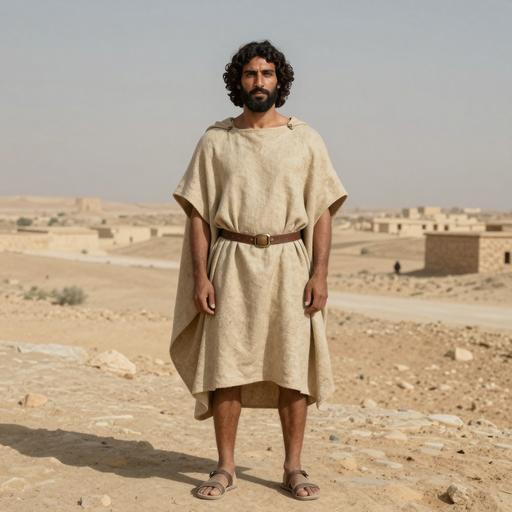
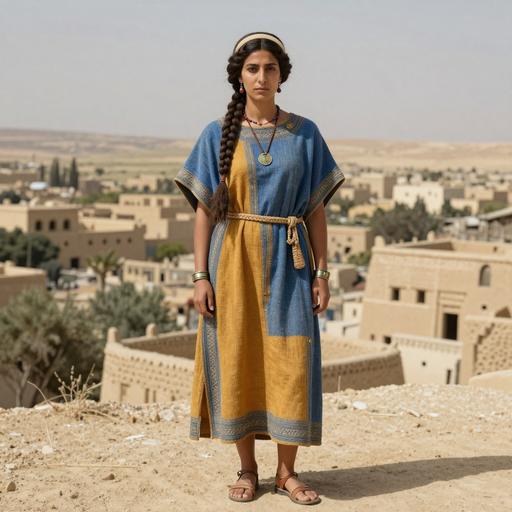
Portrait of ancient individual I10093 from Israel, dated 1900 BCE - 1700 BCE
I10093
Israel Middle to Late Bronze Age Israel 1900 BCE - 1700 BCE Canaanite N1b1 Direct
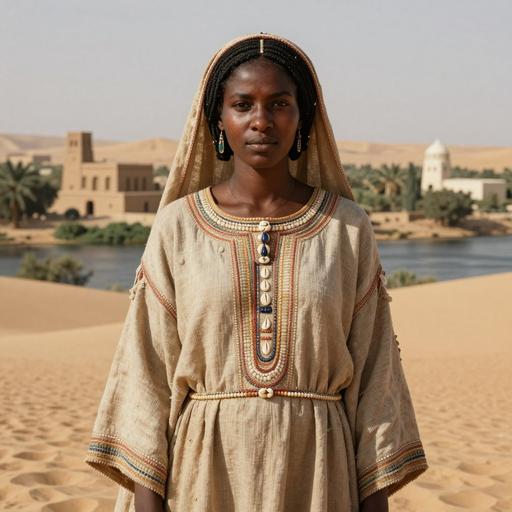
Portrait of ancient individual I1177 from Israel, dated 4500 BCE - 3500 BCE
I1177
Israel Chalcolithic Israel 4500 BCE - 3500 BCE Ghassulian N1b1 Direct
Portrait of ancient individual I1177 from Israel, dated 4500 BCE - 3500 BCE
I1177
Israel Copper Age Levant 4500 BCE - 3500 BCE N1b1 Direct
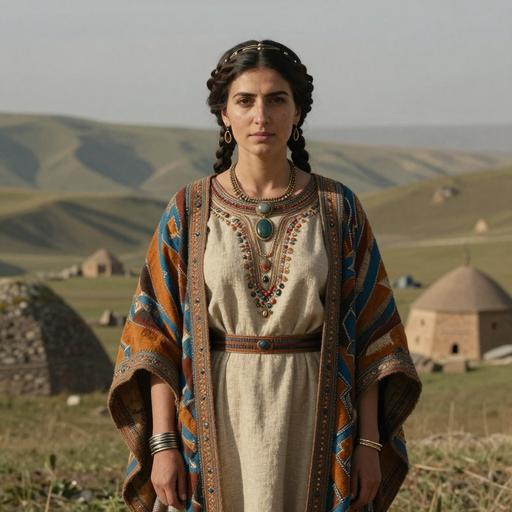
Portrait of ancient individual PCA0480 from Poland, dated 100 CE - 300 CE
PCA0480
Poland Wielbark Culture 100 CE - 300 CE Wielbark N1b1b Downstream
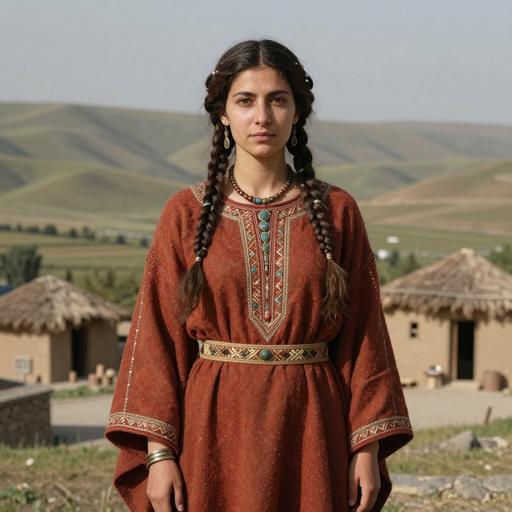
Portrait of ancient individual I20442 from Armenia, dated 220 CE - 330 CE
I20442
Armenia Late Bronze Age to Early Iron Age Armenia 220 CE - 330 CE Armenian LBA-EIA N1b1a Downstream
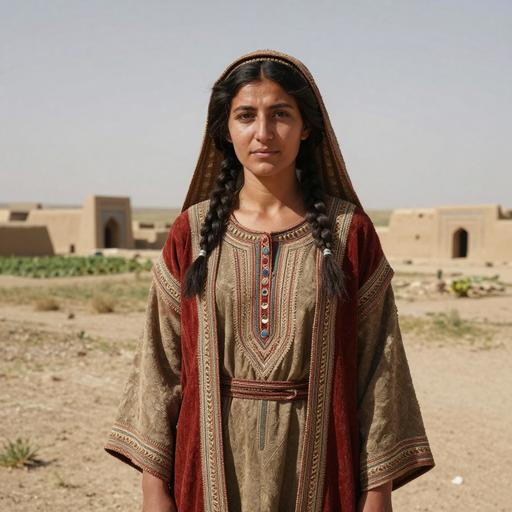
Portrait of ancient individual SZ22 from Hungary, dated 412 CE - 604 CE
SZ22
Hungary Langobard Period Hungary 412 CE - 604 CE Langobard Culture N1b1b1 Downstream
Portrait of ancient individual SZ13 from Hungary, dated 424 CE - 550 CE
SZ13
Hungary Langobard Period Hungary 424 CE - 550 CE Langobard Culture N1b1b1 Downstream
Portrait of ancient individual I20259 from Turkey, dated 491 CE - 717 CE
I20259
Turkey Early Byzantine Period 2 Turkey 491 CE - 717 CE Early Byzantine N1b1a8 Downstream
Chapter VI

Carrier Distribution Map

Geographic distribution of 57 ancient DNA samples (direct and subclade carriers of N1B1)

Direct carrier Subclade carrier
Time Period Filter
All Time Periods
Showing all samples
Chapter VII

Temporal Distribution

Distribution of carriers across archaeological periods

Chapter VIII

Geographic Distribution

Distribution by country of origin (direct and subclade carriers shown by default)

Chapter IX

Country × Era Distribution

Cross-tabulation of carrier countries and archaeological periods (direct and subclade carriers shown by default)

Data

Data & Provenance

Source information and data quality

Last Updated 2026-02-16
Confidence Score 50/100
Coverage Low
Data Source

We use the latest phylotree for MTDNA haplogroup classification and data.