Menu
Currency
mtDNA Haplogroup • Maternal Lineage

R5A2

mtDNA Haplogroup R5A2

~8,000 years ago
South Asia (Indian subcontinent)
1 subclades
Scroll to explore
Chapter I

The Story

The journey of mtDNA haplogroup R5A2

Origins and Evolution

mtDNA haplogroup R5A2 is a subclade of R5AB1A and therefore part of the broader macro-haplogroup R, which derives from haplogroup N and ultimately from L3 out of Africa. The deeper clade R5 has been reported primarily in the Indian subcontinent in multiple population surveys, and downstream lineages such as R5A2 likely represent relatively recent regional diversification within South Asia. Based on the phylogenetic position (a derived branch within R5) and comparisons to co-distributed South Asian maternal lineages, a conservative estimate for the origin of R5A2 is in the late Holocene or terminal early Holocene (several thousand to ~10 thousand years ago), although precise dating requires calibrated molecular-clock analyses and more sequence data.

Subclades

As an intermediate terminal clade in current phylogenies, R5A2 may include additional very localized sublineages detected only by high-resolution mitogenome sequencing. At present, in public phylogenies R5A2 is treated as a distinct branch under R5AB1A; further sampling and full mitogenomes are needed to resolve internal substructure and to confirm whether R5A2 itself splits into named subclades.

Geographical Distribution

Available population genetic studies and regional surveys indicate that R5A2 is largely restricted to the Indian subcontinent, with detections reported among both caste and tribal groups in central, eastern and southern India. Sparse reports or isolated occurrences may exist in neighboring regions (Pakistan, Bangladesh, Nepal), but these are uncommon and often reflect recent gene flow or under-sampling. The distribution pattern is consistent with many R-derived maternal clades that show deep residence in South Asia with localized diversification.

Historical and Cultural Significance

Because R5A2 appears to be a regionally concentrated lineage, it is most informative for reconstructing maternal demographic events within South Asia, including post-glacial recolonization, localized expansions during the Neolithic transition, and later Bronze Age population dynamics (including possible incorporation into complex societies such as the Indus urban networks). However, there is currently no direct archaeological signature tying R5A2 uniquely to a specific named archaeological culture; instead it should be viewed as part of the mosaic of indigenous maternal diversity that contributed to prehistoric and historic South Asian populations.

Conclusion

R5A2 is a South Asian mtDNA subclade of R5AB1A that likely arose in the Holocene within the Indian subcontinent and is presently best-detected among regional caste and tribal groups. The lineage is understudied: fuller characterization depends on expanded mitogenome sequencing across diverse South Asian populations, improved dating analyses, and integration with archaeological and linguistic data to clarify its demographic history.

Note: because many conclusions rest on limited published samples, all geographic and temporal statements should be treated as provisional pending additional complete mtDNA sequencing and broader population surveys.

Key Points

  • Origins and Evolution
  • Subclades
  • Geographical Distribution
  • Historical and Cultural Significance
  • Conclusion
Chapter II

Tree & Relationships

Phylogenetic context and subclades

Evolution Path

This haplogroup's evolutionary journey from its earliest ancestor to the present.

Steps Haplogroup Age Estimate Archaeology Era Time Passed Immediate Descendants Tested Modern Descendants Ancient Connections
1 R5A2 Current ~8,000 years ago 🌾 Neolithic 8,000 years 1 0 0
2 R5AB1A 1 0 0
3 R5AB1 1 0 0
4 R5AB 1 0 0
5 R5A ~18,000 years ago 🏹 Mesolithic 18,000 years 1 0 0
6 R5 ~30,000 years ago 🦴 Paleolithic 30,000 years 1 8 0
7 R ~55,000 years ago 🦴 Paleolithic 55,000 years 17 17,854 57
8 NA 1 17,854 0
9 N ~60,000 years ago 🦴 Paleolithic 60,000 years 16 20,371 13
10 L3 ~70,000 years ago 🦴 Paleolithic 70,000 years 7 23,542 6
11 L3'4 2 23,581 0
12 L3'4'6 2 23,584 0
13 L2'3'4'6 2 24,475 0
14 L2'3'4'5'6'7 2 24,488 0
15 L1'2'3'4'5'6'7 2 24,903 0
16 L ~160,000 years ago 🦴 Paleolithic 160,000 years 2 25,205 5
Chapter III

Where in the World

Geographic distribution and modern presence

Place of Origin

South Asia (Indian subcontinent)

Modern Distribution

The populations where mtDNA haplogroup R5A2 is found include:

  1. Populations of the Indian subcontinent (general reports from India)
  2. Dravidian-speaking groups and other communities in southern India
  3. Tribal and Austroasiatic-associated populations in eastern and central India
CHAPTER IV

When in Time

Your haplogroup in the context of human history

~10k years ago

Neolithic Revolution

Agriculture begins, settled communities form

~8k years ago

Haplogroup R5A2

Your mtDNA haplogroup emerged in South Asia (Indian subcontinent)

South Asia (Indian subcontinent)
~5k years ago

Bronze Age

Metalworking, writing, and early civilizations

~3k years ago

Iron Age

Iron tools, expanded trade networks

~2k years ago

Classical Antiquity

Greek and Roman civilizations flourish

Present

Present Day

Modern era

Your Haplogroup
Historical Era
Chapter IV-B

Linked Cultures

Ancient cultures associated with mtDNA haplogroup R5A2

Cultural Heritage

These ancient cultures have been linked to haplogroup R5A2 based on matching ancient DNA samples from archaeological excavations. The presence of this haplogroup in these cultures provides insights into the migrations and population movements of populations carrying this haplogroup.

Afanasievo Culture Boisman Ganj Dareh Culture Gonur Culture Linear Pottery Culture Santa Rosa Island Culture Sardinian Neolithic Shahr-i Sokhta Shahr-i Sokhta Culture Ust-Ishim Culture
Culture assignments are based on archaeological context of ancient DNA samples and may represent regional associations during specific time periods.
Chapter V

Sample Catalog

3 subclade carriers of haplogroup R5A2 (no exact R5A2 samples sequenced yet)

3 / 3 samples
Portrait Sample Country Era Date Culture mtDNA Match
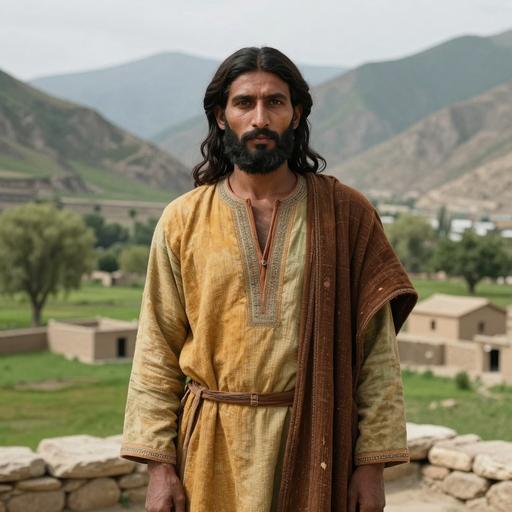
Portrait of ancient individual I10409 from Turkmenistan, dated 2282 BCE - 2041 BCE
I10409
Turkmenistan Bronze Age Gonur 2282 BCE - 2041 BCE Gonur Culture R5a2b Downstream
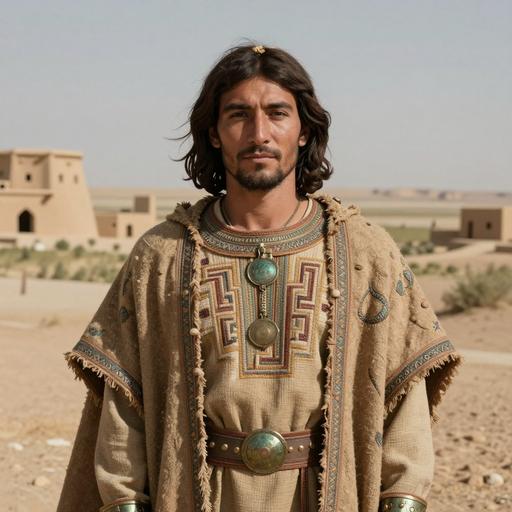
Portrait of ancient individual I10409 from Turkmenistan, dated 2282 BCE - 2041 BCE
I10409
Turkmenistan The Indus Valley Civilization 2282 BCE - 2041 BCE R5a2b Downstream
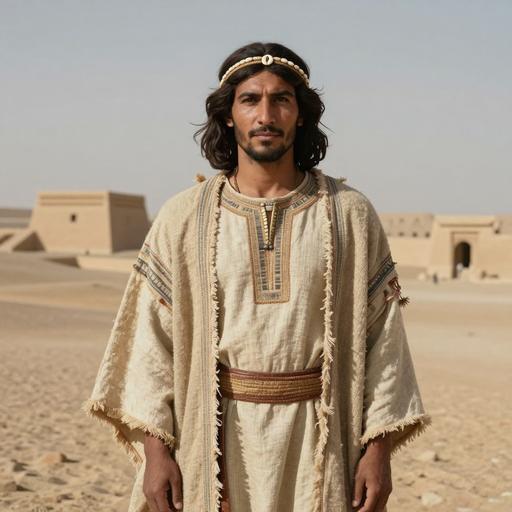
Portrait of ancient individual I11474 from Iran, dated 2700 BCE - 2600 BCE
I11474
Iran Shahr-i Sokhta Bronze Age 2700 BCE - 2600 BCE Shahr-i Sokhta Culture R5a2b Downstream
Chapter VI

Carrier Distribution Map

Geographic distribution of 3 ancient DNA samples (direct and subclade carriers of R5A2)

Subclade carrier
Time Period Filter
All Time Periods
Showing all samples
Chapter VII

Temporal Distribution

Distribution of carriers across archaeological periods

Chapter VIII

Geographic Distribution

Distribution by country of origin (direct and subclade carriers shown by default)

Chapter IX

Country × Era Distribution

Cross-tabulation of carrier countries and archaeological periods (direct and subclade carriers shown by default)

Data

Data & Provenance

Source information and data quality

Last Updated 2026-06-14
Confidence Score 50/100
Coverage Low
Data Source

We use the latest phylotree for MTDNA haplogroup classification and data.