Menu
mtDNA Haplogroup • Maternal Lineage

U2

mtDNA Haplogroup U2

~38,000 years ago
South Asia / West Eurasia
5 subclades
37 ancient samples
Scroll to explore
Chapter I

The Story

The journey of mtDNA haplogroup U2

Origins and Evolution

Haplogroup U2 is a primary branch of mitochondrial haplogroup U, itself a descendant of macro-haplogroup R. U likely arose in West Eurasia around the upper Paleolithic; U2 appears as an early offshoot with a coalescence time in the Upper Paleolithic (tens of thousands of years ago). Phylogenetic analyses show U2 diverging after the initial radiation of U lineages, with a time depth consistent with human re-expansions across West Eurasia and into South Asia after the Last Glacial Maximum.

The distribution of U2 and its internal diversity suggest an early split between lineages that persisted and diversified in South Asia and smaller branches that expanded or survived in parts of Europe and Central Asia. Modern and ancient DNA evidence supports a model where U2 reflects Paleolithic maternal lineages that contributed to both Mesolithic European hunter-gatherer groups and to long-term maternal continuity in South Asia.

Subclades (if applicable)

U2 contains multiple subclades with differing geographic affinities. Major recognized sub-branches include clades often labeled U2a, U2b, U2c, U2d, U2e, and lineages described in South Asia such as U2i (nomenclature varies between studies). General patterns are:

  • U2e: Found primarily in parts of Europe and parts of the Eurasian steppe; represented in some Mesolithic and later aDNA samples.
  • U2i / U2a–d (South Asian lineages): Deep and diverse in the Indian subcontinent, found at appreciable frequencies among multiple caste and tribal groups and reflecting a long-term presence in South Asia.
  • Other minor subclades appear at low frequencies across Central Asia, the Near East, and North Africa, reflecting Holocene movements and local survival.

Branch ages within U2 are heterogeneous; some subclades show Paleolithic ages while others coalesce later in the Holocene, consistent with localized demographic events.

Geographical Distribution

Modern population studies and ancient DNA place U2 across a broad but uneven geographic range:

  • High frequency and diversity in South Asia, especially India and adjoining regions, supporting an enduring Paleolithic presence there.
  • Low-to-moderate frequencies in Central Asia and the Near East, where U2 occurs among diverse populations and reflects both ancient continuities and movements along Eurasian corridors.
  • Occasional occurrences in Europe, where certain U2 sublineages (notably U2e and other minor branches) appear in Mesolithic and later contexts but are generally rarer than other U subclades like U5.

Ancient DNA finds of U2 in Mesolithic and some Neolithic contexts in Europe, plus numerous modern South Asian examples, indicate both early dispersal and long-term regional continuity.

Historical and Cultural Significance

U2 is primarily informative for deep prehistory rather than for identifying single archaeological cultures. Key associations include:

  • Mesolithic hunter-gatherer contexts in Europe: some U2 lineages appear in ancient remains that reflect postglacial re-occupation and local hunter-gatherer populations.
  • Long-term presence in South Asia: high diversity of U2 subclades in the subcontinent supports a role in the maternal ancestry of many present-day South Asian groups and in pre-Neolithic population structure.
  • Holocene and Bronze Age admixture events: lower-frequency occurrences in Central Asia, the Near East, and North Africa likely track later migrations and gene flow linking West Eurasia and South Asia.

Because U2 is not a marker of a single archaeological horizon, its primary value is in reconstructing regional continuity, Paleolithic expansions, and the mosaic of maternal lineages that shaped West Eurasian and South Asian populations.

Conclusion

mtDNA haplogroup U2 is an ancient and geographically split maternal lineage with deep roots in the Upper Paleolithic. Its greatest diversity today lies in South Asia, while vestigial and regionally localized branches occur in Europe and Central Asia. Studies combining modern population sampling and ancient genomes continue to refine the timing and routes of U2 dispersals, making it a useful lineage for understanding Paleolithic and Holocene maternal ancestry across Eurasia.

Key Points

  • Origins and Evolution
  • Subclades (if applicable)
  • Geographical Distribution
  • Historical and Cultural Significance
  • Conclusion
Chapter II

Tree & Relationships

Phylogenetic context and subclades

Evolution Path

This haplogroup's evolutionary journey from its earliest ancestor to the present.

Steps Haplogroup Age Estimate Archaeology Era Time Passed Immediate Descendants Tested Modern Descendants Ancient Connections
1 U2 Current ~38,000 years ago 🦴 Paleolithic 38,000 years 5 757 37
2 U ~46,000 years ago 🦴 Paleolithic 46,000 years 12 2,835 110
3 R ~60,000 years ago 🦴 Paleolithic 60,000 years 12 10,987 57
4 N ~60,000 years ago 🦴 Paleolithic 60,000 years 15 15,452 13
5 L3 ~70,000 years ago 🦴 Paleolithic 70,000 years 11 17,621 6
6 L ~160,000 years ago 🦴 Paleolithic 160,000 years 7 18,987 5

Siblings (11)

Other branches from the same parent haplogroup

Chapter III

Where in the World

Geographic distribution and modern presence

Place of Origin

South Asia / West Eurasia

Modern Distribution

The populations where mtDNA haplogroup U2 is found include:

  1. Various Indian caste and tribal groups (India)
  2. Pakistani populations (Punjabi, Sindhi, Pashtun groups)
  3. Central Asian populations (Kazakh, Uzbek, Turkmen and related groups)
  4. Near Eastern populations (Iranian Plateau and adjacent areas)
  5. European populations (sporadically in Eastern and Central Europe)
  6. North African groups at low frequency (Berbers and adjacent populations)
  7. Indigenous northern European groups in rare cases (e.g., Saami and other northern populations)
  8. Ancient Mesolithic and Neolithic archaeological samples in Europe and West Eurasia
CHAPTER IV

When in Time

Your haplogroup in the context of human history

~50k years ago

Upper Paleolithic

Advanced tool-making, art, and cultural explosion

~38k years ago

Haplogroup U2

Your mtDNA haplogroup emerged in South Asia / West Eurasia

South Asia / West Eurasia
~20k years ago

Last Glacial Maximum

Peak of the last ice age, populations isolated

~10k years ago

Neolithic Revolution

Agriculture begins, settled communities form

~5k years ago

Bronze Age

Metalworking, writing, and early civilizations

~3k years ago

Iron Age

Iron tools, expanded trade networks

~2k years ago

Classical Antiquity

Greek and Roman civilizations flourish

Present

Present Day

Modern era

Your Haplogroup
Historical Era
Chapter IV-B

Linked Cultures

Ancient cultures associated with mtDNA haplogroup U2

Cultural Heritage

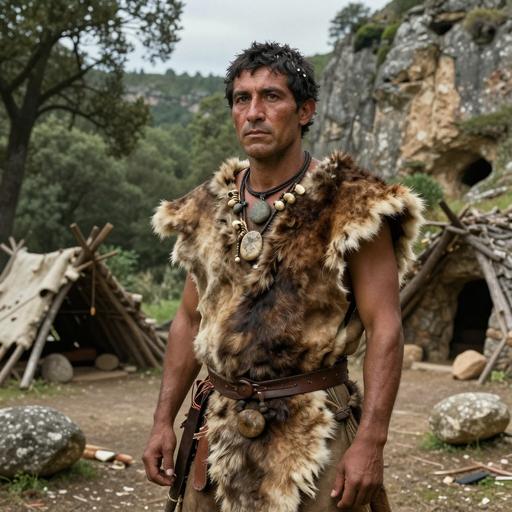
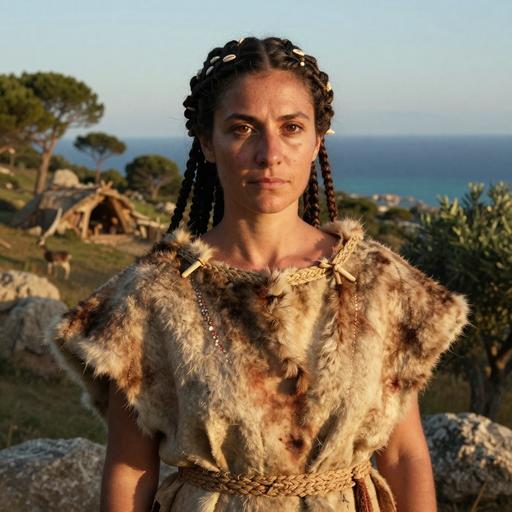
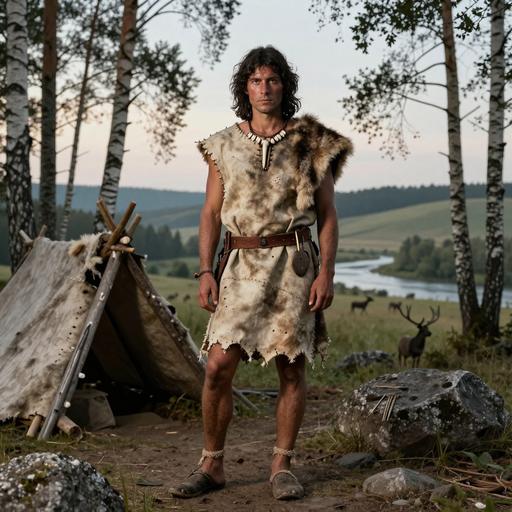
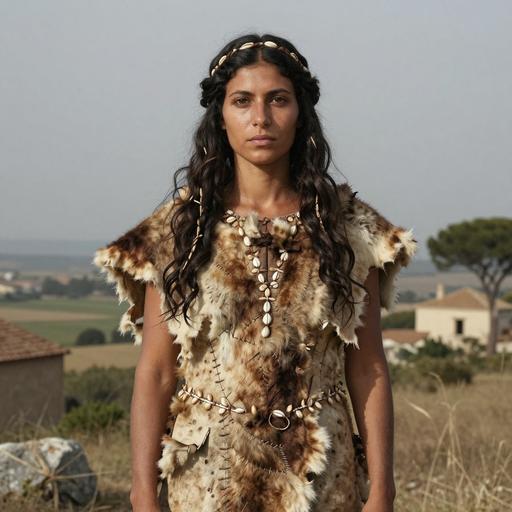
These ancient cultures have been linked to haplogroup U2 based on matching ancient DNA samples from archaeological excavations. The presence of this haplogroup in these cultures provides insights into the migrations and population movements of populations carrying this haplogroup.

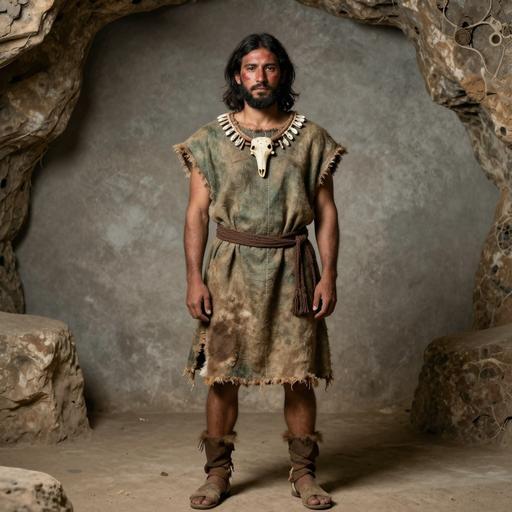
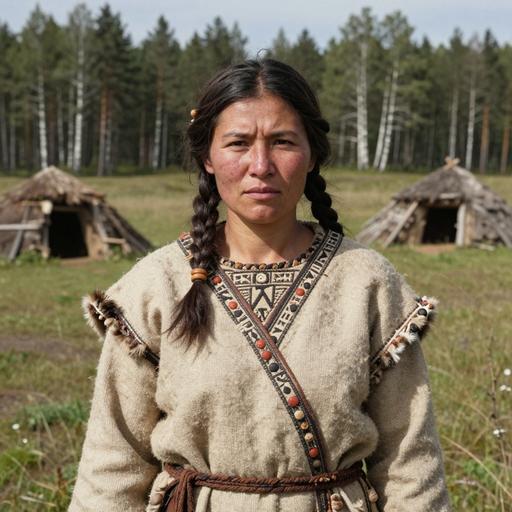
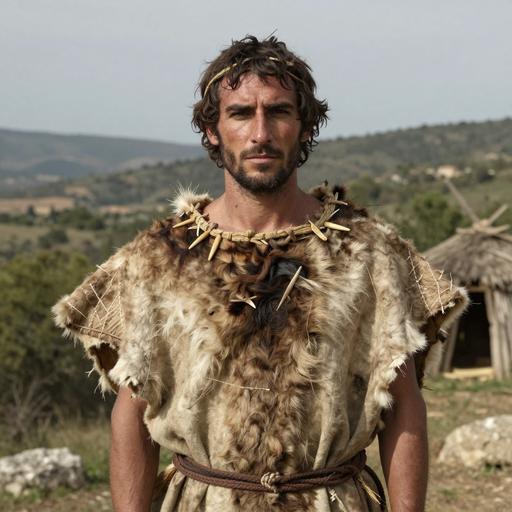
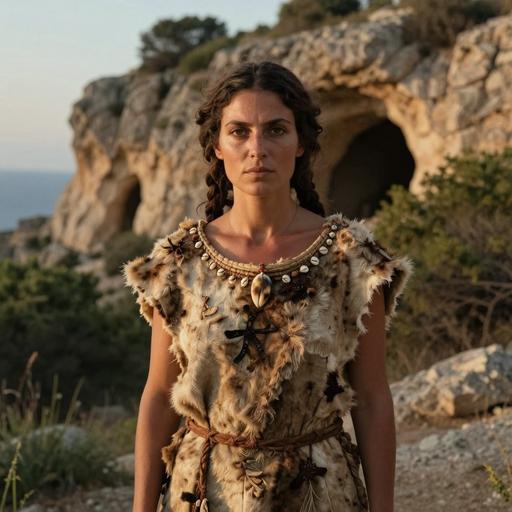
Kostenki Culture Ostuni Culture Sunghir Culture Yana Culture
Culture assignments are based on archaeological context of ancient DNA samples and may represent regional associations during specific time periods.
Chapter V

Sample Catalog

37 subclade carriers of haplogroup U2 (no exact U2 samples sequenced yet)

37 / 37 samples
Portrait Sample Country Era Date Culture mtDNA Match
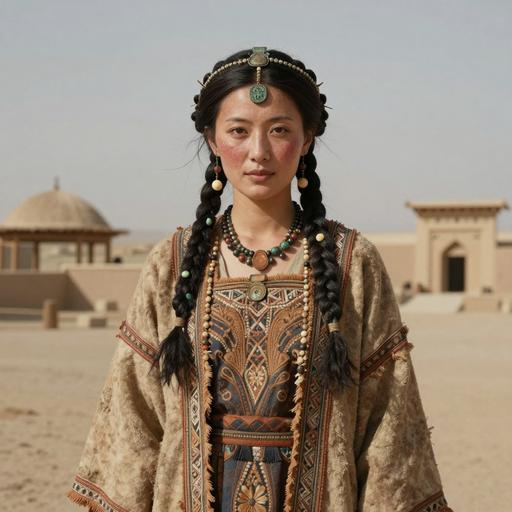
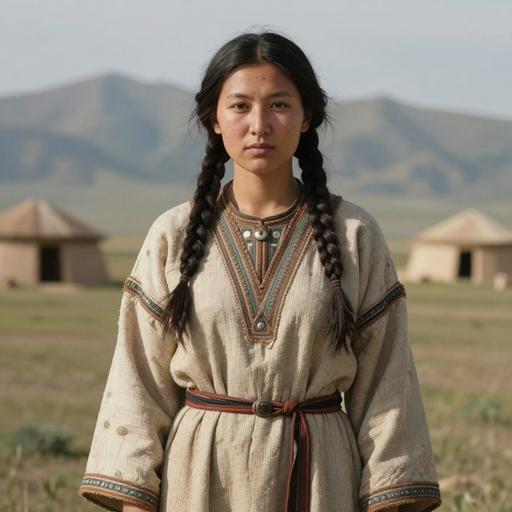
Portrait of ancient individual C4260 from China, dated 351 BCE - 52 BCE
C4260
China Iron Age Tangbalesayi, Xinjiang, China 351 BCE - 52 BCE Tangbalesayi Culture U2e1'2'3 Downstream
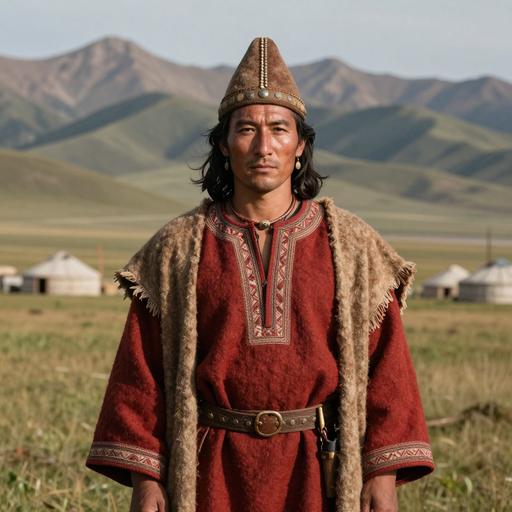
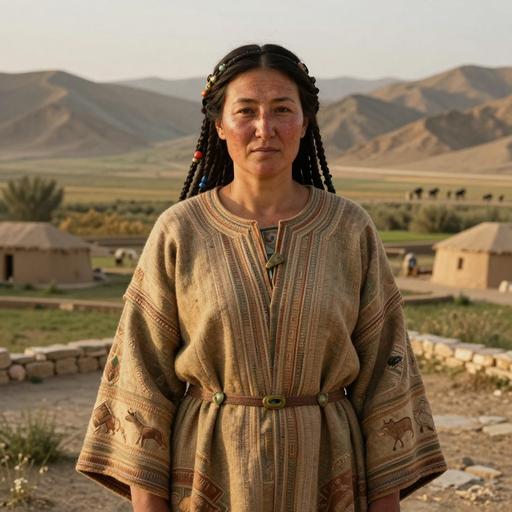
Portrait of ancient individual DA16 from Kazakhstan, dated 756 BCE - 416 BCE
DA16
Kazakhstan Saka Culture in Kazakhstan 756 BCE - 416 BCE Saka U2e1'2'3 Downstream
Portrait of ancient individual DA16 from Kazakhstan, dated 756 BCE - 416 BCE
DA16
Kazakhstan The Scythian and Saka Cultures 756 BCE - 416 BCE U2e1'2'3 Downstream
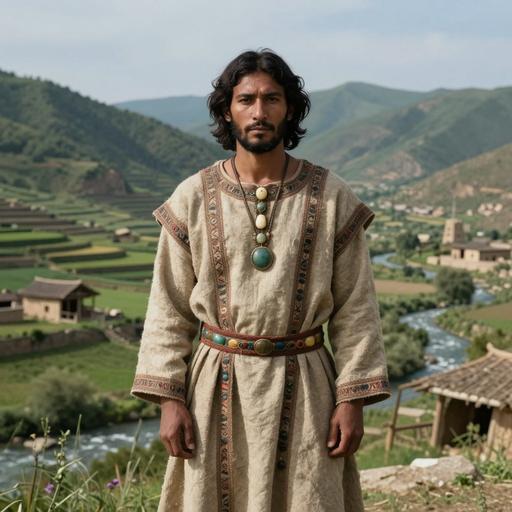
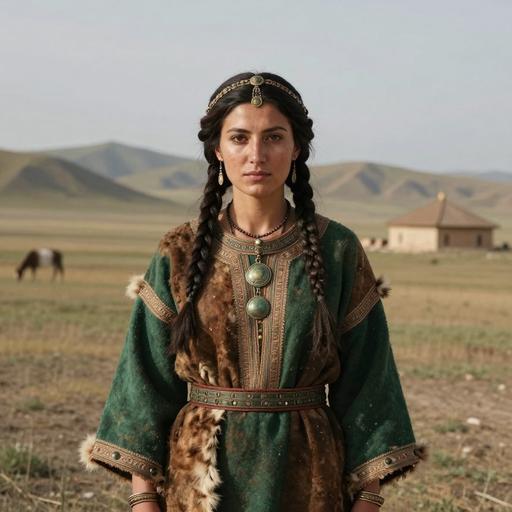
Portrait of ancient individual I6553 from Pakistan, dated 971 BCE - 830 BCE
I6553
Pakistan The Loebanr Iron Age Culture of Pakistan 971 BCE - 830 BCE Loebanr Culture U2e1'2'3 Downstream
Portrait of ancient individual PCA0396 from Poland, dated 1000 CE - 1200 CE
PCA0396
Poland Iron Age Santok Culture 1000 CE - 1200 CE Santok Culture U2'3'4'7'8'9 Downstream
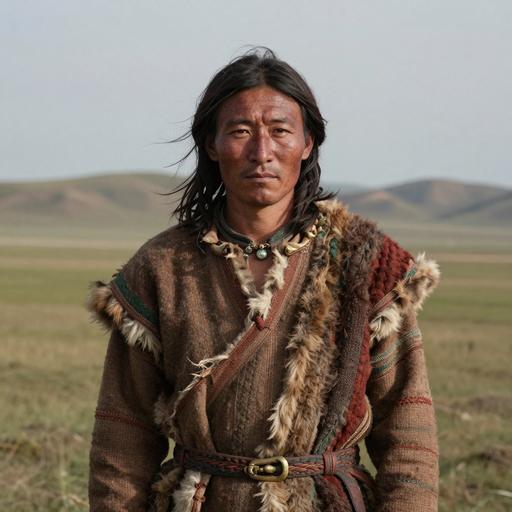
Portrait of ancient individual ULI001 from Mongolia, dated 1278 BCE - 1055 BCE
ULI001
Mongolia Middle to Late Bronze Age to Early Medieval Khovd, Mongolia 1278 BCE - 1055 BCE Khovd Multi-Period U2e1h2* Downstream
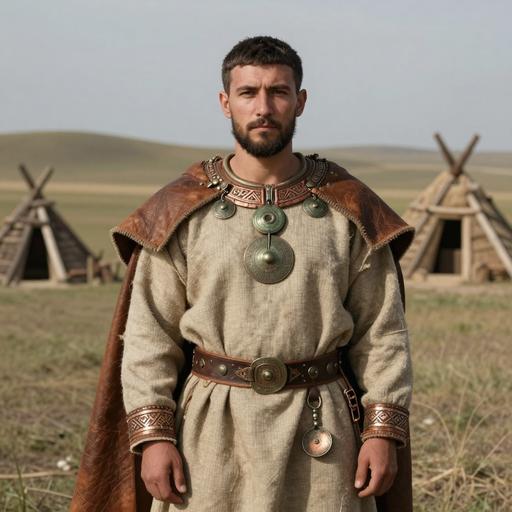
Portrait of ancient individual DA231 from Kazakhstan, dated 1610 BCE - 1416 BCE
DA231
Kazakhstan Andronovo Culture in Kazakhstan 1610 BCE - 1416 BCE Andronovo U2e1'2'3* Downstream
Portrait of ancient individual DA231 from Kazakhstan, dated 1610 BCE - 1416 BCE
DA231
Kazakhstan The Ancient Eurasian Steppe 1610 BCE - 1416 BCE U2e1'2'3* Downstream
Portrait of ancient individual I4160 from Tajikistan, dated 1650 BCE - 1400 BCE
I4160
Tajikistan Bronze Age Dashti Kozy 1650 BCE - 1400 BCE Dashti Kozy Culture U2e1h2* Downstream
Portrait of ancient individual I4323 from Kazakhstan, dated 1741 BCE - 1619 BCE
I4323
Kazakhstan Mid-Late Bronze Kyzlbulak 1741 BCE - 1619 BCE Kyzlbulak Culture U2e1'2'3 Downstream
Chapter VI

Carrier Distribution Map

Geographic distribution of 37 ancient DNA samples (direct and subclade carriers of U2)

Subclade carrier
Time Period Filter
All Time Periods
Showing all samples
Chapter VII

Temporal Distribution

Distribution of carriers across archaeological periods

Chapter VIII

Geographic Distribution

Distribution by country of origin (direct and subclade carriers shown by default)

Chapter IX

Country × Era Distribution

Cross-tabulation of carrier countries and archaeological periods (direct and subclade carriers shown by default)

Data

Data & Provenance

Source information and data quality

Last Updated 2026-02-16
Confidence Score 50/100
Coverage Low
Data Source

We use the latest phylotree for MTDNA haplogroup classification and data.