Menu
mtDNA Haplogroup • Maternal Lineage

U2C1

mtDNA Haplogroup U2C1

~12,000 years ago
South Asia
2 subclades
Scroll to explore
Chapter I

The Story

The journey of mtDNA haplogroup U2C1

Origins and Evolution

mtDNA haplogroup U2C1 is a subclade of U2C, itself a branch of the ancient U2 maternal lineage. The parent haplogroup U2C is generally inferred to have originated in South Asia around the Late Pleistocene–early Holocene transition (~20 kya). U2C1 represents a later diversification of that lineage, plausibly coalescing during the early Holocene (estimates here centered ~12 kya, with uncertainty of several thousand years). The phylogenetic placement of U2C1 within U2C indicates a regional diversification following the initial establishment of U2C in South Asia, with subsequent limited dispersal into adjoining regions.

Subclades (if applicable)

U2C1 is defined by mutations downstream of the defining U2C motif. Compared with some larger mtDNA haplogroups, U2C1 is relatively low in internal substructure in published datasets, reflecting either a small effective population size or limited sampling; however, where whole mitogenomes are available, minor internal subdivisions can be resolved, indicating localized lineages within South Asia and neighboring areas. As genomic sampling increases (particularly full mitogenomes from tribal and ancient contexts), additional sub-branches of U2C1 may be identified.

Geographical Distribution

Modern distribution: U2C1 is concentrated in South Asia, present at low to moderate frequencies among a range of Indian caste and tribal groups and in Pakistani populations (including Punjabi, Sindhi and Pashtun groups). It is also reported at lower frequencies across parts of Central Asia (Kazakh, Uzbek, Turkmen and related groups) and on the Iranian plateau and adjacent Near Eastern areas. Sporadic occurrences have been reported in eastern/central Europe and in North African–adjacent populations, consistent with low-frequency gene flow or historical mobility.

Ancient DNA: U2C and its subclades, including U2C1, appear in a small number of Holocene archaeological mitogenomes from West/Central/South Asia. The presence of U2C1 in ancient samples supports regional continuity of some maternal lineages from the early Holocene to present.

Historical and Cultural Significance

Because U2C1 is primarily a South Asian lineage with secondary occurrences in neighboring regions, it is most informative for studies of prehistoric and historic population structure in South Asia and the surrounding zones of cultural interaction. Its distribution is consistent with continuity among indigenous South Asian hunter-gatherer and early Holocene farming communities, and with later movements that spread South Asian maternal variants into parts of Central and West Asia. In archaeological contexts, U2C1 can complement autosomal and Y-chromosome evidence to reconstruct maternal ancestry in ancient populations such as Neolithic/Chalcolithic inhabitants of the subcontinent and neighboring plateaus.

Conclusion

U2C1 is a regionally focused mtDNA subclade rooted in the broader U2 family, reflecting early Holocene diversification in South Asia and limited dispersal into adjacent regions. Its relatively low frequency and modest substructure in modern and ancient datasets mean that increased whole-mitogenome sampling—particularly from underrepresented tribal groups and archaeological remains—will refine its phylogeny and historical interpretation.

Key Points

  • Origins and Evolution
  • Subclades (if applicable)
  • Geographical Distribution
  • Historical and Cultural Significance
  • Conclusion
Chapter II

Tree & Relationships

Phylogenetic context and subclades

Evolution Path

This haplogroup's evolutionary journey from its earliest ancestor to the present.

Steps Haplogroup Age Estimate Archaeology Era Time Passed Immediate Descendants Tested Modern Descendants Ancient Connections
1 U2C1 Current ~12,000 years ago 🌾 Neolithic 12,000 years 2 17 0
2 U2C ~20,000 years ago 🏹 Mesolithic 20,000 years 1 18 4
3 U2 ~38,000 years ago 🦴 Paleolithic 38,000 years 5 757 37
4 U ~46,000 years ago 🦴 Paleolithic 46,000 years 12 2,835 110
5 R ~60,000 years ago 🦴 Paleolithic 60,000 years 12 10,987 57
6 N ~60,000 years ago 🦴 Paleolithic 60,000 years 15 15,452 13
7 L3 ~70,000 years ago 🦴 Paleolithic 70,000 years 11 17,621 6
8 L ~160,000 years ago 🦴 Paleolithic 160,000 years 7 18,987 5
Chapter III

Where in the World

Geographic distribution and modern presence

Place of Origin

South Asia

Modern Distribution

The populations where mtDNA haplogroup U2C1 is found include:

  1. Various Indian caste and tribal groups (India)
  2. Pakistani populations (Punjabi, Sindhi, Pashtun groups)
  3. Central Asian populations (Kazakh, Uzbek, Turkmen and related groups)
  4. Near Eastern populations on the Iranian Plateau and adjacent areas
  5. Sporadic occurrences in Eastern and Central European samples (rare)
  6. Small frequencies in North African-adjacent populations (reported cases)
  7. Isolated northern populations in rare cases (e.g., occasional findings in northern Eurasia)
  8. Ancient Holocene and late Pleistocene-related archaeological samples in West/Central/South Asia (when mitogenomes are available)
CHAPTER IV

When in Time

Your haplogroup in the context of human history

~12k years ago

Haplogroup U2C1

Your mtDNA haplogroup emerged in South Asia

South Asia
~10k years ago

Neolithic Revolution

Agriculture begins, settled communities form

~5k years ago

Bronze Age

Metalworking, writing, and early civilizations

~3k years ago

Iron Age

Iron tools, expanded trade networks

~2k years ago

Classical Antiquity

Greek and Roman civilizations flourish

Present

Present Day

Modern era

Your Haplogroup
Historical Era
Chapter IV-B

Linked Cultures

Ancient cultures associated with mtDNA haplogroup U2C1

Cultural Heritage

These ancient cultures have been linked to haplogroup U2C1 based on matching ancient DNA samples from archaeological excavations. The presence of this haplogroup in these cultures provides insights into the migrations and population movements of populations carrying this haplogroup.

Aligrama Culture Katelai Culture Kostenki Culture Loebanr Culture Roopkund Culture Shahr-i Sokhta Sunghir Culture
Culture assignments are based on archaeological context of ancient DNA samples and may represent regional associations during specific time periods.
Chapter V

Sample Catalog

4 direct carriers and 3 subclade carriers of haplogroup U2C1

7 / 7 samples
Portrait Sample Country Era Date Culture mtDNA Match
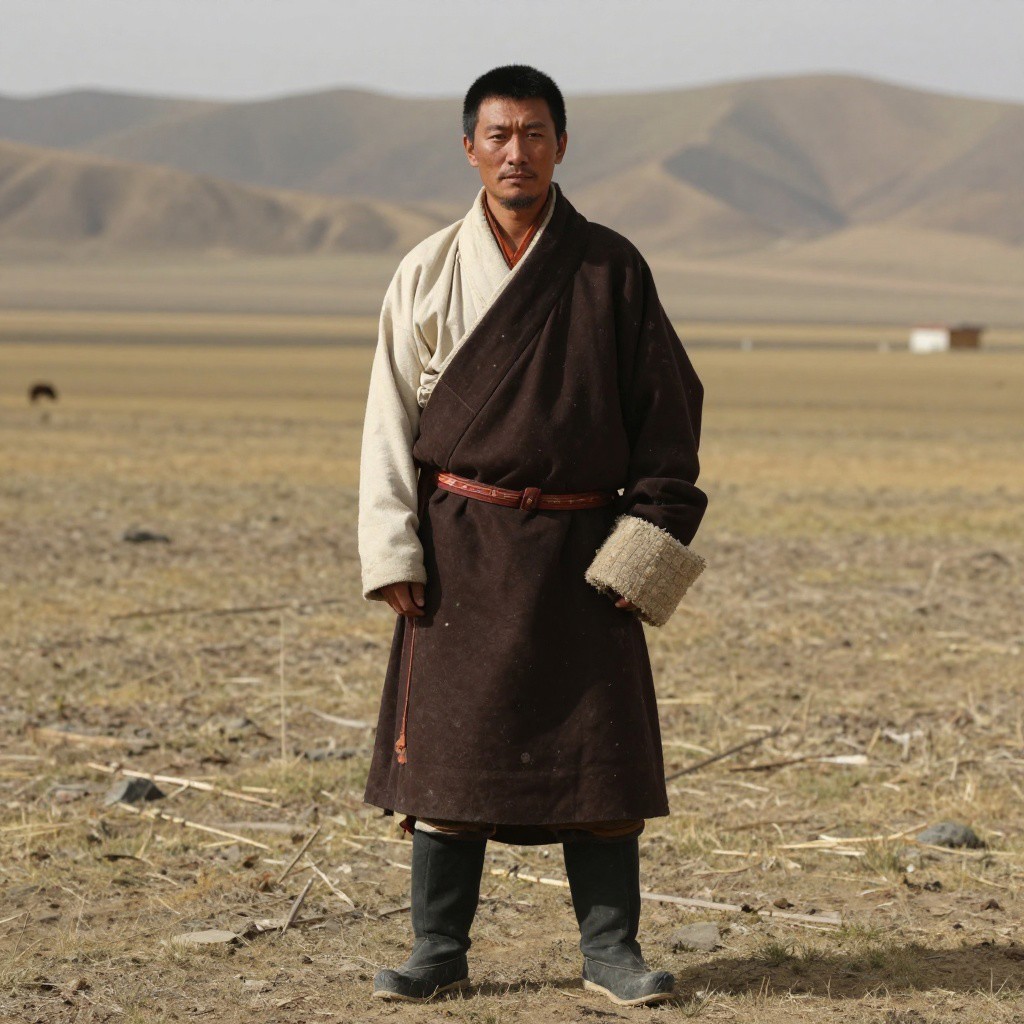
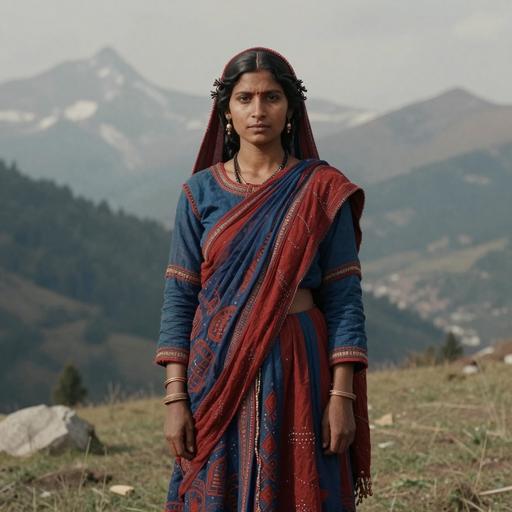
Portrait of ancient individual I3344 from India, dated 772 CE - 893 CE
I3344
India Roopkund Skeletons A 772 CE - 893 CE Roopkund Culture U2c1 Direct
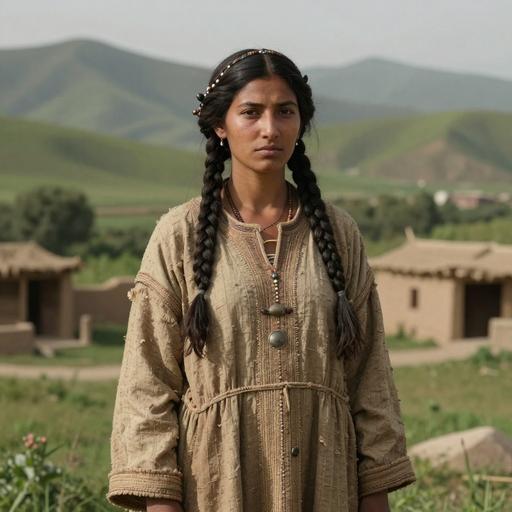
Portrait of ancient individual I6556 from Pakistan, dated 897 BCE - 798 BCE
I6556
Pakistan The Loebanr Iron Age Culture of Pakistan 897 BCE - 798 BCE Loebanr Culture U2c1 Direct
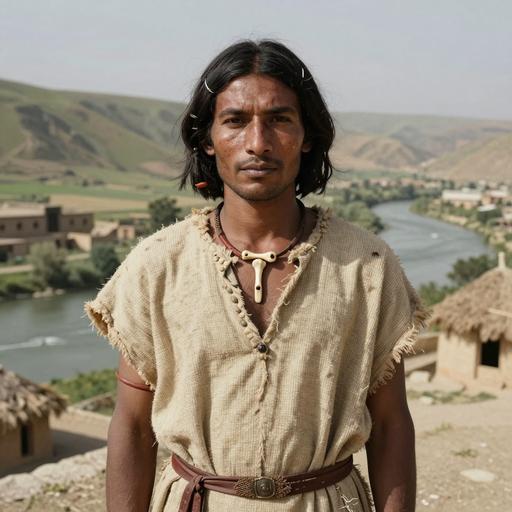
Portrait of ancient individual I10523 from Pakistan, dated 1000 BCE - 800 BCE
I10523
Pakistan The Pakistan Katelai Iron Age Culture 1000 BCE - 800 BCE Katelai Culture U2c1 Direct
Portrait of ancient individual I8726 from Iran, dated 3100 BCE - 3000 BCE
I8726
Iran Bronze Shahr-i Sokhta 3100 BCE - 3000 BCE Shahr-i Sokhta U2c1 Direct
Portrait of ancient individual I8246 from Pakistan, dated 970 BCE - 550 BCE
I8246
Pakistan Iron Age Aligrama 970 BCE - 550 BCE Aligrama Culture U2c1a Downstream
Portrait of ancient individual I8246 from Pakistan, dated 970 BCE - 550 BCE
I8246
Pakistan Iron Age Swat Valley 970 BCE - 550 BCE U2c1a Downstream
Portrait of ancient individual I12988 from Pakistan, dated 1000 BCE - 800 BCE
I12988
Pakistan The Loebanr Iron Age Culture of Pakistan 1000 BCE - 800 BCE Loebanr Culture U2c1b Downstream
Chapter VI

Carrier Distribution Map

Geographic distribution of 7 ancient DNA samples (direct and subclade carriers of U2C1)

Direct carrier Subclade carrier
Time Period Filter
All Time Periods
Showing all samples
Chapter VII

Temporal Distribution

Distribution of carriers across archaeological periods

Chapter VIII

Geographic Distribution

Distribution by country of origin (direct and subclade carriers shown by default)

Chapter IX

Country × Era Distribution

Cross-tabulation of carrier countries and archaeological periods (direct and subclade carriers shown by default)

Data

Data & Provenance

Source information and data quality

Last Updated 2026-02-16
Confidence Score 50/100
Coverage Low
Data Source

We use the latest phylotree for MTDNA haplogroup classification and data.