Menu
mtDNA Haplogroup • Maternal Lineage

U4B1A1

mtDNA Haplogroup U4B1A1

~8,000 years ago
Northern/Eastern Europe
1 subclades
Scroll to explore
Chapter I

The Story

The journey of mtDNA haplogroup U4B1A1

Origins and Evolution

Haplogroup U4B1A1 nests within the broader U4 family, a mitochondrial lineage strongly associated with postglacial European hunter-gatherers. The parent clade U4B1A is estimated to have arisen in Northern/Eastern Europe in the Early Holocene (around 12 kya); U4B1A1 represents a downstream diversification that likely arose later in the Holocene (plausibly ~8 kya) as local maternal lineages differentiated during periods of regional demographic stability and localized expansion. Its phylogenetic position places it among lineages that track the persistence and regional structuring of hunter-gatherer maternal ancestry after the Last Glacial Maximum.

Subclades

As a relatively specific subclade, U4B1A1 may have limited named downstream branches in current databases, reflecting either a genuinely small number of surviving lineages or undersampling in some regions. Where present, finer substructure is best resolved by full mitochondrial genome sequencing; targeted HVR data or partial coding-region SNP panels often lack the resolution to characterize internal branching with confidence. Continued ancient DNA sampling in northern Eurasia and high-coverage mitogenomes from modern carriers will refine the internal topology and age estimates.

Geographical Distribution

The distribution of U4B1A1 is concentrated in northern and northeastern Eurasia with spillover into adjacent regions. Modern and ancient samples indicate higher representation in the Baltic, Scandinavia, and northwest Russian populations, with occurrences in indigenous Siberian groups and low-frequency detections in Central Asia and the Caucasus. Sporadic, very low-frequency occurrences in South Asia likely reflect later long-distance movements or incidental sharing rather than a major expansion from that region. Overall, the pattern is consistent with a postglacial origin in northern Europe followed by localized persistence and limited east–west gene flow across northern Eurasia.

Historical and Cultural Significance

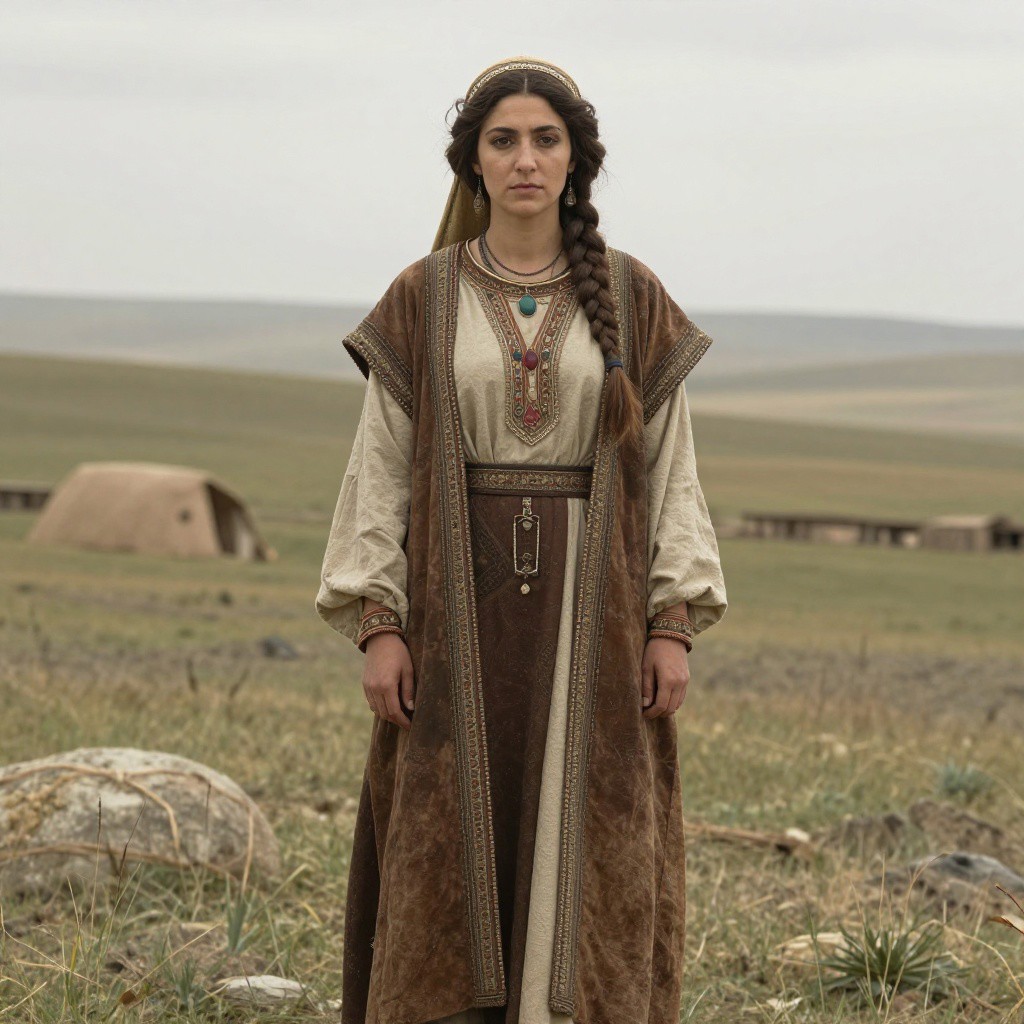
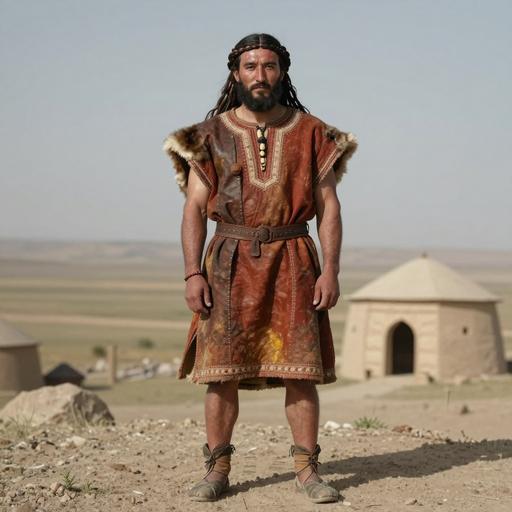
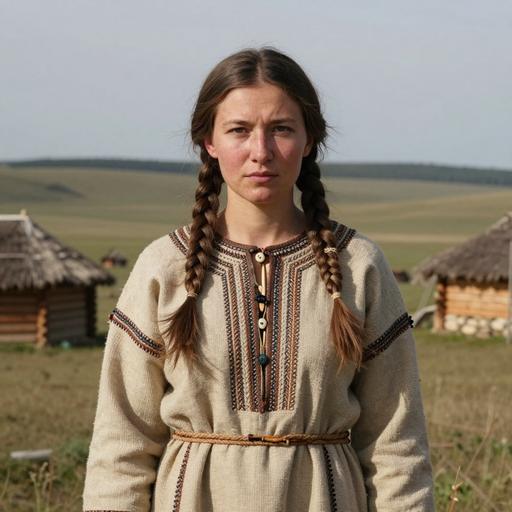
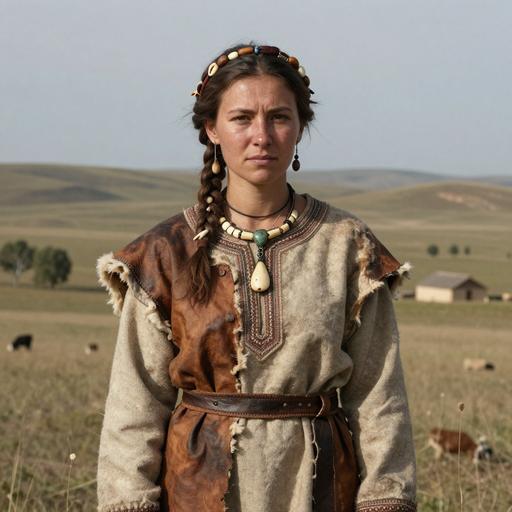
U4B1A1 is best interpreted as part of the maternal legacy of Mesolithic and later northern hunter-gatherer groups. Ancient DNA studies routinely recover U4 lineages from Mesolithic burial contexts in the Baltic region and adjacent parts of Russia, showing continuity of U4 maternal ancestry in these landscapes. During the Neolithic and Bronze Age, the mitogenomic landscape of northern and eastern Europe became more complex with the arrival of farmer-associated and steppe-associated lineages; nevertheless, lineages like U4B1A1 often persist at low to moderate frequencies, indicating continuity and admixture rather than complete replacement. Its presence in some Bronze Age and later contexts suggests that descendants of Mesolithic maternal lineages continued to contribute to regional gene pools through the Holocene.

Conclusion

U4B1A1 represents a geographically focused mtDNA lineage linked to the postglacial hunter-gatherer substratum of northern and eastern Europe. While not among the most common European maternal haplogroups today, it is important for reconstructing local continuity, regional demographic events in the Holocene, and the east–west connections across northern Eurasia. Improved sampling, especially of high-quality ancient mitogenomes, will better resolve its age, substructure, and precise archaeological associations.

Key Points

  • Origins and Evolution
  • Subclades
  • Geographical Distribution
  • Historical and Cultural Significance
  • Conclusion
Chapter II

Tree & Relationships

Phylogenetic context and subclades

Evolution Path

This haplogroup's evolutionary journey from its earliest ancestor to the present.

Steps Haplogroup Age Estimate Archaeology Era Time Passed Immediate Descendants Tested Modern Descendants Ancient Connections
1 U4B1A1 Current ~8,000 years ago 🌾 Neolithic 8,000 years 1 29 0
2 U4B1A ~12,000 years ago 🌾 Neolithic 12,000 years 4 50 13
3 U4B1 ~15,000 years ago 🏹 Mesolithic 15,000 years 2 94 0
4 U4B ~15,000 years ago 🏹 Mesolithic 15,000 years 2 104 15
5 U4 ~20,000 years ago 🏹 Mesolithic 20,000 years 4 299 31
6 U ~46,000 years ago 🦴 Paleolithic 46,000 years 12 2,835 110
7 R ~60,000 years ago 🦴 Paleolithic 60,000 years 12 10,987 57
8 N ~60,000 years ago 🦴 Paleolithic 60,000 years 15 15,452 13
9 L3 ~70,000 years ago 🦴 Paleolithic 70,000 years 11 17,621 6
10 L ~160,000 years ago 🦴 Paleolithic 160,000 years 7 18,987 5

Siblings (3)

Other branches from the same parent haplogroup

Chapter III

Where in the World

Geographic distribution and modern presence

Place of Origin

Northern/Eastern Europe

Modern Distribution

The populations where mitochondrial haplogroup U4B1A1 is found include:

  1. Northern European populations (e.g., Scandinavia, Baltic region)
  2. Eastern European populations (e.g., northwest Russia, Baltic states, Ukraine)
  3. Siberian indigenous groups and northern Eurasian populations
  4. Central Asian populations (low to moderate frequency)
  5. Caucasus populations (low frequency)
  6. South Asian populations (very low frequency/incidental)
CHAPTER IV

When in Time

Your haplogroup in the context of human history

~10k years ago

Neolithic Revolution

Agriculture begins, settled communities form

~8k years ago

Haplogroup U4B1A1

Your mtDNA haplogroup emerged in Northern/Eastern Europe

Northern/Eastern Europe
~5k years ago

Bronze Age

Metalworking, writing, and early civilizations

~3k years ago

Iron Age

Iron tools, expanded trade networks

~2k years ago

Classical Antiquity

Greek and Roman civilizations flourish

Present

Present Day

Modern era

Your Haplogroup
Historical Era
Chapter IV-B

Linked Cultures

Ancient cultures associated with mtDNA haplogroup U4B1A1

Cultural Heritage

These ancient cultures have been linked to haplogroup U4B1A1 based on matching ancient DNA samples from archaeological excavations. The presence of this haplogroup in these cultures provides insights into the migrations and population movements of populations carrying this haplogroup.

Avar Culture Baltic Hunter-Gatherer German Mesolithic Oy-Dzhaylau Culture Srubnaya-Alakul Ukrainian Neolithic Welsh Iron Age Yasinovatka
Culture assignments are based on archaeological context of ancient DNA samples and may represent regional associations during specific time periods.
Chapter V

Sample Catalog

21 subclade carriers of haplogroup U4B1A1 (no exact U4B1A1 samples sequenced yet)

21 / 21 samples
Portrait Sample Country Era Date Culture mtDNA Match
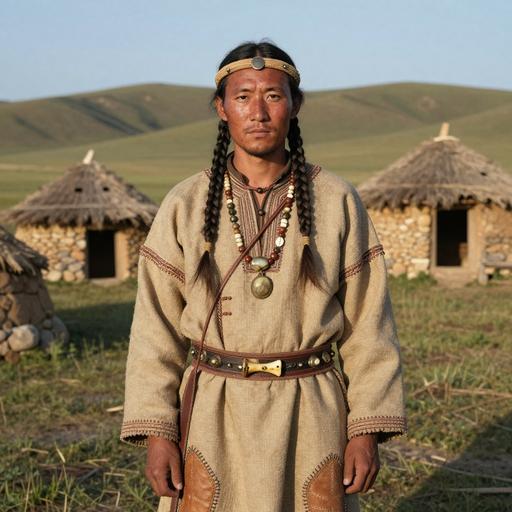
Portrait of ancient individual I6232 from Mongolia, dated 387 BCE - 208 BCE
I6232
Mongolia Early Iron Age Sagly Culture 4, Mongolia 387 BCE - 208 BCE Sagly Culture U4b1a1a1* Downstream
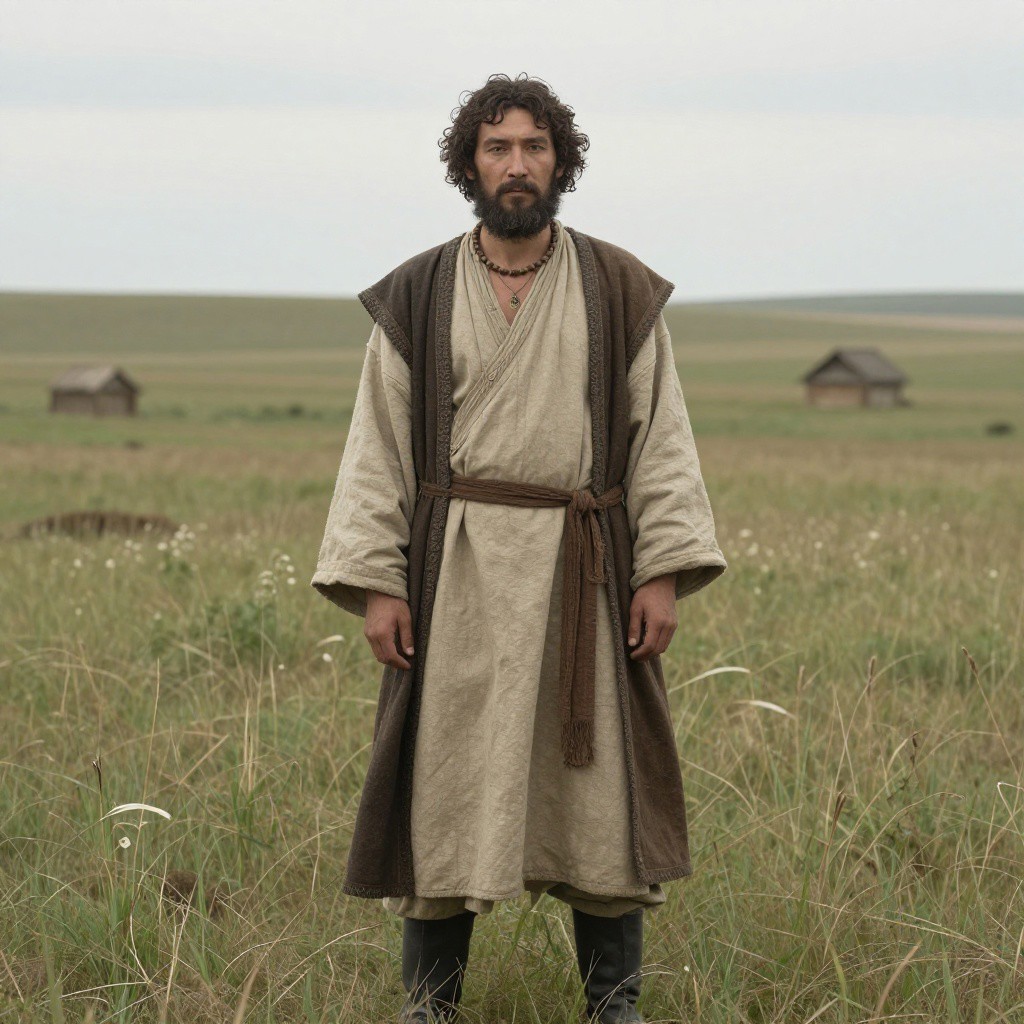
Portrait of ancient individual KV-3450 from Hungary, dated 660 CE - 720 CE
KV-3450
Hungary Late Avar Period Hungary 660 CE - 720 CE Avar Culture U4b1a1a Downstream
Portrait of ancient individual C3350 from China, dated 772 BCE - 476 BCE
C3350
China Early Iron Age Songshugou, Xinjiang, China 772 BCE - 476 BCE Songshugou Culture U4b1a1a1 Downstream
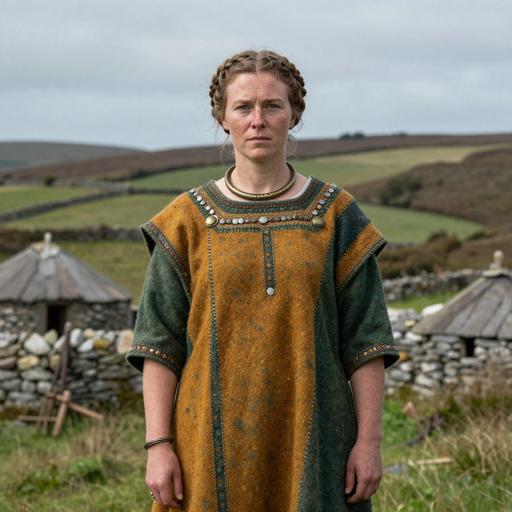
Portrait of ancient individual I16380 from United Kingdom, dated 800 BCE - 43 CE
I16380
United Kingdom Iron Age England 800 BCE - 43 CE British Iron Age U4b1a1a1 Downstream
Portrait of ancient individual I16442 from United Kingdom, dated 800 BCE - 43 CE
I16442
United Kingdom Iron Age England 800 BCE - 43 CE British Iron Age U4b1a1a1 Downstream
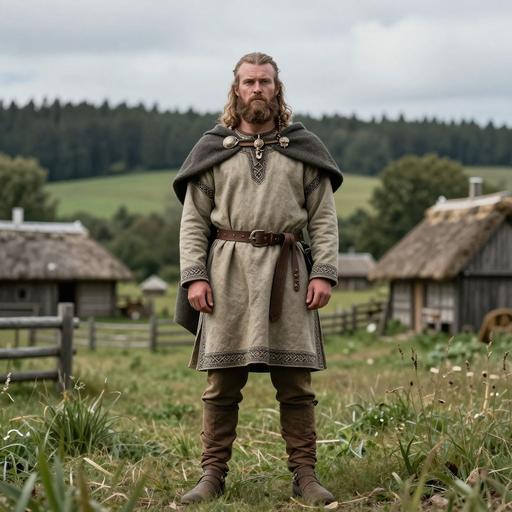
Portrait of ancient individual VK363 from Denmark, dated 900 CE - 1000 CE
VK363
Denmark Viking Age Denmark 900 CE - 1000 CE Viking Denmark U4b1a1a1* Downstream
Portrait of ancient individual VK363 from Denmark, dated 900 CE - 1000 CE
VK363
Denmark The Viking Age 900 CE - 1000 CE U4b1a1a1* Downstream
Portrait of ancient individual I13775 from Montenegro, dated 1450 BCE - 1250 BCE
I13775
Montenegro Middle to Late Bronze Age Montenegro 1450 BCE - 1250 BCE Montenegrin Bronze Age U4b1a1a1 Downstream
Portrait of ancient individual I3788 from Kazakhstan, dated 1675 BCE - 1532 BCE
I3788
Kazakhstan Mid-Late Bronze Oy-Dzhaylau 1675 BCE - 1532 BCE Oy-Dzhaylau Culture U4b1a1a Downstream
Portrait of ancient individual kzb001 from Russia, dated 1740 BCE - 1539 BCE
kzb001
Russia Srubnaya-Alakul Culture, Russia 1740 BCE - 1539 BCE Srubnaya-Alakul U4b1a1a1 Downstream
Chapter VI

Carrier Distribution Map

Geographic distribution of 21 ancient DNA samples (direct and subclade carriers of U4B1A1)

Subclade carrier
Time Period Filter
All Time Periods
Showing all samples
Chapter VII

Temporal Distribution

Distribution of carriers across archaeological periods

Chapter VIII

Geographic Distribution

Distribution by country of origin (direct and subclade carriers shown by default)

Chapter IX

Country × Era Distribution

Cross-tabulation of carrier countries and archaeological periods (direct and subclade carriers shown by default)

Data

Data & Provenance

Source information and data quality

Last Updated 2026-02-16
Confidence Score 50/100
Coverage Low
Data Source

We use the latest phylotree for MTDNA haplogroup classification and data.