Menu
mtDNA Haplogroup • Maternal Lineage

U5B1E1

mtDNA Haplogroup U5B1E1

~3,000 years ago
Northern/Central Europe
1 subclades
Scroll to explore
Chapter I

The Story

The journey of mtDNA haplogroup U5B1E1

Origins and Evolution

mtDNA haplogroup U5B1E1 is a downstream branch of U5B1E, itself a localized subclade of the much older European U5 lineage. The deep U5 clade traces to Paleolithic and Mesolithic hunter-gatherer populations of Europe, but U5B1E and its descendants represent a later, regionally restricted diversification. Based on phylogenetic position and available ancient DNA, U5B1E1 most likely formed in Northern/Central Europe in the late Bronze Age (roughly ~3.0 kya) as a late-branching derivative of U5 diversity that had persisted in northern populations after the postglacial period.

Subclades

At present U5B1E1 is documented as a low-diversity terminal branch in published and database samples. There are few if any widely recognized downstream subclades of U5B1E1 in public phylogenies; many observed instances are defined by private mutations or very small regional clusters. Continued sequencing of full mitogenomes from under-sampled regions could reveal additional micro-branches, but currently U5B1E1 behaves as a rare, late-branching terminal lineage.

Geographical Distribution

U5B1E1 is geographically concentrated in Northern and parts of Central Europe with scattered occurrences farther afield. Modern and ancient detections are sparse but show the greatest relative frequency among Saami and some Scandinavian groups, with isolated occurrences reported in the British Isles, Iberia, Central/Eastern Europe and occasional low-frequency finds in North Africa and the Caucasus. The haplogroup appears in a small number of archaeological samples (nine entries in the referenced database), consistent with a rare but long-standing maternal lineage that experienced local persistence rather than wide prehistoric expansion.

Historical and Cultural Significance

Because U5 as a whole is strongly associated with European Mesolithic hunter-gatherers, presence of late branches like U5B1E1 highlights a complex picture of continuity and later regional diversification. The association of U5B1E1 with Saami and northern Scandinavian populations suggests maternal continuity or assimilation of older northern lineages into later cultural horizons (Bronze Age, Iron Age, and historic-era groups). The rarity of U5B1E1 means it is not a marker of large migrations (unlike some Neolithic farmer or steppe-associated lineages) but is valuable for reconstructing microphylogeography and local maternal ancestry trajectories in northern Europe.

Conclusion

U5B1E1 is a scientifically informative but rare mitochondrial subclade: a late-branching descendant of European U5 diversity that likely arose in Northern/Central Europe during the Bronze Age and has persisted at low frequency, particularly in northern populations such as the Saami and Scandinavians. Its limited distribution and low diversity make it a marker of localized maternal continuity rather than broad prehistoric demographic events, and additional whole-mitogenome sampling may clarify its finer substructure and historical movements.

Key Points

  • Origins and Evolution
  • Subclades
  • Geographical Distribution
  • Historical and Cultural Significance
  • Conclusion
Chapter II

Tree & Relationships

Phylogenetic context and subclades

Evolution Path

This haplogroup's evolutionary journey from its earliest ancestor to the present.

Steps Haplogroup Age Estimate Archaeology Era Time Passed Immediate Descendants Tested Modern Descendants Ancient Connections
1 U5B1E1 Current ~3,000 years ago ⚔️ Iron Age 3,000 years 1 13 0
2 U5B1E ~4,000 years ago 🔶 Bronze Age 3,500 years 1 16 11
3 U5B1 ~9,000 years ago 🌾 Neolithic 9,000 years 9 165 0
4 U5b ~9,000 years ago 🌾 Neolithic 9,000 years 3 495 140
5 U ~46,000 years ago 🦴 Paleolithic 46,000 years 12 2,835 110
6 R ~60,000 years ago 🦴 Paleolithic 60,000 years 12 10,987 57
7 N ~60,000 years ago 🦴 Paleolithic 60,000 years 15 15,452 13
8 L3 ~70,000 years ago 🦴 Paleolithic 70,000 years 11 17,621 6
9 L ~160,000 years ago 🦴 Paleolithic 160,000 years 7 18,987 5
Chapter III

Where in the World

Geographic distribution and modern presence

Place of Origin

Northern/Central Europe

Modern Distribution

The populations where mtDNA haplogroup U5B1E1 is found include:

  1. Saami (Sápmi, Northern Scandinavia and Kola)
  2. Scandinavian populations (Norway, Sweden, Denmark)
  3. British Isles populations (England, Scotland, Ireland)
  4. Iberian Peninsula populations (Spain, Portugal)
  5. Central and Eastern European populations (Poland, Germany, Baltic states, Russia)
  6. North African groups at low frequency (Berber-speaking populations and adjacent regions)
  7. Caucasus populations at low frequency
CHAPTER IV

When in Time

Your haplogroup in the context of human history

~10k years ago

Neolithic Revolution

Agriculture begins, settled communities form

~5k years ago

Bronze Age

Metalworking, writing, and early civilizations

~3k years ago

Iron Age

Iron tools, expanded trade networks

~3k years ago

Haplogroup U5B1E1

Your mtDNA haplogroup emerged in Northern/Central Europe

Northern/Central Europe
~2k years ago

Classical Antiquity

Greek and Roman civilizations flourish

Present

Present Day

Modern era

Your Haplogroup
Historical Era
Chapter IV-B

Linked Cultures

Ancient cultures associated with mtDNA haplogroup U5B1E1

Cultural Heritage

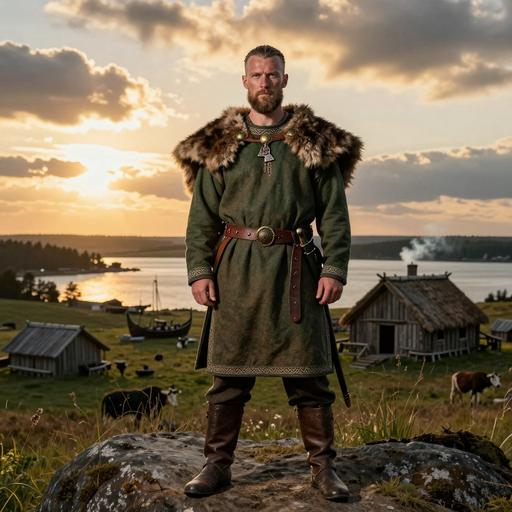
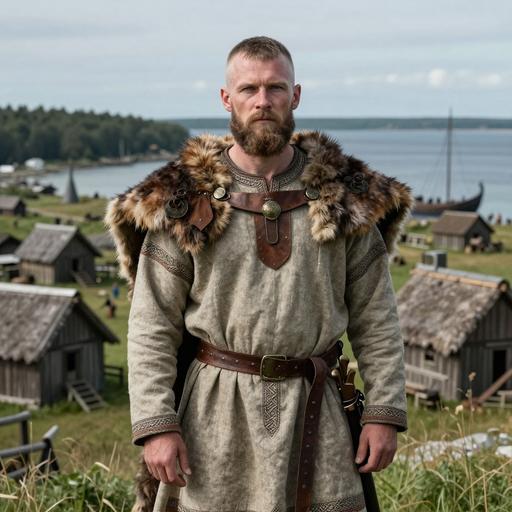
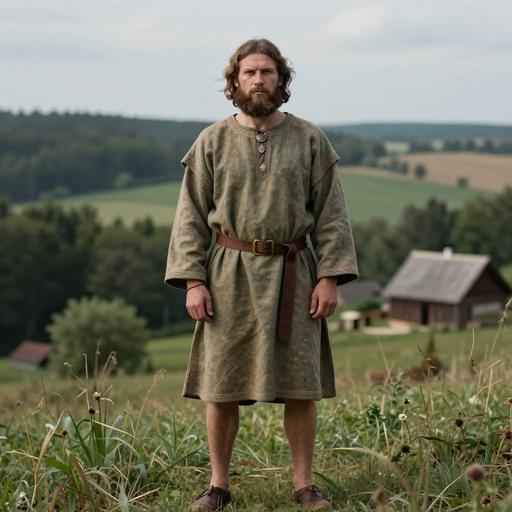
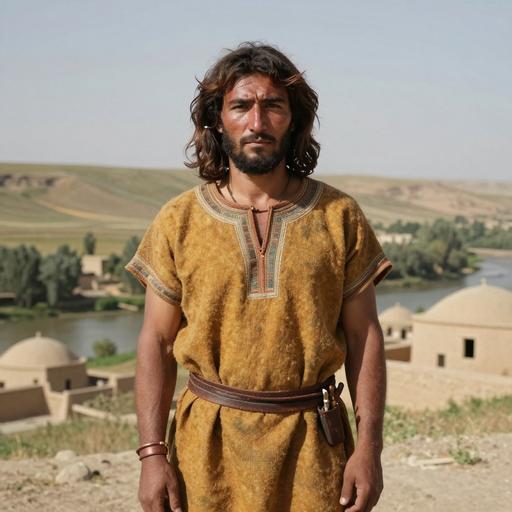
These ancient cultures have been linked to haplogroup U5B1E1 based on matching ancient DNA samples from archaeological excavations. The presence of this haplogroup in these cultures provides insights into the migrations and population movements of populations carrying this haplogroup.

Anglian El Argar Kokcha Los Millares Mesolithic Iberian Milicz Culture Norse Greenland Płońsk Culture Viking
Culture assignments are based on archaeological context of ancient DNA samples and may represent regional associations during specific time periods.
Chapter V

Sample Catalog

9 direct carriers and 1 subclade carrier of haplogroup U5B1E1

10 / 10 samples
Portrait Sample Country Era Date Culture mtDNA Match
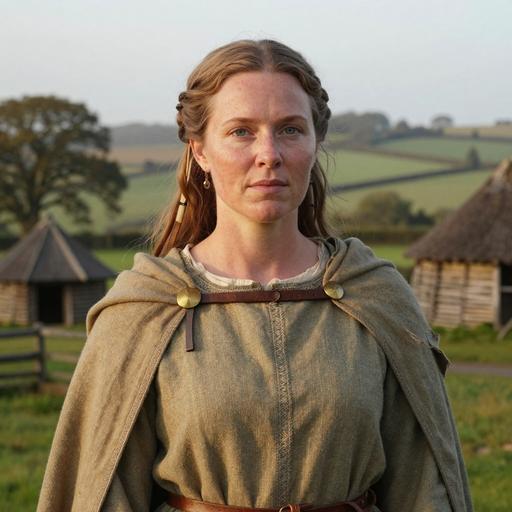
Portrait of ancient individual I14095 from United Kingdom, dated 420 CE - 545 CE
I14095
United Kingdom Anglian Scorton, England 420 CE - 545 CE Anglian U5b1e1 Direct
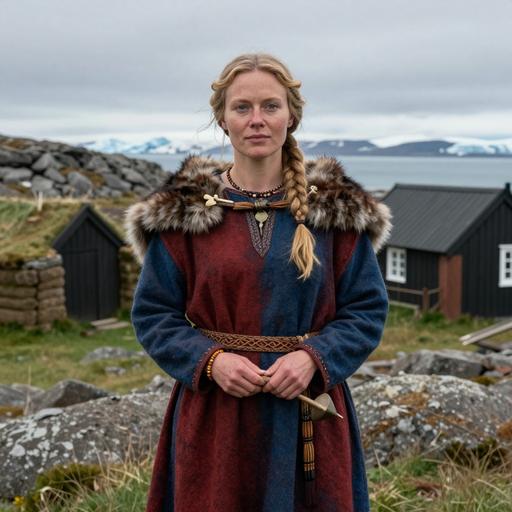
Portrait of ancient individual VK196 from Greenland, dated 771 CE - 957 CE
VK196
Greenland Early Norse Greenland 771 CE - 957 CE Norse Greenland U5b1e1 Direct
Portrait of ancient individual VK196 from Greenland, dated 771 CE - 957 CE
VK196
Greenland The Viking Age 771 CE - 957 CE U5b1e1 Direct
Portrait of ancient individual VK51 from Sweden, dated 900 CE - 1050 CE
VK51
Sweden Viking Age Sweden 900 CE - 1050 CE Viking U5b1e1 Direct
Portrait of ancient individual VK251 from Sweden, dated 900 CE - 1050 CE
VK251
Sweden Viking Age Sweden 900 CE - 1050 CE Viking U5b1e1 Direct
Portrait of ancient individual VK251 from Sweden, dated 900 CE - 1050 CE
VK251
Sweden The Viking Age 900 CE - 1050 CE U5b1e1 Direct
Portrait of ancient individual VK51 from Sweden, dated 900 CE - 1050 CE
VK51
Sweden The Viking Age 900 CE - 1050 CE U5b1e1 Direct
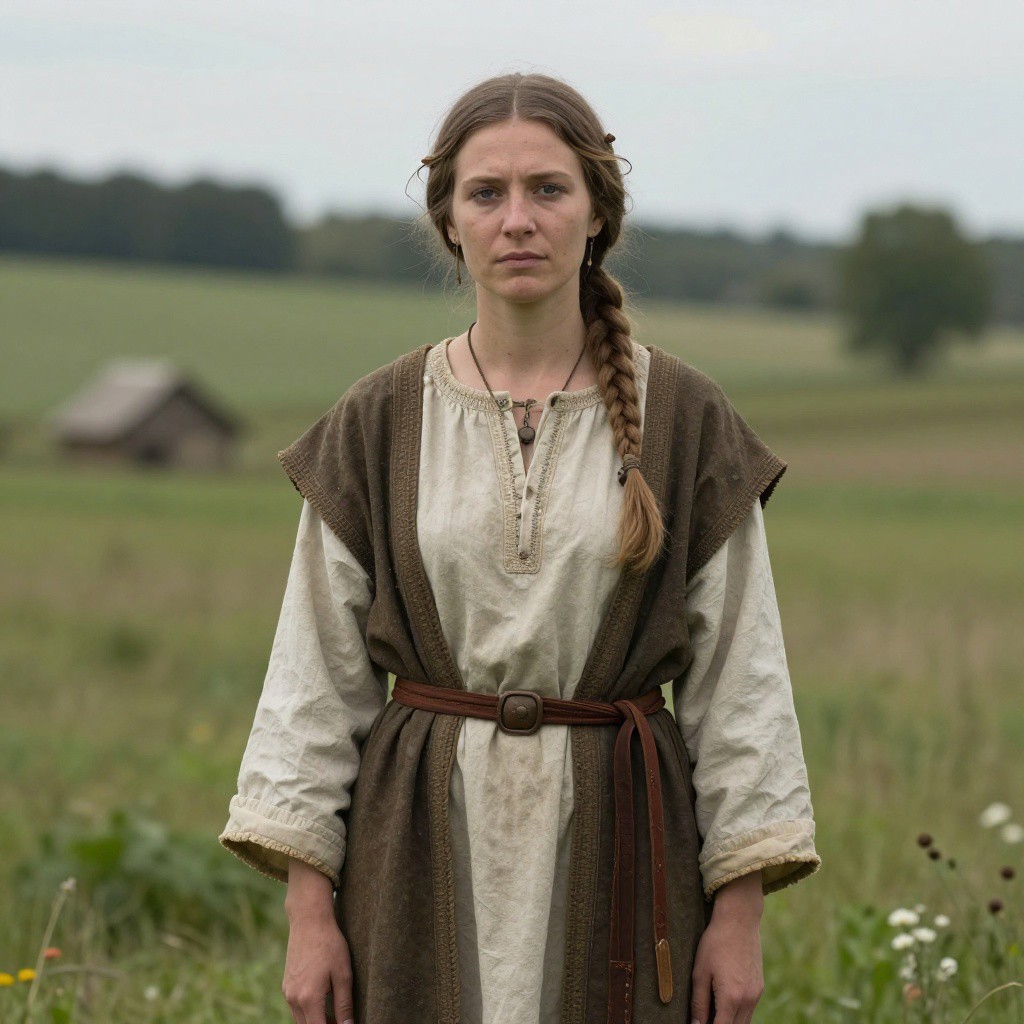
Portrait of ancient individual PCA0322 from Poland, dated 1000 CE - 1200 CE
PCA0322
Poland Iron Age Płońsk Culture 1000 CE - 1200 CE Płońsk Culture U5b1e1 Direct
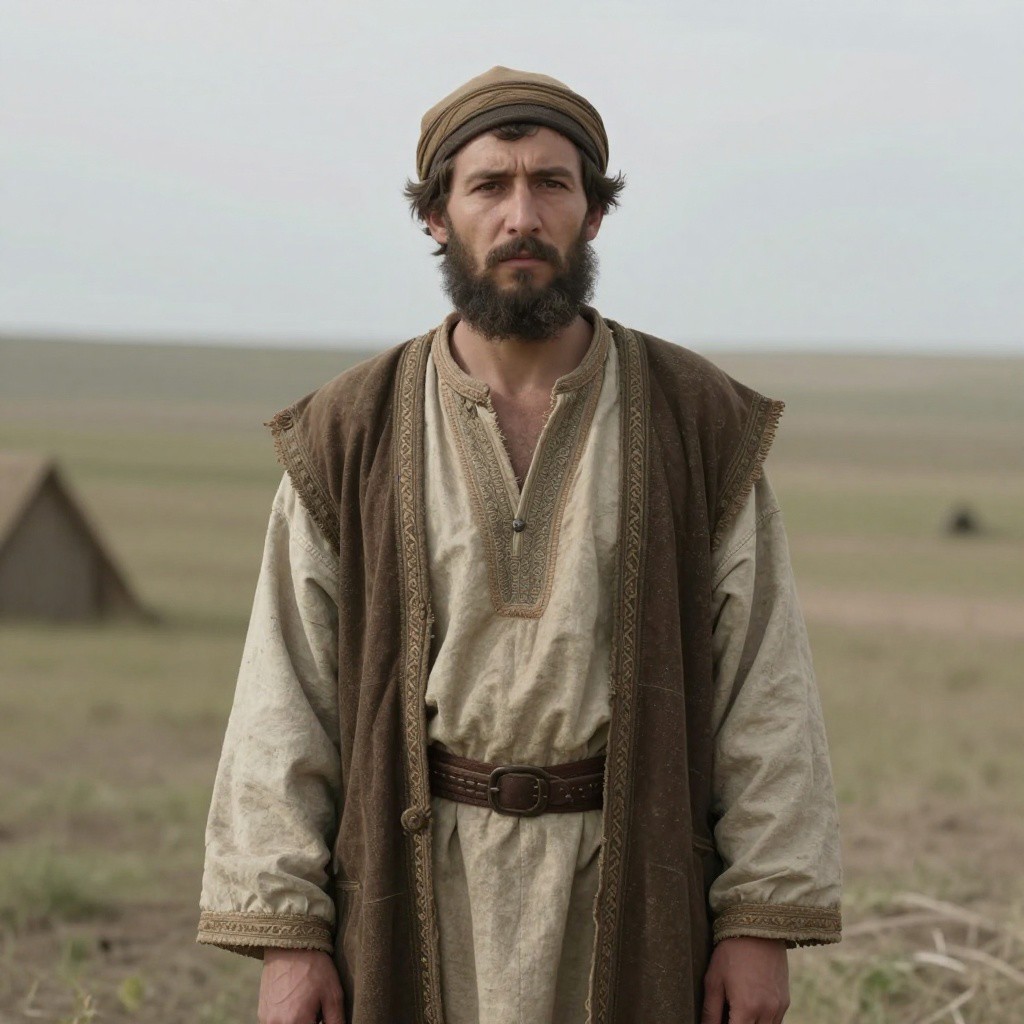
Portrait of ancient individual I12499 from Uzbekistan, dated 1497 BCE - 1316 BCE
I12499
Uzbekistan Bronze Age Kokcha 1497 BCE - 1316 BCE Kokcha U5b1e1 Direct
Portrait of ancient individual PCA0510 from Poland, dated 1000 CE - 1200 CE
PCA0510
Poland Iron Age Milicz Culture 1000 CE - 1200 CE Milicz Culture U5b1e1a Downstream
Chapter VI

Carrier Distribution Map

Geographic distribution of 10 ancient DNA samples (direct and subclade carriers of U5B1E1)

Direct carrier Subclade carrier
Time Period Filter
All Time Periods
Showing all samples
Chapter VII

Temporal Distribution

Distribution of carriers across archaeological periods

Chapter VIII

Geographic Distribution

Distribution by country of origin (direct and subclade carriers shown by default)

Chapter IX

Country × Era Distribution

Cross-tabulation of carrier countries and archaeological periods (direct and subclade carriers shown by default)

Data

Data & Provenance

Source information and data quality

Last Updated 2026-02-16
Confidence Score 50/100
Coverage Low
Data Source

We use the latest phylotree for MTDNA haplogroup classification and data.