mtDNA · Maternal lineage

U5B2

mtDNA Haplogroup U5B2

A reference profile for one lineage branch. Shared haplogroups do not establish a family relationship or cultural identity.

Reference profile

Branch background

Historical context for mtDNA lineage branch U5B2

Origins and Evolution

mtDNA haplogroup U5b2 branches from the older European lineage U5b, itself a major subclade of haplogroup U5, which is among the earliest mitochondrial lineages established in Europe after the Upper Paleolithic. Coalescence estimates for U5 place its origin in the Late Upper Paleolithic; as a downstream branch, U5b2 most likely diversified during the Late Glacial or early Mesolithic (roughly ~12 kya, with uncertainty ± a few thousand years) as populations recolonized parts of northern and western Europe after the Last Glacial Maximum.

U5b2 inherits many of the geographic and demographic signals of U5b — strong associations with European hunter-gatherer groups, continuity in some regions through the Mesolithic, and persistence albeit at lower frequencies through subsequent Neolithic and Bronze Age demographic shifts.

Subclades (if applicable)

Within the U5b clade, U5b2 is recognized as one of several downstream branches. Published phylogenies and ancient DNA (aDNA) studies identify named sub-branches (for example, U5b2a, U5b2b and related minor derivatives) that show regional structure and differing ages. Some sub-branches appear more common in northern Europe and among populations with strong Mesolithic ancestry, while others show more localized or sporadic occurrences in central and eastern Europe. The detailed internal structure varies as additional high-resolution mitogenomes are sequenced; many subclade definitions continue to be refined by ongoing aDNA and modern mitogenome surveys.

Geographical Distribution

U5b2 shows a distribution concentrated in Europe with highest representation in northern and parts of western Europe. Key patterns shown by population-genetic and ancient-DNA work include:

  • Elevated signals in regions with Mesolithic continuity (Scandinavia, parts of the British Isles and Iberia in ancient contexts).
  • Notable presence among some indigenous northern European groups (e.g., Saami and other populations with high hunter-gatherer ancestry components) in both ancient and modern samples.
  • Lower-frequency occurrences in central and eastern Europe, where U5 lineages persisted but were diluted by incoming Neolithic farmer and later steppe ancestries.
  • Sporadic low-frequency occurrences reported in neighboring regions such as North Africa and the Caucasus, reflecting complex prehistoric gene flow and later population movements.

Ancient DNA records including Mesolithic and later samples confirm U5b2 in archaeological contexts, consistent with continuity from Late Glacial/early Mesolithic inhabitants into later periods in some regions.

Historical and Cultural Significance

U5b2 is strongly tied to the demographic signature of European hunter-gatherers. In prehistoric population models, mtDNA lineages such as U5b2 are used as maternal markers of indigenous Mesolithic groups who contributed genetically to subsequent European populations. While Neolithic farmers (who carried different mitochondrial lineages such as various H, J, T, K, etc.) and Bronze Age steppe groups introduced additional maternal diversity, lineages like U5b2 persisted in many regions and can help track local continuity versus replacement.

Because of this association, U5b2 (and related U5 lineages) are often observed in studies addressing the extent of hunter-gatherer ancestry in modern Europeans, the peopling of Scandinavia, and the demographic impact of postglacial recolonization routes.

Conclusion
mtDNA haplogroup U5b2 is an informative maternal lineage for reconstructing Late Glacial and Mesolithic population structure in Europe. It represents a branch of the ancient U5b cluster with strongest associations in northern and western Europe and with continuity into later prehistoric periods in some areas. Continued mitogenome sequencing and expanding ancient DNA datasets are refining the internal structure and geographic history of U5b2 and its sublineages, improving resolution on regional continuity and migration events in European prehistory.

Key Points

  • Origins and Evolution
  • Subclades (if applicable)
  • Geographical Distribution
  • Historical and Cultural Significance
  • Conclusion
Reference profile

Tree & Relationships

Phylogenetic context and subclades

Evolution Path

Follow the recorded parent branches toward U5B2. Dates are estimates and can change as reference data is revised.

Steps Haplogroup Age Estimate Archaeology Era Time Passed Immediate Descendants Tested Modern Descendants Ancient Connections
1 U5B2 Current ~12,000 years ago Neolithic 12,000 years 5 394 0
2 U5b ~22,000 years ago Mesolithic 22,000 years 3 654 140
3 U5A'B - - - 2 1,339 0
4 U5 ~35,000 years ago Paleolithic 35,000 years 1 1,339 142
5 U ~46,000 years ago Paleolithic 46,000 years 5 5,557 110
6 R ~55,000 years ago Paleolithic 55,000 years 17 22,830 57
7 NA - - - 1 22,830 0
8 N ~60,000 years ago Paleolithic 60,000 years 16 26,150 13
9 L3 ~70,000 years ago Paleolithic 70,000 years 7 30,162 6
10 L3'4 - - - 2 30,212 0
11 L3'4'6 - - - 2 30,216 0
12 L2'3'4'6 - - - 2 31,333 0
13 L2'3'4'5'6'7 - - - 2 31,349 0
14 L1'2'3'4'5'6'7 - - - 2 31,852 0
15 L ~160,000 years ago Paleolithic 160,000 years 2 32,236 5

Siblings (2)

Other branches from the same parent haplogroup

Reference profile

Where in the World

Geographic distribution and modern presence

Recorded origin

Western / Northern Europe

Modern Distribution

The populations where mtDNA haplogroup U5B2 is found include:

  1. Western European populations
  2. Northern European populations (including Saami and other indigenous groups)
  3. Central European populations
  4. Eastern European populations
  5. North African populations (low frequency, sporadic)
  6. Caucasus and Anatolia (low frequency, sporadic)
Historical context

A branch through time

Estimated formation in a broad historical timeline. Period markers provide context and do not imply a connection with particular cultures.

  1. ~12k years ago

    Haplogroup U5B2

    Estimated formation of this mtDNA branch; dates and locations are reference estimates.

    This branch
  2. ~10k years ago

    Neolithic Revolution

    Agriculture begins, settled communities form

  3. ~5k years ago

    Bronze Age

    Metalworking, writing, and early civilizations

  4. ~3k years ago

    Iron Age

    Iron tools, expanded trade networks

  5. ~2.5k years ago

    Classical Antiquity

    Greek and Roman civilizations flourish

  6. Present

    Present Day

    Modern era

Reference profile

Archaeological context

Recorded archaeological associations for mtDNA branch U5B2

Recorded associations

These labels describe archaeological contexts recorded for reference samples linked to U5B2. An association does not establish that all carriers belonged to a culture or followed a particular migration route.

Bodrogkeresztur British Neolithic Dnieper-Mariupol Don-Mariupol Culture French Mesolithic Mesolithic Ukrainian Russia_Eneolithic_EBA_Caucasus Scottish Megalithic Ukraine_Dnieperpetrovsk_Eneolithic_SeredniiStih Ukrainian Neolithic
Culture assignments are based on archaeological context of ancient DNA samples and may represent regional associations during specific time periods.
Reference profile

Sample Catalog

1 direct carrier and 99 subclade carriers of haplogroup U5B2

10 shown · 50 matching samples

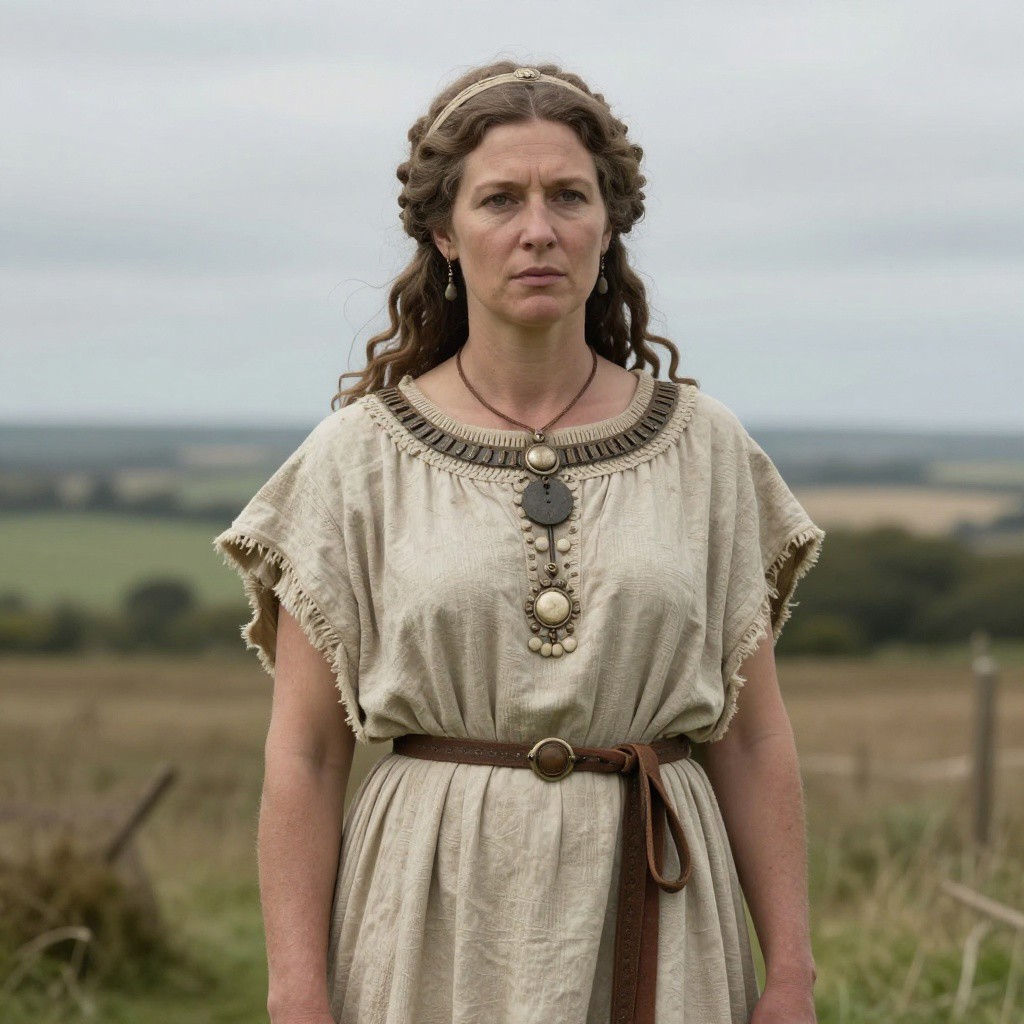
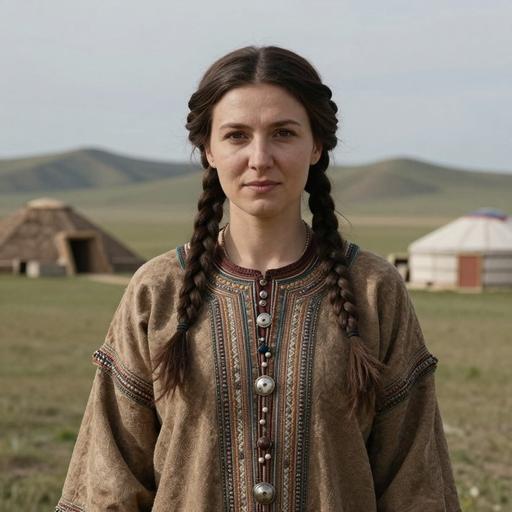
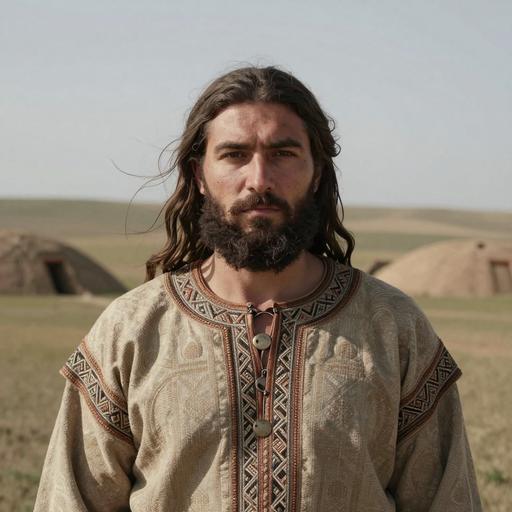
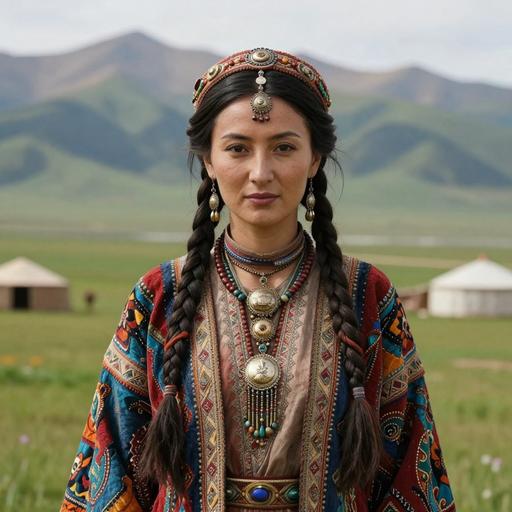
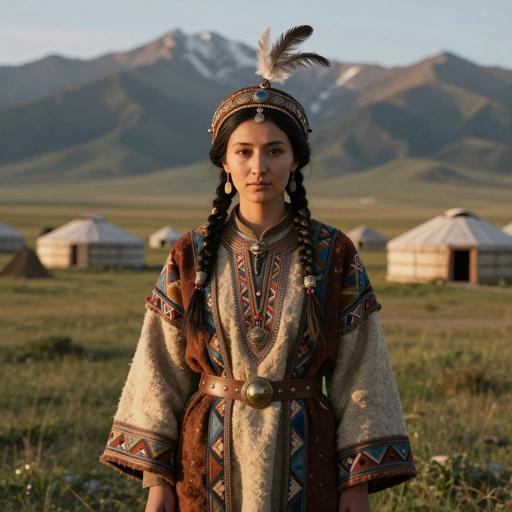
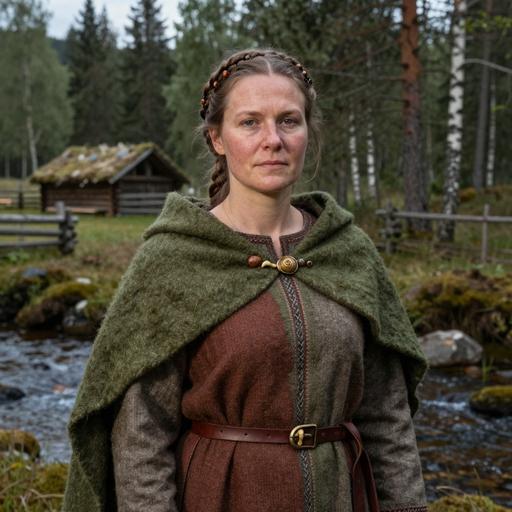
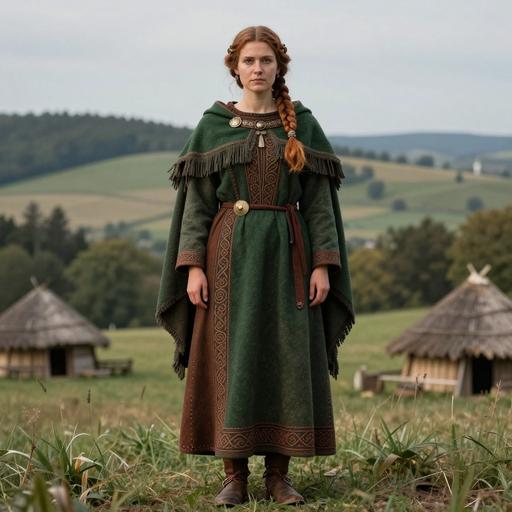
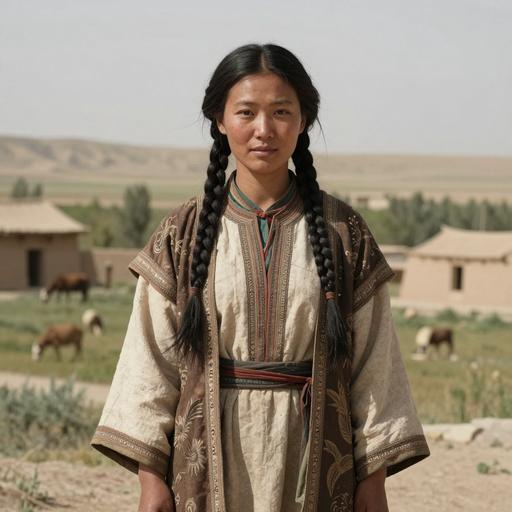
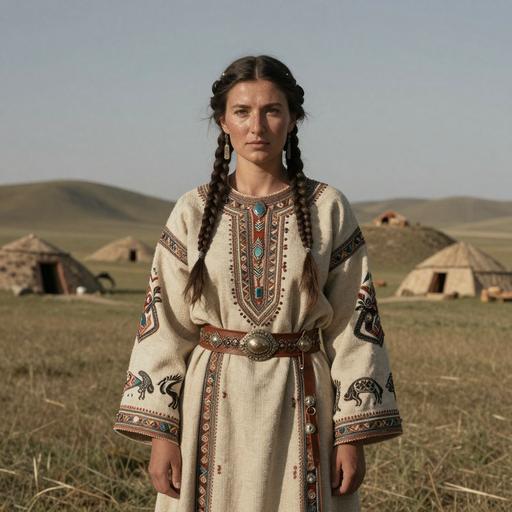
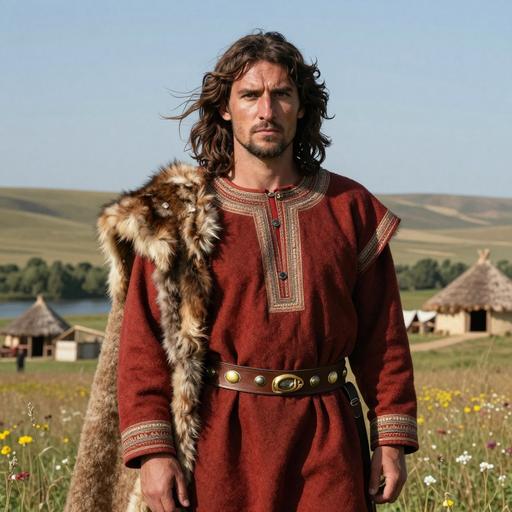
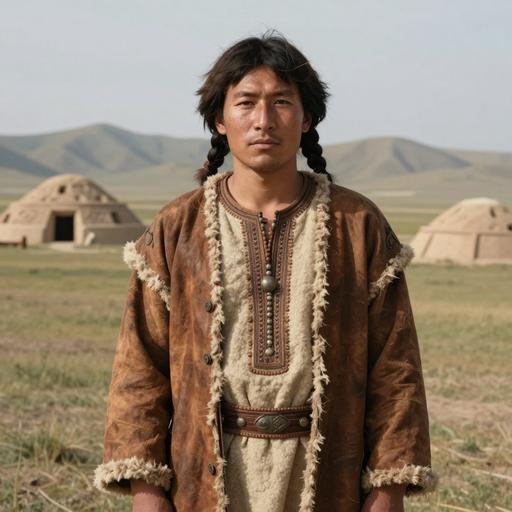
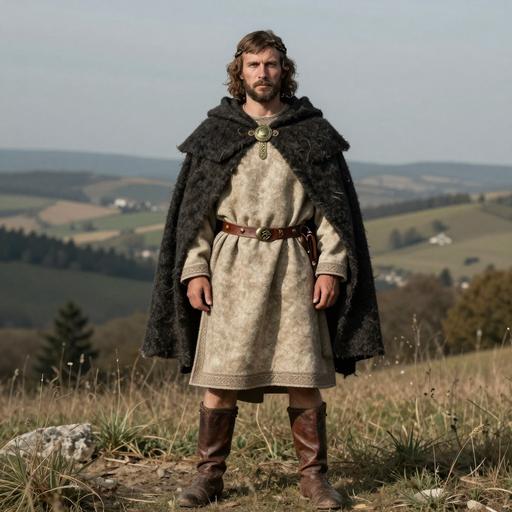
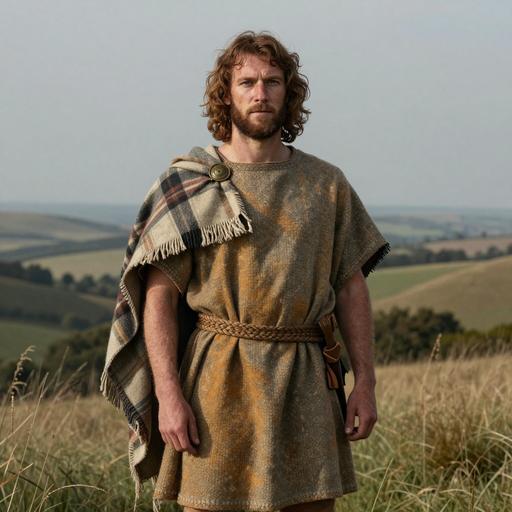
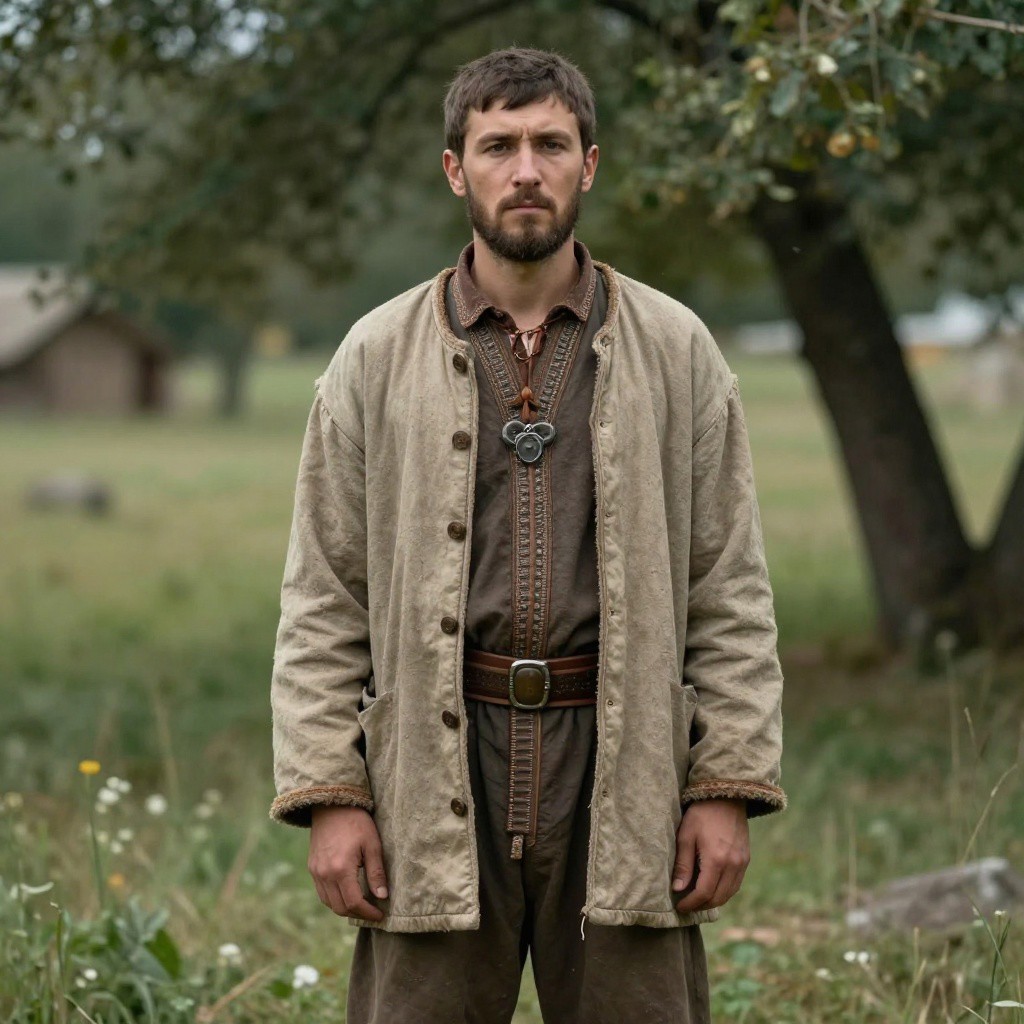
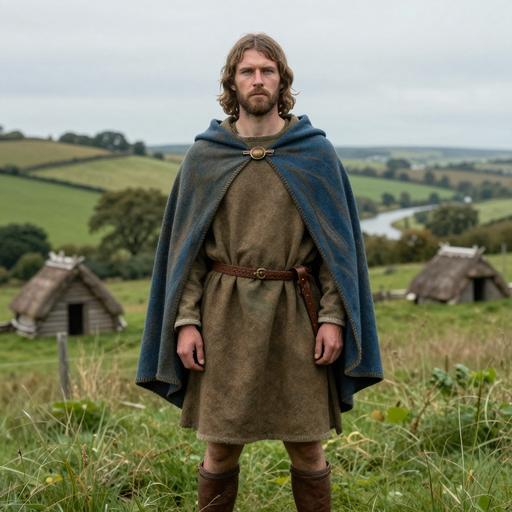
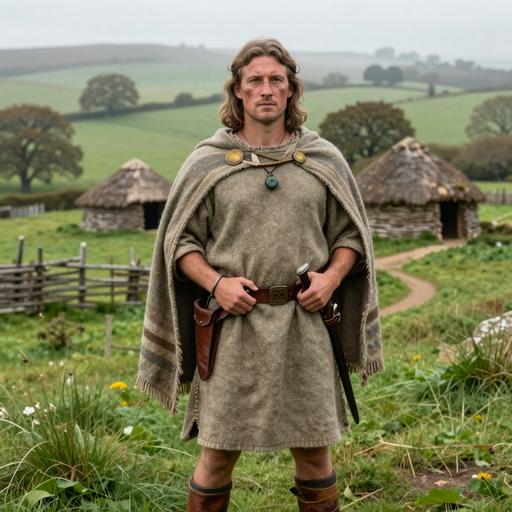
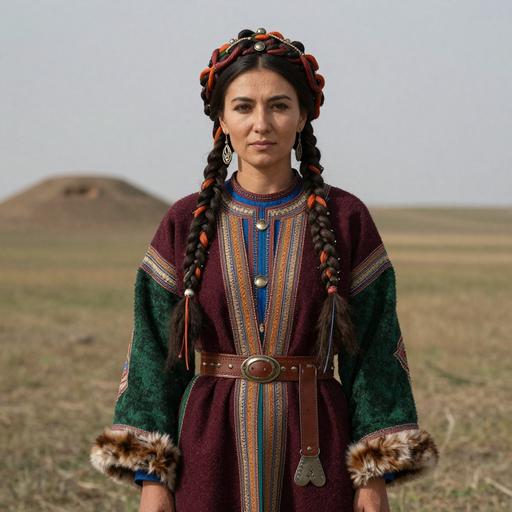
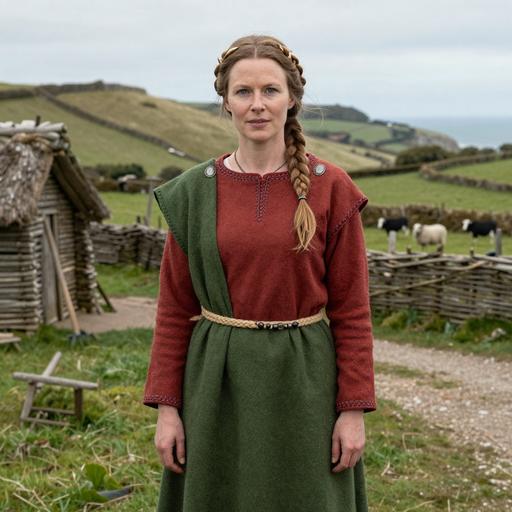
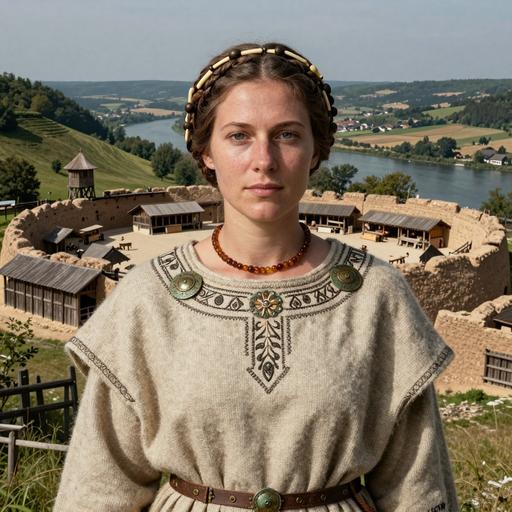
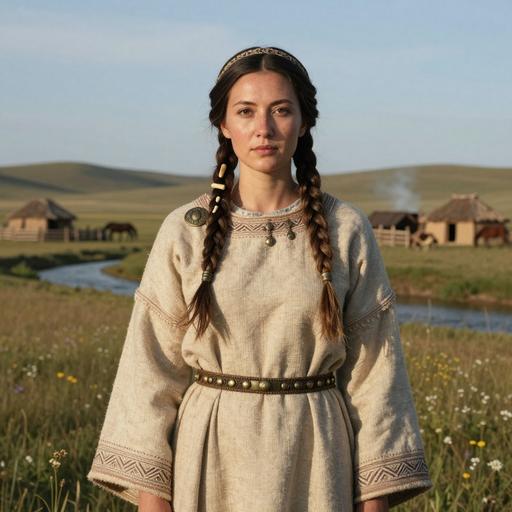
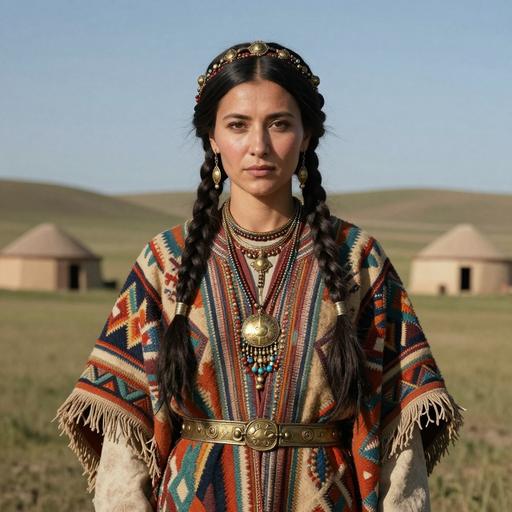
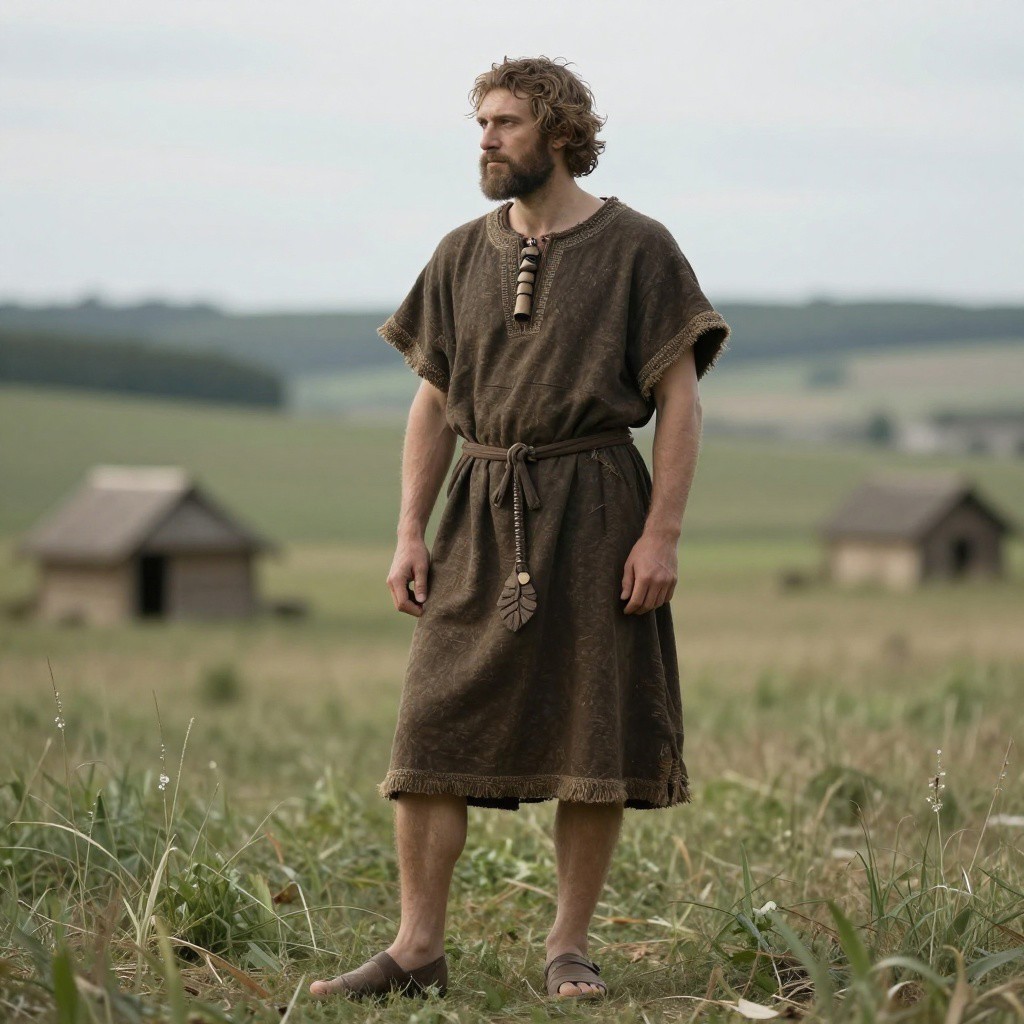
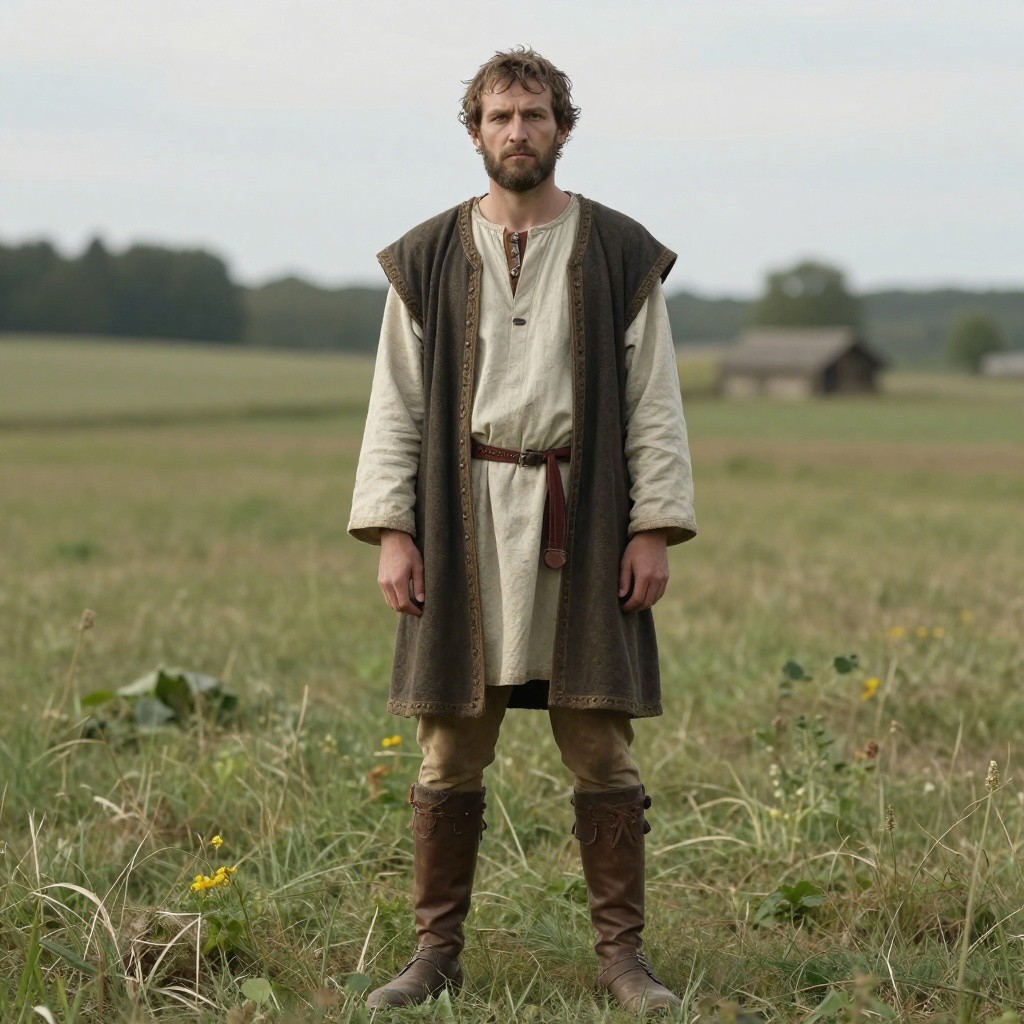
Portraits are AI-generated illustrations. Sample labels and accession IDs identify the reference records.

Portrait Sample Country Era Date Culture mtDNA Match
AI-generated illustrative portrait of Middle Late Avar-o Low East Asia individual, Rákóczifalva-Bagi-földek (Jász-Nagykun-Szolnok Coiunty, Szolnok), Hungary (650-800 CE)
Sample ID: RKF079
Hungary Hungary MiddleLateAvar 650-800 CE Avar U5b2 Direct
AI-generated illustrative portrait of Lazio Imperial Roman Roman individual, Monterotondo, Italy (27 BCE-300 CE)
Sample ID: R1549
Italy Imperial Rome 27 BCE - 300 CE Roman Empire U5b2b3-a1* Subclade
AI-generated illustrative portrait of England IA individual, Langton Herring (England, Dorset), United Kingdom (106 BCE-71 CE)
Sample ID: LTH01
United Kingdom England IA 106 calBCE - 71 calCE (2028±29 BP, UBA-29849) British Iron Age U5b2a2a Subclade
AI-generated illustrative portrait of Eurasian Nomadic individual, Republic of Bashkortostan. Baymak Distict. Temyaysovo-1 burial ground, Russia (129-321 CE)
Sample ID: tem001
Russia Russia LateSarmatian 129 CE - 321 CE Sarmatian Culture U5b2b Subclade
AI-generated illustrative portrait of Sarmatian individual, Republic of Bashkortostan. Baymak Distict. Temyaysovo-1 burial ground, Russia (129-321 CE)
Sample ID: tem001
Russia The Sarmatian Culture 129 CE - 321 CE U5b2b Subclade
AI-generated illustrative portrait of Eurasian Nomadic individual, Republic of Bashkortostan. Baymak Distict. Temyaysovo-1 burial ground, Russia (131-336 CE)
Sample ID: tem003
Russia Russia LateSarmatian 131 CE - 336 CE Sarmatian Culture U5b2b Subclade
AI-generated illustrative portrait of Sarmatian individual, Republic of Bashkortostan. Baymak Distict. Temyaysovo-1 burial ground, Russia (131-336 CE)
Sample ID: tem003
Russia The Sarmatian Culture 131 CE - 336 CE U5b2b Subclade
AI-generated illustrative portrait of Imperial Roman individual, Viminacium-Vise-Grobalja (Braničevo District, Požarevac Municipality, Kostolac), Serbia (207-326 CE)
Sample ID: I15520
Serbia Serbia Roman 207-326 calCE (1810±20 BP, PSUAMS-9559) Roman Provincial U5b2b Subclade
AI-generated illustrative portrait of Nomadic Steppe Cultures individual, Tian Shan. Central Steppe, Kyrgyzstan (266-539 CE)
Sample ID: DA69
Kyrgyzstan The Hun Period in Kyrgyzstan 266 CE - 539 CE Hunnic Period U5b2a1a2 Subclade
AI-generated illustrative portrait of Hun individual, Tian Shan. Central Steppe, Kyrgyzstan (266-539 CE)
Sample ID: DA69
Kyrgyzstan The Huns 266 CE - 539 CE U5b2a1a2 Subclade
MATERNAL LINEAGE · ANCIENT DNA

Ancient lineage evidence map

Follow parent clades toward this branch and explore where ancient carriers were found.

Loading ancient observations…

Markers are archaeological find locations. A dashed connector is an uncertain, proposed geographic transition between consecutive branches supported by multiple dated observations; it is not an exact travel route, birthplace or proof of direct descent. Parent-clade samples may belong to other descendant branches. Gaps remain where evidence is insufficient. Sample dates differ from haplogroup formation dates.
Reference profile

Carrier Distribution Map
Geographic distribution of 100 ancient DNA samples (direct and subclade carriers of U5B2)

Direct carrier Subclade carrier
Time Period Filter
All Time Periods
Showing all samples
Reference profile

Temporal Distribution

Distribution of carriers across archaeological periods

Reference profile

Geographic Distribution

Counts by recorded sample country. These reflect the available reference selection, not population frequencies.

Reference profile

Country × Era Distribution

Compare recorded sample counts across countries and archaeological periods. Select a populated cell to inspect a sample.

Data

Data & Provenance

Source information and data quality

Last Updated 2026-02-16
Confidence Score 50/100
Coverage Low

Data Source

Classification, estimated dates and geographic context reflect the recorded reference data and may change as evidence is revised. Sample coverage is uneven; recorded locations and archaeological associations do not establish personal origin or cultural identity.

A haplogroup follows one maternal or paternal line. The branch prediction depends on which markers the DNA file contains. How our analysis works