mtDNA · Maternal lineage

U5B3

mtDNA Haplogroup U5B3

A reference profile for one lineage branch. Shared haplogroups do not establish a family relationship or cultural identity.

Reference profile

Branch background

Historical context for mtDNA lineage branch U5B3

Origins and Evolution

mtDNA haplogroup U5B3 is a derived branch of parent haplogroup U5b, itself a subclade of the deep-rooted European lineage U5. U5 lineages are among the oldest mitochondrial lineages in Europe and were carried by Palaeolithic and Mesolithic hunter-gatherers. U5B3 likely arose in the post‑glacial period as human populations expanded northward and reoccupied Europe following the Last Glacial Maximum. Based on its phylogenetic position as a subclade of U5b and comparison with coalescence estimates for neighboring U5 branches, a plausible origin time is in the early-to-middle Holocene (on the order of ~7 kya), consistent with growth and regional differentiation in postglacial refugia such as the Italian or Iberian peninsulas.

Subclades

High-resolution mitogenome studies and public phylogenies indicate limited internal substructure within U5B3 compared with some other U5 branches; small derived branches have been reported in whole-mtGenome analyses and ancient DNA screening. Because U5B3 is relatively rare, its subclades tend to be low-frequency and regionally restricted. When present, subclades of U5B3 can be useful for tracing localized maternal line continuity in archaeological contexts, but the rarity of the haplogroup means many apparent sublineages are defined from only a handful of modern or ancient samples.

Geographical Distribution

U5B3 has a concentrated but patchy modern and ancient distribution across Europe. It appears most frequently in parts of Southern Europe (especially Italy and the Iberian Peninsula) and has lower, scattered occurrences in Western, Central and portions of Northern Europe. Small numbers of occurrences have also been documented in Eastern Europe, the Caucasus, and at very low frequency in North Africa, consistent with prehistoric and historic gene flow across the Mediterranean. Ancient DNA finds (tens of identified ancient samples in compiled databases) show U5B3 in archaeological contexts spanning the postglacial and later prehistoric periods, supporting a long-term, low-frequency presence in European maternal gene pools.

Historical and Cultural Significance

Because U5B3 derives from the broader U5b/U5 lineage that dominated European hunter-gatherer maternal pools, it is often interpreted as part of the postglacial hunter-gatherer legacy surviving interaction with incoming Neolithic farmers. U5B3 is not a hallmark of Neolithic farmer demography; instead, its persistence reflects maternal continuity and admixture between indigenous forager groups and later arrivals. In archaeological genetics, U5B3 can therefore signal localized continuity or survival of Mesolithic-derived maternal lines into the Neolithic and Bronze Age, sometimes showing up alongside typical farmer-associated mtDNA lineages. It is rarely a dominant signal in major steppe-associated events (e.g., Yamnaya expansions), although low-frequency retention or re-introduction via complex demographic processes is possible.

Conclusion
U5B3 is a rare, regionally informative mtDNA subclade derived from U5b that likely originated in postglacial Europe, with a distribution that points to southern/western refugial origins and later patchy spread across Europe. Its scarcity makes it less prominent in broad demographic reconstructions, but when identified in modern or ancient samples it provides evidence for maternal continuity and local demographic histories within Europe.

Key Points

  • Origins and Evolution
  • Subclades
  • Geographical Distribution
  • Historical and Cultural Significance
  • Conclusion
Reference profile

Tree & Relationships

Phylogenetic context and subclades

Evolution Path

Follow the recorded parent branches toward U5B3. Dates are estimates and can change as reference data is revised.

Steps Haplogroup Age Estimate Archaeology Era Time Passed Immediate Descendants Tested Modern Descendants Ancient Connections
1 U5B3 Current ~7,000 years ago Neolithic 7,000 years 5 46 0
2 U5b ~22,000 years ago Mesolithic 22,000 years 3 654 140
3 U5A'B - - - 2 1,339 0
4 U5 ~35,000 years ago Paleolithic 35,000 years 1 1,339 142
5 U ~46,000 years ago Paleolithic 46,000 years 5 5,557 110
6 R ~55,000 years ago Paleolithic 55,000 years 17 22,830 57
7 NA - - - 1 22,830 0
8 N ~60,000 years ago Paleolithic 60,000 years 16 26,150 13
9 L3 ~70,000 years ago Paleolithic 70,000 years 7 30,162 6
10 L3'4 - - - 2 30,212 0
11 L3'4'6 - - - 2 30,216 0
12 L2'3'4'6 - - - 2 31,333 0
13 L2'3'4'5'6'7 - - - 2 31,349 0
14 L1'2'3'4'5'6'7 - - - 2 31,852 0
15 L ~160,000 years ago Paleolithic 160,000 years 2 32,236 5

Siblings (2)

Other branches from the same parent haplogroup

Reference profile

Where in the World

Geographic distribution and modern presence

Recorded origin

Southern/Western Europe (Mediterranean refugia)

Modern Distribution

The populations where mtDNA haplogroup U5B3 is found include:

  1. Southern European populations (Italy, Iberian Peninsula)
  2. Western and Central European populations
  3. Northern European populations at low frequency (including some Scandinavian contexts)
  4. Eastern European populations at low frequency
  5. Caucasus region (sporadic occurrences)
  6. North African populations (very low frequency, likely secondary introductions)
Historical context

A branch through time

Estimated formation in a broad historical timeline. Period markers provide context and do not imply a connection with particular cultures.

  1. ~10k years ago

    Neolithic Revolution

    Agriculture begins, settled communities form

  2. ~7k years ago

    Haplogroup U5B3

    Estimated formation of this mtDNA branch; dates and locations are reference estimates.

    This branch
  3. ~5k years ago

    Bronze Age

    Metalworking, writing, and early civilizations

  4. ~3k years ago

    Iron Age

    Iron tools, expanded trade networks

  5. ~2.5k years ago

    Classical Antiquity

    Greek and Roman civilizations flourish

  6. Present

    Present Day

    Modern era

Reference profile

Archaeological context

Recorded archaeological associations for mtDNA branch U5B3

Recorded associations

These labels describe archaeological contexts recorded for reference samples linked to U5B3. An association does not establish that all carriers belonged to a culture or followed a particular migration route.

Baalberge Culture Castelnovian Culture Danish Early Neolithic French Neolithic Iberian Neolithic Italian Epigravettian Late Mesolithic Sicilian Middle Neolithic French Rossberga Culture Wartberg
Culture assignments are based on archaeological context of ancient DNA samples and may represent regional associations during specific time periods.
Reference profile

Sample Catalog

38 direct carriers and 24 subclade carriers of haplogroup U5B3

10 shown · 50 matching samples

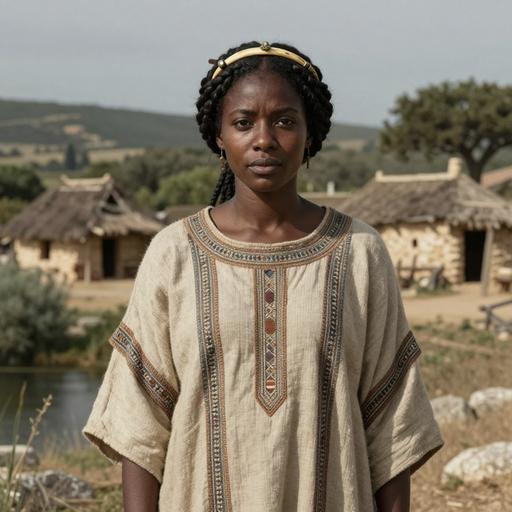
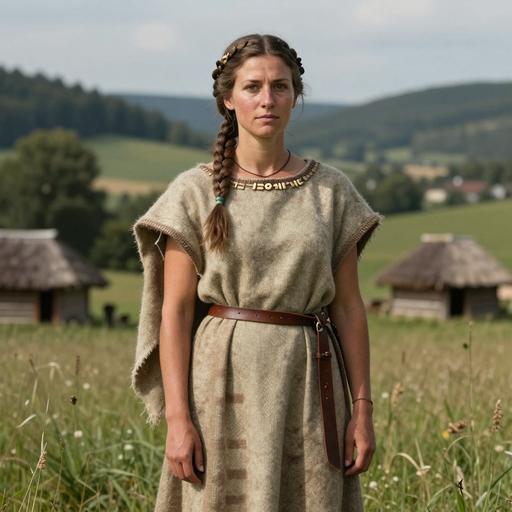
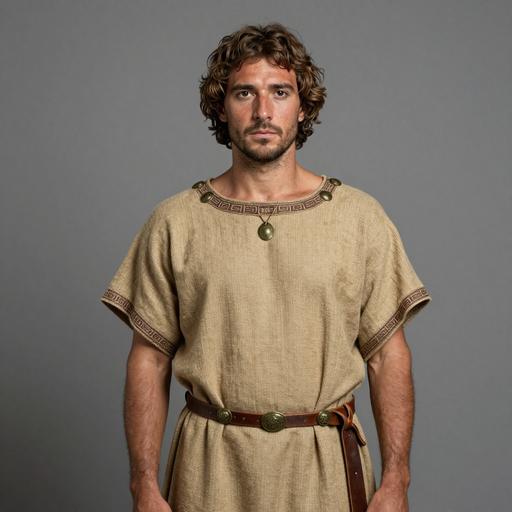
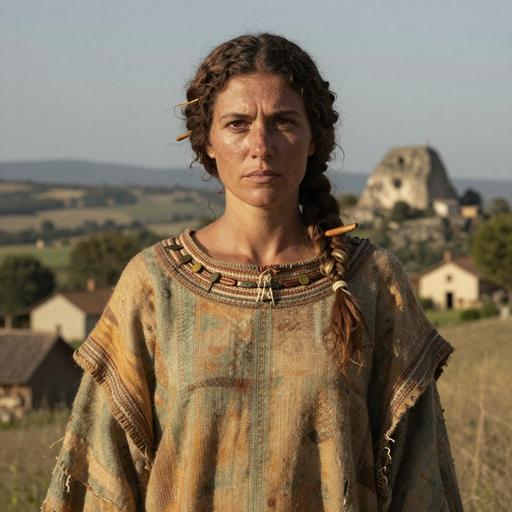
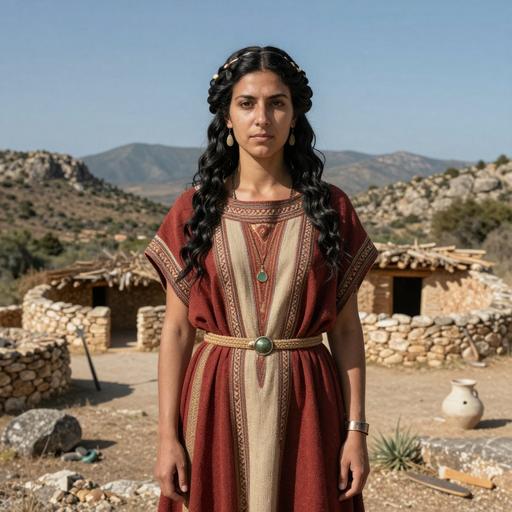
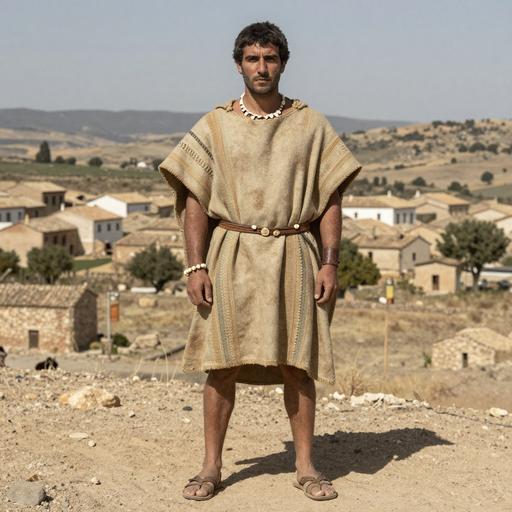
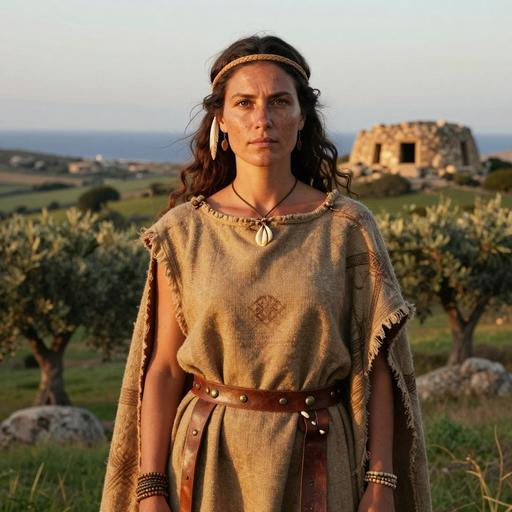
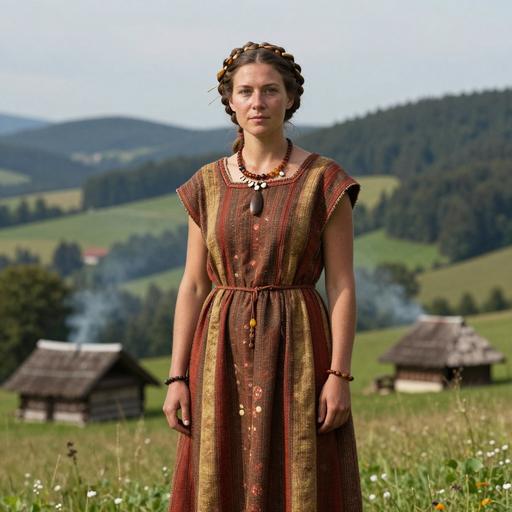
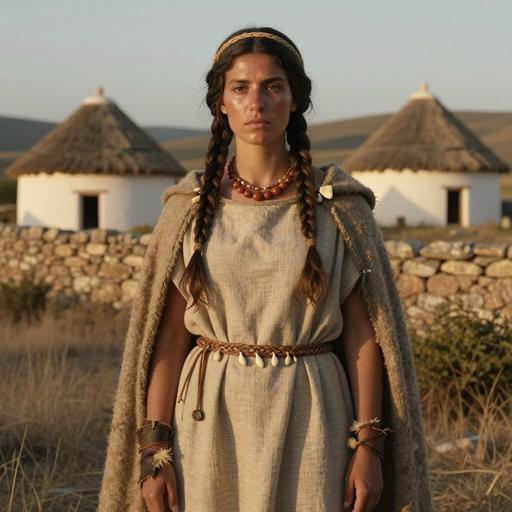
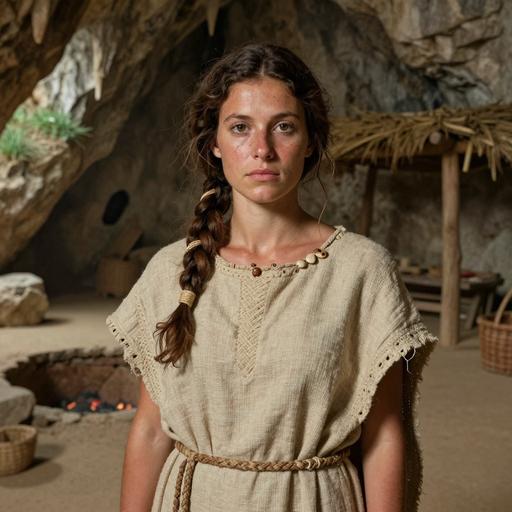
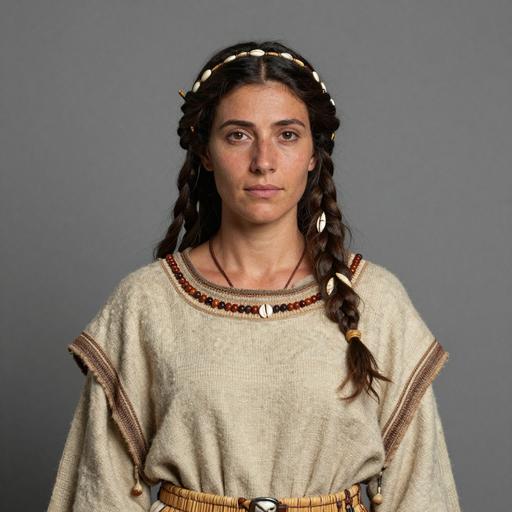
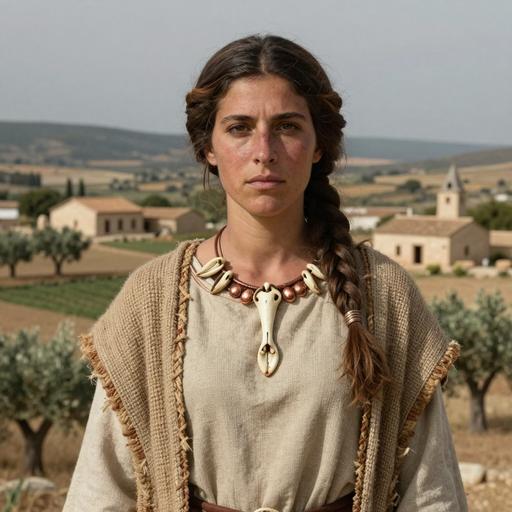
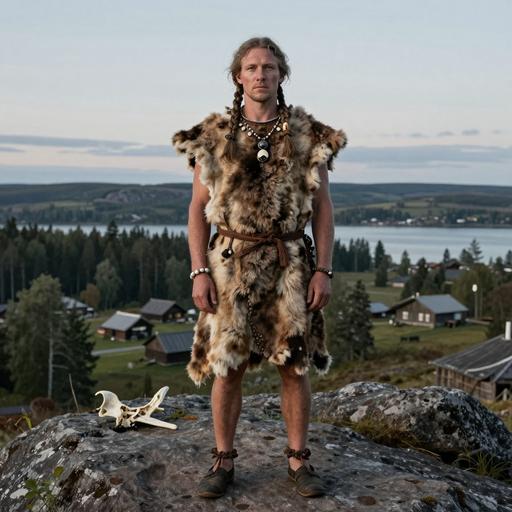
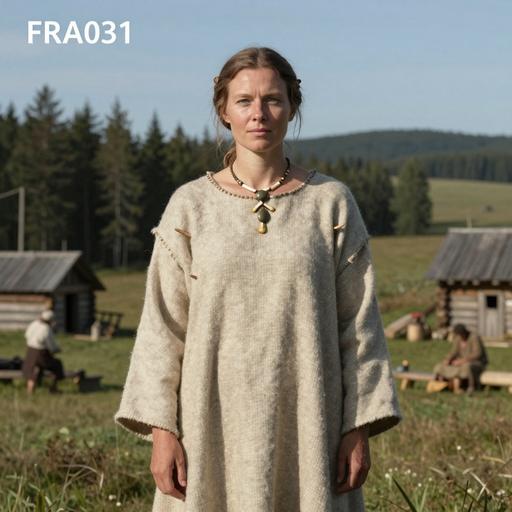
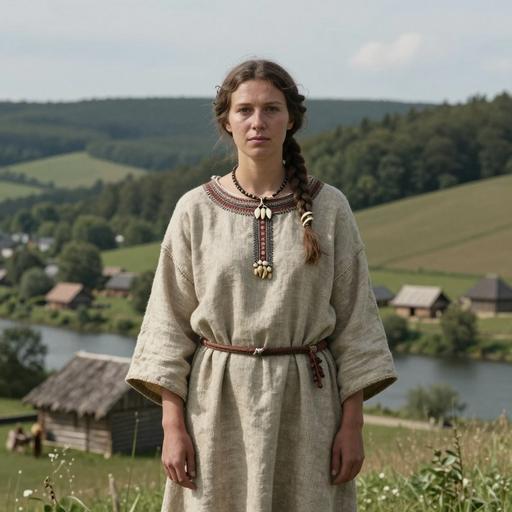
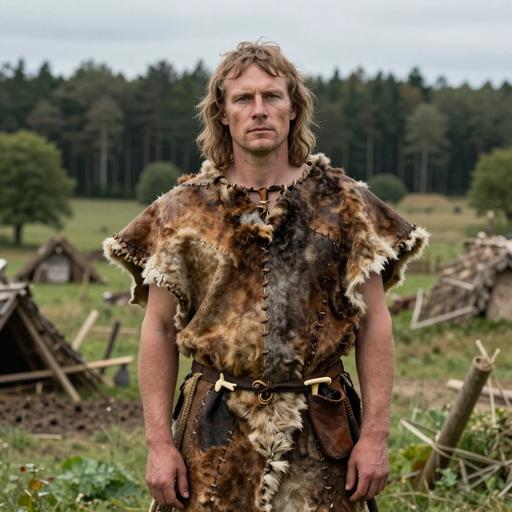
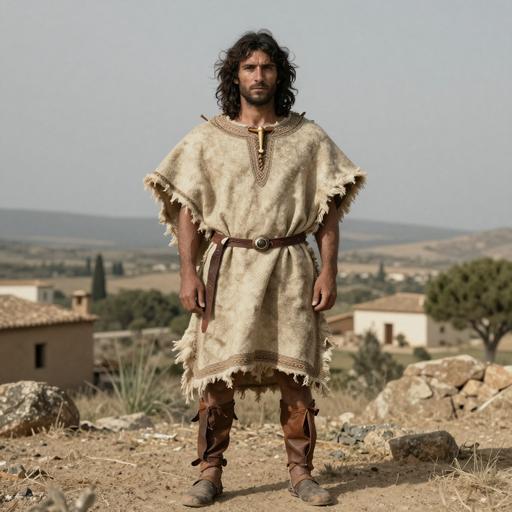
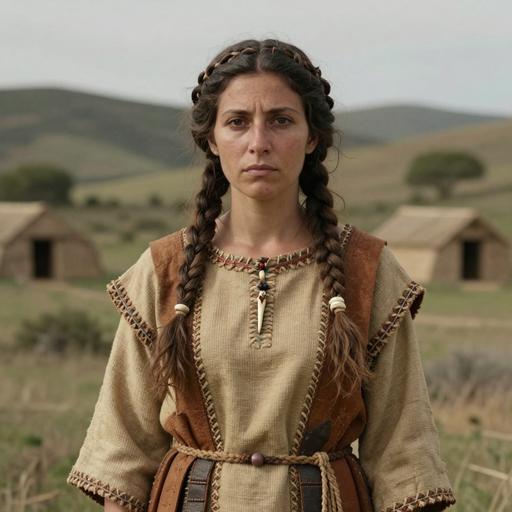
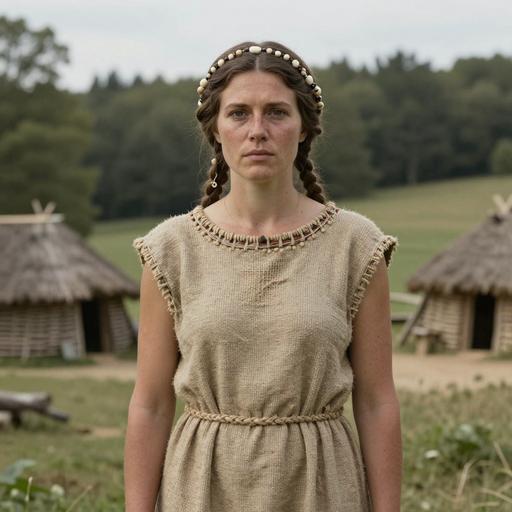
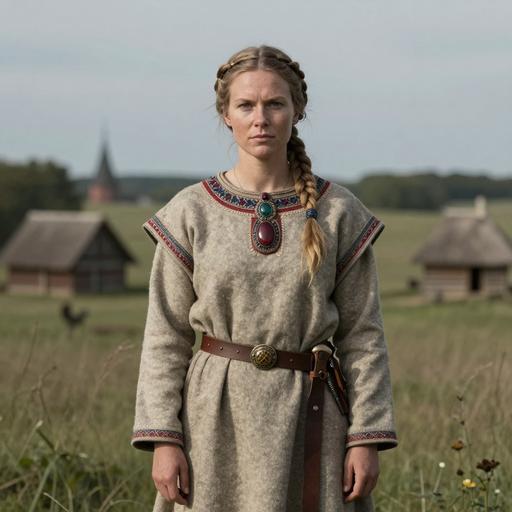
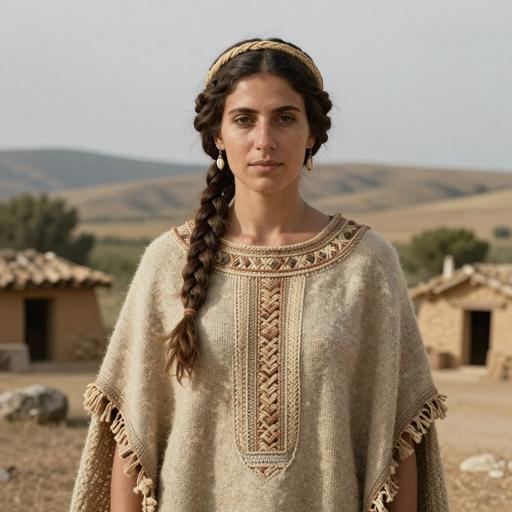
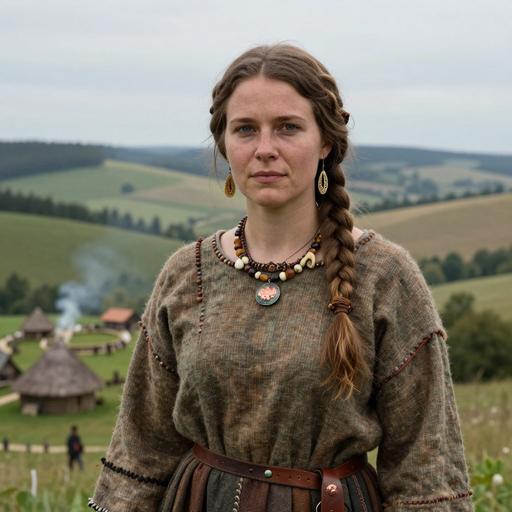
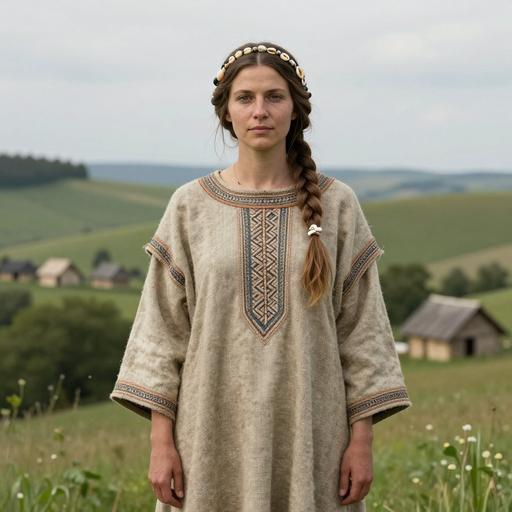
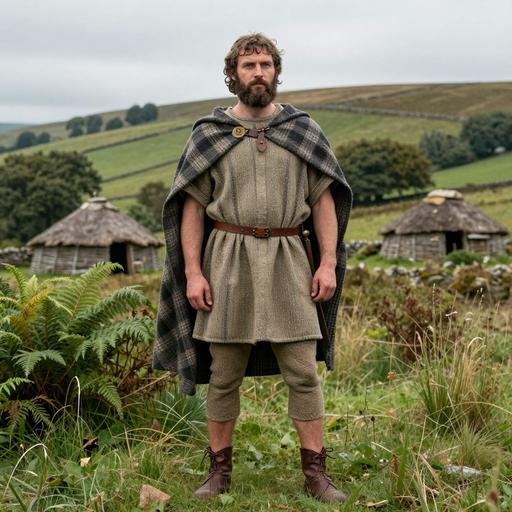
Portraits are AI-generated illustrations. Sample labels and accession IDs identify the reference records.

Portrait Sample Country Era Date Culture mtDNA Match
AI-generated illustrative portrait of Occitanie IA individual, Le Peyrou-2 (Occitanie Region, Hérault Department, Béziers arrondissement, Agde), France (200-150 BCE)
Sample ID: PEY73
France Iron Age Culture of Hérault 200-150 BCE Hérault Culture U5b3 Direct
AI-generated illustrative portrait of Late Archaic Classical Hellenistic individual, Girona. Empuries. necropolis Centre de Visitants, Spain (500-350 BCE)
Sample ID: I8210
Spain Greek Period Spain 500-350 BCE Hellenic Iberian U5b3 Direct
AI-generated illustrative portrait of Scotland MBA individual, Scotland. Longniddry. Evergreen, United Kingdom (1,419-1,261 BCE)
Sample ID: I2654
United Kingdom Scotland MBA 1419-1261 calBCE (3074±29 BP, SUERC-75917) Scottish Bronze Age U5b3 Direct
AI-generated illustrative portrait of England MBA-ohigh EEF individual, England. Wiltshire. Amesbury Down, United Kingdom (1,495-1,286 BCE)
Sample ID: I2458
United Kingdom England MBA 1495-1286 calBCE (3122±34 BP, SUERC-49182) British Middle Bronze Age U5b3 Direct
AI-generated illustrative portrait of Oberottmarshausen Kiesgrube Lauter MBA individual, Oberottmarshausen - Kiesgrube Lauter, Germany (1,622-1,461 BCE)
Sample ID: OTTM_84
Germany Middle Bronze Age Lech Valley, Germany 1622-1461 calBCE (3283±32 BP, MAMS-21543) Lech Valley Culture U5b3 Direct
AI-generated illustrative portrait of Atlantic Bronze Age individual, Monte do Gato de Cima 3, Portugal (1,728-1,520 BCE)
Sample ID: MonteGato104
Portugal Portugal MBA 1728 BCE - 1520 BCE Portuguese Bronze U5b3 Direct
AI-generated illustrative portrait of Iberia Ba individual, Monte do Gato de Cima 3, Portugal (1,728-1,520 BCE)
Sample ID: MonteGato104
Portugal Bronze Age Iberia 1728 BCE - 1520 BCE U5b3 Direct
AI-generated illustrative portrait of Occitanie Aude LN EMBA individual, La Clape. Grotte Basse de la Vigne Perdue, France (1,737-1,547 BCE)
Sample ID: GBVPO
France Late Neolithic to Early-Middle Bronze Age La Clape, France 1737-1547 calBCE (3360±15 BP, UCAIMS-223210) La Clape Culture U5b3 Direct
AI-generated illustrative portrait of BA individual, Murcia. Pliego. La Almoloya, Spain (1,750-1,550 BCE)
Sample ID: ALM080
Spain The Argaric Culture of Spain 1750-1550 BCE El Argar U5b3 Direct
AI-generated illustrative portrait of EBA individual, Madrid. Humanejos, Spain (1,880-1,691 BCE)
Sample ID: I6618
Spain Spain EBA 1880-1691 calBCE (3458±24 BP, MAMS-32475) Early Bronze Age Iberian U5b3 Direct
MATERNAL LINEAGE · ANCIENT DNA

Ancient lineage evidence map

Follow parent clades toward this branch and explore where ancient carriers were found.

Loading ancient observations…

Markers are archaeological find locations. A dashed connector is an uncertain, proposed geographic transition between consecutive branches supported by multiple dated observations; it is not an exact travel route, birthplace or proof of direct descent. Parent-clade samples may belong to other descendant branches. Gaps remain where evidence is insufficient. Sample dates differ from haplogroup formation dates.

Reference profile

Carrier Distribution Map
Geographic distribution of 62 ancient DNA samples (direct and subclade carriers of U5B3)

Direct carrier Subclade carrier
Time Period Filter
All Time Periods
Showing all samples
Reference profile

Temporal Distribution

Distribution of carriers across archaeological periods

Reference profile

Geographic Distribution

Counts by recorded sample country. These reflect the available reference selection, not population frequencies.

Reference profile

Country × Era Distribution

Compare recorded sample counts across countries and archaeological periods. Select a populated cell to inspect a sample.

Data

Data & Provenance

Source information and data quality

Last Updated 2026-02-16
Confidence Score 50/100
Coverage Low

Data Source

Classification, estimated dates and geographic context reflect the recorded reference data and may change as evidence is revised. Sample coverage is uneven; recorded locations and archaeological associations do not establish personal origin or cultural identity.

A haplogroup follows one maternal or paternal line. The branch prediction depends on which markers the DNA file contains. How our analysis works