Menu
mtDNA Haplogroup • Maternal Lineage

U5B2A2

mtDNA Haplogroup U5B2A2

~9,000 years ago
Western / Northern Europe
3 subclades
Scroll to explore
Chapter I

The Story

The journey of mtDNA haplogroup U5B2A2

Origins and Evolution

mtDNA haplogroup U5B2A2 sits downstream of U5B2A within the broader U5 clade, a lineage deeply associated with Late Glacial and Mesolithic hunter-gatherer populations of Europe. U5 as a whole dates to the Upper Paleolithic, but the U5B2A branch has a much shallower time depth, with U5B2A proposed around the onset of the Holocene (~11 kya) and U5B2A2 plausibly arising in the Early Holocene (approximately 8–10 kya). The phylogenetic placement of U5B2A2 within U5 indicates descent from maternal lineages that expanded locally in post-glacial refugia in Western and Northern Europe and persisted through the Mesolithic into later periods.

Genetic evidence from ancient DNA (21 identified ancient samples in the user's database) supports the interpretation that U5B2A2 was present in archaeological contexts across northwestern and northern Europe and was carried forward into subsequent cultural horizons at low to moderate frequency.

Subclades

U5B2A2 is a subclade of U5B2A; depending on ongoing sequencing and phylogenetic refinement, further downstream branches may be defined by private mutations found in ancient or modern mitogenomes. Compared with its parent U5B2A, U5B2A2 represents a more restricted and later-diverging lineage. Continued mitogenome sequencing of both modern and ancient samples is likely to reveal finer substructure (e.g., regional subbranches) and help resolve whether U5B2A2 diversified locally in multiple refugial zones or represents one principal expansion pulse.

Geographical Distribution

U5B2A2 shows a pattern typical of many U5-derived lineages: highest concentrations or clearer signal in northern and western Europe, with lower-frequency, sporadic occurrences further to the east, in parts of Central Europe, and occasionally beyond Europe (North Africa, Anatolia/Caucasus). The presence of U5B2A2 in both ancient and modern northern populations (including some indigenous groups such as the Saami) points to long-term maternal-line continuity in high-latitude regions, while low-frequency appearances in the Balkans, Anatolia or North Africa can be parsimoniously explained by later gene flow, small-scale migrations, or trade-mediated movement of individuals.

Historical and Cultural Significance

Because U5B2A2 descends from the Mesolithic-associated U5 family, it is frequently interpreted as a marker—one of many—of pre-Neolithic hunter-gatherer maternal ancestry in Europe. Its persistence into later archaeological cultures indicates interaction between indigenous hunter-gatherers and incoming farmer or pastoralist groups rather than wholesale replacement of maternal lineages in all regions. Archaeogenetic studies have repeatedly shown that U5 lineages often remain detectable at low to moderate levels through the Neolithic and Bronze Age in Europe, and U5B2A2 fits this pattern.

The haplogroup's association with northern populations (including Saami and some Scandinavians) has cultural resonance because it tracks maternal continuity in regions where Mesolithic ancestry components remained relatively high. Conversely, its sporadic detection in regions like North Africa or Anatolia likely reflects isolated admixture events or backflow rather than a primary center of origin.

Conclusion

U5B2A2 is a locally derived Early Holocene maternal lineage within the U5 family that documents the survival and regional persistence of Mesolithic maternal ancestry in northern and western Europe. It is relatively uncommon today but measurable in certain populations and well-attested in multiple ancient samples, making it a useful marker for studies of post-glacial population dynamics, hunter-gatherer persistence, and admixture with incoming Neolithic and later groups.

Key Points

  • Origins and Evolution
  • Subclades
  • Geographical Distribution
  • Historical and Cultural Significance
  • Conclusion
Chapter II

Tree & Relationships

Phylogenetic context and subclades

Evolution Path

This haplogroup's evolutionary journey from its earliest ancestor to the present.

Steps Haplogroup Age Estimate Archaeology Era Time Passed Immediate Descendants Tested Modern Descendants Ancient Connections
1 U5B2A2 Current ~9,000 years ago 🌾 Neolithic 9,000 years 3 28 0
2 U5B2A ~11,000 years ago 🌾 Neolithic 11,000 years 5 100 34
3 U5B2 ~12,000 years ago 🌾 Neolithic 12,000 years 5 290 0
4 U5b ~9,000 years ago 🌾 Neolithic 9,000 years 3 495 140
5 U ~46,000 years ago 🦴 Paleolithic 46,000 years 12 2,835 110
6 R ~60,000 years ago 🦴 Paleolithic 60,000 years 12 10,987 57
7 N ~60,000 years ago 🦴 Paleolithic 60,000 years 15 15,452 13
8 L3 ~70,000 years ago 🦴 Paleolithic 70,000 years 11 17,621 6
9 L ~160,000 years ago 🦴 Paleolithic 160,000 years 7 18,987 5

Siblings (4)

Other branches from the same parent haplogroup

Chapter III

Where in the World

Geographic distribution and modern presence

Place of Origin

Western / Northern Europe

Modern Distribution

The populations where mtDNA haplogroup U5B2A2 is found include:

  1. Western European populations
  2. Northern European populations (including Saami and other indigenous groups)
  3. Central European populations
  4. Eastern European populations
  5. North African populations (low frequency, sporadic)
  6. Caucasus and Anatolia (low frequency, sporadic)
CHAPTER IV

When in Time

Your haplogroup in the context of human history

~10k years ago

Neolithic Revolution

Agriculture begins, settled communities form

~9k years ago

Haplogroup U5B2A2

Your mtDNA haplogroup emerged in Western / Northern Europe

Western / Northern Europe
~5k years ago

Bronze Age

Metalworking, writing, and early civilizations

~3k years ago

Iron Age

Iron tools, expanded trade networks

~2k years ago

Classical Antiquity

Greek and Roman civilizations flourish

Present

Present Day

Modern era

Your Haplogroup
Historical Era
Chapter IV-B

Linked Cultures

Ancient cultures associated with mtDNA haplogroup U5B2A2

Cultural Heritage

These ancient cultures have been linked to haplogroup U5B2A2 based on matching ancient DNA samples from archaeological excavations. The presence of this haplogroup in these cultures provides insights into the migrations and population movements of populations carrying this haplogroup.

Ajvide Culture Blatterhohle Corded Ware Funnel Beaker Västerbjers Culture
Culture assignments are based on archaeological context of ancient DNA samples and may represent regional associations during specific time periods.
Chapter V

Sample Catalog

21 direct carriers and 10 subclade carriers of haplogroup U5B2A2

31 / 31 samples
Portrait Sample Country Era Date Culture mtDNA Match
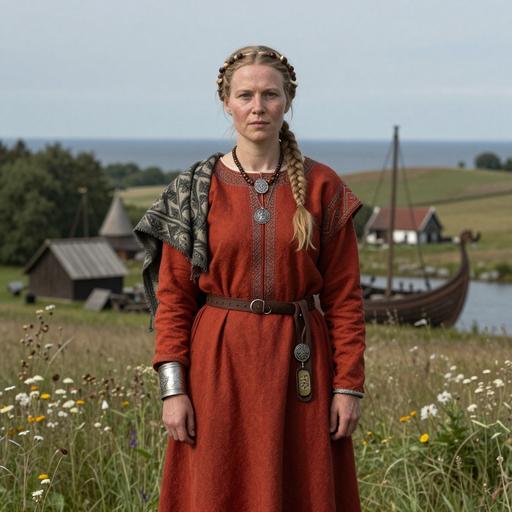
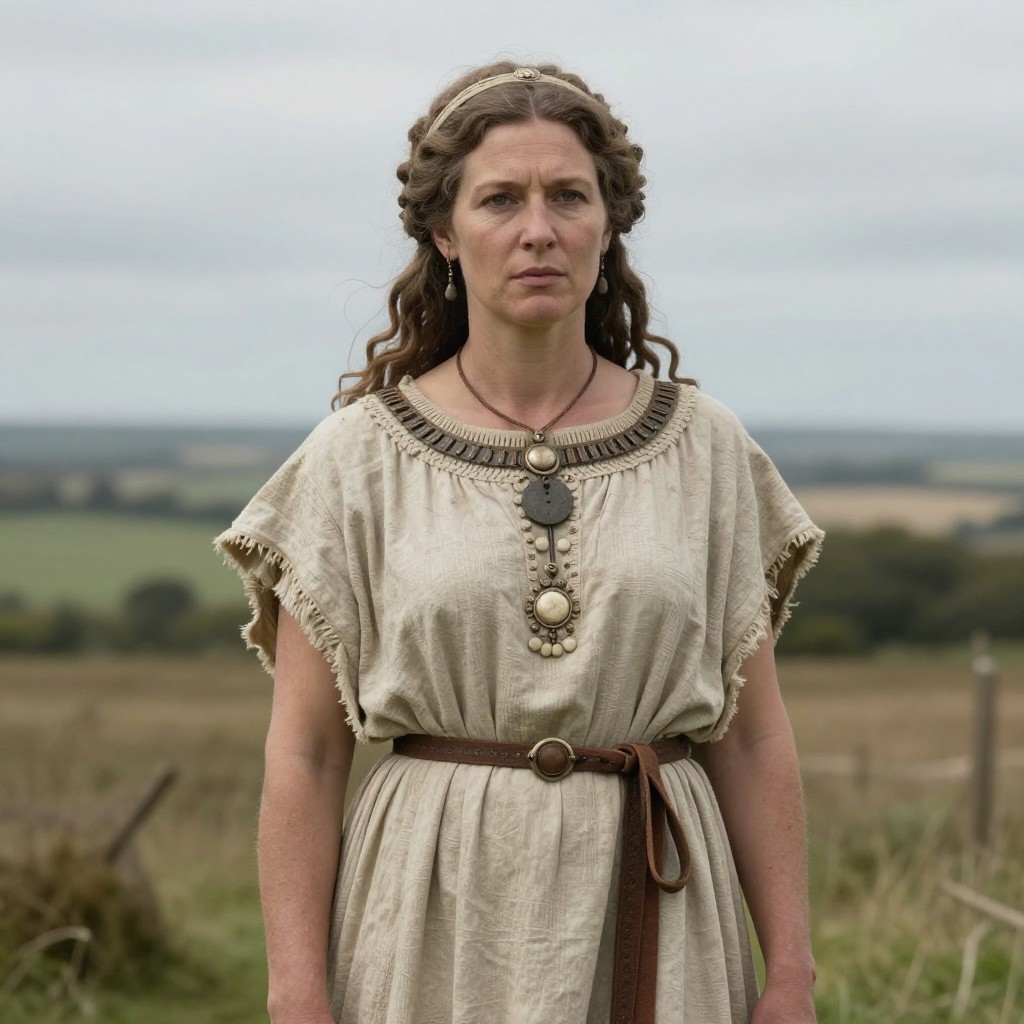
Portrait of ancient individual VK434 from Sweden, dated 900 CE - 1050 CE
VK434
Sweden Viking Age Sweden 900 CE - 1050 CE Viking U5b2a2 Direct
Portrait of ancient individual VK434 from Sweden, dated 900 CE - 1050 CE
VK434
Sweden The Viking Age 900 CE - 1050 CE U5b2a2 Direct
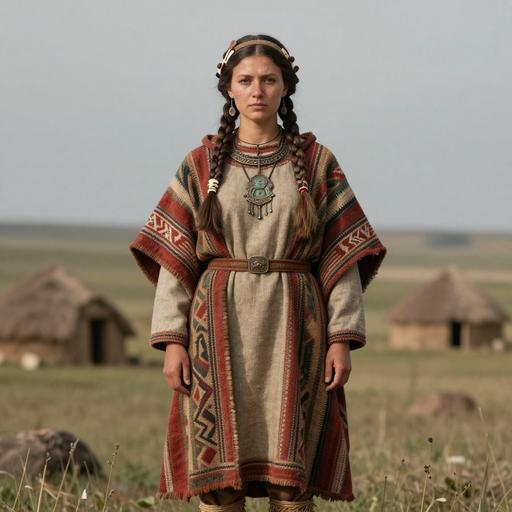
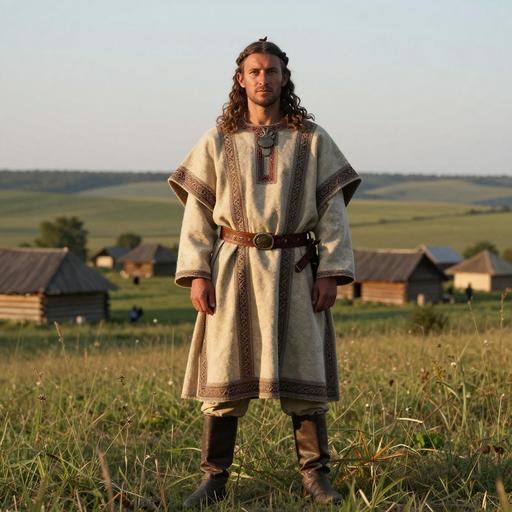
Portrait of ancient individual kzb004 from Russia, dated 1872 BCE - 1620 BCE
kzb004
Russia Srubnaya-Alakul Culture, Russia 1872 BCE - 1620 BCE Srubnaya-Alakul U5b2a2 Direct
Portrait of ancient individual kzb004 from Russia, dated 1872 BCE - 1620 BCE
kzb004
Russia The Srubnaya Culture 1872 BCE - 1620 BCE U5b2a2 Direct
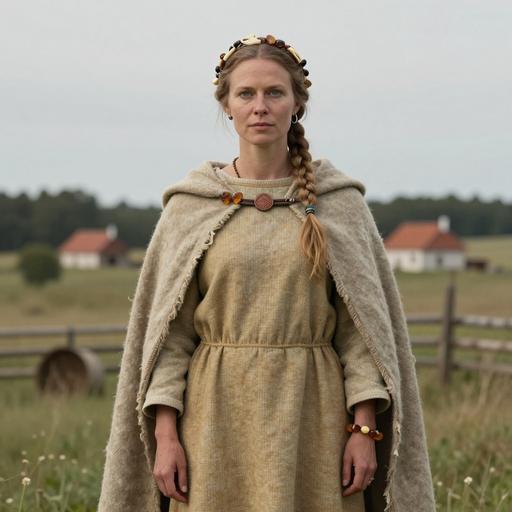
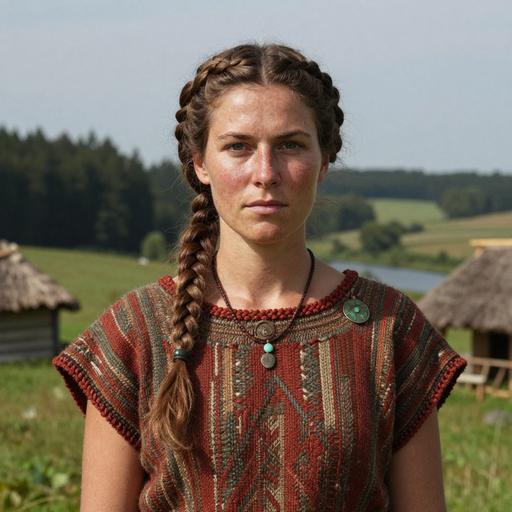
Portrait of ancient individual rath2 from Ireland, dated 2026 BCE - 1700 BCE
rath2
Ireland Early Bronze Age Ireland 2026 BCE - 1700 BCE Irish Bronze Age U5b2a2 Direct
Portrait of ancient individual rath2 from Ireland, dated 2026 BCE - 1700 BCE
rath2
Ireland Early Bronze Age Britain 2026 BCE - 1700 BCE U5b2a2 Direct
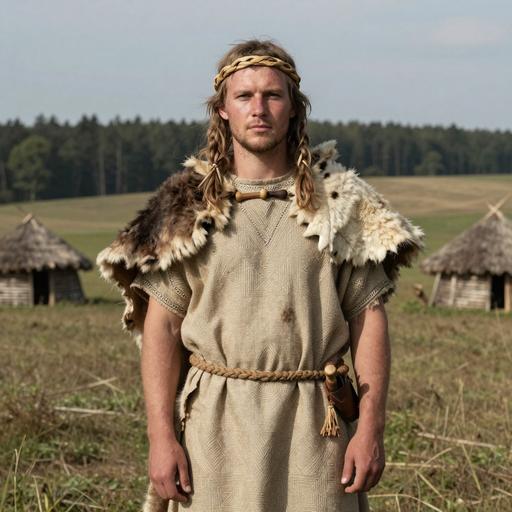
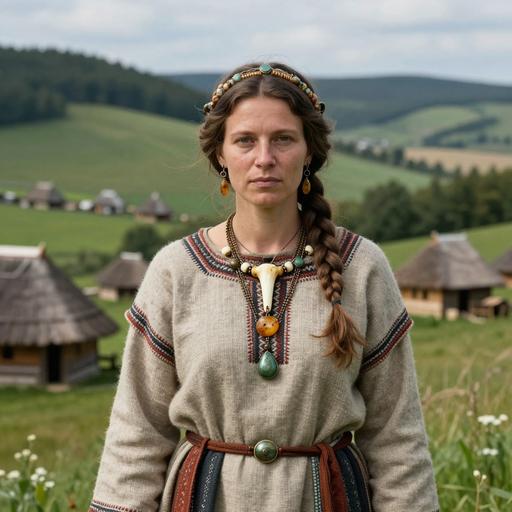
Portrait of ancient individual N47 from Poland, dated 2600 BCE - 2250 BCE
N47
Poland Corded Ware Culture, Poland 2600 BCE - 2250 BCE Corded Ware U5b2a2 Direct
Portrait of ancient individual N47 from Poland, dated 2600 BCE - 2250 BCE
N47
Poland The Corded Ware Culture 2600 BCE - 2250 BCE U5b2a2 Direct
Portrait of ancient individual vbj004 from Sweden, dated 2894 BCE - 2583 BCE
vbj004
Sweden Pitted Ware and Battle Axe Culture Västerbjers, Gotland, Sweden 2894 BCE - 2583 BCE Västerbjers Culture U5b2a2 Direct
Portrait of ancient individual vbj004 from Sweden, dated 2894 BCE - 2583 BCE
vbj004
Sweden The Pitted Ware Culture 2894 BCE - 2583 BCE U5b2a2 Direct
Chapter VI

Carrier Distribution Map

Geographic distribution of 31 ancient DNA samples (direct and subclade carriers of U5B2A2)

Direct carrier Subclade carrier
Time Period Filter
All Time Periods
Showing all samples
Chapter VII

Temporal Distribution

Distribution of carriers across archaeological periods

Chapter VIII

Geographic Distribution

Distribution by country of origin (direct and subclade carriers shown by default)

Chapter IX

Country × Era Distribution

Cross-tabulation of carrier countries and archaeological periods (direct and subclade carriers shown by default)

Data

Data & Provenance

Source information and data quality

Last Updated 2026-02-16
Confidence Score 50/100
Coverage Low
Data Source

We use the latest phylotree for MTDNA haplogroup classification and data.