A reference profile for one lineage branch. Shared haplogroups do not establish a family relationship or cultural identity.
Reference profile
Branch background
Historical context for mtDNA lineage branch X2BA
mtDNA haplogroup X2BA is a maternal lineage from the Phylotree reference tree. This record was auto-created to restore missing intermediate structure between existing clades. It is a subclade of X2BB.
Editorial status
This is a structural placeholder with low coverage. Enrich or reprocess for full narrative content.
Key Points
Editorial status
Reference profile
Tree & Relationships
Phylogenetic context and subclades
Evolution Path
Follow the recorded parent branches toward X2BA. Dates are estimates and can change as reference data is revised.
The populations where mtDNA haplogroup X2BA is found require further characterization through genetic studies.
Historical context
A branch through time
Estimated formation in a broad historical timeline. Period markers provide context and do not imply a connection with particular cultures.
A formation estimate is not recorded for this branch.
Reference profile
Archaeological context
Recorded archaeological associations for mtDNA branch X2BA
Recorded associations
These labels describe archaeological contexts recorded for reference samples linked to X2BA. An association does not establish that all carriers belonged to a culture or followed a particular migration route.
Bükk GroupBulgarian NeolithicFrench NeolithicGreek NeolithicLengyel CultureLinear Pottery CultureMiddle Neolithic French
Culture assignments are based on archaeological context of ancient DNA samples and may represent regional associations during specific time periods.
Reference profile
Sample Catalog
30 direct carriers of haplogroup X2BA
10 shown · 30 matching samples
No samples match these filters. Try another label, location or period.
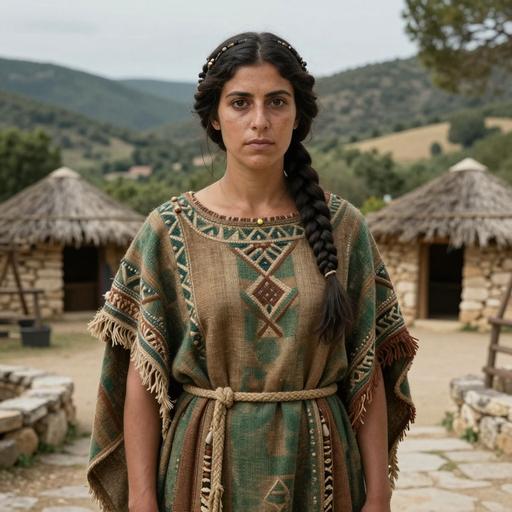
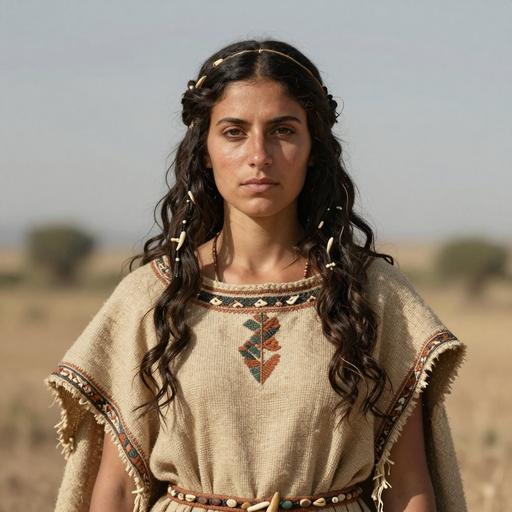
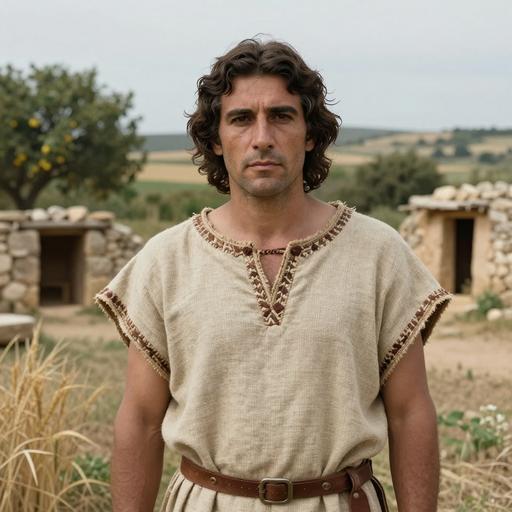
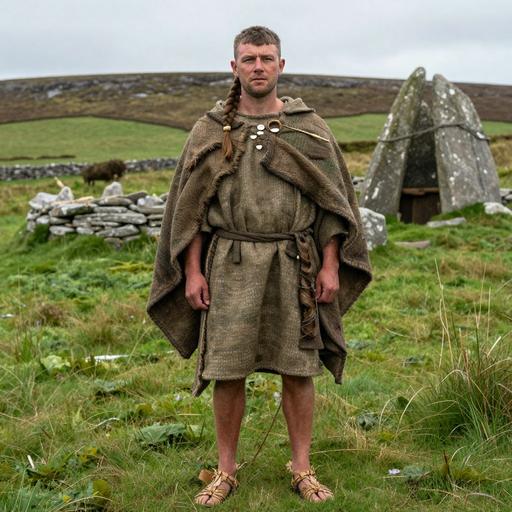
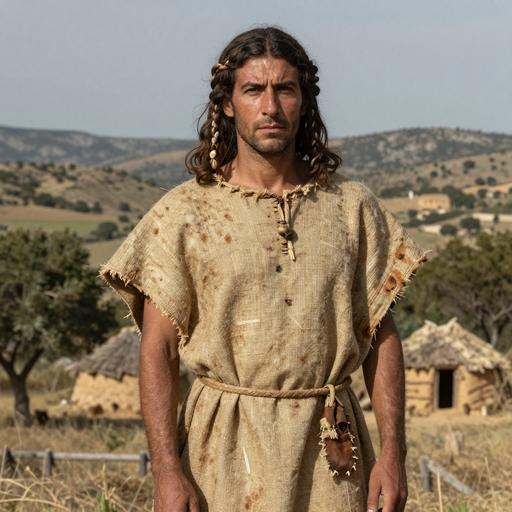
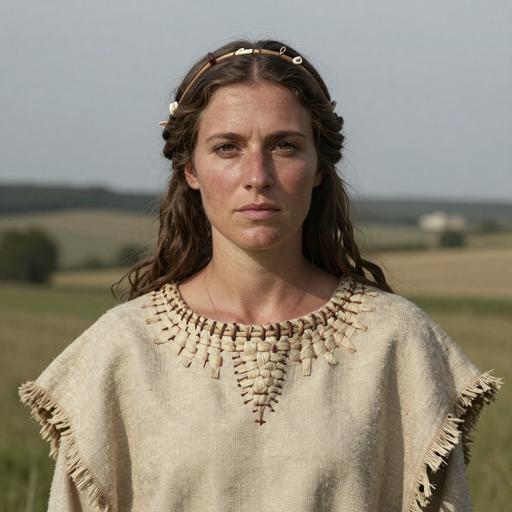
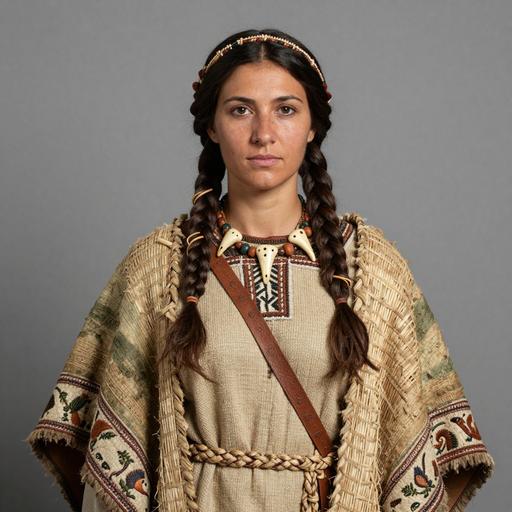
Portraits are AI-generated illustrations. Sample labels and accession IDs identify the reference records.
Hungary Middle Neolithic Central Europe 5286 BCE - 5015 BCE
X2b-aDirect
Sample ID: I1499
Hungary MN ALPc Bukk.SG - Garadna
Hungary Middle Neolithic Central Europe 5286 BCE - 5015 BCE
X2b-aDirect
MATERNAL LINEAGE · ANCIENT DNA
Ancient lineage evidence map
Follow parent clades toward this branch and explore where ancient carriers were found.
Loading ancient observations…
Reduced motion is enabled. Use the timeline or Show all to explore at your own pace.
Read observations as a table
Displayed ancient observations by branch, period and date midpoint
Branch
Period
Date range
Sample
Sample ID
Location
Haplogroup
Relationship
Markers are archaeological find locations. A dashed connector is an uncertain, proposed geographic transition between consecutive branches supported by multiple dated observations; it is not an exact travel route, birthplace or proof of direct descent. Parent-clade samples may belong to other descendant branches. Gaps remain where evidence is insufficient. Sample dates differ from haplogroup formation dates.
Grouping by historical period reflects when each ancient individual lived, combined across every branch on this lineage chain; it is not a migration sequence or a personal timeline between periods.
Reference profile
Carrier Distribution Map
Geographic distribution of 30 ancient DNA samples (direct and subclade carriers of X2BA)
Direct carrier
Time Period Filter
All Time Periods
Showing all samples
Reference profile
Temporal Distribution
Distribution of carriers across archaeological periods
Reference profile
Geographic Distribution
Counts by recorded sample country. These reflect the available reference selection, not population frequencies.
Reference profile
Country × Era Distribution
Compare recorded sample counts across countries and archaeological periods. Select a populated cell to inspect a sample.
Data
Data & Provenance
Source information and data quality
Last Updated2026-06-14
Confidence Score50/100
CoverageLow
Data Source
Classification, estimated dates and geographic context reflect the recorded reference data and may change as evidence is revised. Sample coverage is uneven; recorded locations and archaeological associations do not establish personal origin or cultural identity.