Ibiza Medieval DNA Reveals Two-Pulse North African Admixture
New ancient genomes from Ibiza reveal a two-pulse North African admixture during the Islamic era, with Sub-Saharan links and diverse pathogens shaping Mediterranean population history.


Expert articles, research insights, and the latest in genetic science. Stay informed with our team's discoveries.
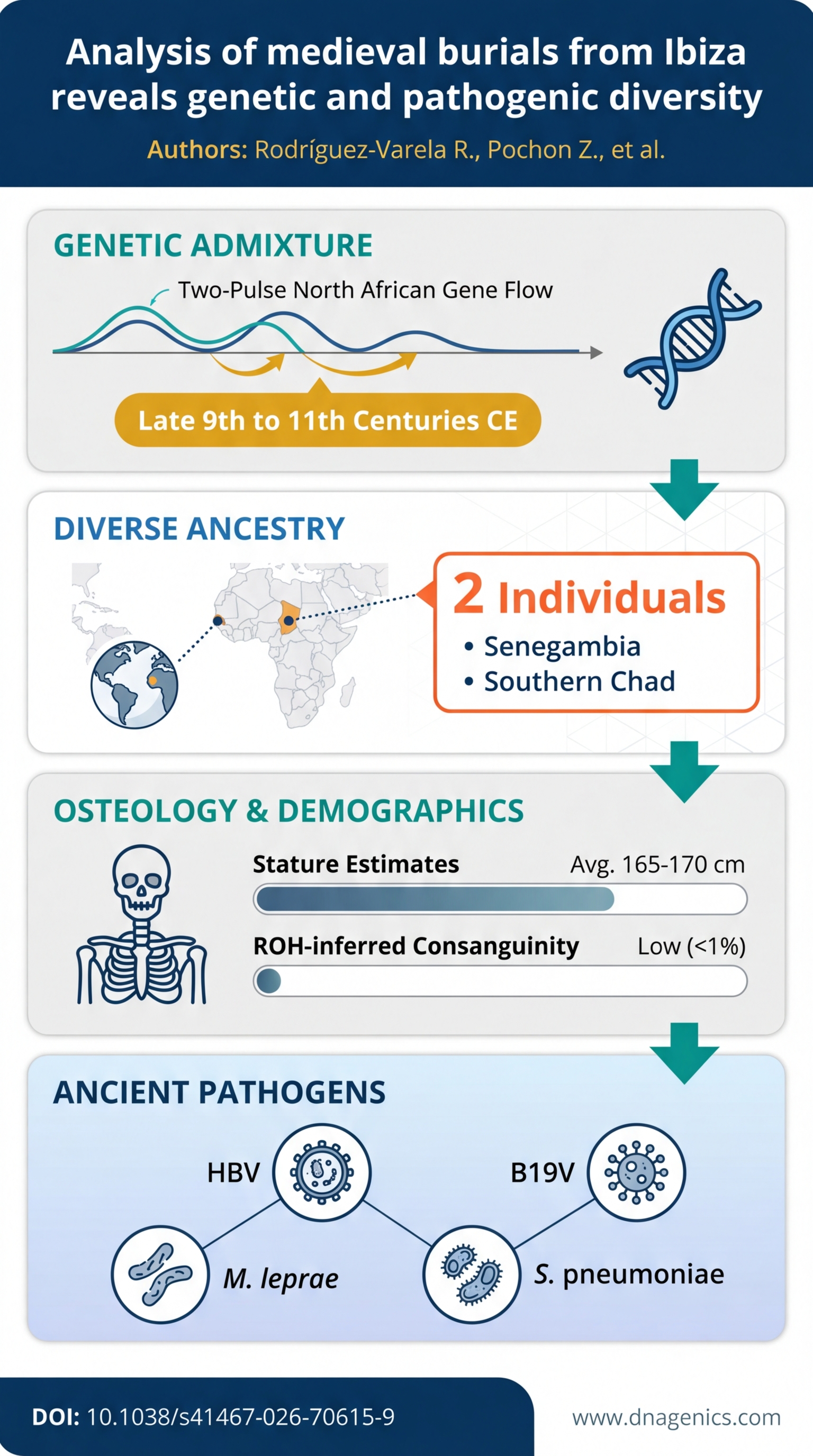
New ancient genomes from Ibiza reveal a two-pulse North African admixture during the Islamic era, with Sub-Saharan links and diverse pathogens shaping Mediterranean population history.
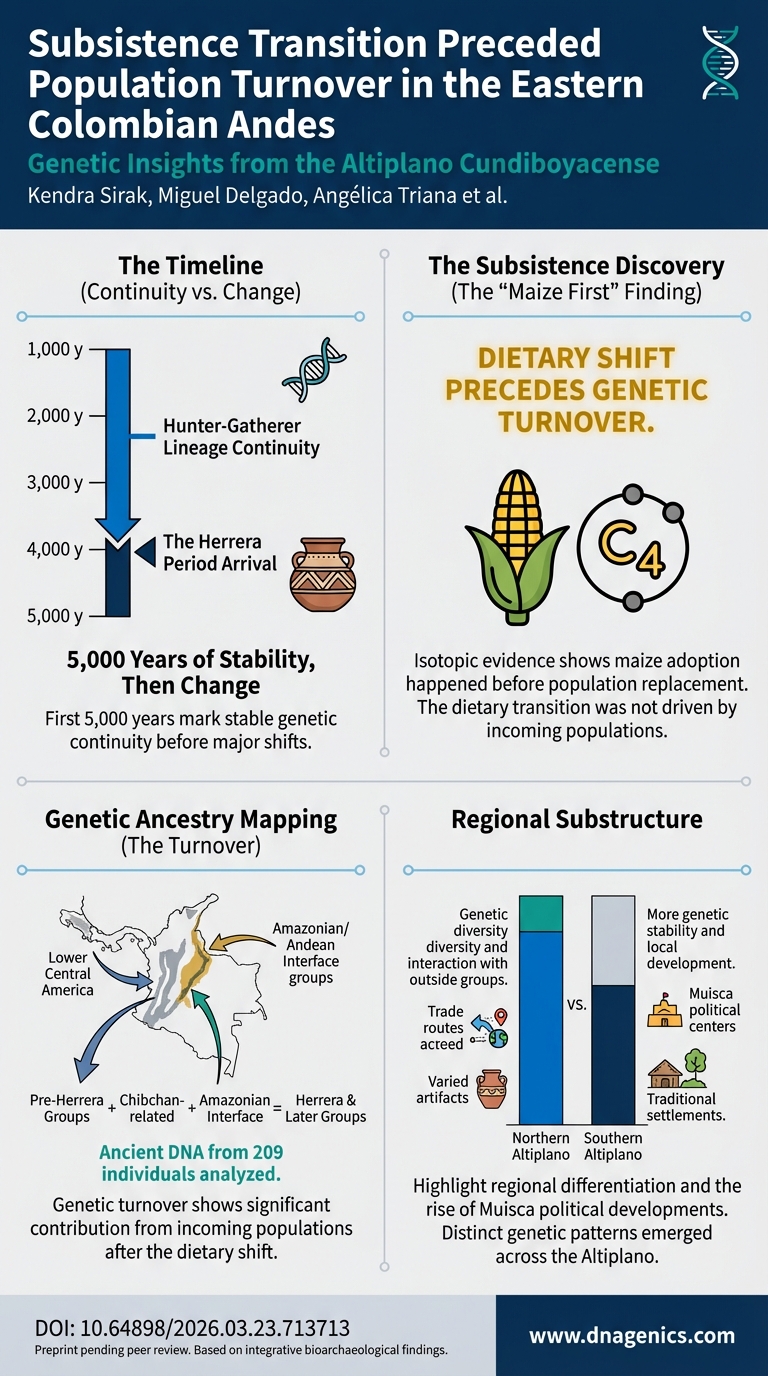
New ancient DNA analysis from the eastern Colombian Andes reveals five millennia of hunter-gatherer continuity, a sharp turnover with the Herrera culture, and maize adoption before population replacement—driven by migration and admixture rather than simple continuity.

This document explains the configuration options available in G25 Studio in plain language. It covers the Monte Carlo algorithms, the Oracle (Ancestors Predictions) system, distance methods, and distance weights. Read this after you have completed at least one basic run.

This guide is for people who are new to G25 coordinates and G25 Studio. It explains the ideas in plain language, walks through a simple first analysis, and points you to deeper documentation when you are ready.
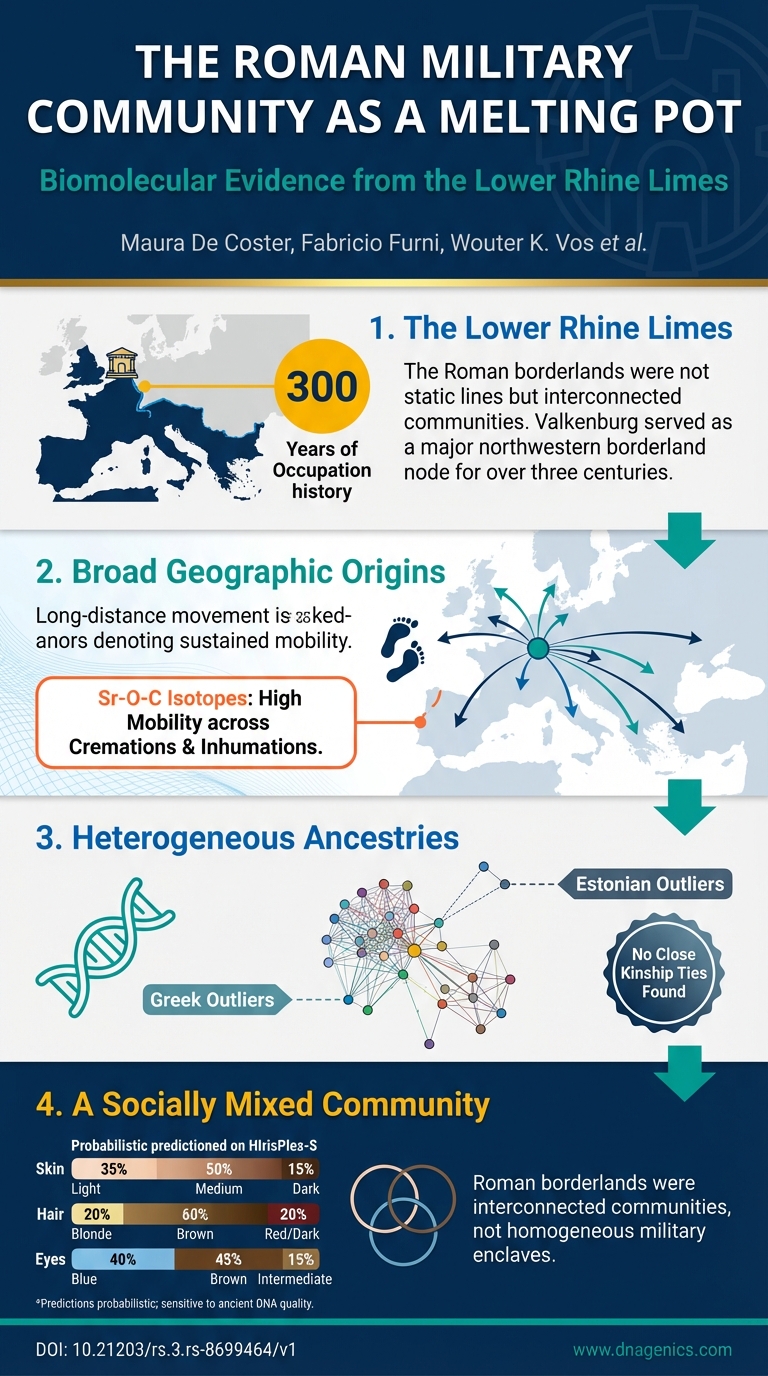
A multi-proxy biomolecular study at Praetorium Agrippinae reveals mobility, diverse ancestries, and social mixing across 300 years, reshaping how we view Roman border communities and distant connections.
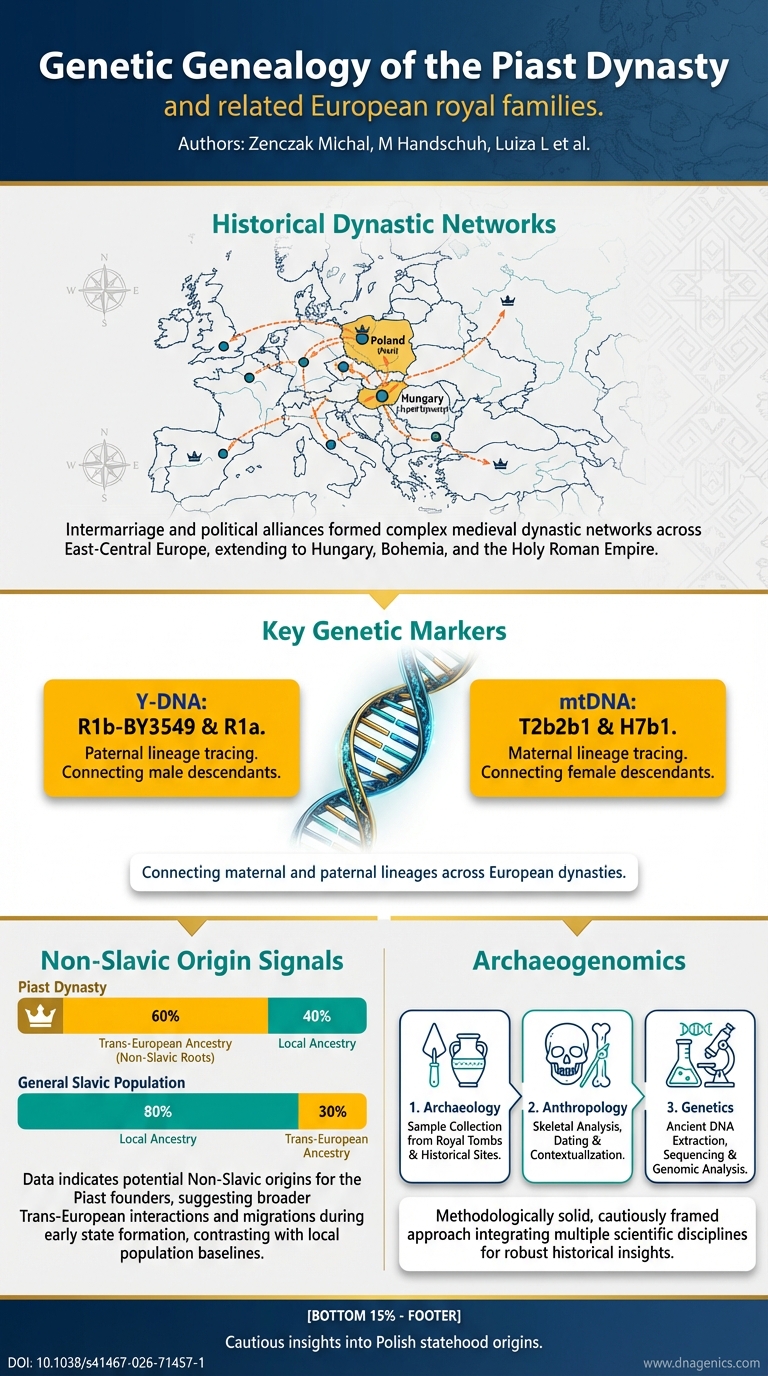
New archaeogenomic research decodes Piast origins and reveals cross-European royal connections, offering fresh insights into medieval Poland's birth and dynastic networks.
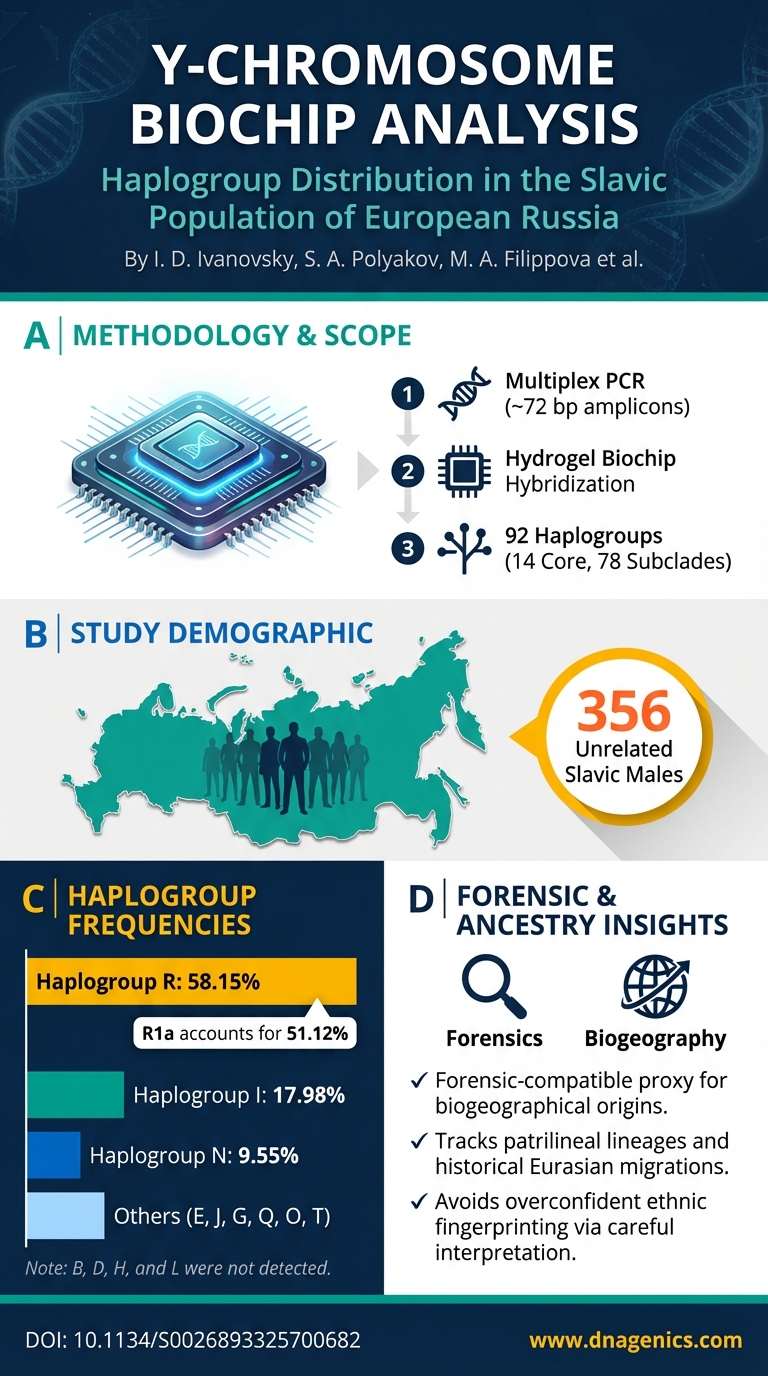
A hydrogel biochip method genotypes 92 Y-chromosome haplogroups in European Russia, revealing a strong Slavic patrilineal signal and forensic biogeography implications for ancestry.
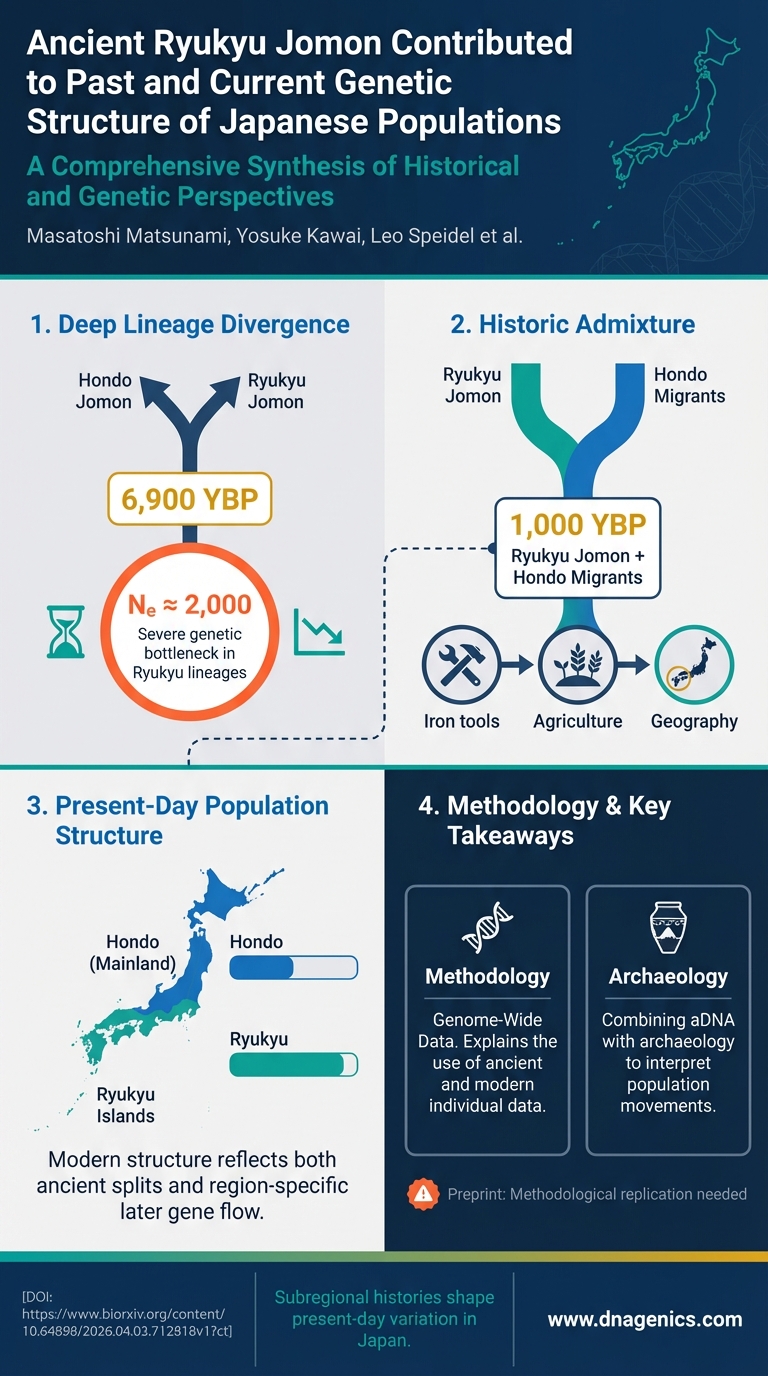
Genome-wide analysis of Ryukyu Jomon genomes reveals deep divergence from mainland Jomon, severe bottlenecks, and late admixture with historic Hondo migrants, helping explain Japan's complex genetic landscape.
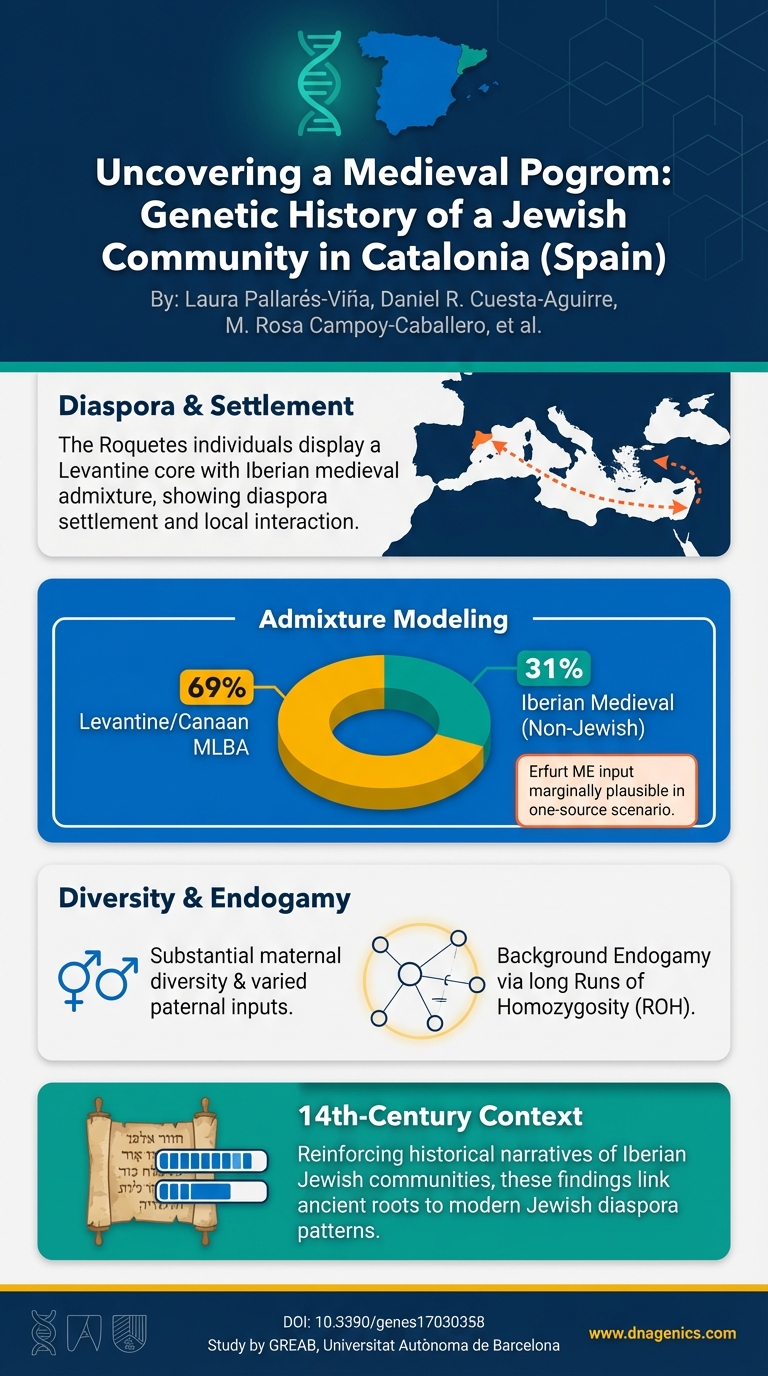
New genomic analysis of Roquetes, a medieval Jewish community in Catalonia, links Levantine and Iberian ancestries and illuminates the 1348 Tàrrega pogrom, merging archaeology with population genetics.
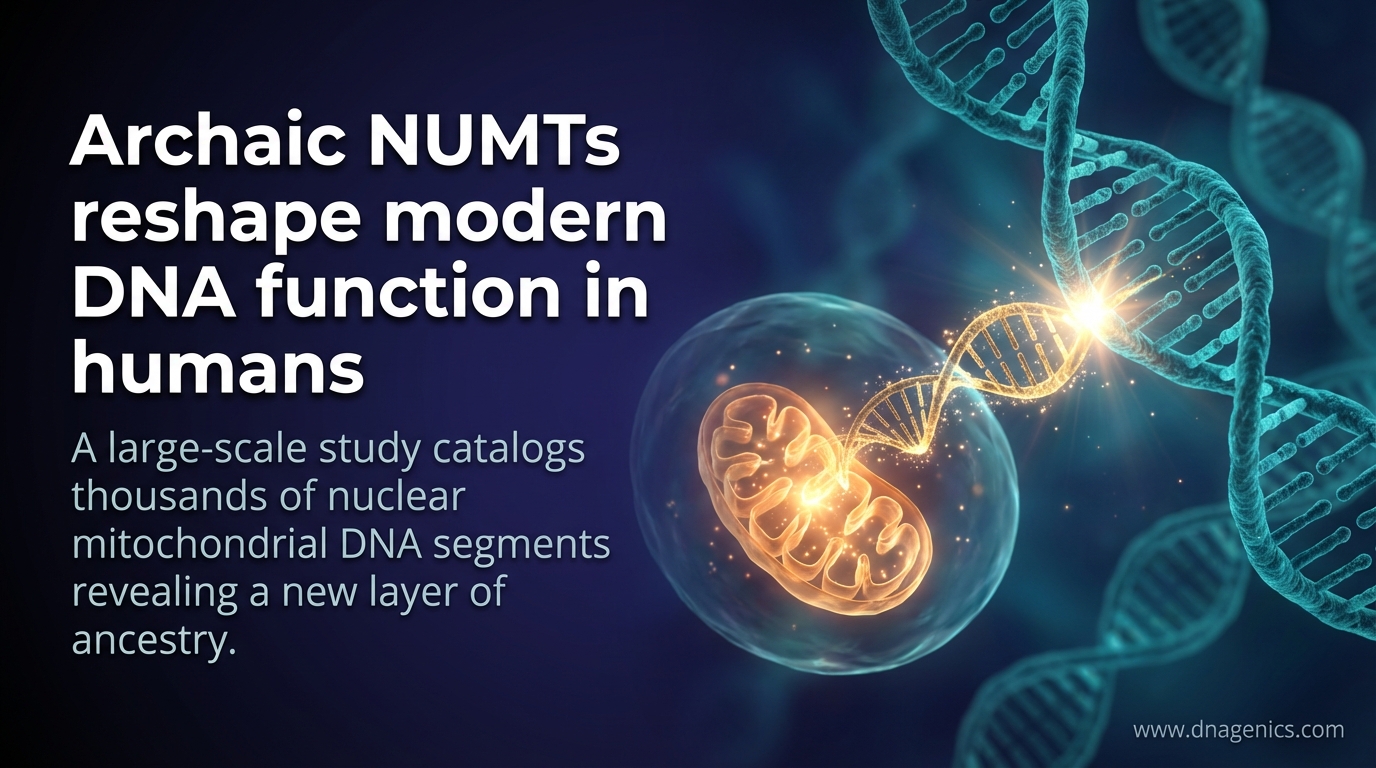
A large-scale study catalogs thousands of nuclear mitochondrial DNA segments (NUMTs) and uncovers five archaic-derived insertions that modulate gene regulation and chromatin — revealing a new layer of ancestry and genome function in modern humans.
Genome-wide data from Dongshantou uncover patrilineal family burial patterns, regional ancestry with Amur and West Liao River sources, and kinship networks in Late Bronze Age Northeast Asia. A groundbreaking look at social structure from ancient DNA.