The Story
The journey of mtDNA haplogroup A2
Origins and Evolution
mtDNA haplogroup A2 is a descendant branch of haplogroup A, which has deep roots in Northeast/East Asia. A2 likely differentiated in Beringia or the adjacent Siberian/Northeast Asian region during the Late Pleistocene (approximately ~15 kya, with confidence intervals that span both earlier and slightly later dates in different studies). Its emergence is associated with the population bottlenecks and isolation that preceded migrations into the Americas. As one of the major founding maternal lineages of Native Americans, A2 preserves signals of the Beringian standstill and the subsequent dispersals that peopled North, Central, and South America.
Subclades (if applicable)
A2 has multiple named subclades (commonly reported labels include A2a, A2b, A2c, A2d and numerous downstream lineages). These subclades show regionalization across the Americas: some lineages are relatively widespread across North America, others have higher frequencies in South American populations, and certain variants are enriched in Arctic and sub-Arctic groups. Ancient DNA and high-resolution sequencing continue to refine the internal structure of A2, revealing local diversification after the initial colonization.
Geographical Distribution
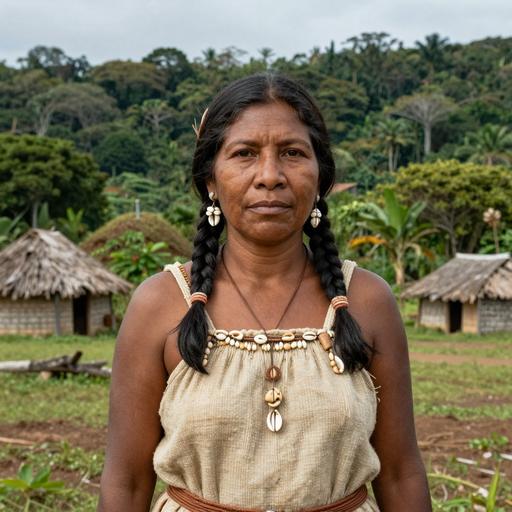
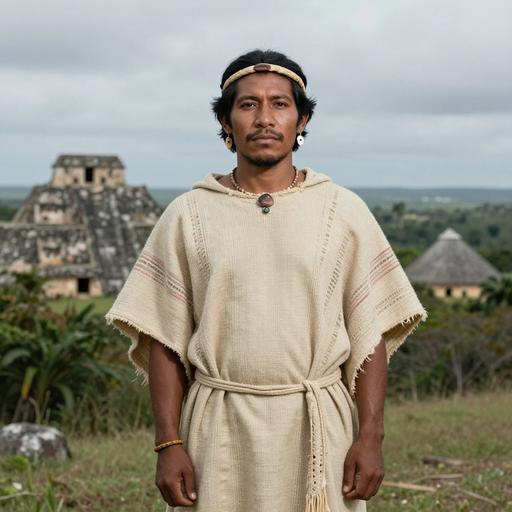
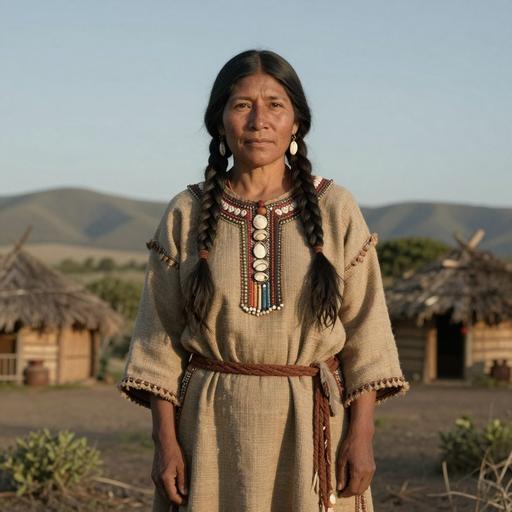
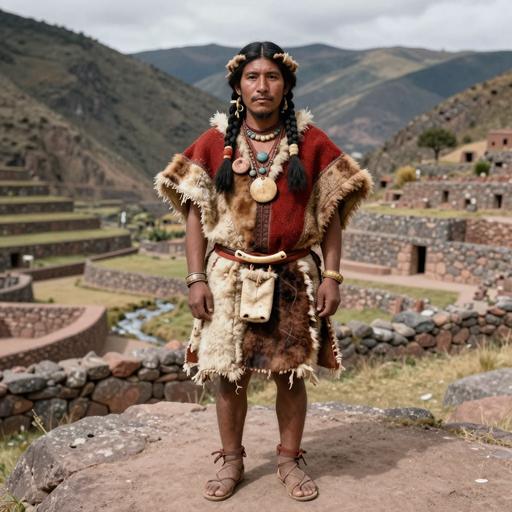
Haplogroup A2 is highly prevalent across Indigenous populations of the Americas, found from Arctic and sub-Arctic groups through North and Central America and into South America. Frequencies vary by population and region, but A2 is one of the recurrent maternal markers in many Native American groups. Outside the Americas, A2 or close relatives are generally rare but can be detected at low frequencies in some Siberian and Arctic populations, reflecting the shared Beringian ancestry and prehistoric gene flow.
Historical and Cultural Significance
A2 is one of the key mitochondrial markers used to reconstruct the peopling of the Americas. Alongside other founding haplogroups (B2, C1, D1, and X2a), A2 supports a Late Pleistocene or very early Holocene entry into the Americas and provides evidence for population structure, founder effects, and subsequent regional expansions within the New World. A2 appears in archaeological and ancient DNA records associated with early Paleoindian and post-glacial populations, and its phylogeographic patterns have been used to evaluate inland versus coastal migration models as well as later movements such as Arctic-related expansions. In modern times, A2 is present in both Indigenous communities and admixed populations that carry Native American maternal ancestry.
Conclusion
mtDNA haplogroup A2 is a central maternal lineage for understanding New World prehistory. Its origins in the Beringia/Northeast Asia region during the Late Pleistocene, widespread presence across the Americas, and diverse subclade structure make A2 a powerful marker for studies of migration timing, routes, and regional population history. Ongoing ancient DNA and whole-mitochondrial sequencing work continues to refine the timing and finer-scale geographic patterns of A2 diversification.
Key Points
- Origins and Evolution
- Subclades (if applicable)
- Geographical Distribution
- Historical and Cultural Significance
- Conclusion