mtDNA · Maternal lineage

B5A2

mtDNA Haplogroup B5A2

A reference profile for one lineage branch. Shared haplogroups do not establish a family relationship or cultural identity.

Reference profile

Branch background

Historical context for mtDNA lineage branch B5A2

Origins and Evolution

mtDNA haplogroup B5a2 is a downstream branch of B5a (itself a daughter of the broader haplogroup B) that likely formed in East to Southeast Asia during the early Holocene. Its estimated coalescence shortly after the Last Glacial Maximum places its origin within the time frame of expanding post-glacial hunter–gatherer populations and the earliest regional development of localized Holocene forager and early farming communities. Phylogenetic studies based on control-region and whole-mitogenome data indicate that B5a2 is an intermediate clade with a geographic signal concentrated in continental East Asia and Island Southeast Asia, consistent with localized differentiation after an initial B5a expansion.

Subclades

B5a2 is not a single uniform lineage but contains local sublineages identified by complete mitogenome sequencing in regional population studies. These downstream branches tend to show limited geographic scope (for example, subbranches restricted to parts of southern China, Taiwan, or specific island groups), which is typical for Holocene regional diversification. Many studies refer to named subclades when full mitogenomes are available; targeted phylogeographic work often reveals micro-endemic subbranches that help trace finer-scale maternal connections across coastal and island systems.

Geographical Distribution

The present-day distribution of B5a2 is focused on East and Southeast Asia, with detections across mainland China, Korea, and Japan, as well as in multiple populations of Island Southeast Asia and among some Austronesian-speaking groups. Frequencies are generally higher in southern Chinese and mainland Southeast Asian sampling locales and are lower but detectable in parts of Near Oceania and select Pacific islanders where Austronesian-mediated gene flow reached. Its pattern—concentrated in coastal and riverine populations and present in both mainland and island contexts—supports a role in Holocene coastal dispersals and later maritime expansions.

Historical and Cultural Significance

B5a2 contributes to the maternal genetic background of populations involved in several major demographic processes of the Holocene in East and Southeast Asia. It likely existed among early Holocene coastal hunter–gatherers and became integrated into emerging Neolithic/early agricultural communities in southern China and mainland Southeast Asia. Later, as Austronesian-speaking peoples expanded from Taiwan and coastal mainland regions into Island Southeast Asia and the Pacific during the mid-to-late Holocene, some B5a2 lineages were carried seaward, producing detectable presence in maritime and island populations. Its co-occurrence with other East/Southeast Asian maternal lineages (for example F1, M7, and N9a) is typical of mixed coastal forager–farmer ancestries in the region.

Conclusion

B5a2 is best understood as a regional early Holocene maternal lineage that illustrates local diversification within the broader B5a clade. It is useful in reconstructing maternal-level population structure and movements across East and Southeast Asia and provides genetic support for coastal and maritime dispersals that shaped island populations. Continued whole-mitogenome sampling and denser geographically targeted studies will refine its internal substructure and improve resolution on the timing and routes of its downstream spread.

Key Points

  • Origins and Evolution
  • Subclades
  • Geographical Distribution
  • Historical and Cultural Significance
  • Conclusion
Reference profile

Tree & Relationships

Phylogenetic context and subclades

Evolution Path

Follow the recorded parent branches toward B5A2. Dates are estimates and can change as reference data is revised.

Steps Haplogroup Age Estimate Archaeology Era Time Passed Immediate Descendants Tested Modern Descendants Ancient Connections
1 B5A2 Current ~9,000 years ago Neolithic 9,000 years 1 6 0
2 B5A ~12,000 years ago Neolithic 12,000 years 2 51 0
3 B5 ~18,000 years ago Mesolithic 18,000 years 3 88 2
4 B4'5 ~40,000 years ago Paleolithic 40,000 years 2 1,432 0
5 RA - - - 3 1,452 0
6 R ~55,000 years ago Paleolithic 55,000 years 17 22,830 57
7 NA - - - 1 22,830 0
8 N ~60,000 years ago Paleolithic 60,000 years 16 26,150 13
9 L3 ~70,000 years ago Paleolithic 70,000 years 7 30,162 6
10 L3'4 - - - 2 30,212 0
11 L3'4'6 - - - 2 30,216 0
12 L2'3'4'6 - - - 2 31,333 0
13 L2'3'4'5'6'7 - - - 2 31,349 0
14 L1'2'3'4'5'6'7 - - - 2 31,852 0
15 L ~160,000 years ago Paleolithic 160,000 years 2 32,236 5

Siblings (1)

Other branches from the same parent haplogroup

Reference profile

Where in the World

Geographic distribution and modern presence

Recorded origin

East / Southeast Asia

Modern Distribution

The populations where mtDNA haplogroup B5A2 is found include:

  1. Han Chinese and other East Asian populations (China, Korea, Japan)
  2. Southeast Asian groups (Vietnamese, Thai, Burmese, Malay peoples, some Filipino groups)
  3. Indigenous Taiwanese (Austronesian-speaking groups)
  4. Austronesian-speaking Pacific Islanders (selected Polynesians and Micronesians via maritime dispersals)
  5. Island Southeast Asian populations (Borneo, Sulawesi, Lesser Sunda islands)
  6. Coastal and riverine communities involved in Holocene maritime and coastal dispersals
  7. Mainland hunter–gatherer and early farming populations in parts of Indochina
  8. Low-frequency occurrences in parts of Near Oceania tied to later contact
Historical context

A branch through time

Estimated formation in a broad historical timeline. Period markers provide context and do not imply a connection with particular cultures.

  1. ~10k years ago

    Neolithic Revolution

    Agriculture begins, settled communities form

  2. ~9k years ago

    Haplogroup B5A2

    Estimated formation of this mtDNA branch; dates and locations are reference estimates.

    This branch
  3. ~5k years ago

    Bronze Age

    Metalworking, writing, and early civilizations

  4. ~3k years ago

    Iron Age

    Iron tools, expanded trade networks

  5. ~2.5k years ago

    Classical Antiquity

    Greek and Roman civilizations flourish

  6. Present

    Present Day

    Modern era

Reference profile

Archaeological context

Recorded archaeological associations for mtDNA branch B5A2

Recorded associations

These labels describe archaeological contexts recorded for reference samples linked to B5A2. An association does not establish that all carriers belonged to a culture or followed a particular migration route.

Chinese Paleolithic Kofun Mesolithic British Slab Grave Culture Taiwanese Iron Thai Bronze Age Thai Iron Age Tianyuan Culture Vietnamese Neolithic Xiongnu
Culture assignments are based on archaeological context of ancient DNA samples and may represent regional associations during specific time periods.
Reference profile

Sample Catalog

5 subclade carriers of haplogroup B5A2 (no direct carriers in the current reference selection)

5 shown · 5 matching samples

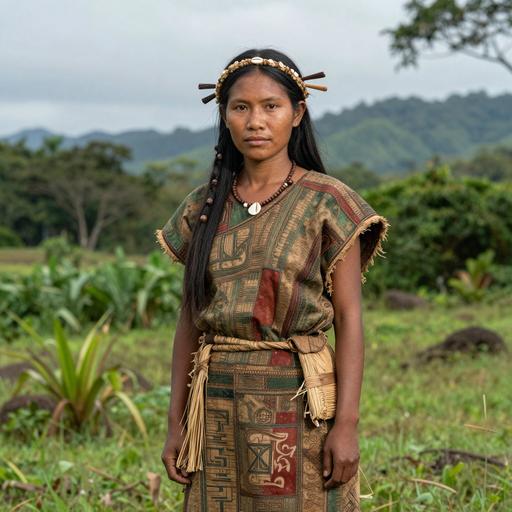
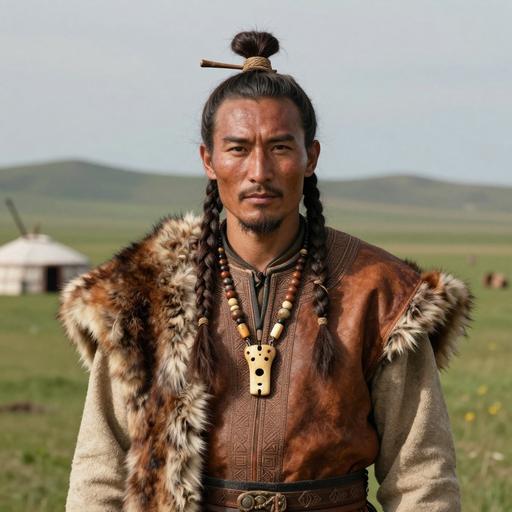
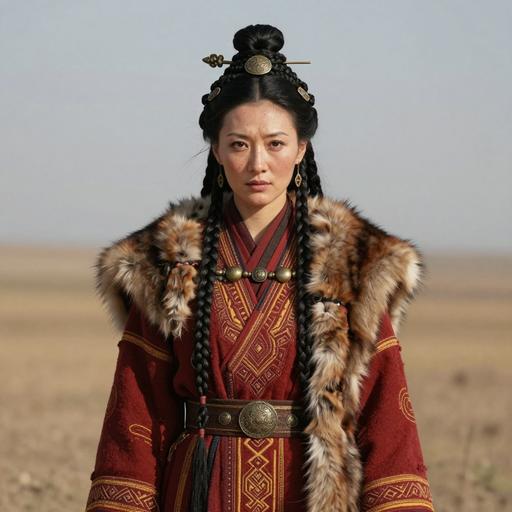
Portraits are AI-generated illustrations. Sample labels and accession IDs identify the reference records.

Portrait Sample Country Era Date Culture mtDNA Match
AI-generated illustrative portrait of IA individual, Hanben. Blihun site, Taiwan (1-800 CE)
Sample ID: I14928
Taiwan Iron Age Taiwan 1-800 CE Taiwanese Iron B5a2a1-a Subclade
AI-generated illustrative portrait of Arkhangai Xiongnu Period Early Medieval-3 individual, Arkhangai. Tamiryn Ulaan Khoshuu. Burkhan Tolgoi, Mongolia (150 BCE-450 CE)
Sample ID: TUH001
Mongolia Early Medieval Xiongnu 150 BCE - 450 CE Xiongnu B5a2a1a Subclade
AI-generated illustrative portrait of Arkhangai Xiongnu Period Early Medieval-3 individual, Arkhangai. Tamiryn Ulaan Khoshuu. Burkhan Tolgoi, Mongolia (150 BCE-450 CE)
Sample ID: TUH002
Mongolia Early Medieval Xiongnu 150 BCE - 450 CE Xiongnu B5a2a1a Subclade
AI-generated illustrative portrait of Arkhangai Xiongnu Period-o individual, Arkhangai. Emeel Tolgoi, Mongolia (200 BCE-100 CE)
Sample ID: EME002
Mongolia The Xiongnu People 200 BCE - 100 CE Xiongnu B5a2a1b Subclade
AI-generated illustrative portrait of Kofun Period individual, Honshu. Ishikawa Prefecture. Kanazawa. Iwade horizontal cave tombs, Japan (541-603 CE)
Sample ID: JpIw32
Japan Kofun Period Japan 541-603 calCE (1512±20 BP, PLD-39692) Kofun B5a2a1b Subclade
MATERNAL LINEAGE · ANCIENT DNA

Ancient lineage evidence map

Follow parent clades toward this branch and explore where ancient carriers were found.

Loading ancient observations…

Markers are archaeological find locations. A dashed connector is an uncertain, proposed geographic transition between consecutive branches supported by multiple dated observations; it is not an exact travel route, birthplace or proof of direct descent. Parent-clade samples may belong to other descendant branches. Gaps remain where evidence is insufficient. Sample dates differ from haplogroup formation dates.

Reference profile

Carrier Distribution Map

Geographic distribution of 5 ancient DNA samples (direct and subclade carriers of B5A2)

Subclade carrier
Time Period Filter
All Time Periods
Showing all samples
Reference profile

Temporal Distribution

Distribution of carriers across archaeological periods

Reference profile

Geographic Distribution

Counts by recorded sample country. These reflect the available reference selection, not population frequencies.

Reference profile

Country × Era Distribution

Compare recorded sample counts across countries and archaeological periods. Select a populated cell to inspect a sample.

Data

Data & Provenance

Source information and data quality

Last Updated 2026-02-16
Confidence Score 50/100
Coverage Low

Data Source

Classification, estimated dates and geographic context reflect the recorded reference data and may change as evidence is revised. Sample coverage is uneven; recorded locations and archaeological associations do not establish personal origin or cultural identity.

A haplogroup follows one maternal or paternal line. The branch prediction depends on which markers the DNA file contains. How our analysis works