mtDNA · Maternal lineage

B5B2

mtDNA Haplogroup B5B2

A reference profile for one lineage branch. Shared haplogroups do not establish a family relationship or cultural identity.

Reference profile

Branch background

Historical context for mtDNA lineage branch B5B2

Origins and Evolution

mtDNA haplogroup B5B2 is a downstream branch of haplogroup B5b (often written B5B), itself part of the broader mtDNA haplogroup B which derives from macro-haplogroup R. Based on phylogenetic position and coalescent estimates for sister clades within B5, B5B2 most likely diversified in mainland East–Southeast Asia during the early Holocene (around ~12 kya). Its emergence fits a pattern of post-glacial population expansion and regional diversification of maternal lineages as hunter–gatherer groups adapted to changing coastal and riverine environments and, later, to farming economies in parts of mainland Southeast Asia.

Subclades (if applicable)

As a subclade of B5b, B5B2 represents one branch within the internal structure of B5. Published phylogenies of B5 indicate multiple sub-branches (B5a, B5b, etc.), and B5b itself splits into finer subclades such as B5b1 and B5b2 (B5B2). B5B2 may contain regionally restricted haplotypes that reflect localized expansions or founder events, particularly in coastal and island populations. Ancient DNA and modern complete mtDNA sequencing are required to resolve internal diversification and define further sublineages of B5B2.

Geographical Distribution

B5B2 shows a distribution concentrated in East and Southeast Asia with extensions into Island Southeast Asia and low-frequency occurrences in Near Oceania. It is regularly observed among Han Chinese and other East Asian groups, multiple Southeast Asian populations (Vietnamese, Thai, Burmese, Malay and some Filipino groups), indigenous Taiwanese Austronesian-speaking groups, and selected Austronesian-speaking Pacific islanders via maritime dispersals. Island Southeast Asian islands such as Borneo, Sulawesi and the Lesser Sundas also carry B5B2 lineages at varying frequencies. Low-frequency detections in Near Oceania are most consistent with later coastal contact and Austronesian-associated movements rather than being a deep Near Oceanian lineage.

Historical and Cultural Significance

The frequency and geographic pattern of B5B2 align it with two major Holocene processes in coastal and island Asia: early Holocene coastal dispersals and the mid-late Holocene Austronesian expansion. In mainland contexts, B5B2 likely circulated among early coastal foragers and emerging farmer communities in Indochina and southern China. During the Austronesian dispersal that began from Taiwan and adjacent coasts (~3.5–4 kya), B5B2 could have been carried into Island Southeast Asia and outlying Pacific islands as part of mixed maternal pools. In modern populations, B5B2 co-occurs with other East/Southeast Asian maternal lineages such as M7, F, D4 and with Y-chromosome lineages typical of the region (notably O subclades), reflecting autosomal admixture and sex-biased demographic processes.

Two archaeological samples in available aDNA databases have been assigned to branches within B5B2, providing direct evidence that the lineage was present in Holocene archaeological contexts in the region; however, larger ancient DNA sampling is needed to clarify its prehistoric trajectories and any associations with particular archaeological cultures.

Conclusion

B5B2 is a regionally important East–Southeast Asian maternal lineage that arose in the early Holocene and participated in both inland and coastal demographic processes, including later Austronesian maritime expansions into Island Southeast Asia and parts of Near Oceania. Its present-day distribution and low-frequency ancient occurrences highlight a pattern of localized diversification combined with periodic long-distance dispersal events tied to seafaring and coastal adaptations.

Key Points

  • Origins and Evolution
  • Subclades (if applicable)
  • Geographical Distribution
  • Historical and Cultural Significance
  • Conclusion
Reference profile

Tree & Relationships

Phylogenetic context and subclades

Evolution Path

Follow the recorded parent branches toward B5B2. Dates are estimates and can change as reference data is revised.

Steps Haplogroup Age Estimate Archaeology Era Time Passed Immediate Descendants Tested Modern Descendants Ancient Connections
1 B5B2 Current ~12,000 years ago Neolithic 12,000 years 1 3 0
2 B5B ~12,000 years ago Neolithic 12,000 years 5 32 6
3 B5 ~18,000 years ago Mesolithic 18,000 years 3 88 2
4 B4'5 ~40,000 years ago Paleolithic 40,000 years 2 1,432 0
5 RA - - - 3 1,452 0
6 R ~55,000 years ago Paleolithic 55,000 years 17 22,830 57
7 NA - - - 1 22,830 0
8 N ~60,000 years ago Paleolithic 60,000 years 16 26,150 13
9 L3 ~70,000 years ago Paleolithic 70,000 years 7 30,162 6
10 L3'4 - - - 2 30,212 0
11 L3'4'6 - - - 2 30,216 0
12 L2'3'4'6 - - - 2 31,333 0
13 L2'3'4'5'6'7 - - - 2 31,349 0
14 L1'2'3'4'5'6'7 - - - 2 31,852 0
15 L ~160,000 years ago Paleolithic 160,000 years 2 32,236 5

Siblings (4)

Other branches from the same parent haplogroup

Reference profile

Where in the World

Geographic distribution and modern presence

Recorded origin

East and Southeast Asia

Modern Distribution

The populations where mtDNA haplogroup B5B2 is found include:

  1. Han Chinese and other East Asian populations (China, Korea, Japan)
  2. Southeast Asian groups (Vietnamese, Thai, Burmese, Malay peoples, some Filipino groups)
  3. Indigenous Taiwanese (Austronesian-speaking groups)
  4. Austronesian-speaking Pacific Islanders (selected Polynesians and Micronesians via maritime dispersals)
  5. Island Southeast Asian populations (Borneo, Sulawesi, Lesser Sunda islands)
  6. Coastal and riverine communities involved in Holocene maritime and coastal dispersals
  7. Mainland hunter–gatherer and early farming populations in parts of Indochina
  8. Low-frequency occurrences in parts of Near Oceania tied to later contact
Historical context

A branch through time

Estimated formation in a broad historical timeline. Period markers provide context and do not imply a connection with particular cultures.

  1. ~12k years ago

    Haplogroup B5B2

    Estimated formation of this mtDNA branch; dates and locations are reference estimates.

    This branch
  2. ~10k years ago

    Neolithic Revolution

    Agriculture begins, settled communities form

  3. ~5k years ago

    Bronze Age

    Metalworking, writing, and early civilizations

  4. ~3k years ago

    Iron Age

    Iron tools, expanded trade networks

  5. ~2.5k years ago

    Classical Antiquity

    Greek and Roman civilizations flourish

  6. Present

    Present Day

    Modern era

Reference profile

Archaeological context

Recorded archaeological associations for mtDNA branch B5B2

Recorded associations

These labels describe archaeological contexts recorded for reference samples linked to B5B2. An association does not establish that all carriers belonged to a culture or followed a particular migration route.

China_NorthernChina_Xingfulindai Coastal Neolithic Early Medieval Mongolian Kazakh Iron Age Khovsgol Culture Magyar Commoner Culture Mesolithic British Slab Grave Culture Ukraine_LateMedieval Xiongnu Xiongnu-Xianbei
Culture assignments are based on archaeological context of ancient DNA samples and may represent regional associations during specific time periods.
Reference profile

Sample Catalog

3 direct carriers and 6 subclade carriers of haplogroup B5B2

9 shown · 9 matching samples

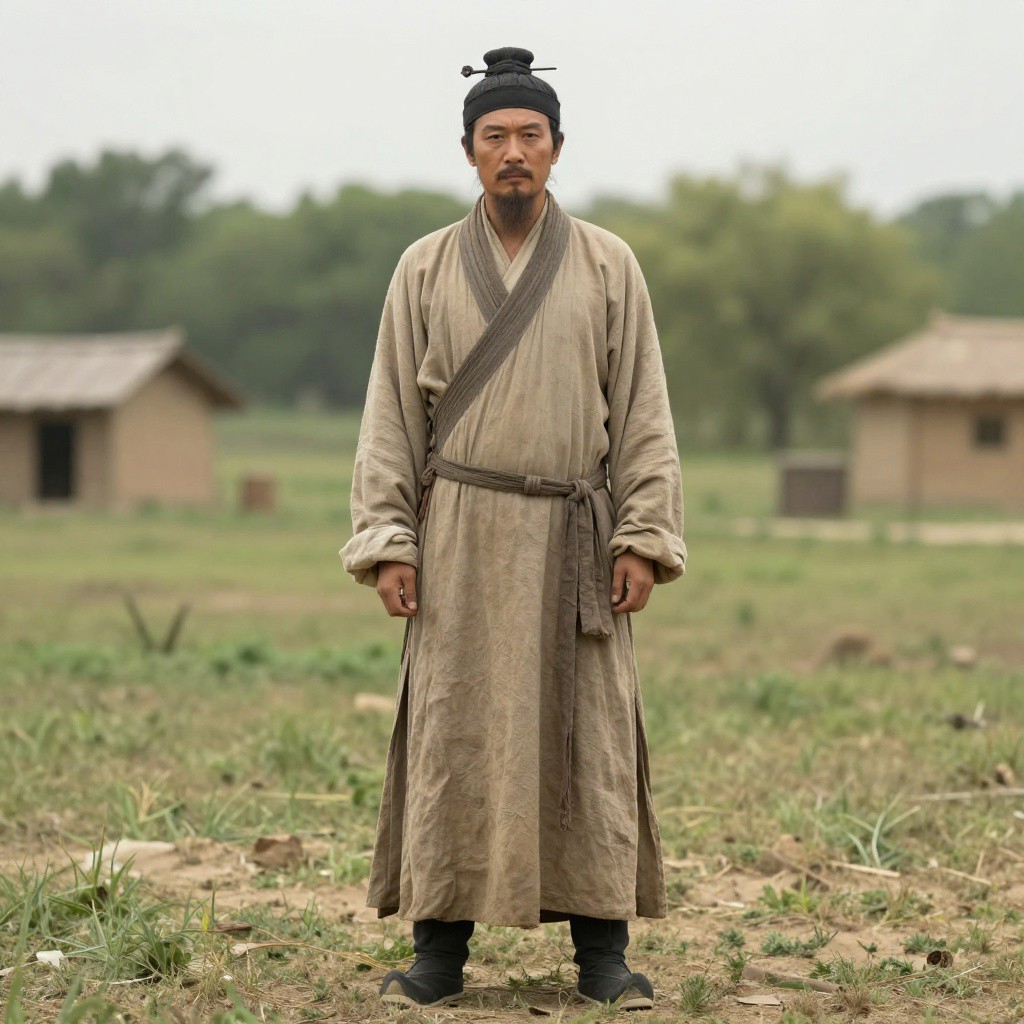
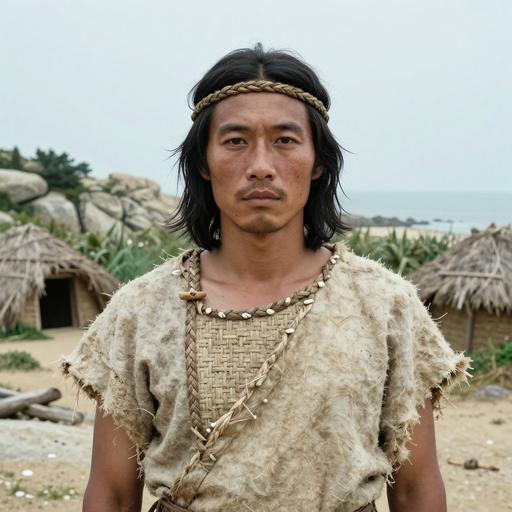
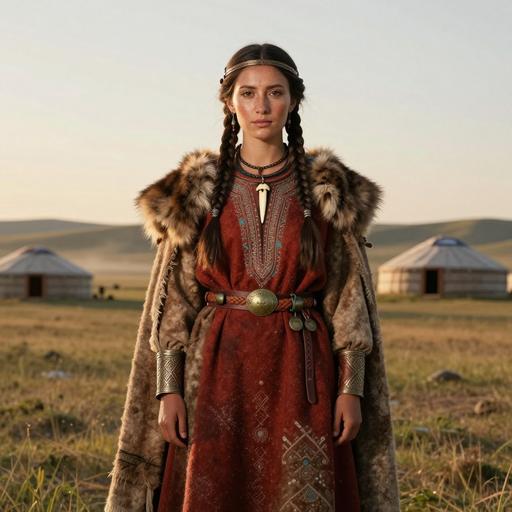
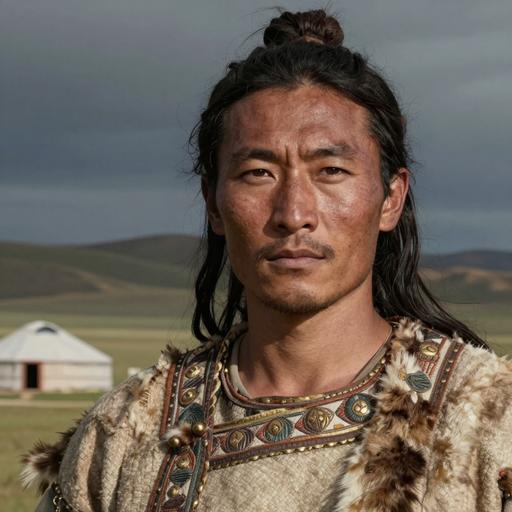
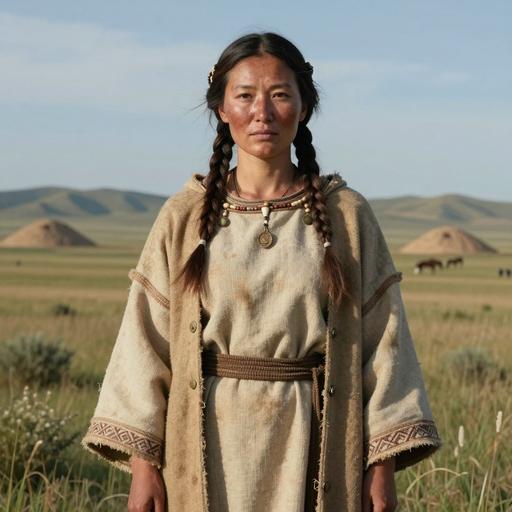
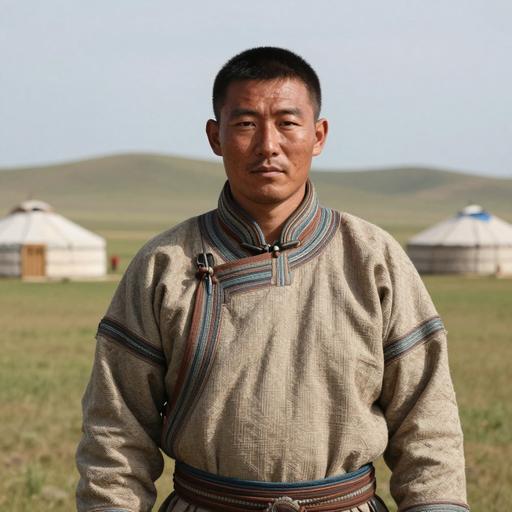
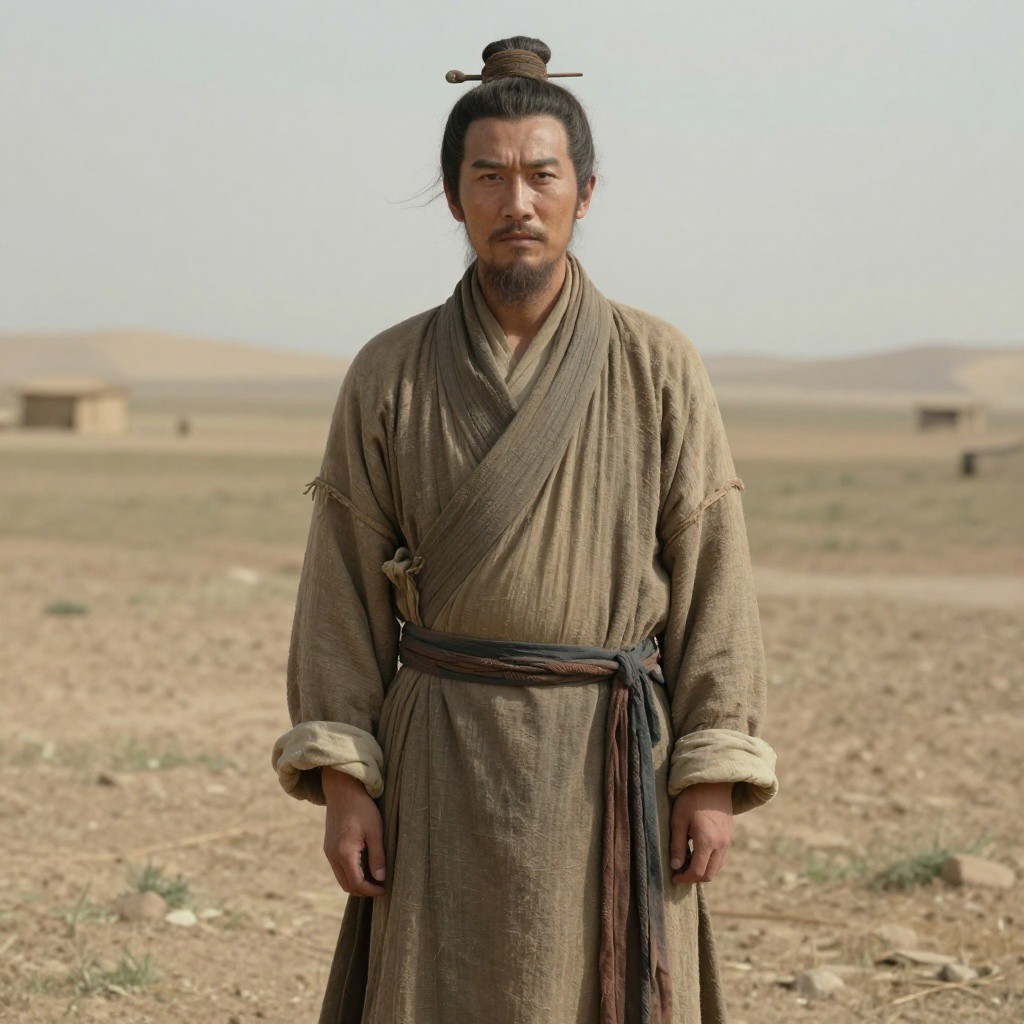
Portraits are AI-generated illustrations. Sample labels and accession IDs identify the reference records.

Portrait Sample Country Era Date Culture mtDNA Match
AI-generated illustrative portrait of Northern China Xingfulindai individual, Xingfulindai (Northern China, Shannxi Province, Xi'an City), China (900-1,300 CE)
Sample ID: XFLDM764
China China NorthernChina Xingfulindai 900-1300 CE China_NorthernChina_Xingfulindai B5b2 Direct
AI-generated illustrative portrait of East Asian Neolithic individual, Shandong. Yiyuan. Bianbian, China (7,941-7,605 BCE)
Sample ID: Bianbian
China Early Neolithic Coastal Northeast Asia, China 7941 BCE - 7605 BCE Coastal Neolithic B5b2 Direct
AI-generated illustrative portrait of China East En individual, Shandong. Yiyuan. Bianbian, China (7,941-7,605 BCE)
Sample ID: Bianbian
China Early Neolithic East China 7941 BCE - 7605 BCE B5b2 Direct
AI-generated illustrative portrait of IA individual, Central Kazakhstan. Berel Necropolis. object 105, Kazakhstan (50 BCE-150 CE)
Sample ID: BRE009
Kazakhstan Iron Age Kazakhstan 50 BCE - 150 CE Kazakh Iron Age B5b2a2 Subclade
AI-generated illustrative portrait of Arkhangai Xiongnu Period Early Medieval-3 individual, Arkhangai. Tamiryn Ulaan Khoshuu. Burkhan Tolgoi, Mongolia (150 BCE-450 CE)
Sample ID: TUK002
Mongolia Early Medieval Xiongnu 150 BCE - 450 CE Xiongnu B5b2a2 Subclade
AI-generated illustrative portrait of IA individual, Central Kazakhstan. Berel Necropolis. object 80A/80E, Kazakhstan (100 BCE-200 CE)
Sample ID: BRE003
Kazakhstan Iron Age Kazakhstan 100 BCE - 200 CE Kazakh Iron Age B5b2a Subclade
AI-generated illustrative portrait of Arkhangai Early Medieval individual, Arkhangai. Olon Dov, Mongolia (700-1,000 CE)
Sample ID: OLN011
Mongolia Mongolia Arkhangai EarlyMedieval 700-1000 CE Early Medieval Mongolian B5b2a Subclade
AI-generated illustrative portrait of Northern China Xingfulindai individual, Xingfulindai (Northern China, Shannxi Province, Xi'an City), China (900-1,300 CE)
Sample ID: XFLDM19
China China NorthernChina Xingfulindai 900-1300 CE China_NorthernChina_Xingfulindai B5b2a Subclade
AI-generated illustrative portrait of Late Medieval individual, Kumy (Kharkiv Oblast, Krasnohrad District, Krasnohrad Municipality), Ukraine (991-1,149 CE)
Sample ID: UKR056
Ukraine Ukraine LateMedieval 991-1149 calCE (1010±25, UBA-48167) Ukraine_LateMedieval B5b2a2 Subclade
MATERNAL LINEAGE · ANCIENT DNA

Ancient lineage evidence map

Follow parent clades toward this branch and explore where ancient carriers were found.

Loading ancient observations…

Markers are archaeological find locations. A dashed connector is an uncertain, proposed geographic transition between consecutive branches supported by multiple dated observations; it is not an exact travel route, birthplace or proof of direct descent. Parent-clade samples may belong to other descendant branches. Gaps remain where evidence is insufficient. Sample dates differ from haplogroup formation dates.

Reference profile

Carrier Distribution Map

Geographic distribution of 9 ancient DNA samples (direct and subclade carriers of B5B2)

Direct carrier Subclade carrier
Time Period Filter
All Time Periods
Showing all samples
Reference profile

Temporal Distribution

Distribution of carriers across archaeological periods

Reference profile

Geographic Distribution

Counts by recorded sample country. These reflect the available reference selection, not population frequencies.

Reference profile

Country × Era Distribution

Compare recorded sample counts across countries and archaeological periods. Select a populated cell to inspect a sample.

Data

Data & Provenance

Source information and data quality

Last Updated 2026-02-16
Confidence Score 50/100
Coverage Low

Data Source

Classification, estimated dates and geographic context reflect the recorded reference data and may change as evidence is revised. Sample coverage is uneven; recorded locations and archaeological associations do not establish personal origin or cultural identity.

A haplogroup follows one maternal or paternal line. The branch prediction depends on which markers the DNA file contains. How our analysis works