Menu
Currency
mtDNA Haplogroup • Maternal Lineage

D1G5

mtDNA Haplogroup D1G5

~12,000 years ago
Northeast Asia / Siberia
0 subclades
Scroll to explore
Chapter I

The Story

The journey of mtDNA haplogroup D1G5

Origins and Evolution

mtDNA haplogroup D is one of the major East Asian and Native American maternal lineages; within it, D1 represents a deep branch often associated with northern Eurasian and some Native American lineages. D1G5, nested under the intermediate clade D1GA, represents a relatively derived and rare lineage whose mutations distinguish it from sister subclades. Based on the phylogenetic placement beneath D1 and the geographic patterns of related D1 subclades, a plausible origin for D1G5 is in the post-glacial populations of Northeast Asia/Siberia during the early to mid-Holocene, though precise coalescence estimates require additional full mitochondrial genomes.

Subclades

As an intermediate-to-derived terminal clade in PhyloTree-style nomenclature, D1G5 may have limited or no widely recognized further named subclades in current references. Where additional private mutations are observed in sampled individuals, those sequences can define downstream sub-branches (e.g., D1G5a, D1G5b in future revisions) once enough high-quality mitogenomes are available. At present, D1G5 should be considered a rare, localized sublineage used to connect parent clades (D1GA) with any sampled descendants.

Geographical Distribution

Current evidence and reasonable inference from related D1 subclades indicate that D1G5 is most likely to be found at low frequencies in:

  • Siberian and Russian Far East groups (including small-number finds in Evenks, Yukaghirs, Chukotko-Kamchatkan-speaking populations or neighboring coastal groups).
  • Amur River basin and coastal Northeast Asian populations (Nanai, Ulchi, Nivkh) where diverse D lineages are reported.
  • Potentially in remnant lineages among populations that participated in Beringian and coastal dispersals; however, evidence for presence in Native American populations is uncertain and currently limited.

Because D1G5 is rare and sampling in many Indigenous Siberian and Far Eastern groups remains incomplete, geographic distribution should be regarded as provisional. Recovery of full mitogenomes from archaeological and modern samples will clarify this picture.

Historical and Cultural Significance

While D1G5 itself is not currently tied to large-scale archaeological culture replacement events, related D1 lineages are implicated in post-glacial recolonization of northern Eurasia, coastal hunter-gatherer adaptations, and Beringian connections that underpin later peopling of the Americas. If D1G5 is confirmed in specific ancient contexts, it could help trace maternal continuity or micro-dispersals among:

  • Amur-Neolithic forager communities, who contributed to the genetic landscape of the Russian Far East and parts of northern China.
  • Jomon-associated populations in coastal Northeast Asia (association is plausible but not confirmed for D1G5 specifically).

Because the clade is rare, its primary significance at present is as a marker for fine-scale population structure and maternal phylogeography in northeastern Eurasia rather than as an indicator of major demographic events.

Conclusion

D1G5 is a derived, low-frequency mtDNA lineage beneath D1GA that most plausibly arose in Northeast Asia/Siberia in the early Holocene. Its rarity and limited characterization mean that conclusions about its precise age, distribution, and historical role remain provisional. Targeted mitogenome sequencing of under-sampled Siberian, Russian Far East, and adjacent Northeast Asian populations — plus ancient DNA from relevant archaeological contexts — is needed to resolve the lineage's history and any connections to broader migrations such as Beringian dispersals.

(Notes: statements about D1G5 reflect phylogenetic inference from the D1 clade and related population-genetic research; specific frequencies and ancient associations should be updated as new published mitogenomes become available.)

Key Points

  • Origins and Evolution
  • Subclades
  • Geographical Distribution
  • Historical and Cultural Significance
  • Conclusion
Chapter II

Tree & Relationships

Phylogenetic context and subclades

Evolution Path

This haplogroup's evolutionary journey from its earliest ancestor to the present.

Steps Haplogroup Age Estimate Archaeology Era Time Passed Immediate Descendants Tested Modern Descendants Ancient Connections
1 D1G5 Current ~12,000 years ago 🌾 Neolithic 12,000 years 0 1 0
2 D1GA 1 1 0
3 D1G ~12,000 years ago 🌾 Neolithic 12,000 years 2 2 5
4 D1 ~18,000 years ago 🏹 Mesolithic 18,000 years 10 72 13
5 D4 ~25,000 years ago 🦴 Paleolithic 25,000 years 14 435 19
6 D ~45,000 years ago 🦴 Paleolithic 45,000 years 4 514 137
7 M80'D 2 518 0
8 M ~60,000 years ago 🦴 Paleolithic 60,000 years 42 2,162 41
9 L3 ~70,000 years ago 🦴 Paleolithic 70,000 years 7 23,542 6
10 L3'4 2 23,581 0
11 L3'4'6 2 23,584 0
12 L2'3'4'6 2 24,475 0
13 L2'3'4'5'6'7 2 24,488 0
14 L1'2'3'4'5'6'7 2 24,903 0
15 L ~160,000 years ago 🦴 Paleolithic 160,000 years 2 25,205 5

Subclades (0)

Terminal branch - no known subclades

Chapter III

Where in the World

Geographic distribution and modern presence

Place of Origin

Northeast Asia / Siberia

Modern Distribution

The populations where mtDNA haplogroup D1G5 is found include:

  1. Indigenous Siberian groups (e.g., Evenks, Yukaghirs) — probable/putative occurrences
  2. Russian Far East coastal populations (e.g., Nivkh, Koryak, Chukchi) — probable/putative occurrences
  3. Amur River basin peoples (e.g., Nanai, Ulchi) — potential occurrences
  4. Under-sampled Northeast Asian groups (northern Chinese, Koreans) — possible low-frequency occurrences
  5. Native American populations — currently uncertain and requires targeted study
CHAPTER IV

When in Time

Your haplogroup in the context of human history

~12k years ago

Haplogroup D1G5

Your mtDNA haplogroup emerged in Northeast Asia / Siberia

Northeast Asia / Siberia
~10k years ago

Neolithic Revolution

Agriculture begins, settled communities form

~5k years ago

Bronze Age

Metalworking, writing, and early civilizations

~3k years ago

Iron Age

Iron tools, expanded trade networks

~2k years ago

Classical Antiquity

Greek and Roman civilizations flourish

Present

Present Day

Modern era

Your Haplogroup
Historical Era
Chapter IV-B

Linked Cultures

Ancient cultures associated with mtDNA haplogroup D1G5

Cultural Heritage

These ancient cultures have been linked to haplogroup D1G5 based on matching ancient DNA samples from archaeological excavations. The presence of this haplogroup in these cultures provides insights into the migrations and population movements of populations carrying this haplogroup.

Arroyo Seco Haush Kaweskar Kaweskar Culture Laguna Chica Selknam
Culture assignments are based on archaeological context of ancient DNA samples and may represent regional associations during specific time periods.
Chapter V

Sample Catalog

2 direct carriers of haplogroup D1G5

2 / 2 samples
Portrait Sample Country Era Date Culture mtDNA Match
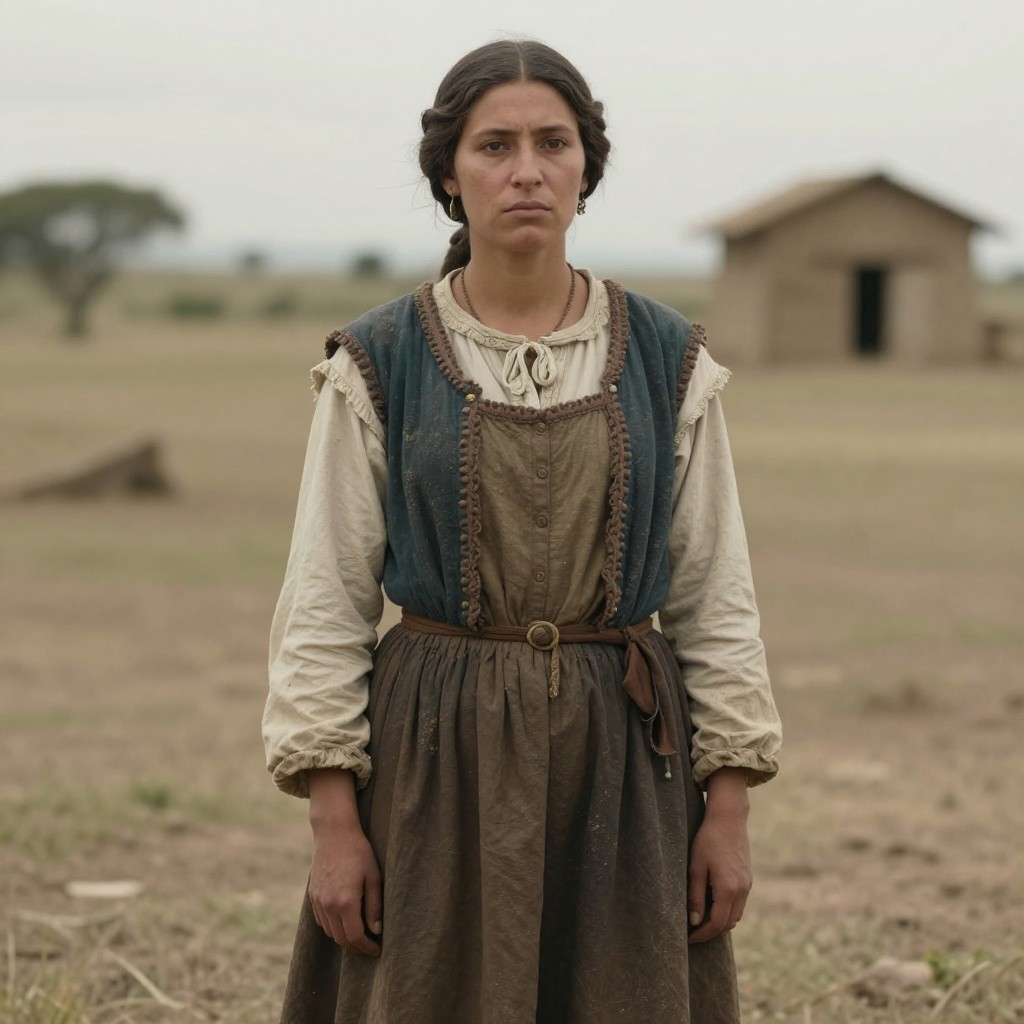
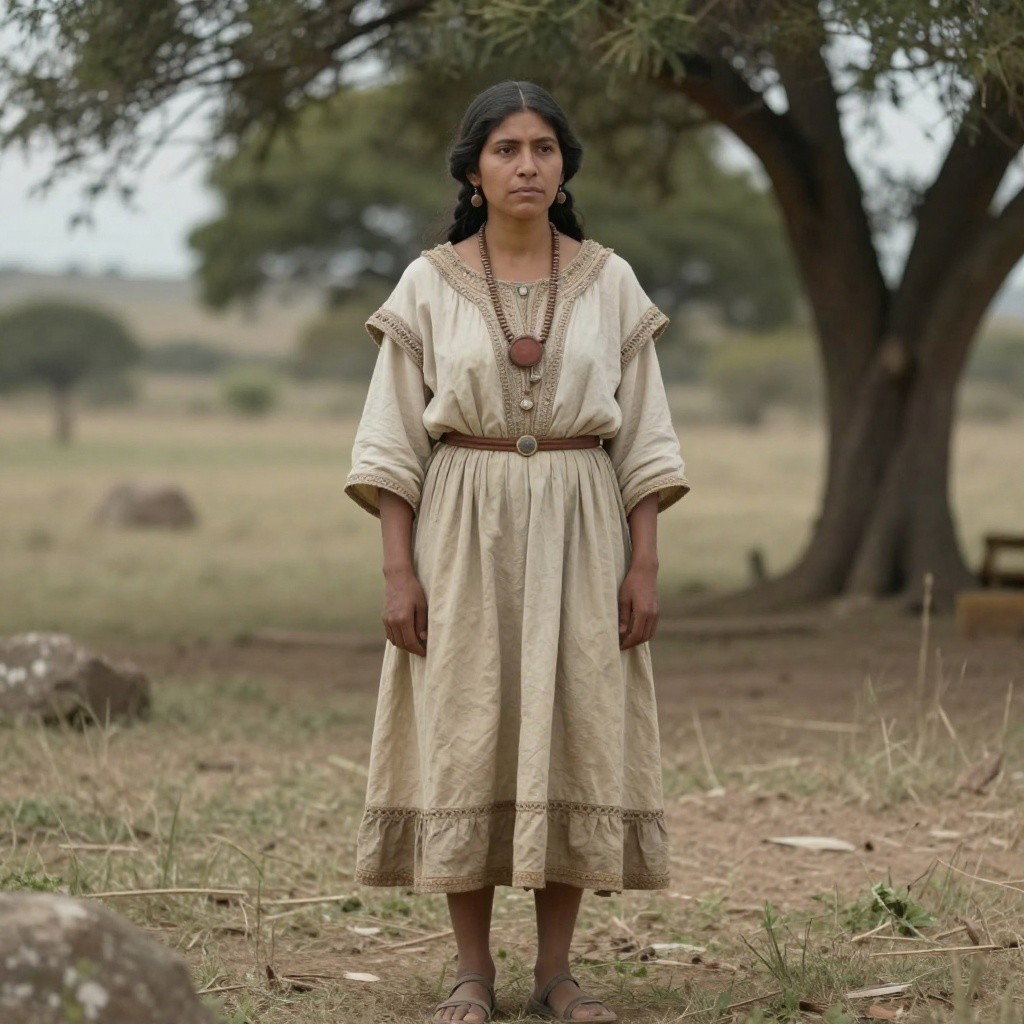
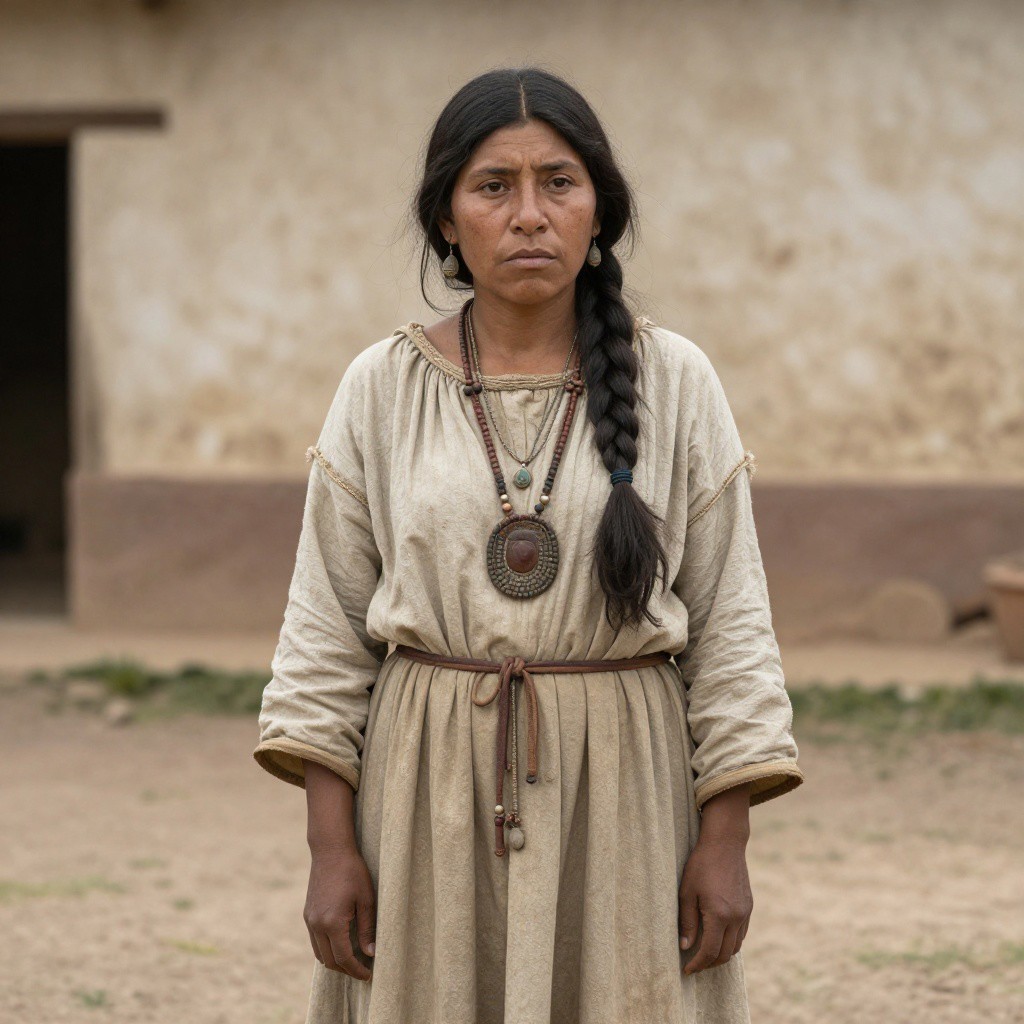
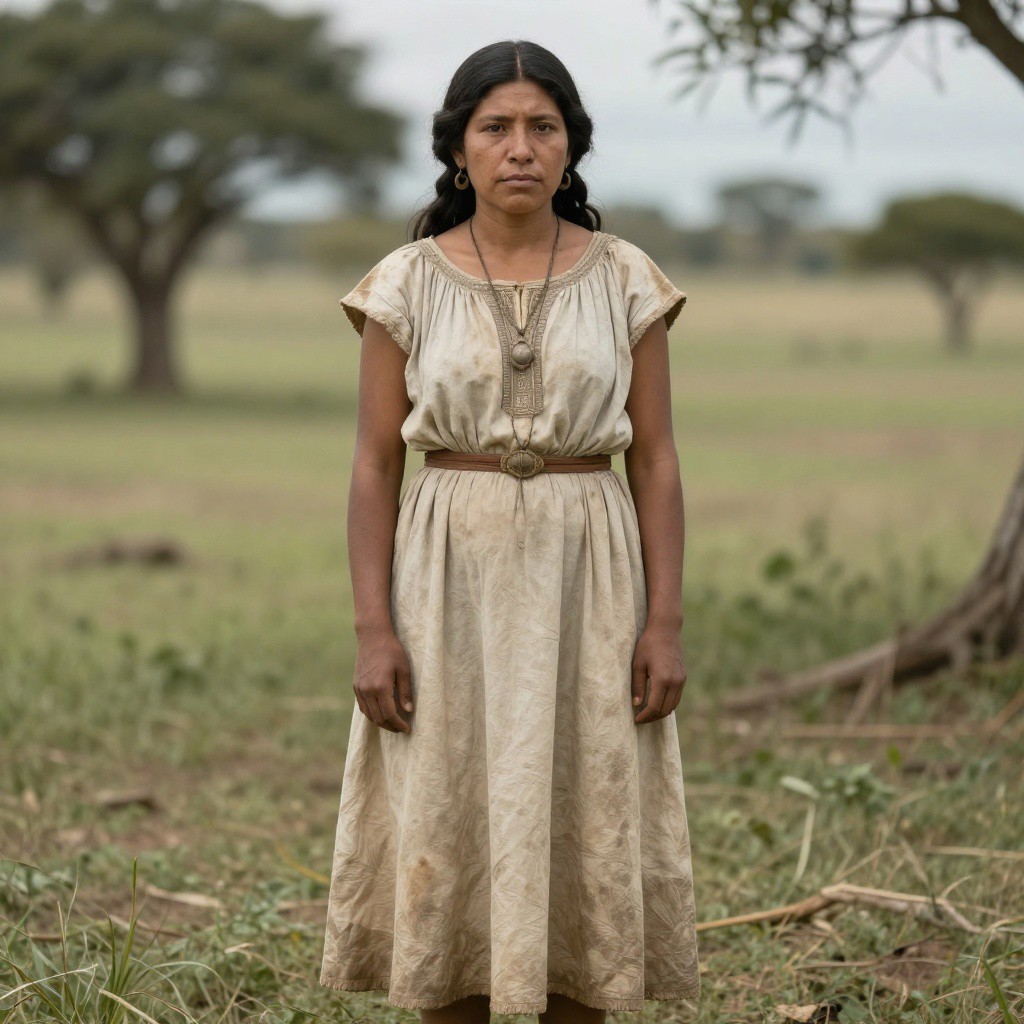
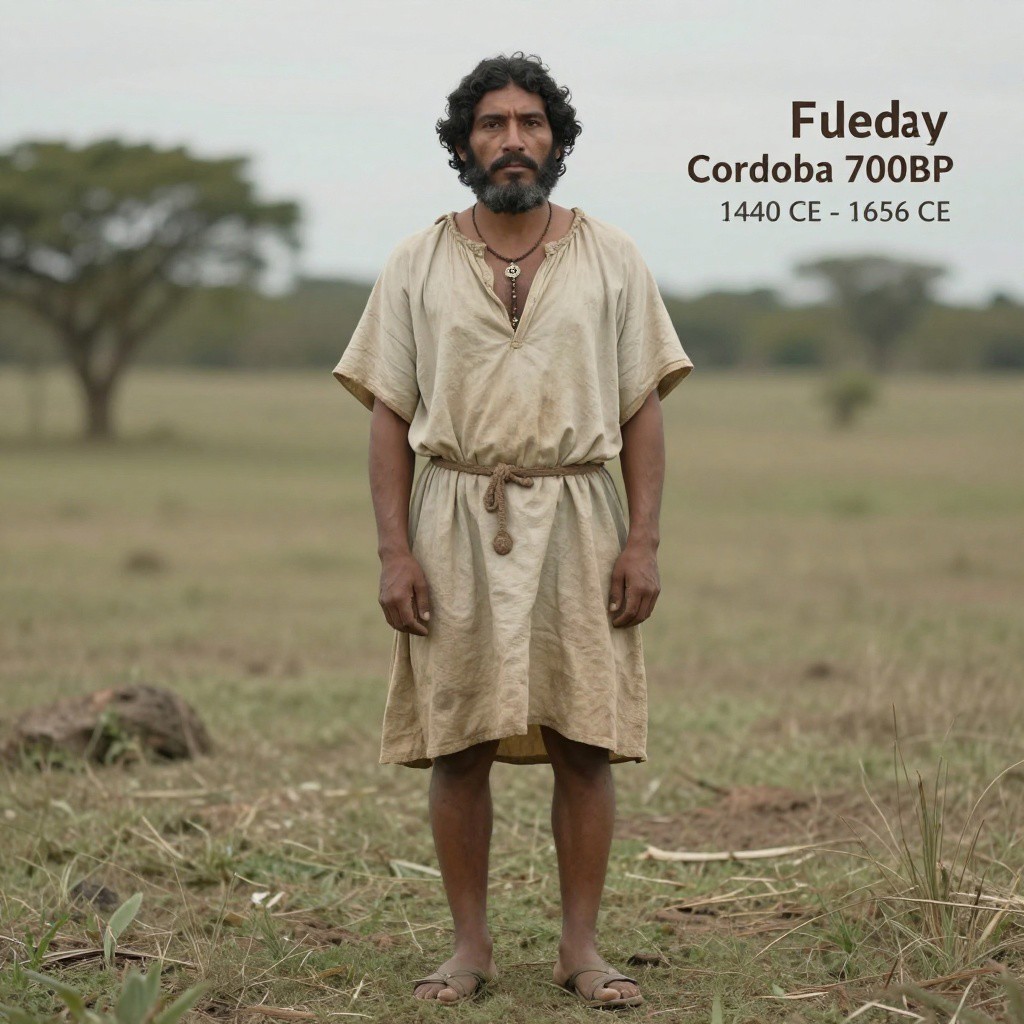
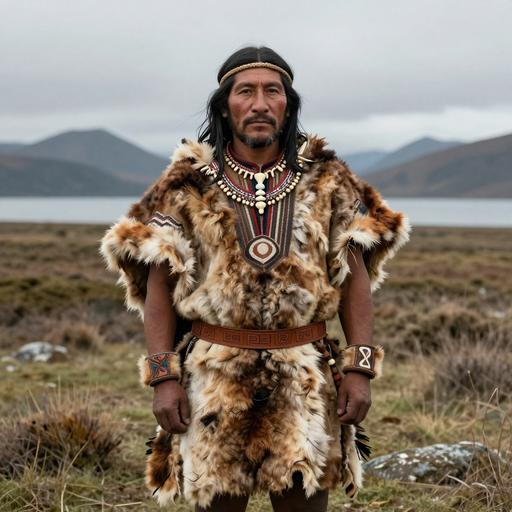
Portrait of ancient individual MA577 from Argentina, dated 1800 CE - 1900 CE
MA577
Argentina North Tierra del Fuego Selknam Culture 100 Years Ago 1800 CE - 1900 CE Selknam D1g5 Direct
Portrait of ancient individual MA577 from Argentina, dated 1800 CE - 1900 CE
MA577
Argentina South America Modern Era 1800 CE - 1900 CE D1g5 Direct
Chapter VI

Carrier Distribution Map

Geographic distribution of 2 ancient DNA samples (direct and subclade carriers of D1G5)

Direct carrier
Time Period Filter
All Time Periods
Showing all samples
Chapter VII

Temporal Distribution

Distribution of carriers across archaeological periods

Chapter VIII

Geographic Distribution

Distribution by country of origin (direct and subclade carriers shown by default)

Chapter IX

Country × Era Distribution

Cross-tabulation of carrier countries and archaeological periods (direct and subclade carriers shown by default)

Data

Data & Provenance

Source information and data quality

Last Updated 2026-06-14
Confidence Score 50/100
Coverage Low
Data Source

We use the latest phylotree for MTDNA haplogroup classification and data.