Menu
mtDNA Haplogroup • Maternal Lineage

H101

mtDNA Haplogroup H101

~4,000 years ago
Western Europe / Near East
0 subclades
Scroll to explore
Chapter I

The Story

The journey of mtDNA haplogroup H101

Origins and Evolution

H101 is a downstream subclade of mtDNA haplogroup H10, which itself belongs to the larger and widely distributed macro-haplogroup H. As a nested lineage, H101 most plausibly arose after the diversification of H10, probably during the later Holocene. Based on the phylogenetic position beneath H10 and the geographic pattern of related H10 subclades, a Bronze Age / Late Neolithic origin in western or adjacent parts of Eurasia (approximately 4–6 kya) is a reasonable inference, although the small number of confirmed H101 samples makes precise dating uncertain.

The evolution of H101 should be understood in the context of the dynamic maternal diversity of postglacial Europe, where multiple H subclades expanded with Mesolithic populations and later Neolithic farmers, then experienced further reshaping through Bronze Age migrations and localized founder events. Because H101 is rare, it may reflect a localized mutation that survived in small, regionally confined maternal lineages rather than a major continent-wide expansion.

Subclades (if applicable)

At present, H101 is represented as a low-frequency terminal branch beneath H10 with little extensively documented internal substructure. Published datasets and public mtDNA trees show only a small number of samples attributable to H101; therefore, clearly resolved downstream subclades of H101 are limited or presently unnamed. Further high-resolution mitogenome sequencing from both modern populations and ancient remains would be required to reveal any finer subclade structure and to confirm proposed internal branches.

Geographical Distribution

H101 is presently reported at low frequencies and in scattered locations consistent with the broader footprint of H10. Modern occurrences and the few archaeological detections point to a concentration in Western and Southern Europe with sporadic presence in Scandinavia, Central/Eastern Europe, the Near East, and Northwest Africa. The distribution pattern suggests survival of H101 in multiple small regional pockets rather than a single coherent expansion center.

Because sample counts are small, reported occurrences can be influenced by sampling bias (for example, denser sampling in Iberia or Britain will detect rare local lineages more readily). Ancient DNA hits, where present, help anchor H101 to Holocene European contexts, but more ancient mitogenomes are needed for robust spatiotemporal reconstructions.

Historical and Cultural Significance

H101 itself does not appear to be associated with any major continent-scale demographic event; rather, it likely represents a localized maternal lineage that persisted through several archaeological periods. Its parent haplogroup H10 is documented in Mesolithic, Neolithic and later contexts, so H101 may have survived through transitions such as the Neolithic farmer expansions and Bronze Age movements, sometimes becoming detectable in archaeological contexts associated with cultures like Bell Beaker or other late Neolithic/Bronze Age networks in western Europe.

Because H101 is rare, it is not diagnostic of any single archaeological culture or migration on its own. Instead, it can provide useful fine-scale resolution when combined with archaeological provenance and autosomal data, helping to trace maternal ancestry in regional genealogies.

Conclusion

mtDNA H101 is a rare, downstream branch of H10 likely originating in western/adjacent Eurasia during the mid-to-late Holocene (roughly the Bronze Age). Its limited sample size constrains confident statements about precise origin time, spread, and substructure; however, existing evidence supports a pattern of low-frequency, regionally patchy occurrence across Europe and neighboring regions. Expanded mitogenome sequencing in modern populations and targeted ancient DNA sampling will be needed to clarify the full history and internal diversity of H101.

Key Points

  • Origins and Evolution
  • Subclades (if applicable)
  • Geographical Distribution
  • Historical and Cultural Significance
  • Conclusion
Chapter II

Tree & Relationships

Phylogenetic context and subclades

Evolution Path

This haplogroup's evolutionary journey from its earliest ancestor to the present.

Steps Haplogroup Age Estimate Archaeology Era Time Passed Immediate Descendants Tested Modern Descendants Ancient Connections
1 H101 Current ~4,000 years ago 🔶 Bronze Age 4,500 years 0 0 0
2 H10 ~12,000 years ago 🌾 Neolithic 12,000 years 9 32 0
3 H1 ~15,000 years ago 🏹 Mesolithic 15,000 years 28 2,656 74
4 H ~25,000 years ago 🦴 Paleolithic 25,000 years 9 6,551 991
5 HV ~30,000 years ago 🦴 Paleolithic 30,000 years 10 7,905 228
6 R ~60,000 years ago 🦴 Paleolithic 60,000 years 12 10,987 57
7 N ~60,000 years ago 🦴 Paleolithic 60,000 years 15 15,452 13
8 L3 ~70,000 years ago 🦴 Paleolithic 70,000 years 11 17,621 6
9 L ~160,000 years ago 🦴 Paleolithic 160,000 years 7 18,987 5

Subclades (0)

Terminal branch - no known subclades

Siblings (8)

Other branches from the same parent haplogroup

Chapter III

Where in the World

Geographic distribution and modern presence

Place of Origin

Western Europe / Near East

Modern Distribution

The populations where MTDNA haplogroup H101 is found include:

  1. Iberian populations (Spain, Portugal)
  2. Western European populations (France, Britain, Ireland)
  3. Southern Europe (Italy, Greece, the Balkans)
  4. Scandinavian populations (Norway, Sweden, Denmark)
  5. Central and Eastern Europe (Germany, Poland, Czechia, Hungary)
  6. Near Eastern and Anatolian populations (Turkey, Caucasus, Levant) at low-to-moderate levels
  7. Northwest African populations (Morocco, Algeria) at low frequency
  8. Present sporadically in Jewish and various Mediterranean island communities
CHAPTER IV

When in Time

Your haplogroup in the context of human history

~10k years ago

Neolithic Revolution

Agriculture begins, settled communities form

~5k years ago

Bronze Age

Metalworking, writing, and early civilizations

~4k years ago

Haplogroup H101

Your mtDNA haplogroup emerged in Western Europe / Near East

Western Europe / Near East
~3k years ago

Iron Age

Iron tools, expanded trade networks

~2k years ago

Classical Antiquity

Greek and Roman civilizations flourish

Present

Present Day

Modern era

Your Haplogroup
Historical Era
Chapter IV-B

Linked Cultures

Ancient cultures associated with mtDNA haplogroup H101

Cultural Heritage

These ancient cultures have been linked to haplogroup H101 based on matching ancient DNA samples from archaeological excavations. The presence of this haplogroup in these cultures provides insights into the migrations and population movements of populations carrying this haplogroup.

Bell Beaker Jirentaigoukou Culture Kuokesuxi Culture Linear Pottery Culture Norse Saka Sargat Culture Sopot Culture Swiss Neolithic Tasmola Culture
Culture assignments are based on archaeological context of ancient DNA samples and may represent regional associations during specific time periods.
Chapter V

Sample Catalog

6 direct carriers of haplogroup H101

6 / 6 samples
Portrait Sample Country Era Date Culture mtDNA Match
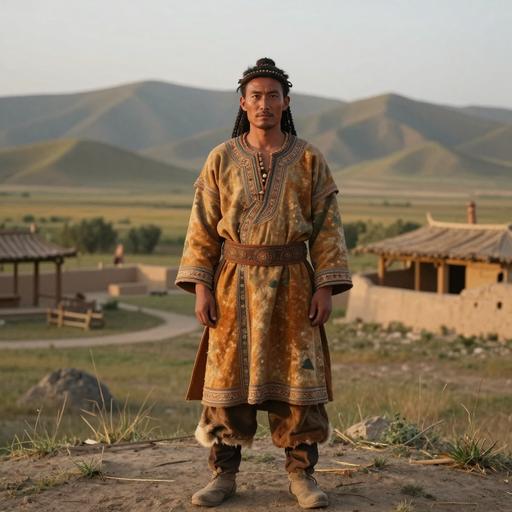
Portrait of ancient individual C1664 from China, dated 144 BCE - 24 BCE
C1664
China Early Iron Age Kuokesuxi, Xinjiang, China 144 BCE - 24 BCE Kuokesuxi Culture H101 Direct
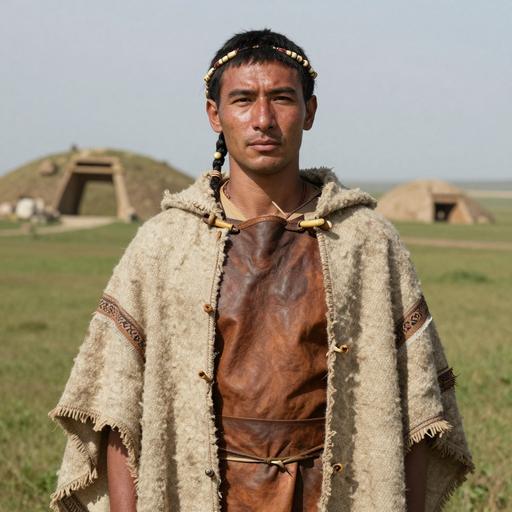
Portrait of ancient individual C1364 from China, dated 356 BCE - 106 BCE
C1364
China Iron Age Jirentaigoukou, Xinjiang, China 356 BCE - 106 BCE Jirentaigoukou Culture H101 Direct
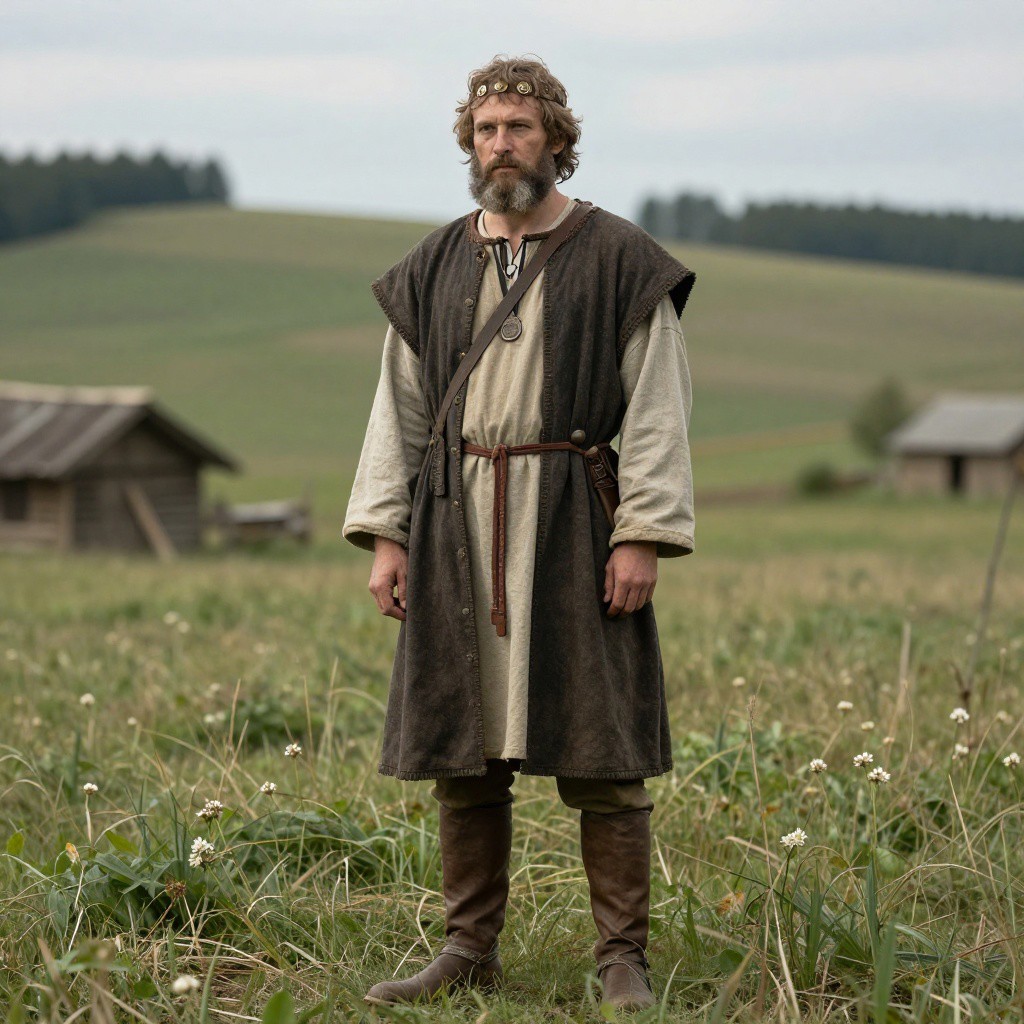
Portrait of ancient individual SHD002 from Russia, dated 500 BCE - 200 BCE
SHD002
Russia Iron Age Sargat Culture, Russia 500 BCE - 200 BCE Sargat Culture H101 Direct
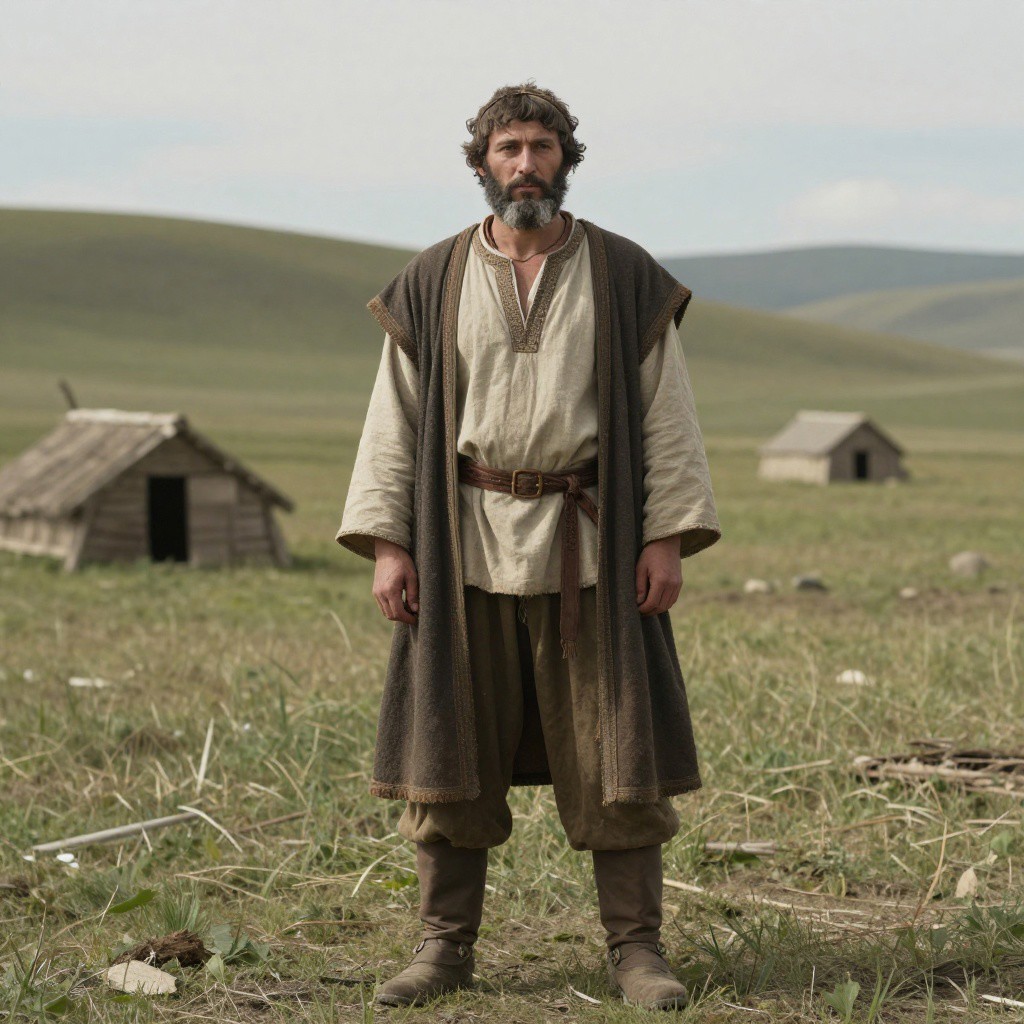
Portrait of ancient individual DA14 from Kazakhstan, dated 767 BCE - 419 BCE
DA14
Kazakhstan Saka Culture in Kazakhstan 767 BCE - 419 BCE Saka H101 Direct
Portrait of ancient individual DA14 from Kazakhstan, dated 767 BCE - 419 BCE
DA14
Kazakhstan The Scythian and Saka Cultures 767 BCE - 419 BCE H101 Direct
Portrait of ancient individual KSH002 from Kazakhstan, dated 898 BCE - 779 BCE
KSH002
Kazakhstan Early Iron Age Tasmola Culture, Kazakhstan 898 BCE - 779 BCE Tasmola Culture H101 Direct
Chapter VI

Carrier Distribution Map

Geographic distribution of 6 ancient DNA samples (direct and subclade carriers of H101)

Direct carrier
Time Period Filter
All Time Periods
Showing all samples
Chapter VII

Temporal Distribution

Distribution of carriers across archaeological periods

Chapter VIII

Geographic Distribution

Distribution by country of origin (direct and subclade carriers shown by default)

Chapter IX

Country × Era Distribution

Cross-tabulation of carrier countries and archaeological periods (direct and subclade carriers shown by default)

Data

Data & Provenance

Source information and data quality

Last Updated 2026-02-16
Confidence Score 50/100
Coverage Low
Data Source

We use the latest phylotree for MTDNA haplogroup classification and data.