mtDNA · Maternal lineage

K2B1

mtDNA Haplogroup K2B1

A reference profile for one lineage branch. Shared haplogroups do not establish a family relationship or cultural identity.

Reference profile

Branch background

Historical context for mtDNA lineage branch K2B1

Origins and Evolution

mtDNA haplogroup K2B1 is a downstream branch of haplogroup K2B, itself nested within mtDNA haplogroup K2 and the broader clade K. Based on phylogenetic position and coalescence estimates for K2 and K2B, K2B1 most likely formed in the Near East / Anatolia region during the Late Glacial to Early Holocene (roughly around 9–10 kya). Its emergence fits the pattern of maternal lineages that diversified in West Asia around the Pleistocene-Holocene transition and later participated in demographic movements associated with the rise and spread of Near Eastern farming populations.

Subclades (if applicable)

K2B1 is a defined subclade of K2B; published phylogenies show limited deep substructure within K2B1 in modern datasets, reflecting either a relatively recent origin or sparse sampling. Where deeper branching is reported, sublineages tend to be regionally restricted, consistent with founder effects in island or isolated continental populations (for example Mediterranean islands or highland Caucasus groups). Continued mitochondrial sequencing of diverse and ancient samples may reveal further internal structure.

Geographical Distribution

K2B1 is observed at low to moderate frequencies in populations with historical ties to Near Eastern demography and Neolithic expansions. Modern occurrences are most frequent in Anatolia and adjacent West Asian areas and are present throughout Southern Europe (including Italy, Greece, Iberia and Mediterranean islands such as Sardinia), the Caucasus, and within some Ashkenazi Jewish lineages at low–moderate representation relative to total K diversity. Sporadic low-frequency occurrences also appear in parts of Western and Northern Europe, North Africa (coastal regions with Near Eastern contact), and small numbers in Central Asia where east–west contacts occurred. K2B1 has also been detected in a modest number of ancient DNA samples (~12 in the referenced database), usually in Neolithic or post-Neolithic contexts tied to farmer-descended populations.

Historical and Cultural Significance

The distribution and timing of K2B1 are consistent with a role in Neolithic demographic expansions: lineages related to K2B1 likely moved from Anatolian/Levantine source populations into Europe with early farming groups such as those associated with the Anatolian Neolithic and early European farming cultures (for example, LBK and Cardial-related groups). Its presence in modern populations of the Caucasus and the Near East reflects continuity and regional exchange, while occurrences in Ashkenazi Jewish communities reflect founder effects and admixture with Levantine/Anatolian maternal pools. Later archaeological cultures (Bronze Age and onward) show lower-level persistence or dispersal of K2B1 rather than clear massive expansions, consistent with a maternal lineage that contributed to but did not dominate continental demographic shifts.

Conclusion
K2B1 is best understood as a Near Eastern/Anatolian-derived maternal lineage that diversified around the beginning of the Holocene and spread into Europe principally with Neolithic farmers. It remains a low-to-moderate frequency lineage across pockets of the Mediterranean, the Caucasus and the Near East, and its detection in several ancient samples supports continuity from early agricultural contexts into many modern populations. Improved sampling and ancient mtDNA sequencing will refine subclade definitions and better resolve the demographic events that shaped its present-day distribution.

Key Points

  • Origins and Evolution
  • Subclades (if applicable)
  • Geographical Distribution
  • Historical and Cultural Significance
  • Conclusion
Reference profile

Tree & Relationships

Phylogenetic context and subclades

Evolution Path

Follow the recorded parent branches toward K2B1. Dates are estimates and can change as reference data is revised.

Steps Haplogroup Age Estimate Archaeology Era Time Passed Immediate Descendants Tested Modern Descendants Ancient Connections
1 K2B1 Current ~9,000 years ago Neolithic 9,000 years 2 32 0
2 K2B ~10,000 years ago Neolithic 10,000 years 2 36 17
3 K2 ~12,000 years ago Neolithic 12,000 years 2 129 9
4 K ~16,000 years ago Mesolithic 16,000 years 4 1,769 55
5 U8B ~30,000 years ago Paleolithic 30,000 years 2 1,805 1
6 U8B'C - - - 2 1,834 0
7 U8 ~45,000 years ago Paleolithic 45,000 years 2 1,873 5
8 U2'3'4'7'8'9 - - - 5 3,500 0
9 U ~46,000 years ago Paleolithic 46,000 years 5 5,557 110
10 R ~55,000 years ago Paleolithic 55,000 years 17 22,830 57
11 NA - - - 1 22,830 0
12 N ~60,000 years ago Paleolithic 60,000 years 16 26,150 13
13 L3 ~70,000 years ago Paleolithic 70,000 years 7 30,162 6
14 L3'4 - - - 2 30,212 0
15 L3'4'6 - - - 2 30,216 0
16 L2'3'4'6 - - - 2 31,333 0
17 L2'3'4'5'6'7 - - - 2 31,349 0
18 L1'2'3'4'5'6'7 - - - 2 31,852 0
19 L ~160,000 years ago Paleolithic 160,000 years 2 32,236 5

Siblings (1)

Other branches from the same parent haplogroup

Reference profile

Where in the World

Geographic distribution and modern presence

Recorded origin

Near East / Anatolia

Modern Distribution

The populations where mtDNA haplogroup K2B1 is found include:

  1. Ashkenazi Jewish communities (low–moderate representation within broader K diversity)
  2. Anatolian (modern Turkey) populations
  3. European Early Neolithic farmer-descended populations (e.g., LBK and related groups)
  4. Southern European populations (Iberia, Italy, Greece, and Mediterranean islands such as Sardinia)
  5. Western and Northern European populations (British Isles, Scandinavia) at low to moderate frequencies
  6. Caucasus populations (Armenians, Georgians, and adjacent highland groups)
  7. North African coastal communities with Near Eastern admixture
  8. Iranian, Levantine, and Near Eastern populations
  9. Island and isolated Mediterranean populations (e.g., Sardinians and some Aegean islands)
  10. Small but detectable occurrences in parts of Central Asia due to west–east contacts
Historical context

A branch through time

Estimated formation in a broad historical timeline. Period markers provide context and do not imply a connection with particular cultures.

  1. ~10k years ago

    Neolithic Revolution

    Agriculture begins, settled communities form

  2. ~9k years ago

    Haplogroup K2B1

    Estimated formation of this mtDNA branch; dates and locations are reference estimates.

    This branch
  3. ~5k years ago

    Bronze Age

    Metalworking, writing, and early civilizations

  4. ~3k years ago

    Iron Age

    Iron tools, expanded trade networks

  5. ~2.5k years ago

    Classical Antiquity

    Greek and Roman civilizations flourish

  6. Present

    Present Day

    Modern era

Reference profile

Archaeological context

Recorded archaeological associations for mtDNA branch K2B1

Recorded associations

These labels describe archaeological contexts recorded for reference samples linked to K2B1. An association does not establish that all carriers belonged to a culture or followed a particular migration route.

Anatolian Epipaleolithic Bell Beaker Bodrogkeresztur British Megalithic French Neolithic Linear Pottery Culture Middle Stentinello Minoan Popova Culture Roman Hispania Sicilian Bronze Age Swiss Early Bronze
Culture assignments are based on archaeological context of ancient DNA samples and may represent regional associations during specific time periods.
Reference profile

Sample Catalog

11 direct carriers and 32 subclade carriers of haplogroup K2B1

10 shown · 43 matching samples

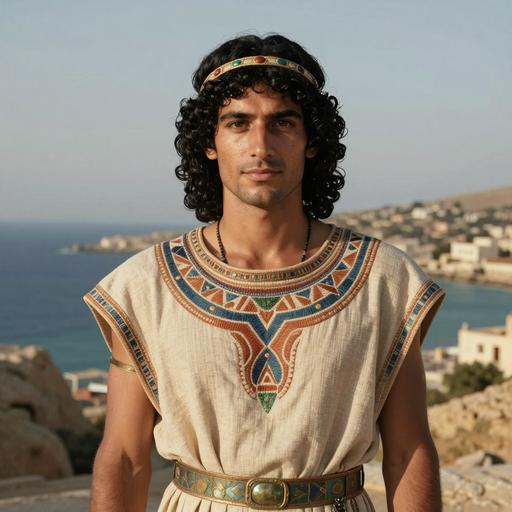
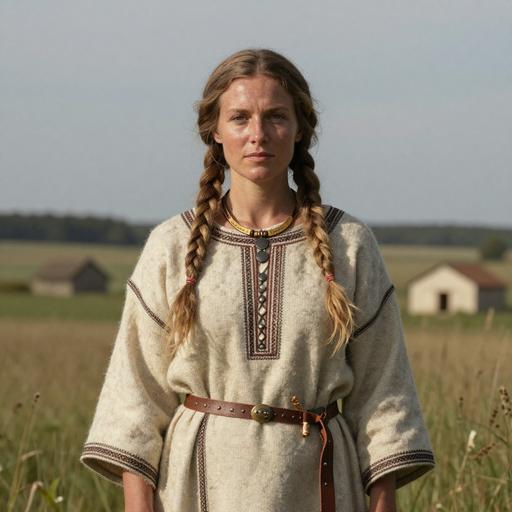
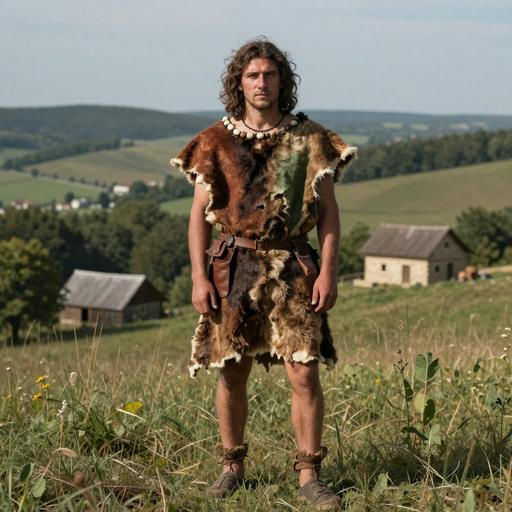
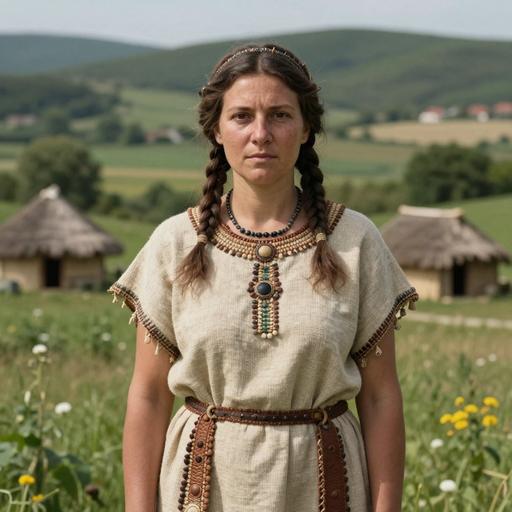
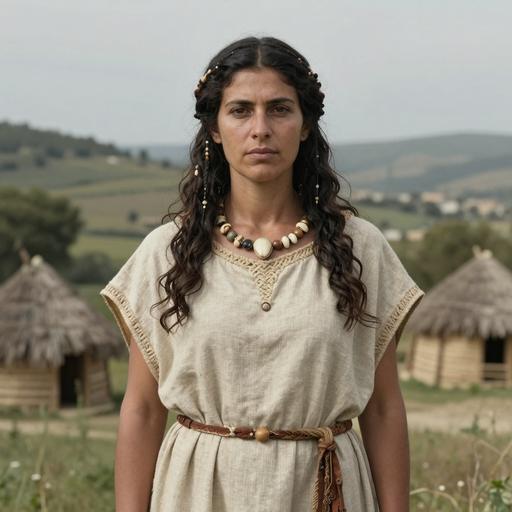
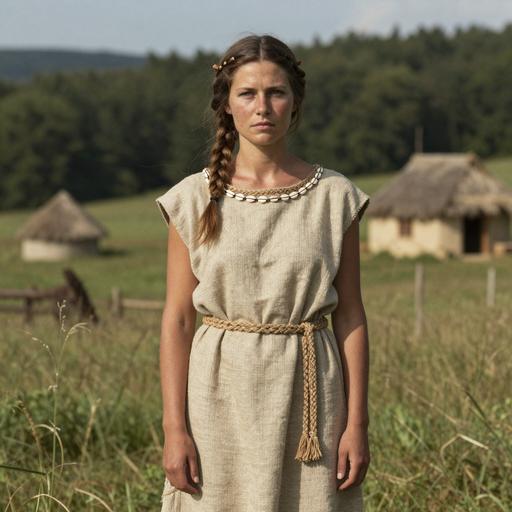
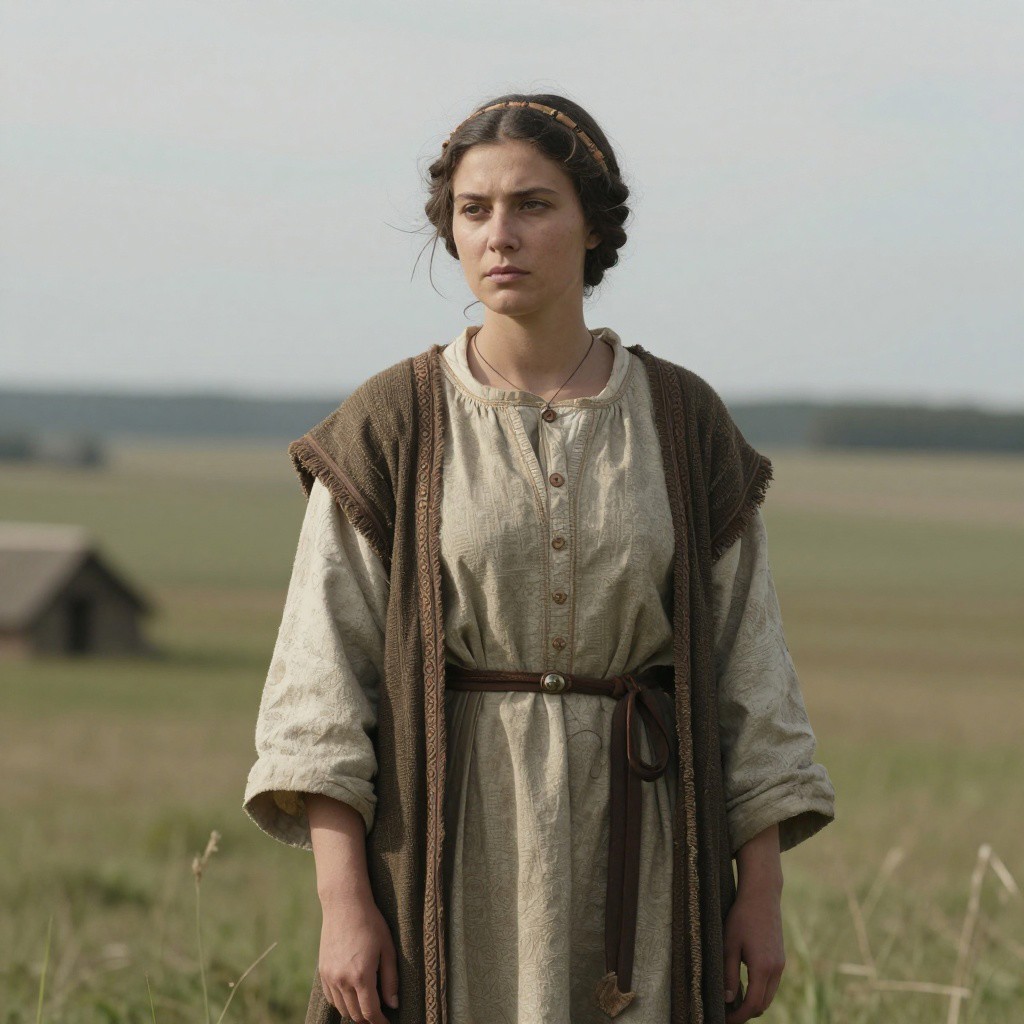
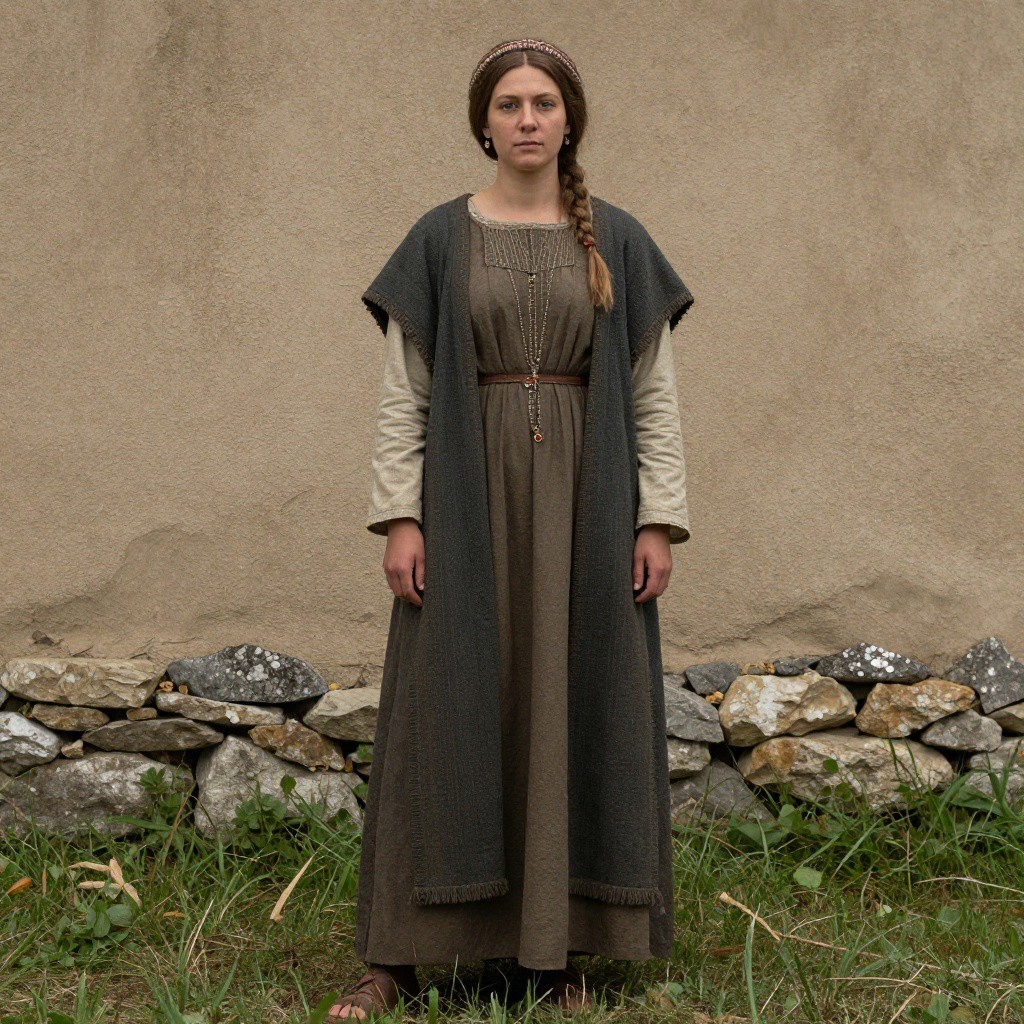
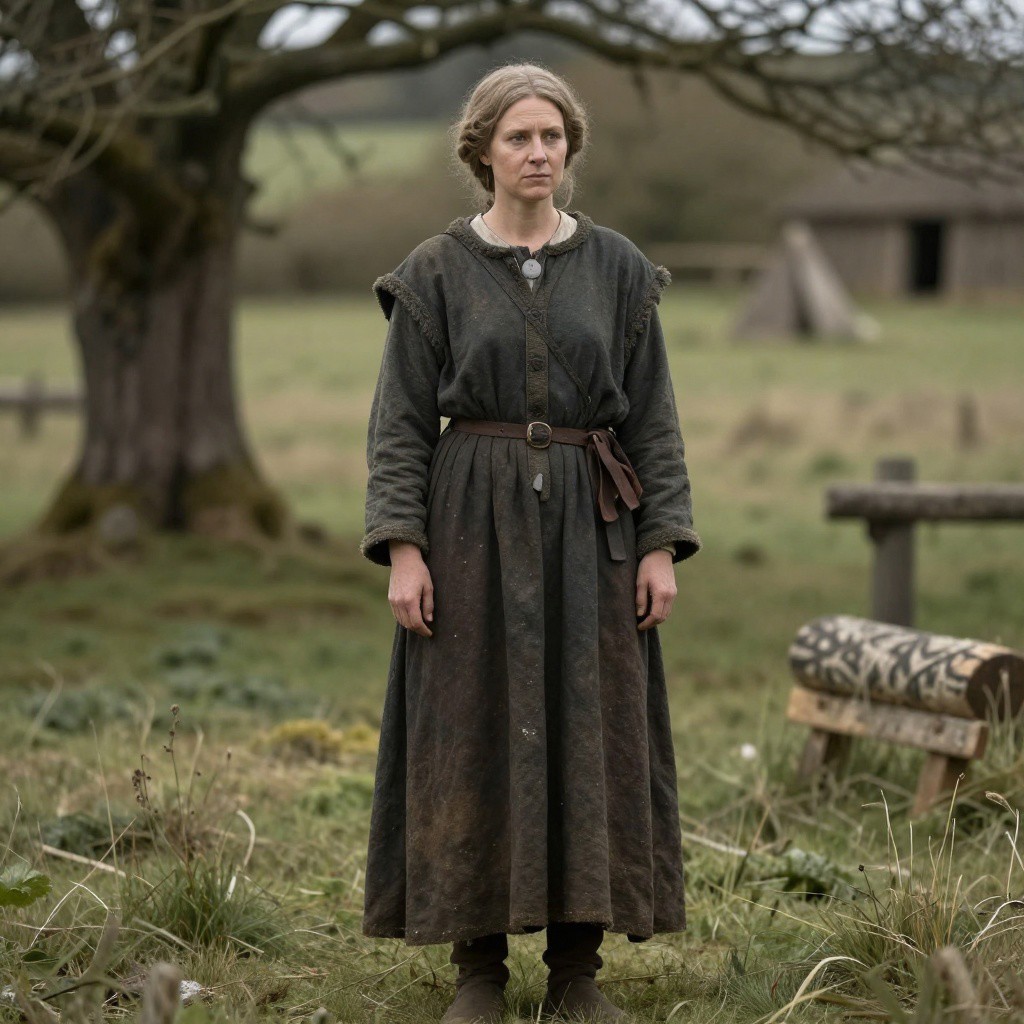
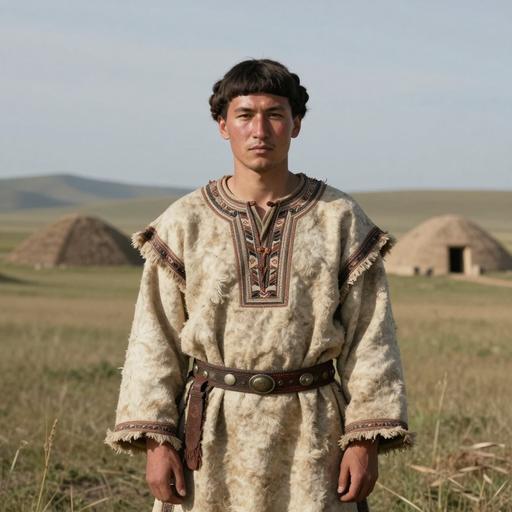
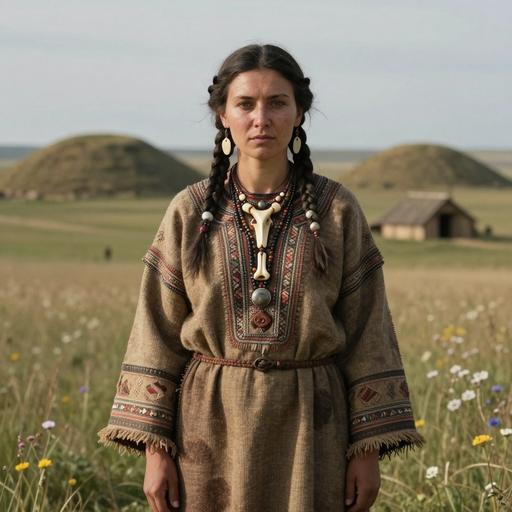
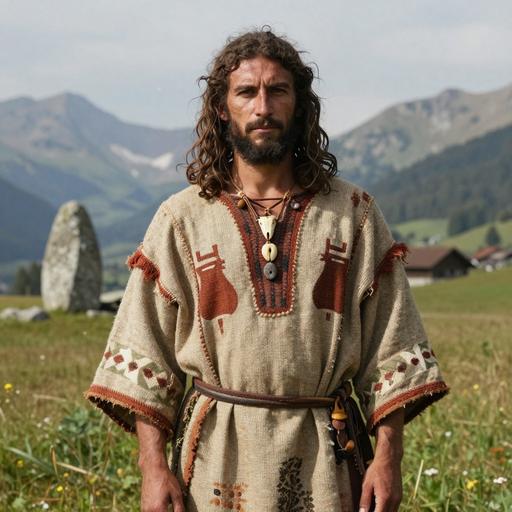
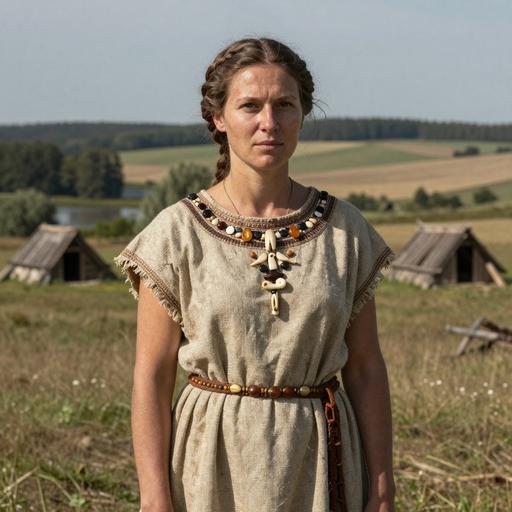
Portraits are AI-generated illustrations. Sample labels and accession IDs identify the reference records.
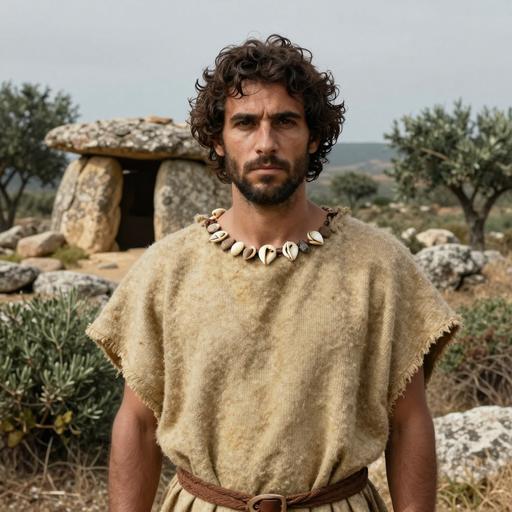
Portrait Sample Country Era Date Culture mtDNA Match
AI-generated illustrative portrait of Imperial Roman-o Local individual, Girona. Empuries. necropolis Centre de Visitants, Spain (100-300 CE)
Sample ID: I8202
Spain Roman Period Spain 100-300 CE Roman Hispania K2b1 Direct
AI-generated illustrative portrait of Minoan individual, Heraklion (Crete), Greece (1,613-1,506 BCE)
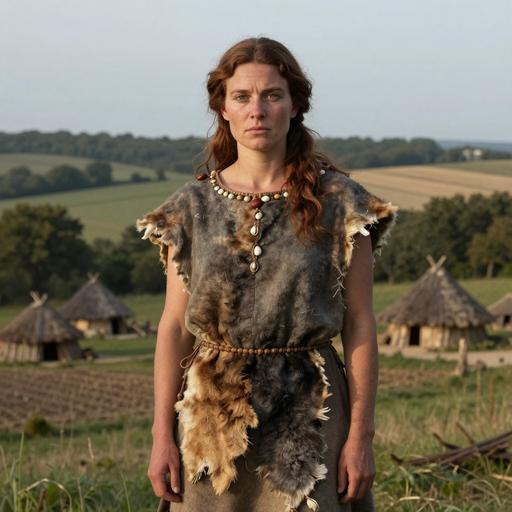
Sample ID: APO023
Greece Greece Crete Aposelemis LBA 1613 BCE - 1506 BCE Minoan K2b1 Direct
AI-generated illustrative portrait of EBA-1 individual, Wartau, Switzerland (2,461-2,291 BCE)
Sample ID: TU914(SX26)
Switzerland Switzerland EBA 1 2461-2291 calBCE (3880±21 BP, BE-8019.1.1) Swiss Early Bronze K2b1 Direct
AI-generated illustrative portrait of Czechia Bell Beaker individual, Velké Přílepy, Czech Republic (2,500-1,900 BCE)
Sample ID: I6468
Czech Republic Bell Beaker Culture, Czech Republic 2500-1900 BCE Bell Beaker K2b1 Direct
AI-generated illustrative portrait of England EN Megalithic individual, England. Gloucestershire. Cheltenham. Hazleton North, United Kingdom (3,650-3,528 BCE)

Sample ID: I30299
United Kingdom Megalithic Neolithic England 3650-3528 calBCE (4825±25 BP, PSUAMS-12665) British Megalithic K2b1 Direct
AI-generated illustrative portrait of England EN Megalithic individual, England. Gloucestershire. Cheltenham. Hazleton North, United Kingdom (3,750-3,500 BCE)

Sample ID: I30302
United Kingdom Megalithic Neolithic England 3750-3500 BCE British Megalithic K2b1 Direct
AI-generated illustrative portrait of England EN Megalithic individual, England. Gloucestershire. Cheltenham. Hazleton North, United Kingdom (3,700-3,500 BCE)
Sample ID: I12440
United Kingdom Megalithic Neolithic England 3700-3500 BCE British Megalithic K2b1 Direct
AI-generated illustrative portrait of Bodrogkeresztur individual, Urziceni, Romania (4,400-3,500 BCE)
Sample ID: I18113
Romania Romania C Bodrogkeresztur 4400-3500 BCE Bodrogkeresztur K2b1 Direct
AI-generated illustrative portrait of MN individual, Osijek. Beli Manastir-Popova zemlja, Croatia (4,700-4,300 BCE)
Sample ID: POP06
Croatia Middle Neolithic Popova Culture 4700-4300 BCE Popova Culture K2b1 Direct
AI-generated illustrative portrait of Sicily MN individual, Sicily. Fossato di Stretto Partana, Italy (4,988-4,735 BCE)
Sample ID: I4065
Italy Italy Sicily MN 4988-4735 calBCE (5980±35 BP, PSUAMS-1951) Middle Stentinello K2b1 Direct
MATERNAL LINEAGE · ANCIENT DNA

Ancient lineage evidence map

Follow parent clades toward this branch and explore where ancient carriers were found.

Loading ancient observations…

Markers are archaeological find locations. A dashed connector is an uncertain, proposed geographic transition between consecutive branches supported by multiple dated observations; it is not an exact travel route, birthplace or proof of direct descent. Parent-clade samples may belong to other descendant branches. Gaps remain where evidence is insufficient. Sample dates differ from haplogroup formation dates.

Reference profile

Carrier Distribution Map

Geographic distribution of 43 ancient DNA samples (direct and subclade carriers of K2B1)

Direct carrier Subclade carrier
Time Period Filter
All Time Periods
Showing all samples
Reference profile

Temporal Distribution

Distribution of carriers across archaeological periods

Reference profile

Geographic Distribution

Counts by recorded sample country. These reflect the available reference selection, not population frequencies.

Reference profile

Country × Era Distribution

Compare recorded sample counts across countries and archaeological periods. Select a populated cell to inspect a sample.

Data

Data & Provenance

Source information and data quality

Last Updated 2026-02-16
Confidence Score 50/100
Coverage Low

Data Source

Classification, estimated dates and geographic context reflect the recorded reference data and may change as evidence is revised. Sample coverage is uneven; recorded locations and archaeological associations do not establish personal origin or cultural identity.

A haplogroup follows one maternal or paternal line. The branch prediction depends on which markers the DNA file contains. How our analysis works