mtDNA · Maternal lineage

T2A1

mtDNA Haplogroup T2A1

A reference profile for one lineage branch. Shared haplogroups do not establish a family relationship or cultural identity.

Reference profile

Branch background

Historical context for mtDNA lineage branch T2A1

Origins and Evolution

mtDNA haplogroup T2A1 is a subclade of T2A, itself a branch of haplogroup T2 which derives from macro-haplogroup T. Based on the phylogenetic position of T2A1 downstream of T2A and the known age of T2A (~12 kya), T2A1 most likely coalesced in the early Holocene (roughly ~9 kya) in the Near East or Anatolia. This timing and location are consistent with the period of postglacial population growth in the Near East and the early phases of the Neolithic transition when farming populations expanded into Europe.

T2A1 is defined by a set of additional private mutations downstream of the T2A motif (i.e., it carries the diagnostic mutations of T2 and T2A plus further derived sites specific to T2A1). As a maternal lineage associated with early farmers, T2A1 represents one of several mtDNA lineages that were carried westward from Anatolia and the Levant into Mediterranean and continental Europe during the Neolithic expansions.

Subclades (if applicable)

Current phylogenies indicate that T2A1 may have internal substructure in some datasets (local private branches found in Europe and Anatolia), but it is not among the most deeply subdivided mtDNA clades. Where sampled in ancient DNA, T2A1 often appears as single branches, suggesting localized diversification after arrival in Europe. Ongoing sequencing of whole mitochondrial genomes may reveal further named subclades of T2A1 in the future.

Geographical Distribution

Today T2A1 is detected at low to moderate frequencies across parts of Southern and Central Europe and at lower frequencies in the Near East, the Caucasus, North Africa and sporadically in Central Asia. The distribution pattern is consistent with an origin in the Near East/Anatolia followed by dispersal with Neolithic farmers and subsequent dilution by later population movements. In modern populations, T2A1 is most frequently observed in Mediterranean Europe (Italy, Greece, Iberia) and the Balkans, with scattered occurrences in Central and Eastern Europe. It is also reported in small numbers within some Jewish communities, reflecting historical migrations and founder effects.

Historical and Cultural Significance

Because of its age and distribution, T2A1 is usually interpreted as part of the maternal genetic legacy of early Neolithic agriculturalists. The lineage appears in a small number of ancient DNA samples tied to early farming contexts and later in sites associated with Bronze Age and post-Bronze Age societies. While not a signature haplogroup of any single archaeological culture, T2A1 is frequently grouped with other farmer-associated mtDNA lineages (for example H, J, K, and other T2 branches) and therefore contributes to genetic signals used to identify Anatolian/Levantine-derived ancestry in Europe.

T2A1's presence in both ancient and modern populations helps reconstruct migration routes along Mediterranean coastal corridors and inland into Central Europe during the Neolithic, and it can assist in fine-scale maternal lineage studies of regional population history, founder events, and maternal continuity.

Conclusion

T2A1 is a Neolithic-age maternal lineage that reflects early Holocene demographic processes in the Near East and the spread of farming into Europe. It is relatively uncommon but informative: its geographic and temporal distribution supports models of Anatolian origins for many European Neolithic maternal lineages and provides a useful marker for studies of maternal ancestry, prehistoric migrations, and regional maternal continuity over the Holocene.

Key Points

  • Origins and Evolution
  • Subclades (if applicable)
  • Geographical Distribution
  • Historical and Cultural Significance
  • Conclusion

Reference profile

Tree & Relationships

Phylogenetic context and subclades

Evolution Path

Follow the recorded parent branches toward T2A1. Dates are estimates and can change as reference data is revised.

Steps Haplogroup Age Estimate Archaeology Era Time Passed Immediate Descendants Tested Modern Descendants Ancient Connections
1 T2A1 Current ~9,000 years ago Neolithic 9,000 years 2 82 0
2 T2A ~12,000 years ago Neolithic 12,000 years 4 214 16
3 T2 ~21,000 years ago Mesolithic 21,000 years 13 1,141 70
4 T ~27,000 years ago Paleolithic 27,000 years 3 1,950 84
5 JT ~40,000 years ago Paleolithic 40,000 years 2 4,094 1
6 R2'JT - - - 2 4,133 0
7 R ~55,000 years ago Paleolithic 55,000 years 17 22,830 57
8 NA - - - 1 22,830 0
9 N ~60,000 years ago Paleolithic 60,000 years 16 26,150 13
10 L3 ~70,000 years ago Paleolithic 70,000 years 7 30,162 6
11 L3'4 - - - 2 30,212 0
12 L3'4'6 - - - 2 30,216 0
13 L2'3'4'6 - - - 2 31,333 0
14 L2'3'4'5'6'7 - - - 2 31,349 0
15 L1'2'3'4'5'6'7 - - - 2 31,852 0
16 L ~160,000 years ago Paleolithic 160,000 years 2 32,236 5

Siblings (3)

Other branches from the same parent haplogroup

Reference profile

Where in the World

Geographic distribution and modern presence

Recorded origin

Near East / Anatolia

Modern Distribution

The populations where mtDNA haplogroup T2A1 is found include:

  1. Southern European populations (Italy, Greece, Iberia)
  2. Central European populations (Germany, Austria, the Balkans)
  3. Eastern European populations (Balkans and parts of Eastern Europe)
  4. Near Eastern / Anatolian populations
  5. North African populations (low frequencies)
  6. Caucasus populations and Anatolia
  7. Central Asian populations (sporadic)
  8. Jewish populations (including some Ashkenazi and Sephardi lineages)
Historical context

A branch through time

Estimated formation in a broad historical timeline. Period markers provide context and do not imply a connection with particular cultures.

  1. ~10k years ago

    Neolithic Revolution

    Agriculture begins, settled communities form

  2. ~9k years ago

    Haplogroup T2A1

    Estimated formation of this mtDNA branch; dates and locations are reference estimates.

    This branch
  3. ~5k years ago

    Bronze Age

    Metalworking, writing, and early civilizations

  4. ~3k years ago

    Iron Age

    Iron tools, expanded trade networks

  5. ~2.5k years ago

    Classical Antiquity

    Greek and Roman civilizations flourish

  6. Present

    Present Day

    Modern era

Reference profile

Archaeological context

Recorded archaeological associations for mtDNA branch T2A1

Recorded associations

These labels describe archaeological contexts recorded for reference samples linked to T2A1. An association does not establish that all carriers belonged to a culture or followed a particular migration route.

Byzantine Anatolia Ghassulian Late Maykop Russia_Eneolithic_Caucasus Russia_Rostov_Eneolithic-2 Russia_Saratov_Eneolithic_Khvalynsk Saka Culture Santok Culture Srubnaya-Alakul Steppe Eneolithic Yamnaya Yasinovatka
Culture assignments are based on archaeological context of ancient DNA samples and may represent regional associations during specific time periods.
Reference profile

Sample Catalog

8 direct carriers and 92 subclade carriers of haplogroup T2A1

10 shown · 50 matching samples

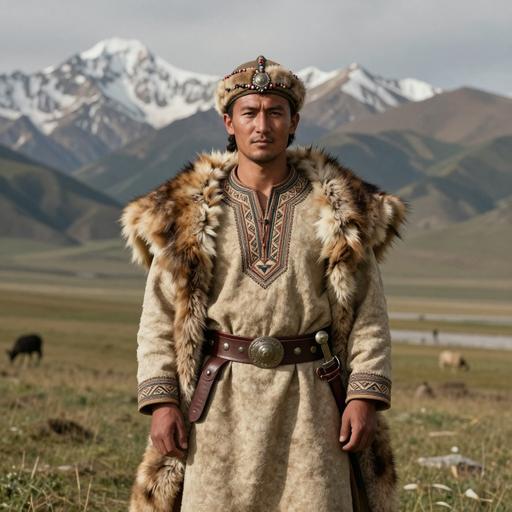
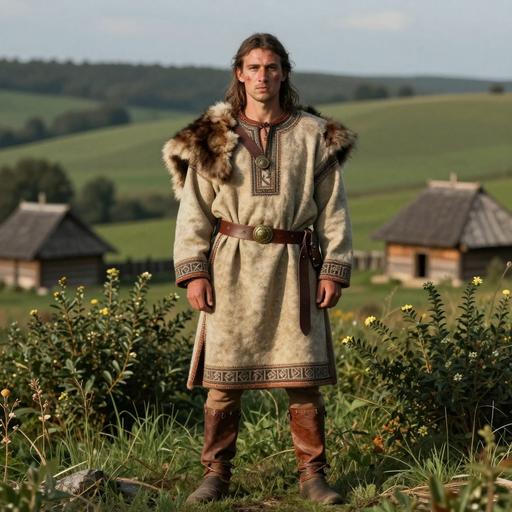
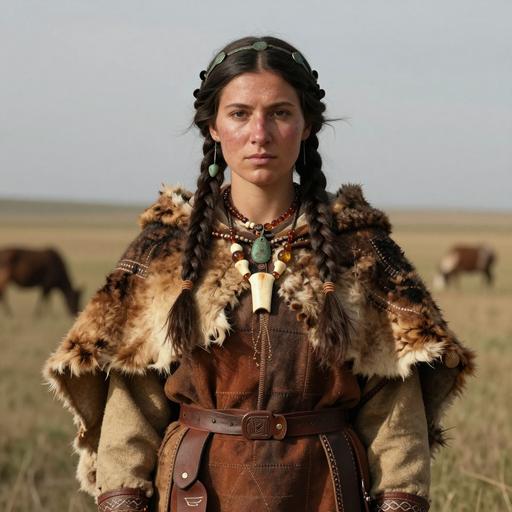
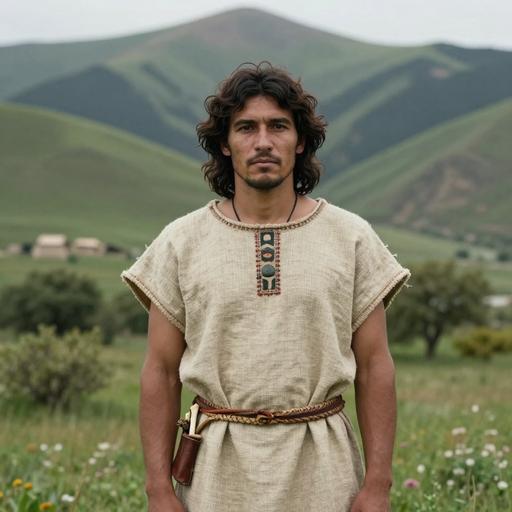
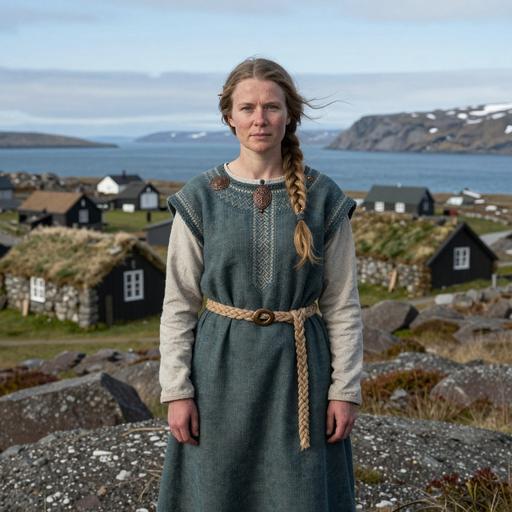
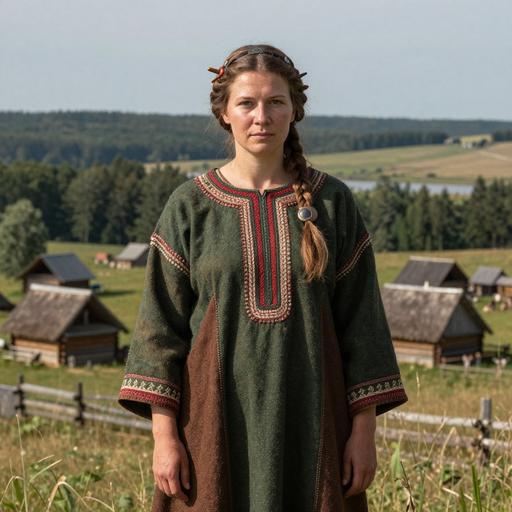
Portraits are AI-generated illustrations. Sample labels and accession IDs identify the reference records.

Portrait Sample Country Era Date Culture mtDNA Match
AI-generated illustrative portrait of Steppe Nomads individual, Tian Shan. Central Steppe, Kyrgyzstan (376-119 BCE)
Sample ID: DA49
Kyrgyzstan Kyrgyzstan TianShan Saka 376 BCE - 119 BCE Saka Culture T2a1 Direct
AI-generated illustrative portrait of Scythian Saka individual, Tian Shan. Central Steppe, Kyrgyzstan (376-119 BCE)
Sample ID: DA49
Kyrgyzstan The Scythian and Saka Cultures 376 BCE - 119 BCE T2a1 Direct
AI-generated illustrative portrait of Early Medieval Slav individual, Santok (Lubusz Province, Gorzów Wielkopolski, Santok), Poland (1,000-1,200 CE)
Sample ID: PCA0404
Poland Iron Age Santok Culture 1000-1200 CE Santok Culture T2a1 Direct
AI-generated illustrative portrait of Medieval Byzantine individual, Tilbeşar Höyük (Southeast. Gaziantep), Turkey (1,100-1,300 CE)
Sample ID: I14645
Turkey Southeast Byzantine Turkey 1100-1300 CE Byzantine Anatolia T2a1 Direct
AI-generated illustrative portrait of Indo-European individual, Republic of Bashkorstan. Near Usmanovo Village. Muradym 8, Russia (1,881-1,642 BCE)
Sample ID: mur003
Russia Srubnaya-Alakul Culture, Russia 1881 BCE - 1642 BCE Srubnaya-Alakul T2a1 Direct
AI-generated illustrative portrait of Srubnaya Alakul individual, Republic of Bashkorstan. Near Usmanovo Village. Muradym 8, Russia (1,881-1,642 BCE)
Sample ID: mur003
Russia The Srubnaya Culture 1881 BCE - 1642 BCE T2a1 Direct
AI-generated illustrative portrait of EBA Caucasus Yamnaya individual, Kuban steppe. Rasshevatskij 1, Russia (3,331-3,013 BCE)
Sample ID: RK1007
Russia Early Bronze Age Yamnaya Culture, Caucasus, Russia 3331-3013 calBCE (4447±22 BP, MAMS-29818) Yamnaya T2a1 Direct
AI-generated illustrative portrait of Late Maikop Caucasus individual, Piedmont. Mar'inskaja 5, Russia (3,400-3,000 BCE)
Sample ID: MK5004
Russia Late Maikop Culture, Caucasus, Russia 3400-3000 BCE Late Maykop T2a1 Direct
AI-generated illustrative portrait of Lazio Imperial Roman Roman individual, Casale del dolce, Italy (124-217 CE)
Sample ID: R123
Italy Imperial Rome 124-217 calCE (1875±15 BP, UCIAMS-198889) Roman Empire T2a1b Subclade
AI-generated illustrative portrait of England MIA individual, England. Cambridgeshire. Trumpington Meadows, United Kingdom (381-179 BCE)
Sample ID: I13728
United Kingdom England MIA 381-179 calBCE (2214±30 BP, SUERC-49488) Middle Iron Age British T2a1a Subclade
MATERNAL LINEAGE · ANCIENT DNA

Ancient lineage evidence map

Follow parent clades toward this branch and explore where ancient carriers were found.

Loading ancient observations…

Markers are archaeological find locations. A dashed connector is an uncertain, proposed geographic transition between consecutive branches supported by multiple dated observations; it is not an exact travel route, birthplace or proof of direct descent. Parent-clade samples may belong to other descendant branches. Gaps remain where evidence is insufficient. Sample dates differ from haplogroup formation dates.


Reference profile

Carrier Distribution Map

Geographic distribution of 100 ancient DNA samples (direct and subclade carriers of T2A1)

Direct carrier Subclade carrier
Time Period Filter
All Time Periods
Showing all samples
Reference profile

Temporal Distribution

Distribution of carriers across archaeological periods

Reference profile

Geographic Distribution

Counts by recorded sample country. These reflect the available reference selection, not population frequencies.

Reference profile

Country × Era Distribution

Compare recorded sample counts across countries and archaeological periods. Select a populated cell to inspect a sample.

Data

Data & Provenance

Source information and data quality

Last Updated 2026-02-16
Confidence Score 50/100
Coverage Low

Data Source

Classification, estimated dates and geographic context reflect the recorded reference data and may change as evidence is revised. Sample coverage is uneven; recorded locations and archaeological associations do not establish personal origin or cultural identity.

A haplogroup follows one maternal or paternal line. The branch prediction depends on which markers the DNA file contains. How our analysis works