mtDNA · Maternal lineage

U2E1E

mtDNA Haplogroup U2E1E

A reference profile for one lineage branch. Shared haplogroups do not establish a family relationship or cultural identity.

Reference profile

Branch background

Historical context for mtDNA lineage branch U2E1E

Origins and Evolution

U2E1E is a downstream branch of mtDNA haplogroup U2E1, itself a subclade of U2E that has a strong association with South Asia. Based on phylogenetic position beneath U2E1 (parent estimated ~12 kya) and the geographic distribution of descendant lineages, U2E1E most likely arose in South Asia during the late Pleistocene–early Holocene transition and diversified in situ during the Neolithic or early post-Neolithic period (we estimate a time depth on the order of ~6 kya). The lineage reflects local maternal continuity within South Asia while also showing limited dispersal along routes connecting South Asia with adjacent regions.

Phylogenetically, U2E1E sits within a cluster of U2-derived lineages that expanded locally in South Asia after the Last Glacial Maximum; its divergence from sister branches is consistent with founder events or population structure among early Holocene South Asian populations.

Subclades

As a relatively deep subclade of U2E1, U2E1E itself appears to be low in internal diversity in currently published datasets, which is consistent with a more recent origin compared with older U2 subclades. Where sequence data permit, U2E1E can be resolved from U2E1 by diagnostic control-region and coding-region variants identified in targeted sequencing studies; however, published sampling remains sparse and additional whole-mtGenome data would be needed to define finer internal substructure reliably.

Geographical Distribution

The predominant geographic focus of U2E1E is South Asia, where it is found among a range of caste and tribal communities. Secondary presences occur in neighboring regions reflecting historical contacts, trade, migration and small-scale gene flow:

  • Pakistan and the western borderlands of South Asia (Punjab, Sindh, Balochistan, and Pashtun-associated populations) show low-to-moderate occurrences.
  • Central Asia records sporadic instances, consistent with historical east–west movements and later Bronze/Iron Age mobility.
  • The Iranian Plateau and adjacent Near Eastern zones harbor rare detections, plausibly reflecting prehistoric or later gene flow across the Zagros–Indus corridor.
  • West Eurasia and North Africa show very low-frequency and sporadic occurrences, including some ancient DNA detections; these likely reflect either ancient long-distance migrations or later historical movements.

U2E1E has been identified in multiple ancient DNA contexts (on the order of a few dozen reported occurrences in aggregated databases), indicating it was present in archaeological populations at low frequency across parts of South and West Eurasia.

Historical and Cultural Significance

Because U2E1E is concentrated in South Asia, its significance is primarily in reconstructing maternal population history within the subcontinent. It likely contributed to the maternal genetic substratum of early agricultural and pastoral communities in the region and persisted through subsequent cultural horizons. Its presence in neighboring regions (Central Asia, Iranian Plateau) can serve as a marker of prehistoric South Asia–West Eurasia connections, including trade networks, population movements in the Bronze Age, and localized admixture events.

U2E1E is not associated with any single pan-regional archaeological culture the way some lineages are with steppe expansions; instead, it more often reflects local continuity among tribal and caste groups as well as episodic outward transfer. Where it appears in ancient contexts outside South Asia, careful contextual and dating information is required to infer whether the signal reflects early Holocene contacts, Bronze Age mobility, or later historical movements.

Conclusion

U2E1E represents a geographically focused, low-frequency maternal lineage rooted in South Asia that documents part of the region's post-glacial maternal diversity. It provides a window onto local demographic processes (founder effects, continuity, and limited dispersal) and complements other South Asian mtDNA lineages in reconstructing past population structure. Additional whole-mtGenome sampling, particularly from under-sampled tribal groups and ancient remains, will refine its age, internal structure and the timing of its dispersals into adjacent regions.

Key Points

  • Origins and Evolution
  • Subclades
  • Geographical Distribution
  • Historical and Cultural Significance
  • Conclusion
Reference profile

Tree & Relationships

Phylogenetic context and subclades

Evolution Path

Follow the recorded parent branches toward U2E1E. Dates are estimates and can change as reference data is revised.

Steps Haplogroup Age Estimate Archaeology Era Time Passed Immediate Descendants Tested Modern Descendants Ancient Connections
1 U2E1E Current ~6,000 years ago Chalcolithic 6,000 years 0 19 16
2 U2E1 ~12,000 years ago Neolithic 12,000 years 6 111 0
3 U2EA - - - 3 158 0
4 U2E ~18,000 years ago Mesolithic 18,000 years 1 236 45
5 U2A ~22,000 years ago Mesolithic 22,000 years 4 756 6
6 U2 ~45,000 years ago Paleolithic 45,000 years 3 829 37
7 U2'3'4'7'8'9 - - - 5 3,500 0
8 U ~46,000 years ago Paleolithic 46,000 years 5 5,557 110
9 R ~55,000 years ago Paleolithic 55,000 years 17 22,830 57
10 NA - - - 1 22,830 0
11 N ~60,000 years ago Paleolithic 60,000 years 16 26,150 13
12 L3 ~70,000 years ago Paleolithic 70,000 years 7 30,162 6
13 L3'4 - - - 2 30,212 0
14 L3'4'6 - - - 2 30,216 0
15 L2'3'4'6 - - - 2 31,333 0
16 L2'3'4'5'6'7 - - - 2 31,349 0
17 L1'2'3'4'5'6'7 - - - 2 31,852 0
18 L ~160,000 years ago Paleolithic 160,000 years 2 32,236 5

Subclades (0)

Terminal branch - no recorded subclades

Siblings (5)

Other branches from the same parent haplogroup

Reference profile

Where in the World

Geographic distribution and modern presence

Recorded origin

South Asia

Modern Distribution

The populations where mtDNA haplogroup U2E1E is found include:

  1. Various Indian caste and tribal groups (India)
  2. Pakistani populations (Punjabi, Sindhi, Pashtun, Baloch groups)
  3. Central Asian populations (Kazakh, Uzbek, Tajik and related groups)
  4. Near Eastern populations on the Iranian Plateau and adjacent areas
  5. European populations at very low frequency (sporadic detections in Eastern/Central Europe)
  6. North African groups at low frequency (reported in some Berber-adjacent samples)
  7. Indigenous South Asian island/coastal groups in localized studies
  8. Ancient archaeological samples from South Asia and sporadic West Eurasian contexts (several ancient DNA detections)
Historical context

A branch through time

Estimated formation in a broad historical timeline. Period markers provide context and do not imply a connection with particular cultures.

  1. ~10k years ago

    Neolithic Revolution

    Agriculture begins, settled communities form

  2. ~6k years ago

    Haplogroup U2E1E

    Estimated formation of this mtDNA branch; dates and locations are reference estimates.

    This branch
  3. ~5k years ago

    Bronze Age

    Metalworking, writing, and early civilizations

  4. ~3k years ago

    Iron Age

    Iron tools, expanded trade networks

  5. ~2.5k years ago

    Classical Antiquity

    Greek and Roman civilizations flourish

  6. Present

    Present Day

    Modern era

Reference profile

Archaeological context

Recorded archaeological associations for mtDNA branch U2E1E

Recorded associations

These labels describe archaeological contexts recorded for reference samples linked to U2E1E. An association does not establish that all carriers belonged to a culture or followed a particular migration route.

British Iron Age East Yorkshire Ksirov Culture Russia_Ivanovo_Eneolithic_Volosovo Serednii Stih Sintashta Culture Volosovo Culture Yuzhny Oleny Ostrov
Culture assignments are based on archaeological context of ancient DNA samples and may represent regional associations during specific time periods.
Reference profile

Sample Catalog

16 direct carriers of haplogroup U2E1E

10 shown · 16 matching samples

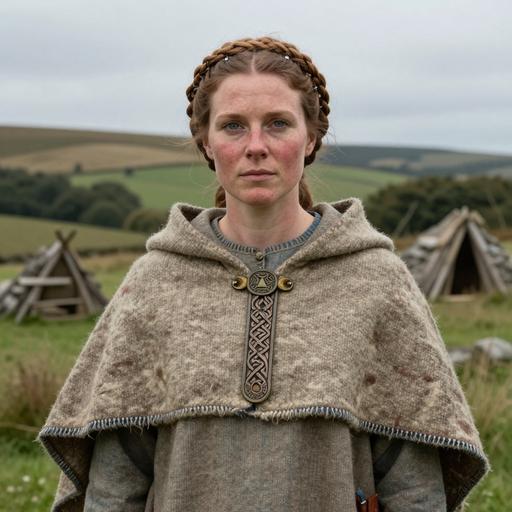
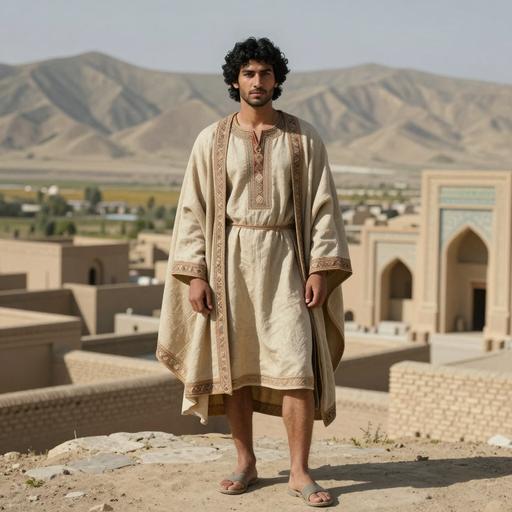
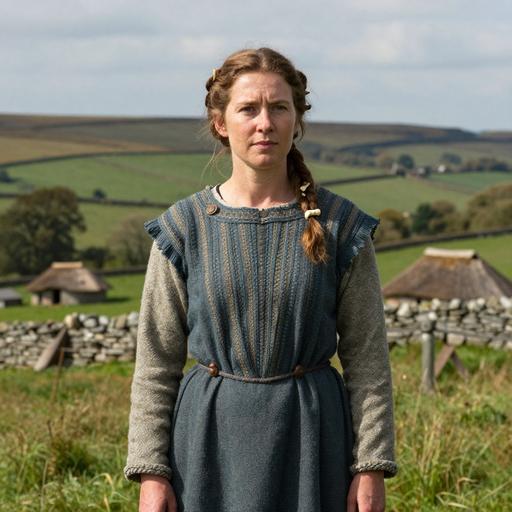
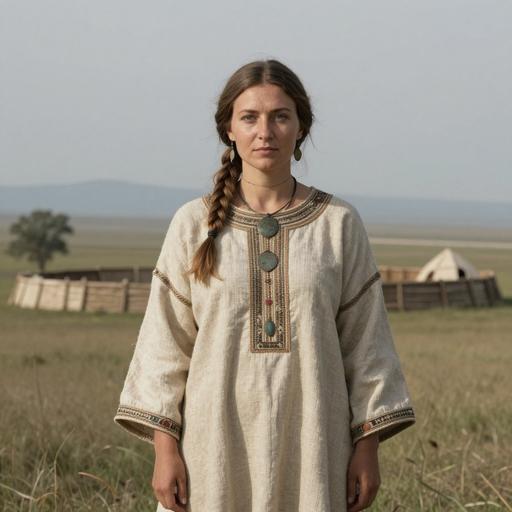
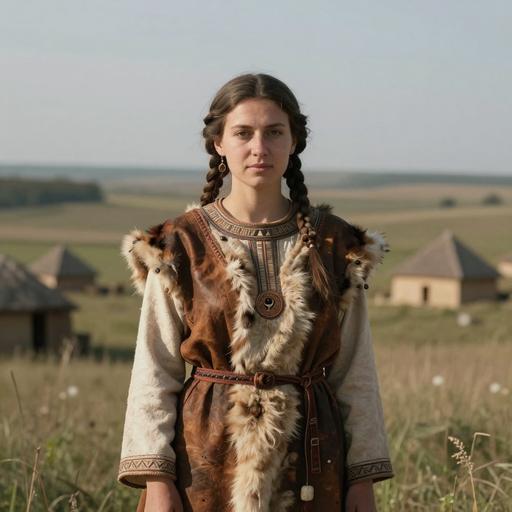
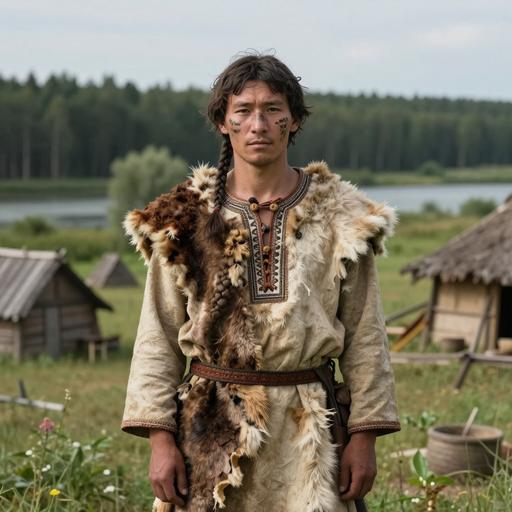
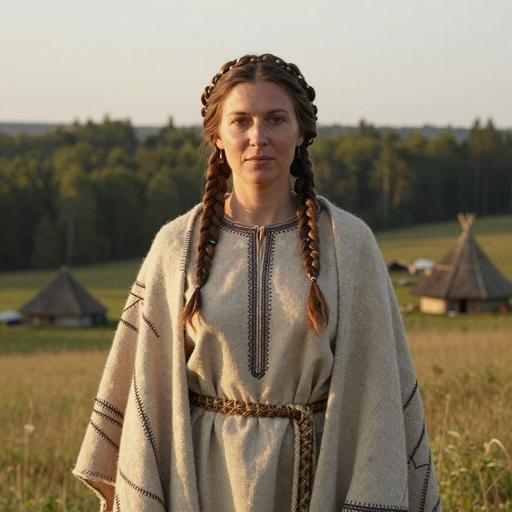
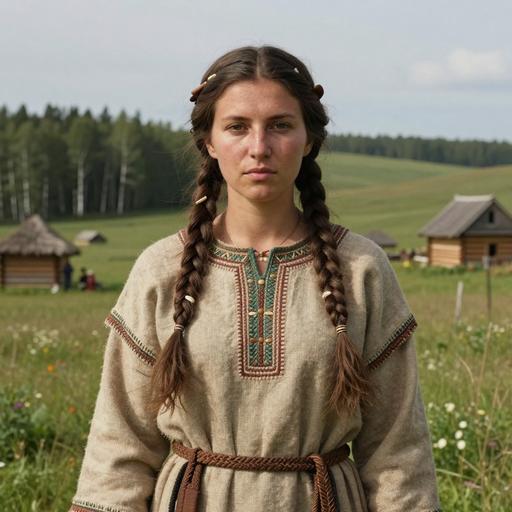
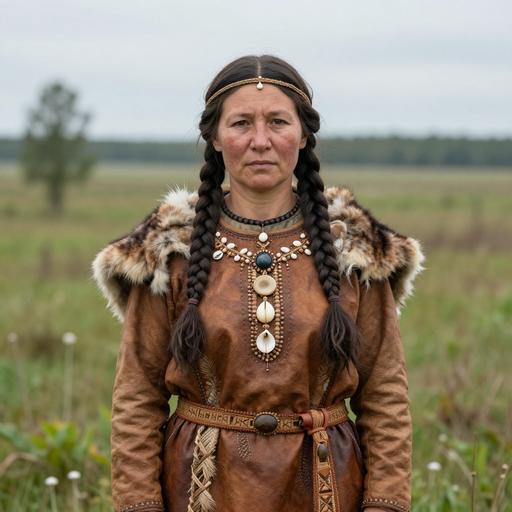
Portraits are AI-generated illustrations. Sample labels and accession IDs identify the reference records.

Portrait Sample Country Era Date Culture mtDNA Match
AI-generated illustrative portrait of England LIA individual, England. East Riding of Yorkshire. East Riding. North Ferriby. Melton Quarry, United Kingdom (100 BCE-50 CE)
Sample ID: I0525
United Kingdom Late Iron Age East Yorkshire, England 100 BCE - 50 CE Late Iron Age U2e1e Direct
AI-generated illustrative portrait of Khatlon Kushan Period individual, Ksirov, Tajikistan (160 BCE-1 CE)
Sample ID: I12292
Tajikistan Kushan Ksirov 160 calBCE - 1 calCE (2075±20 BP, PSUAMS-6159) Ksirov Culture U2e1e Direct
AI-generated illustrative portrait of Khatlon Kushan Period individual, Ksirov, Tajikistan (200-1 BCE)
Sample ID: I12260
Tajikistan Kushan Ksirov 200-1 BCE Ksirov Culture U2e1e Direct
AI-generated illustrative portrait of Khatlon Kushan Period individual, Ksirov, Tajikistan (200 BCE-100 CE)
Sample ID: I12293
Tajikistan Kushan Ksirov 200 BCE - 100 CE Ksirov Culture U2e1e Direct
AI-generated illustrative portrait of Celtic individual, England. Yorkshire. East Riding. North Ferriby. Melton Quarry, United Kingdom (210 BCE-40 CE)
Sample ID: M1489
United Kingdom England IA 210 BCE - 40 CE British Iron Age U2e1e Direct
AI-generated illustrative portrait of Britain Ia individual, England. Yorkshire. East Riding. North Ferriby. Melton Quarry, United Kingdom (210 BCE-40 CE)
Sample ID: M1489
United Kingdom Iron Age Britain 210 BCE - 40 CE U2e1e Direct
AI-generated illustrative portrait of England LIA MIA individual, England. East Riding of Yorkshire. Pocklington (Burnby Lane), United Kingdom (400-100 BCE)
Sample ID: I0527
United Kingdom East Yorkshire Iron Age 400-100 BCE East Yorkshire U2e1e Direct
AI-generated illustrative portrait of Indo-European individual, Bulanovo, Russia (1,953-1,748 BCE)
Sample ID: RISE394
Russia Russia MLBA Sintashta 1953 BCE - 1748 BCE Sintashta Culture U2e1e Direct
AI-generated illustrative portrait of Sintashta individual, Bulanovo, Russia (1,953-1,748 BCE)
Sample ID: RISE394
Russia The Sintashta Culture 1953 BCE - 1748 BCE U2e1e Direct
AI-generated illustrative portrait of Forest Neolithic individual, Sakhtysh-2a (Ivanovo Oblast, Teykovsky District, Sakhtysh Village), Russia (3,520-3,193 BCE)
Sample ID: NEO187
Russia Volosovo culture 3520 BCE - 3193 BCE Volosovo Culture U2e1e Direct
MATERNAL LINEAGE · ANCIENT DNA

Ancient lineage evidence map

Follow parent clades toward this branch and explore where ancient carriers were found.

Loading ancient observations…

Markers are archaeological find locations. A dashed connector is an uncertain, proposed geographic transition between consecutive branches supported by multiple dated observations; it is not an exact travel route, birthplace or proof of direct descent. Parent-clade samples may belong to other descendant branches. Gaps remain where evidence is insufficient. Sample dates differ from haplogroup formation dates.

Reference profile

Carrier Distribution Map

Geographic distribution of 16 ancient DNA samples (direct and subclade carriers of U2E1E)

Direct carrier
Time Period Filter
All Time Periods
Showing all samples
Reference profile

Temporal Distribution

Distribution of carriers across archaeological periods

Reference profile

Geographic Distribution

Counts by recorded sample country. These reflect the available reference selection, not population frequencies.

Reference profile

Country × Era Distribution

Compare recorded sample counts across countries and archaeological periods. Select a populated cell to inspect a sample.

Data

Data & Provenance

Source information and data quality

Last Updated 2026-02-16
Confidence Score 50/100
Coverage Low

Data Source

Classification, estimated dates and geographic context reflect the recorded reference data and may change as evidence is revised. Sample coverage is uneven; recorded locations and archaeological associations do not establish personal origin or cultural identity.

A haplogroup follows one maternal or paternal line. The branch prediction depends on which markers the DNA file contains. How our analysis works