mtDNA · Maternal lineage

U2E

mtDNA Haplogroup U2E

A reference profile for one lineage branch. Shared haplogroups do not establish a family relationship or cultural identity.

Reference profile

Branch background

Historical context for mtDNA lineage branch U2E

Origins and Evolution

mtDNA haplogroup U2E is a downstream branch of haplogroup U2, itself a deep West Eurasian/South Asian maternal lineage that arose in the Upper Paleolithic. U2E likely diversified after the initial U2 split and shows a time depth consistent with the Late Pleistocene to early Holocene (roughly ~20–15 kya, here estimated ~18 kya). Its phylogenetic position places it among the U2 subclades that mark long-term regional continuity in South Asia and signal survival of Paleolithic/Mesolithic maternal lineages through later demographic transitions.

Subclades (if applicable)

At higher resolution (complete mitogenomes), U2E resolves into multiple internal branches reported in population studies and phylogenetic reconstructions. These internal lineages (often labeled in the literature with numeric suffixes, e.g., U2e1, U2e2 or equivalent clades depending on the naming system) show structure by geography: the greatest diversity is observed in South Asia, while derived or terminal branches are the forms more commonly found in outlying regions such as Central Asia and sporadically in West Eurasia. High-resolution sequencing continues to refine the subclade boundaries and reveal migration/expansion events.

Geographical Distribution

Primary concentrations of U2E are in South Asia where it appears across a range of caste and tribal populations, often at modest to moderate frequencies compared with dominant local haplogroups (e.g., M and R derivatives). Secondary occurrences are documented in neighboring regions: Pakistan (Punjabi, Sindhi, Pashtun/Baloch groups), portions of the Iranian plateau and Central Asia (Kazakh/Uzbek/Tajik populations) where gene flow and historical movements have introduced South Asian maternal lineages. Low-frequency detections in Europe and North Africa are reported in population surveys and a small number of ancient DNA samples, consistent with episodic long-distance dispersals and the complex maternal landscape of West Eurasia.

Historical and Cultural Significance

U2E represents continuity from pre-Neolithic populations of South Asia into later periods. Its association is strongest with populations often described as descendants of local hunter-gatherer and early farming communities rather than with incoming Steppe-derived groups; consequently, U2E is useful in reconstructing maternal continuity in the subcontinent through the Mesolithic and Neolithic. In archaeological terms, U2E lineages are plausibly part of the genetic substrate encountered by early urbanizing societies (e.g., Harappan/Indus-related populations) and may also have participated in later regional demographic events (local expansions, trade and small-scale migrations into Central and West Asia).

Conclusion
mtDNA U2E is a regionally important subclade of U2 that documents deep maternal roots in South Asia with limited but informative dispersals into adjacent regions. It serves as an indicator of Paleolithic–Mesolithic maternal continuity in the subcontinent and remains relevant for studies of population structure, ancient DNA comparisons, and the maternal history of South Asia and adjoining areas.

Key Points

  • Origins and Evolution
  • Subclades (if applicable)
  • Geographical Distribution
  • Historical and Cultural Significance
  • Conclusion

Reference profile

Tree & Relationships

Phylogenetic context and subclades

Evolution Path

Follow the recorded parent branches toward U2E. Dates are estimates and can change as reference data is revised.

Steps Haplogroup Age Estimate Archaeology Era Time Passed Immediate Descendants Tested Modern Descendants Ancient Connections
1 U2E Current ~18,000 years ago Mesolithic 18,000 years 1 236 45
2 U2A ~22,000 years ago Mesolithic 22,000 years 4 756 6
3 U2 ~45,000 years ago Paleolithic 45,000 years 3 829 37
4 U2'3'4'7'8'9 - - - 5 3,500 0
5 U ~46,000 years ago Paleolithic 46,000 years 5 5,557 110
6 R ~55,000 years ago Paleolithic 55,000 years 17 22,830 57
7 NA - - - 1 22,830 0
8 N ~60,000 years ago Paleolithic 60,000 years 16 26,150 13
9 L3 ~70,000 years ago Paleolithic 70,000 years 7 30,162 6
10 L3'4 - - - 2 30,212 0
11 L3'4'6 - - - 2 30,216 0
12 L2'3'4'6 - - - 2 31,333 0
13 L2'3'4'5'6'7 - - - 2 31,349 0
14 L1'2'3'4'5'6'7 - - - 2 31,852 0
15 L ~160,000 years ago Paleolithic 160,000 years 2 32,236 5

Siblings (3)

Other branches from the same parent haplogroup

Reference profile

Where in the World

Geographic distribution and modern presence

Recorded origin

South Asia

Modern Distribution

The populations where mtDNA haplogroup U2E is found include:

  1. Various Indian caste and tribal groups (India)
  2. Pakistani populations (Punjabi, Sindhi, Pashtun, Baloch groups)
  3. Central Asian populations (Kazakh, Uzbek, Tajik and related groups)
  4. Near Eastern populations on the Iranian Plateau and adjacent areas
  5. European populations at very low frequency (sporadic detections in Eastern/Central Europe)
  6. North African groups at low frequency (reported in some Berber-adjacent samples)
  7. Indigenous northern European groups in rare cases (reported in limited studies)
  8. Ancient Mesolithic/Neolithic archaeological samples in West Eurasia and South Asia (sporadic ancient DNA occurrences)
Historical context

A branch through time

Estimated formation in a broad historical timeline. Period markers provide context and do not imply a connection with particular cultures.

  1. ~20k years ago

    Last Glacial Maximum

    Peak of the last ice age, populations isolated

  2. ~18k years ago

    Haplogroup U2E

    Estimated formation of this mtDNA branch; dates and locations are reference estimates.

    This branch
  3. ~10k years ago

    Neolithic Revolution

    Agriculture begins, settled communities form

  4. ~5k years ago

    Bronze Age

    Metalworking, writing, and early civilizations

  5. ~3k years ago

    Iron Age

    Iron tools, expanded trade networks

  6. ~2.5k years ago

    Classical Antiquity

    Greek and Roman civilizations flourish

  7. Present

    Present Day

    Modern era

Reference profile

Archaeological context

Recorded archaeological associations for mtDNA branch U2E

Recorded associations

These labels describe archaeological contexts recorded for reference samples linked to U2E. An association does not establish that all carriers belonged to a culture or followed a particular migration route.

Austria_Avar Avar Kostenki Culture Mesolithic Ukrainian Russia_Eneolithic_EBA_Caucasus Sunghir Culture Yana Culture
Culture assignments are based on archaeological context of ancient DNA samples and may represent regional associations during specific time periods.
Reference profile

Sample Catalog

2 direct carriers and 43 subclade carriers of haplogroup U2E

10 shown · 45 matching samples

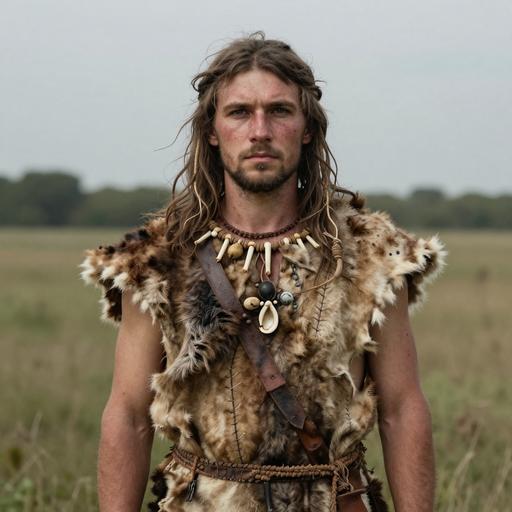
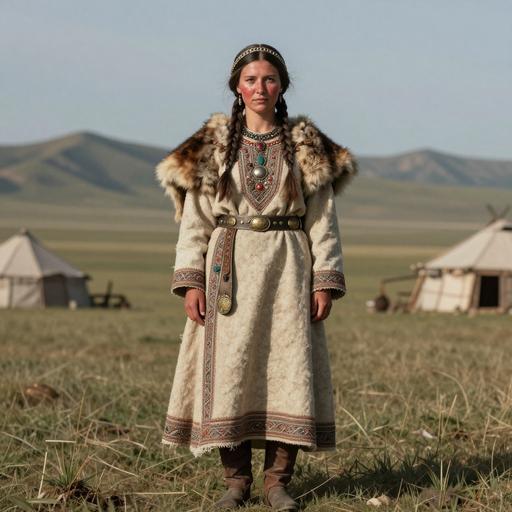
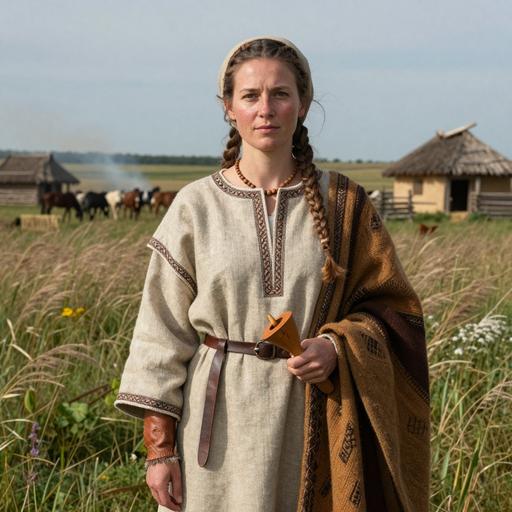
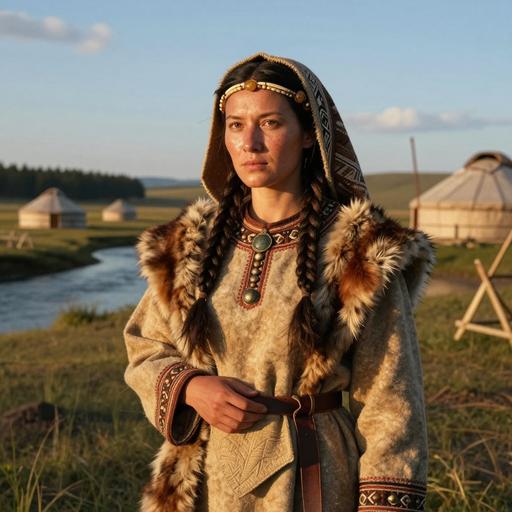
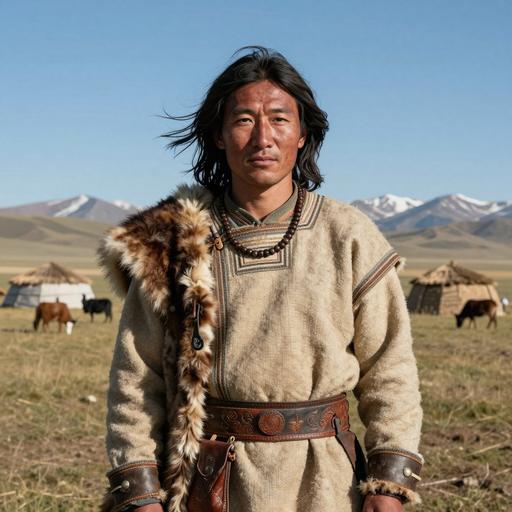
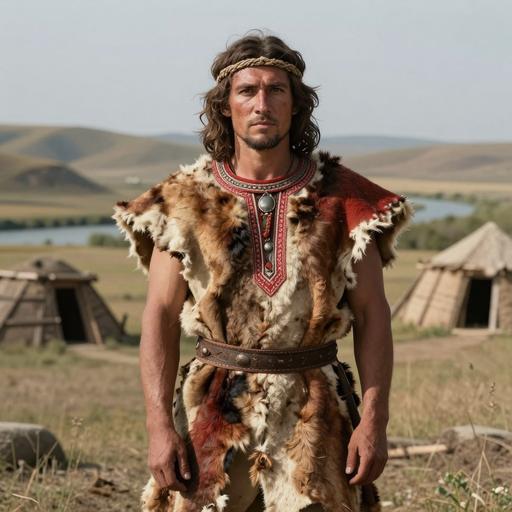
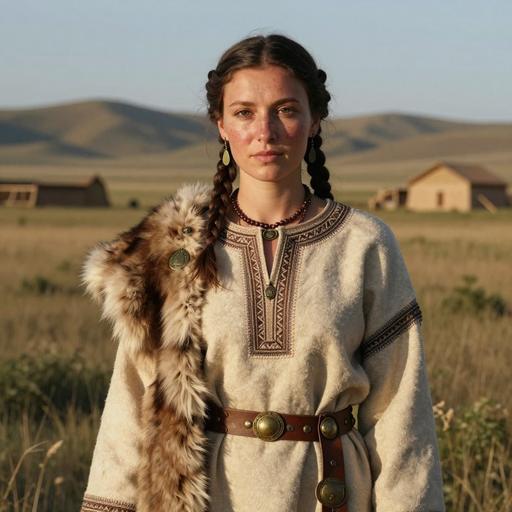
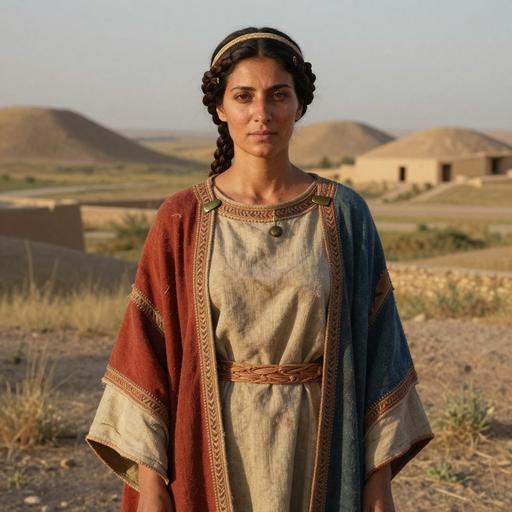
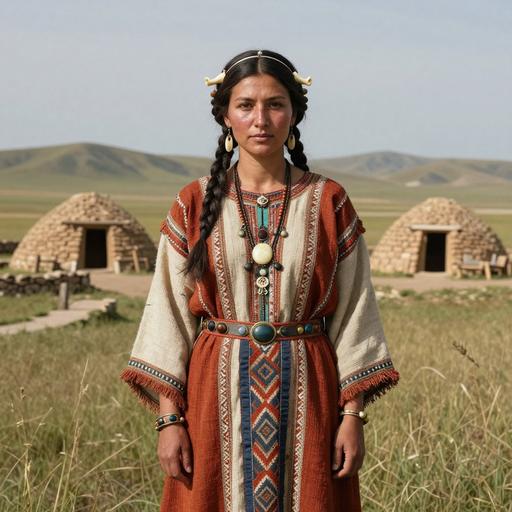
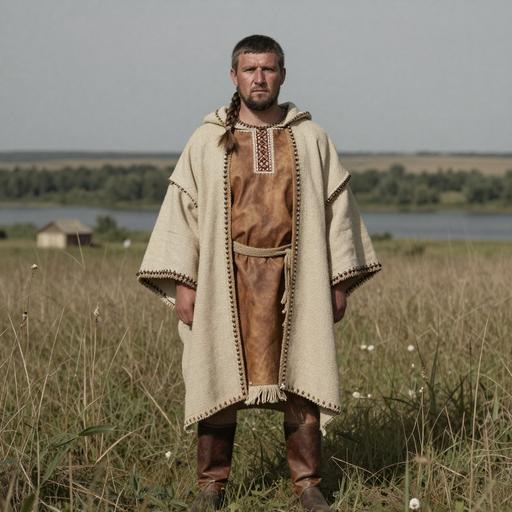
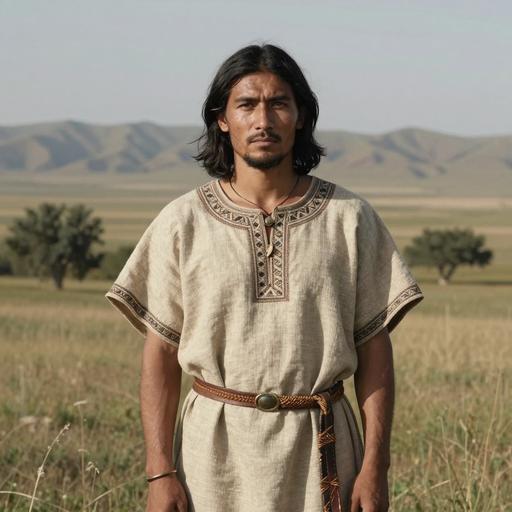
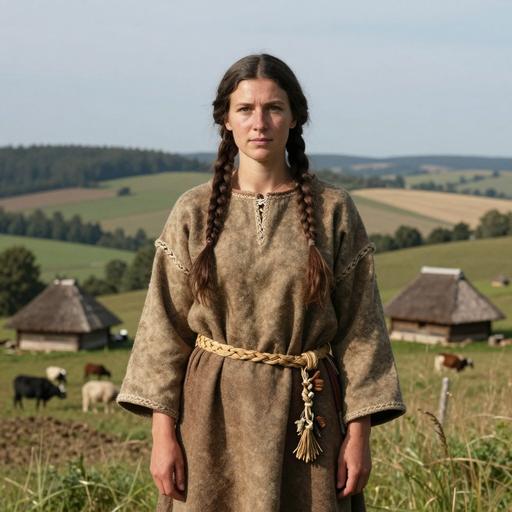
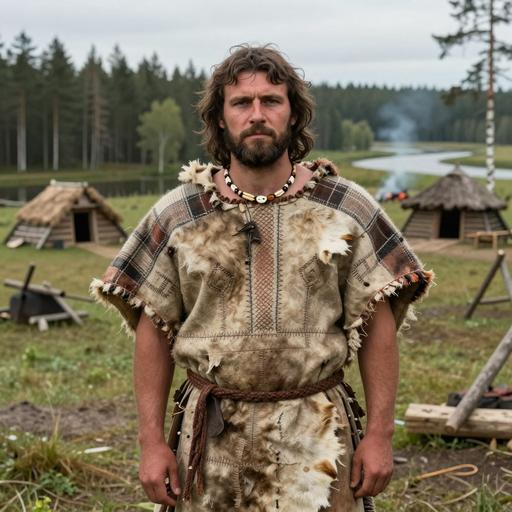
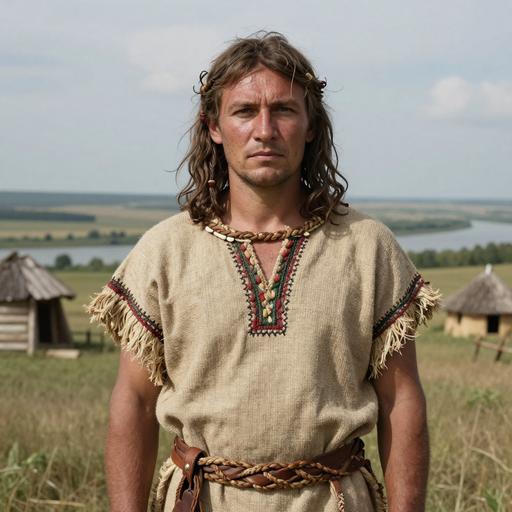
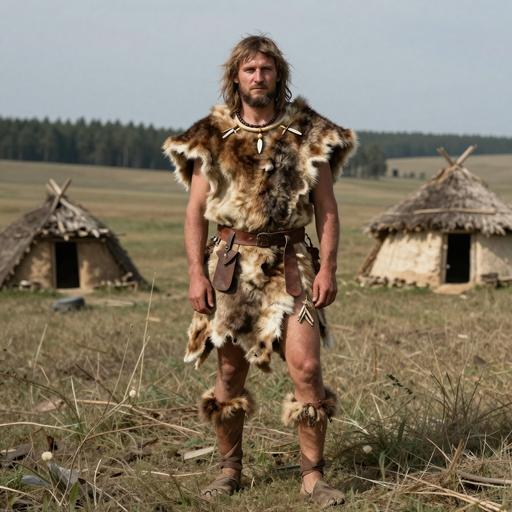
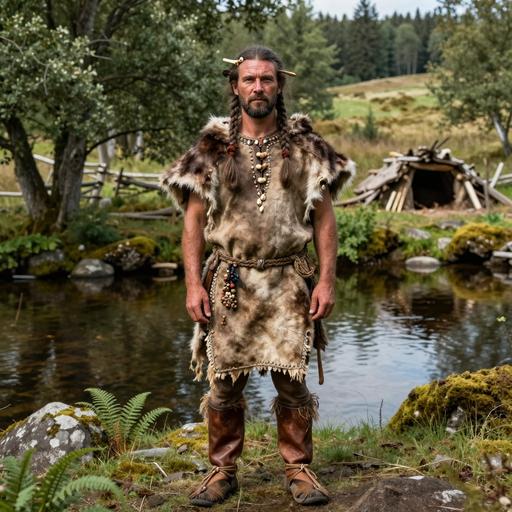
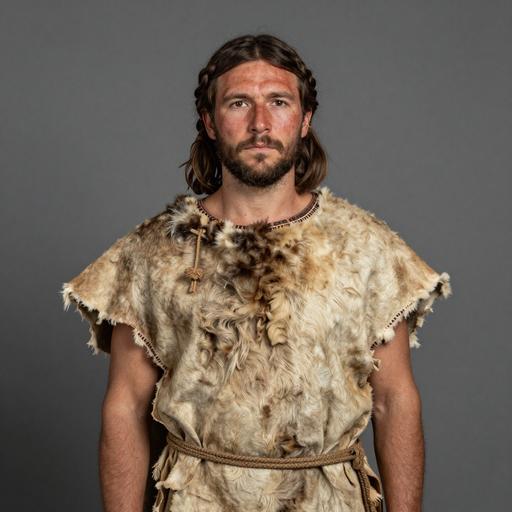
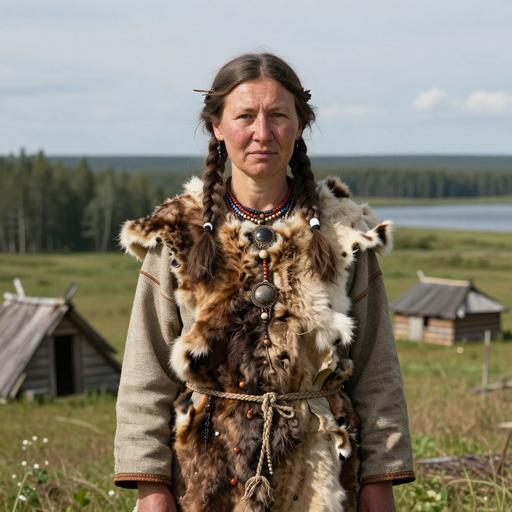
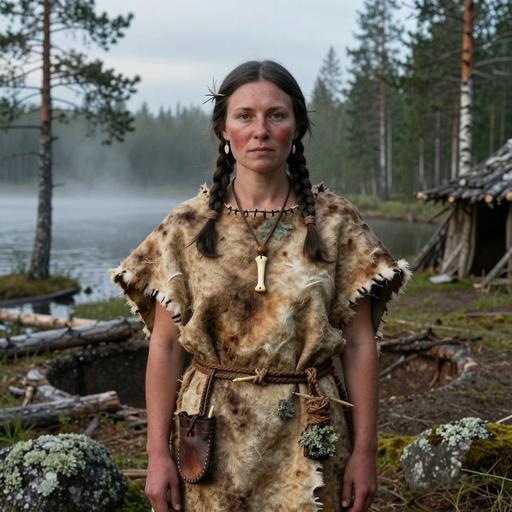
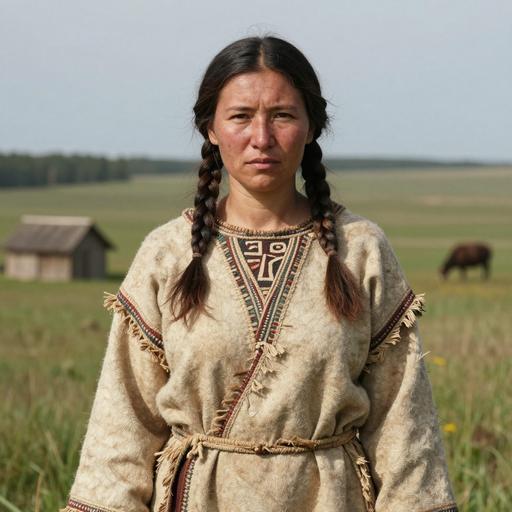
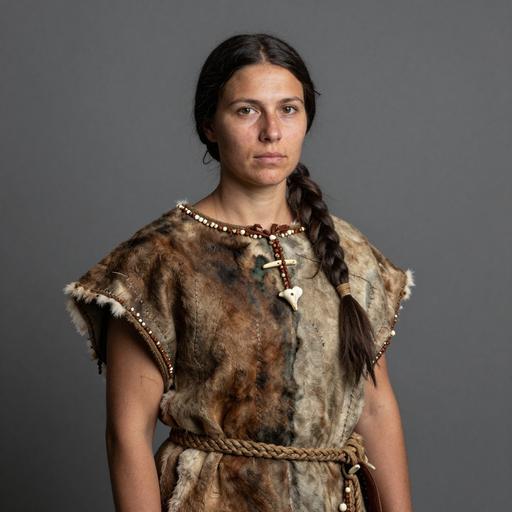
Portraits are AI-generated illustrations. Sample labels and accession IDs identify the reference records.
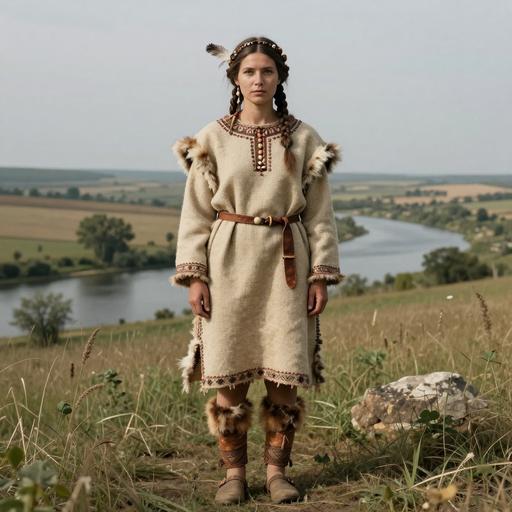
Portrait Sample Country Era Date Culture mtDNA Match
AI-generated illustrative portrait of Avar individual, Rákóczifalva-Bagi-földek (Jász-Nagykun-Szolnok Coiunty, Szolnok), Hungary (580-804 CE)
Sample ID: RKO010
Hungary Hungary Avar 550-850 CE Avar U2e Direct
AI-generated illustrative portrait of Mesolithic individual, Vasylivka-1 (Dnipropetrovsk Oblast, Synelnykove District, Rajivka municipality), Ukraine (9,400-9,250 BCE)
Sample ID: NEO492
Ukraine Ukraine Mesolithic 9400-9250 BCE Mesolithic Ukrainian U2e Direct
AI-generated illustrative portrait of Arkhangai Xiongnu Period Early Medieval-2 individual, Arkhangai. Tamiryn Ulaan Khoshuu. Burkhan Tolgoi, Mongolia (150 BCE-450 CE)
Sample ID: BUR002
Mongolia Early Medieval Xiongnu 150 BCE - 450 CE Xiongnu U2e1 Subclade
AI-generated illustrative portrait of Scythian individual, Bidylo I. Mound 2. burial 1, Ukraine (393-206 BCE)
Sample ID: MJ-15
Ukraine Iron Age Western Scythian-Cimmerian Culture, Ukraine 393 BCE - 206 BCE Scythian-Cimmerian U2e2 Subclade
AI-generated illustrative portrait of Scythian individual, Bidylo I. Mound 2. burial 1, Ukraine (393-206 BCE)
Sample ID: MJ-15
Ukraine The Scythian Culture 393 BCE - 206 BCE U2e2 Subclade
AI-generated illustrative portrait of Scythian individual, St Merchik. Group II. mound 1. burial 1, Ukraine (393-206 BCE)
Sample ID: MJ-15
Ukraine The Scythian Culture 393 BCE - 206 BCE U2e2 Subclade
AI-generated illustrative portrait of Scythian individual, St Merchik. Group II. mound 1. burial 1, Ukraine (393-206 BCE)
Sample ID: MJ-15
Ukraine The Scythian Culture 393 BCE - 206 BCE U2e2 Subclade
AI-generated illustrative portrait of Orenburg Early Sarmatian individual, Pokrovka, Russia (400-200 BCE)
Sample ID: I0574
Russia Iron Age Early Sarmatian, Russia 400-200 BCE Early Sarmatian Culture U2e2 Subclade
AI-generated illustrative portrait of La Tène individual, Central Bohemia. Prague 5. Prague-Jinonice (Holmanʼs Garden Centre), Czech Republic (400-200 BCE)
Sample ID: I17322
Czech Republic Iron Age La Tène Culture, Czech Republic 400-200 BCE La Tène Culture U2e1 Subclade
AI-generated illustrative portrait of Avar individual, Rákóczifalva-Bagi-földek (Jász-Nagykun-Szolnok Coiunty, Szolnok), Hungary (580-804 CE)
Sample ID: RKF215
Hungary Hungary Avar 580 CE - 804 CE Avar U2e2 Subclade
MATERNAL LINEAGE · ANCIENT DNA

Ancient lineage evidence map

Follow parent clades toward this branch and explore where ancient carriers were found.

Loading ancient observations…

Markers are archaeological find locations. A dashed connector is an uncertain, proposed geographic transition between consecutive branches supported by multiple dated observations; it is not an exact travel route, birthplace or proof of direct descent. Parent-clade samples may belong to other descendant branches. Gaps remain where evidence is insufficient. Sample dates differ from haplogroup formation dates.

Reference profile

Carrier Distribution Map

Geographic distribution of 45 ancient DNA samples (direct and subclade carriers of U2E)

Direct carrier Subclade carrier
Time Period Filter
All Time Periods
Showing all samples
Reference profile

Temporal Distribution

Distribution of carriers across archaeological periods

Reference profile

Geographic Distribution

Counts by recorded sample country. These reflect the available reference selection, not population frequencies.

Reference profile

Country × Era Distribution

Compare recorded sample counts across countries and archaeological periods. Select a populated cell to inspect a sample.

Data

Data & Provenance

Source information and data quality

Last Updated 2026-02-16
Confidence Score 50/100
Coverage Low

Data Source

Classification, estimated dates and geographic context reflect the recorded reference data and may change as evidence is revised. Sample coverage is uneven; recorded locations and archaeological associations do not establish personal origin or cultural identity.